 Kanata's Japan Shrine Guide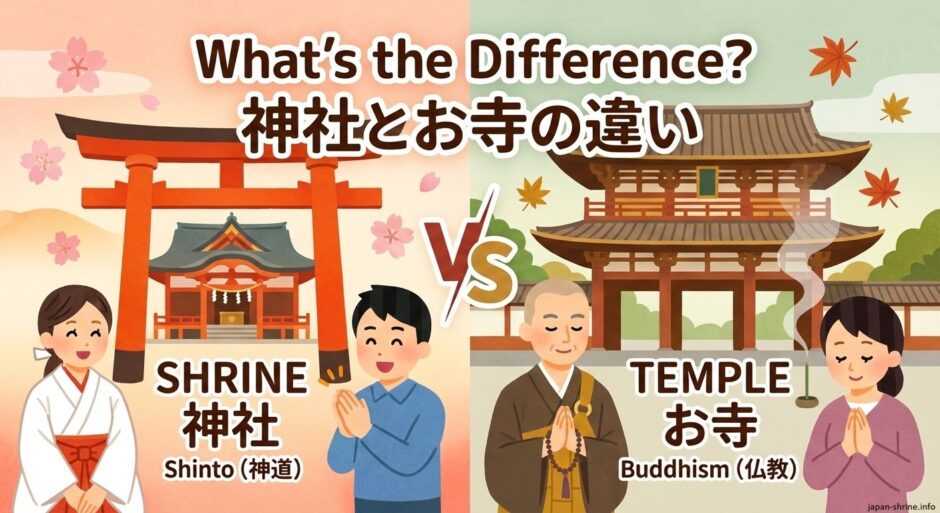

Traveling through Japan, you encounter beautiful religious sites everywhere. However, if asked, “Is this a temple or a shrine?” surprisingly few people can answer immediately.
This confusion is understandable, given Japan’s long history of syncretism, where Shinto deities and Buddhist deities have been enshrined together since ancient times. This time, we’ll clearly explain how to distinguish them based on architectural features and the most commonly confused difference: the worship method (whether to clap hands or not).
First, let’s look at the key points for determining whether a place is a shrine or a temple based on its exterior and entrance features.
Characteristics of Shrines
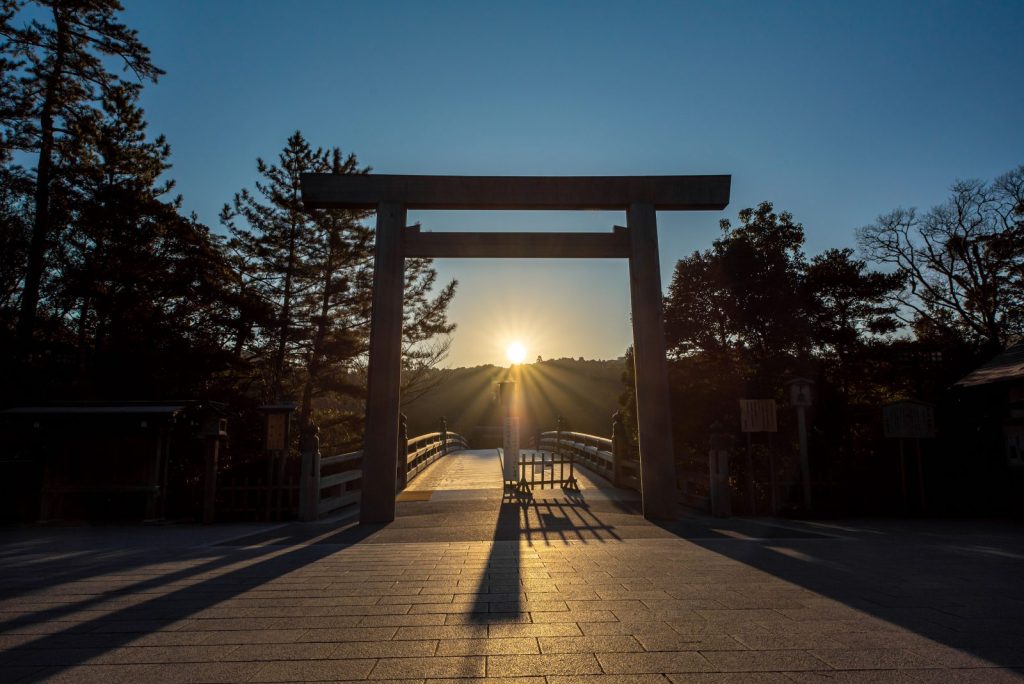
It is a Shinto facility where the millions of deities of ancient Japan are enshrined.
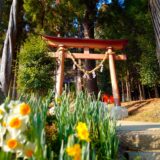
- There is a torii gate.
- This is its most distinctive feature. It serves as a barrier separating the “sacred precincts” where the gods reside from the human world. The map symbol is also shaped like a torii gate.
- There is a shimenawa rope.
- This is a rope adorned with shide streamers, displayed at torii gates and worship halls. It indicates a sacred place.
- There is a bell.
- Above the offering box hangs a large bell (hon-tsubo-suzu), which is rung loudly to ward off evil spirits and summon the deity.
- The roof is simple.
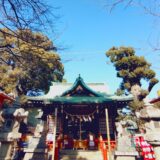
- Roofs tend to be relatively straight and simple, such as thatched or copper-plated roofs (though there are exceptions).
Characteristics of Temples
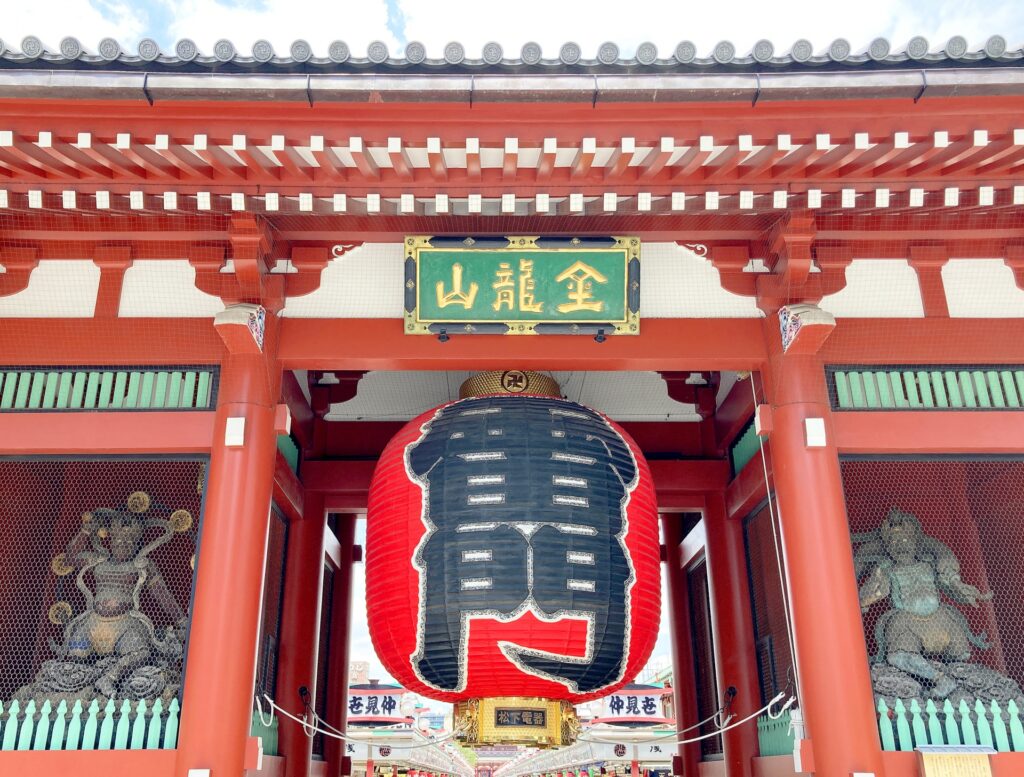
It is a Buddhist facility where Buddhist deities (such as Buddha and Kannon) are enshrined. It originated in India and China.
- There is a temple gate (sanmon).
- Instead of a torii gate, there is a gate with an impressive roof. It is often guarded by Nio guardian statues. The map symbol is “卍 (manji)”.
- There is a Buddhist statue.
- Inside the main hall and throughout the temple grounds, statues of the Buddha, Kannon, Jizo, and others are enshrined.
- There is a grave
- Many temples have cemeteries attached to them (it is rare for shrines to have graves).
- Tile roof
- Roofs made of heavy tiles are commonly seen.
- Incense sticks and cones
- An incense burner for purifying the body with incense smoke is placed here.
Rules for “How to worship”
The most confusing part is always remembering which hand to clap with when you go “Clap clap!” Just remember this one thing, and you’ll never feel embarrassed anywhere.
Visiting a shrine: Two bows, two claps, one bow
At shrines, we make sounds to summon the gods.
- Place your offering money.
- Ring the bell.
- Bow deeply twice (two bows).
- Place your hands together at chest level and clap twice (two claps).
- Shifting your right hand slightly downward produces a better sound.
- After clapping, keep your hands together and pray.
- Finally, bow deeply once (one bow).
Temple Visit: Hands Together, Bow Once
At temples, we do not clap our hands. We quietly place our hands together.
- (If available) Offer incense. Bathe in the smoke to purify yourself.
- Place an offering in the donation box.
- If there is a bell such as a wani-guchi, ring it quietly.
- Quietly place your hands together in front of your chest (gassho).
- Without clapping your hands, continue praying quietly.
- In your heart, chant “Namu Amida Butsu” or the name of the principal image.
- He bows one last time.
【How to Remember】
- At the shrine, “Clap clap!” (clapping)
- At the temple, “Shhh” (no clapping, just quietly clasp your hands)
The difference in the beings enshrined (gods and Buddhas)
The deity of the shrine
In Japan, there is the phrase “eight million gods,” and it is believed that gods dwell in all things in the natural world.
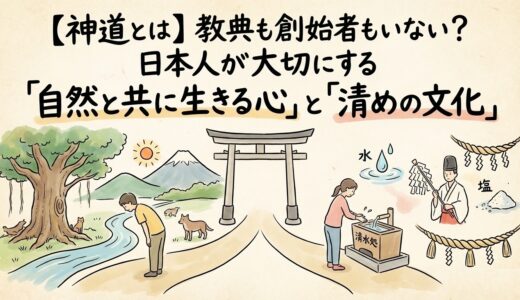
- Representative examples: Amaterasu Ōmikami (the Sun Goddess), Susanoo-no-Mikoto, Inari deities (Inari-san), Sugawara no Michizane (the God of Learning, a historical figure), etc.
- The divine object is often a “mirror,” a “sword,” or the “mountain itself,” and since it is located deep within the main hall, it cannot be seen directly.
The temple’s “Buddha statue”
The Buddha, who revealed the teachings of Buddhism, is an enlightened being. To save people from suffering, he manifests in various forms.
- Representative examples: Amida Nyorai, Yakushi Nyorai, Kannon Bosatsu, Fudo Myo-o, etc.
- Buddha statues are often enshrined in a “visible form,” allowing you to directly see their faces and pay your respects.
Manager’s Comments:The Japanese spirit that cherishes both
When explaining to people overseas that “Japanese celebrate Christmas (Christianity), listen to the New Year’s Eve temple bells (Buddhism), and visit shrines for the first shrine visit of the year (Shinto),” they are often surprised. Yet this, I believe, is the very essence of Japan’s spirit of “wa” and its tolerance.
Stand tall in the solemn air of a shrine, or calm your mind in a temple where the scent of incense drifts through the air. Once you understand the difference between “shrine or temple,” try enjoying the unique atmosphere each place possesses. Both remain important places that support our hearts.