 Kanata's Japan Shrine Guide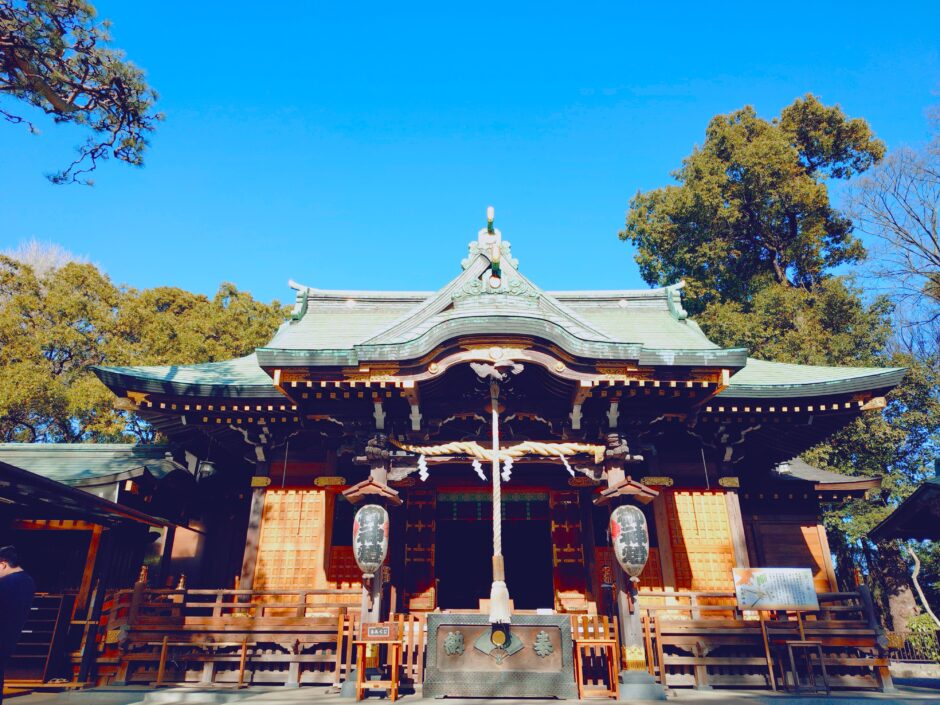

目次
- 【Hanahata Ōtori-jinja Shrine Summary】
- 【Hanahata Ōtori-jinja Shrine worshipper’s path】
- 【Hanahata Ōtori-jinja Shrine worship hall】
- 【Hanahata Ōtori-jinja Shrine Cat at the shrine】
- 【Hanahata Ōtori-jinja Shrine Tori no Ichi Festival】
- 【Hanahata Ōtori-jinja Shrine GOSHUIN】
- 【Hanahata Ōtori-jinja Shrine Nearby attractions】
- 【Hanahata Ōtori-jinja Shrine Access】
- Manager’s Comments
- Address of the Hanahata Ōtori-jinja Shrine
【Hanahata Ōtori-jinja Shrine Summary】
Hanahata Ōtori-jinja Shrine is believed to have been founded around 1247 (during the Hōji era). It is said that when Minamoto no Yoshimitsu went to aid his elder brother, Yoshikage, in battle, he prayed for victory at this shrine. Upon achieving success, he built the shrine’s main hall and dedicated his armor there. The current enshrined deity, Prince Yamato Takeru, appears to have been designated as such only after the Meiji period. The shrine’s substantive deity is considered to be Minamoto no Yoshimitsu, and it was revered by daimyo and samurai families claiming descent from Yoshimitsu, including the Satake clan. Furthermore, the tradition of farmers from Hanahata offering chickens at this shrine during their harvest festival on the “Day of the Rooster” in November—believed to be Prince Yamato Takeru’s death anniversary—is considered the origin of the ‘Tori no Ichi’ (Rooster Market) festivals still held throughout the Kanto region today.
The head shrine is Ōtori Grand Shrine, the principal shrine of Izumi Province. While it is sometimes written as “大鷲” or ‘鷲’ instead of “大鳥,” the reading remains “Ōtori” in all cases.
The enshrined deity is Yamato Takeru no Mikoto.
【Hanahata Ōtori-jinja Shrine worshipper’s path】
The temple grounds were lush with thick camphor and zelkova trees, overflowing with greenery.
![20260131 134256852 1024x768 - Hanahata Ōtori-jinja Shrine [Tokyo]](https://japan-shrine.info/wp-content/uploads/20260131_134256852-1024x768.jpg "Hanahata Ōtori-jinja Shrine [Tokyo]")
There are trees designated as Adachi Ward Preservation Trees, evoking a sense of history.
![20260131 134614200 1024x768 - Hanahata Ōtori-jinja Shrine [Tokyo]](https://japan-shrine.info/wp-content/uploads/20260131_134614200-1024x768.jpg "Hanahata Ōtori-jinja Shrine [Tokyo]")
At the third torii gate, a shrine cat approached my feet, rubbed against me, then headed toward the gate’s entrance. It seemed to have received permission.
【Hanahata Ōtori-jinja Shrine worship hall】
Due to Yoshikage’s victory in battle and his offering of armor, the shrine gained deep devotion from samurai families claiming descent from Yoshimitsu. Among them, the Satake clan, lords of Akita Domain, constructed shrine buildings that remain to this day.
![20260131 135222663 1024x768 - Hanahata Ōtori-jinja Shrine [Tokyo]](https://japan-shrine.info/wp-content/uploads/20260131_135222663-1024x768.jpg "Hanahata Ōtori-jinja Shrine [Tokyo]")
The carvings on the shrine hall are truly magnificent, especially the “Ascending Dragon and Descending Dragon” carved on the front pillars, which are said to be the work of Goto Yogoro, the 13th-generation successor of Jingo. They are now designated as an Adachi Ward Registered Cultural Property.
![DSC 3002 1024x768 - Hanahata Ōtori-jinja Shrine [Tokyo]](https://japan-shrine.info/wp-content/uploads/DSC_3002-1024x768.jpg "Hanahata Ōtori-jinja Shrine [Tokyo]")
![DSC 3013 160x160 - Hanahata Ōtori-jinja Shrine [Tokyo]](https://japan-shrine.info/wp-content/uploads/DSC_3013-160x160.jpg "Hanahata Ōtori-jinja Shrine [Tokyo]")
【Hanahata Ōtori-jinja Shrine Cat at the shrine】
![20260131 140254678 1024x576 - Hanahata Ōtori-jinja Shrine [Tokyo]](https://japan-shrine.info/wp-content/uploads/20260131_140254678-1024x576.jpg "Hanahata Ōtori-jinja Shrine [Tokyo]")
On my way back, the shrine cat saw me off again at the third torii gate. Thank you.
【Hanahata Ōtori-jinja Shrine Tori no Ichi Festival】
The Tori no Ichi Festival is a traditional annual event dating back to the Edo period. Held on the “Day of the Rooster” in November, believed to be the anniversary of the death of Prince Yamato Takeru, it takes place at shrines like Ōtori Shrine. People gather to pray for prosperous business and good fortune. This temple fair came to be called “Tori no Machi” by the people, and it seems this later became the origin of the Tori no Ichi.
![30343286 m 1024x576 - Hanahata Ōtori-jinja Shrine [Tokyo]](https://japan-shrine.info/wp-content/uploads/30343286_m-1024x576.jpg "Hanahata Ōtori-jinja Shrine [Tokyo]")
The “lucky rake” for gathering fortune is a famous attraction, with many stalls lining the streets and the spirited “hand-clapping” echoing throughout—a quintessential autumn tradition in the Kanto region. This Hanabatake Owashi Shrine is called “Upper Tori,” while Asakusa’s Washio Shrine is known as “Lower Tori.” It is said that these two shrines are the only ones in Tokyo that have continued holding the Tori no Ichi festival since the Edo period.
【Hanahata Ōtori-jinja Shrine GOSHUIN】
![ootori jinja GOSHUIN CHO 719x1024 - Hanahata Ōtori-jinja Shrine [Tokyo]](https://japan-shrine.info/wp-content/uploads/ootori-jinja-GOSHUIN-CHO-719x1024.jpg "Hanahata Ōtori-jinja Shrine [Tokyo]")
![ootori jinja GOSHUIN 703x1024 - Hanahata Ōtori-jinja Shrine [Tokyo]](https://japan-shrine.info/wp-content/uploads/ootori-jinja-GOSHUIN-703x1024.jpg "Hanahata Ōtori-jinja Shrine [Tokyo]")
Since I was running out of pages to write on, I bought a goshuin stamp book from Hanabatake Ootori Shrine. It has a nice texture.
【Hanahata Ōtori-jinja Shrine Nearby attractions】
Hanabatake Memorial Garden, Adachi City Zoo and Botanical Garden
![seibutuen1 520x300 - Hanahata Ōtori-jinja Shrine [Tokyo]](https://japan-shrine.info/wp-content/uploads/seibutuen1-520x300.jpg "Hanahata Ōtori-jinja Shrine [Tokyo]")
【Hanahata Ōtori-jinja Shrine Access】
Manager’s Comments
This tranquil shrine lies at the northernmost tip of Tokyo. Though access is poor, it seemed to draw many visitors. Since Minamoto no Yoshimitsu prayed here for victory in battle, the shrine must have existed even before that time. What deity was enshrined during his prayer? While the current enshrined deity, Yamato Takeru no Mikoto, is said to have been enshrined after the Meiji period, the Tori no Ichi festival has continued since the Edo period, which seems contradictory. Many questions arise, but if I get another chance, I’d like to look into the details further.
![960caa56409bf575fadffbdfde68c629 - Hanahata Ōtori-jinja Shrine [Tokyo]](https://japan-shrine.info/wp-content/uploads/sng/960caa56409bf575fadffbdfde68c629.gif "Hanahata Ōtori-jinja Shrine [Tokyo]")