 Kanata's Japan Shrine Guide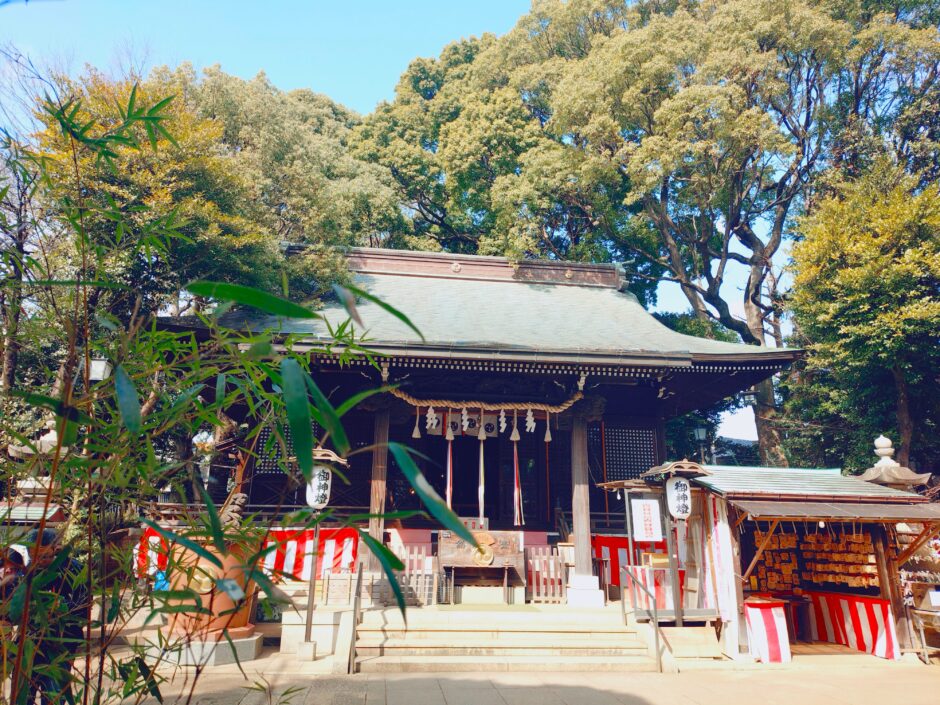

目次
- 【Overview of Taishido Hachiman Shrine】
- 【Taishido Hachiman Shrine: Approach (Sando)】
- 【Taishido Hachiman Shrine: Main Hall (Shaden)】
- 【Taishido Hachiman Shrine: Sacred Tree (Giant Camphor)】
- 【Taishido Hachiman Shrine: Benzaiten】
- 【Taishido Hachiman Shrine: Inari Shrine】
- 【Taishido Hachiman Shrine: Kagura-den】
- 【Taishido Hachiman Shrine: Goshuin】
- 【Tourist Spots Near Taishido Hachiman Shrine (Within a 30-minute walk)】
- 【Taishido Hachiman Shrine: Access】
- Admin’s Impressions
- Taishido Hachiman Shrine Address
【Overview of Taishido Hachiman Shrine】
While no precise records of its founding remain, legend has it that Minamoto no Yoriyoshi and his son, Yoshiie, visited here to pray for victory during the Zenkunen War (Early Nine Years’ War). This suggests the shrine has existed since at least 1051. According to records from Ensen-ji Temple, the main buildings were later renovated and officially established during the Bunroku era (1592–1596).
The shrine is dedicated to Hachiman-gami (Emperor Ojin).
*It is speculated that the original deity was different, but Hachiman-gami became the primary deity as the Seiwa Genji clan expanded their influence in the region.
【Taishido Hachiman Shrine: Approach (Sando)】
![20260222 121007005 1024x768 - Taishido Hachiman Shrine [Tokyo]](https://japan-shrine.info/wp-content/uploads/20260222_121007005-1024x768.jpg "Taishido Hachiman Shrine [Tokyo]")
After passing through the torii gate and climbing the stairs, the main hall comes into view immediately.
【Taishido Hachiman Shrine: Main Hall (Shaden)】
![20260222 121120290 1024x777 - Taishido Hachiman Shrine [Tokyo]](https://japan-shrine.info/wp-content/uploads/20260222_121120290-1024x777.jpg "Taishido Hachiman Shrine [Tokyo]")
The current main hall was constructed around 1937, alongside a new torii gate, kagura-den (hall for sacred dance), and shrine office. These structures fortunately survived the air raids of World War II and remain standing today.
【Taishido Hachiman Shrine: Sacred Tree (Giant Camphor)】
![20260222 121450640 1024x768 - Taishido Hachiman Shrine [Tokyo]](https://japan-shrine.info/wp-content/uploads/20260222_121450640-1024x768.jpg "Taishido Hachiman Shrine [Tokyo]")
There is a side path between the main hall and the Inari Shrine. If you follow it to the back, you will find the sacred tree. Unfortunately, you cannot approach it closely, but its immense size and presence are striking even from a distance.
【Taishido Hachiman Shrine: Benzaiten】
![20260222 120943478 2 1024x768 - Taishido Hachiman Shrine [Tokyo]](https://japan-shrine.info/wp-content/uploads/20260222_120943478-2-1024x768.jpg "Taishido Hachiman Shrine [Tokyo]")
Originally located at the foot of Bentenbashi Bridge over the Karasuyama River, this shrine was relocated to the current grounds in 1952.
【Taishido Hachiman Shrine: Inari Shrine】
Dedicated to Inari Okami (Ukanomitama-no-mikoto).
![20260222 121335037 1024x768 - Taishido Hachiman Shrine [Tokyo]](https://japan-shrine.info/wp-content/uploads/20260222_121335037-1024x768.jpg "Taishido Hachiman Shrine [Tokyo]")
This Inari shrine is unique in that it serves as a Mike-gami—a deity in charge of the meals for the Hachiman god—similar to the role of the Outer Shrine (Geku) at Ise Jingu.
【Taishido Hachiman Shrine: Kagura-den】
![20260222 121639544 1024x768 - Taishido Hachiman Shrine [Tokyo]](https://japan-shrine.info/wp-content/uploads/20260222_121639544-1024x768.jpg "Taishido Hachiman Shrine [Tokyo]")
The kagura-den features decorations that change with the seasons. During my visit, beautiful Hina dolls (for Girls’ Day) were on display.
【Taishido Hachiman Shrine: Goshuin】
![taishido hachiman GOSHUIN 720x1024 - Taishido Hachiman Shrine [Tokyo]](https://japan-shrine.info/wp-content/uploads/taishido-hachiman-GOSHUIN-720x1024.jpg "Taishido Hachiman Shrine [Tokyo]")
【Tourist Spots Near Taishido Hachiman Shrine (Within a 30-minute walk)】
Shoin Shrine, Gotoku-ji Temple, Setagaya Hachimangu Shrine.
![20260222 113159863 520x300 - Taishido Hachiman Shrine [Tokyo]](https://japan-shrine.info/wp-content/uploads/20260222_113159863-520x300.jpg "Taishido Hachiman Shrine [Tokyo]")
![DSC 2299 1 520x300 - Taishido Hachiman Shrine [Tokyo]](https://japan-shrine.info/wp-content/uploads/DSC_2299-1-520x300.jpg "Taishido Hachiman Shrine [Tokyo]")
![20260222 110556523 520x300 - Taishido Hachiman Shrine [Tokyo]](https://japan-shrine.info/wp-content/uploads/20260222_110556523-520x300.jpg "Taishido Hachiman Shrine [Tokyo]")
【Taishido Hachiman Shrine: Access】
Admin’s Impressions
This shrine is famous among goshuin enthusiasts, often drawing long lines for its wide variety of beautifully designed seals. However, on the day I visited, there were only a few locals quietly offering prayers. With almost no tourists in sight, it felt like a true “community-rooted shrine.” I often feel that neighborhoods with shrines like this tend to be very peaceful and safe. Between the Kira, Tokugawa, and Minamoto clans who ruled this area, it’s no wonder Setagaya is so full of Hachiman shrines!