 Tour of Japanese shrines and temples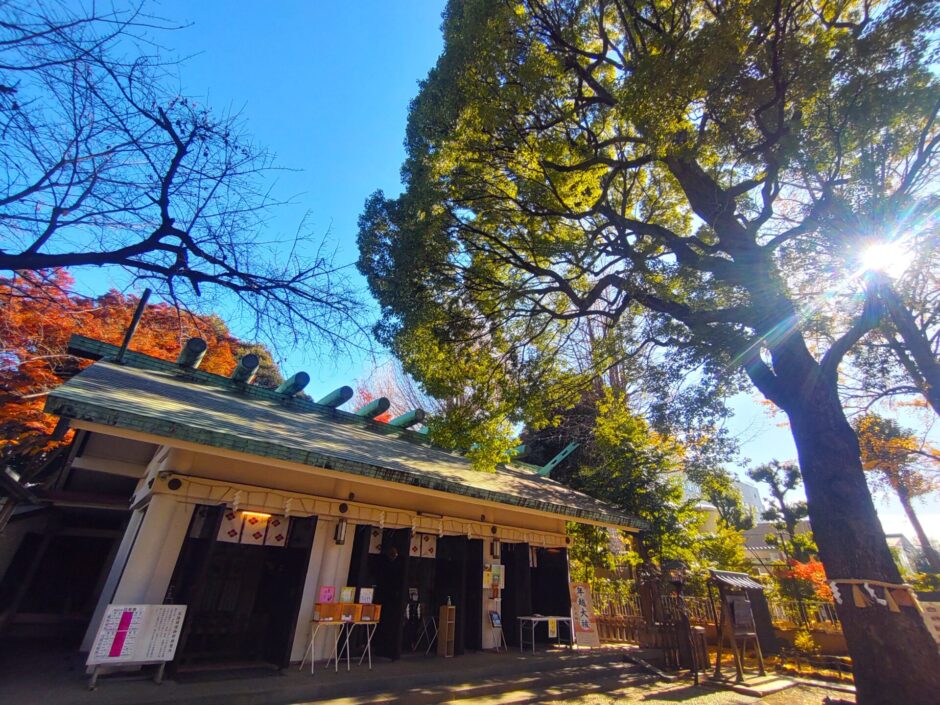

目次
- 【Komagome Tenso Shrine Summary】
- 【Komagome Tenso Shrine worshipper’s path】
- 【Komagome Tenso Shrine worship hall】
- 【Komagome Tenso Shrine GOSHUIN】
- 【Kumagome Fuji Shrine Summary】
- 【Kumagome Fuji Shrine worshipper’s path】
- 【Kumagome Fuji Shrine worship hall】
- 【Kumagome Fuji Shrine GOSHUIN】
- 【Komagome Tenso Shrine Nearby attractions (within a 30-minute walk) 】
- 【Komagome Tenso Shrine Access】
- Manager’s Comments
- Address of the Komagome Tenso Shrine
【Komagome Tenso Shrine Summary】
Komagome Tenso Shrine was founded in 1189 (Bunji 5). It is said that when Lord Minamoto no Yoritomo was campaigning against the Fujiwara clan of Oshu, he received a divine revelation in a dream and enshrined the Kami-myo (Amaterasu Omikami) in accordance with it. In the past, it is said there was a sacred tree with a diameter of 1.2 meters, but it withered and the shrine declined. It was later revived, but the shrine was destroyed in the air raids of 1945 (Showa 20). It was rebuilt in 1954 (Showa 29) and remains to this day.
The enshrined deity is Amaterasu Omikami. There are other shrines throughout Tokyo that also enshrine Amaterasu Omikami.
![26709359 m 520x300 - Komagome Tenso Shrine and Komagome Fuji Shrine [Tokyo]](https://japan-shrine.info/wp-content/uploads/26709359_m-520x300.jpg "Komagome Tenso Shrine and Komagome Fuji Shrine [Tokyo]")
![DSC 2205 2 520x300 - Komagome Tenso Shrine and Komagome Fuji Shrine [Tokyo]](https://japan-shrine.info/wp-content/uploads/DSC_2205-2-520x300.jpg "Komagome Tenso Shrine and Komagome Fuji Shrine [Tokyo]")
![DSC 0592 520x300 - Komagome Tenso Shrine and Komagome Fuji Shrine [Tokyo]](https://japan-shrine.info/wp-content/uploads/DSC_0592-520x300.jpg "Komagome Tenso Shrine and Komagome Fuji Shrine [Tokyo]")
![DSC 1820 520x300 - Komagome Tenso Shrine and Komagome Fuji Shrine [Tokyo]](https://japan-shrine.info/wp-content/uploads/DSC_1820-520x300.jpg "Komagome Tenso Shrine and Komagome Fuji Shrine [Tokyo]")
![DSC 2626 2 160x160 - Komagome Tenso Shrine and Komagome Fuji Shrine [Tokyo]](https://japan-shrine.info/wp-content/uploads/DSC_2626-2-160x160.jpg "Komagome Tenso Shrine and Komagome Fuji Shrine [Tokyo]")
【Komagome Tenso Shrine worshipper’s path】
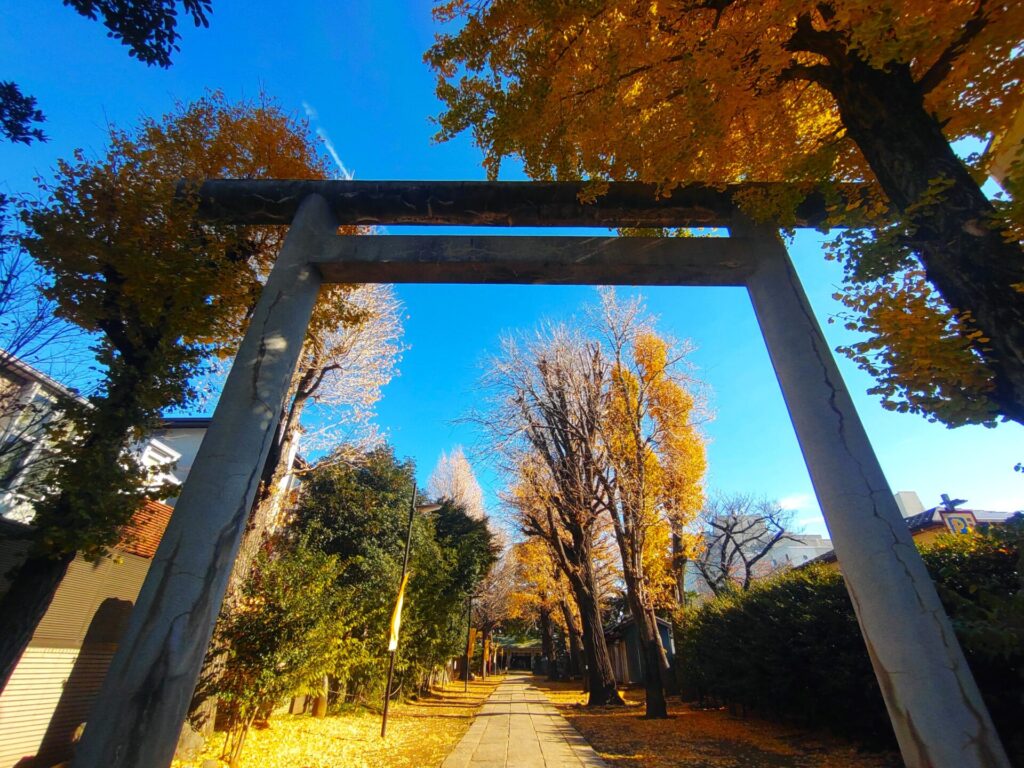
The ginkgo trees lining both sides of the worshippers’ path leading from the torii gate to the shrine are beautiful.
![DSC 3308 2 1024x767 - Komagome Tenso Shrine and Komagome Fuji Shrine [Tokyo]](https://japan-shrine.info/wp-content/uploads/DSC_3308-2-1024x767.jpg "Komagome Tenso Shrine and Komagome Fuji Shrine [Tokyo]")
Beyond the bustling ginkgo tree-lined avenue, a magnificent shrine dedicated to the sun goddess Amaterasu comes into view. Are the guardian dogs actually dogs…?
【Komagome Tenso Shrine worship hall】
![DSC 3301 2 1024x768 - Komagome Tenso Shrine and Komagome Fuji Shrine [Tokyo]](https://japan-shrine.info/wp-content/uploads/DSC_3301-2-1024x768.jpg "Komagome Tenso Shrine and Komagome Fuji Shrine [Tokyo]")
As the enshrined deity is Amaterasu Omikami, the shrine follows the Shinmei-zukuri style, tracing its lineage to Ise Grand Shrine. The current sacred trees stand on either side.
![DSC 0026 1600x1068 1 160x160 - Komagome Tenso Shrine and Komagome Fuji Shrine [Tokyo]](https://japan-shrine.info/wp-content/uploads/DSC_0026-1600x1068-1-160x160.jpg "Komagome Tenso Shrine and Komagome Fuji Shrine [Tokyo]") Jingu (Inner Shrine of Ise Jingu) [Mie]
Jingu (Inner Shrine of Ise Jingu) [Mie]
![DSC 3312 1024x768 - Komagome Tenso Shrine and Komagome Fuji Shrine [Tokyo]](https://japan-shrine.info/wp-content/uploads/DSC_3312-1024x768.jpg "Komagome Tenso Shrine and Komagome Fuji Shrine [Tokyo]")
The side streets also had beautiful autumn leaves.
【Komagome Tenso Shrine GOSHUIN】
![komagometenso GOSHUIN 729x1024 - Komagome Tenso Shrine and Komagome Fuji Shrine [Tokyo]](https://japan-shrine.info/wp-content/uploads/komagometenso-GOSHUIN-729x1024.jpg "Komagome Tenso Shrine and Komagome Fuji Shrine [Tokyo]")
Rarely for a goshuin, a sticker of the worship hall was affixed, and it seems they change it according to the season. In autumn, it featured a row of ginkgo trees.
【Kumagome Fuji Shrine Summary】
Komagome Fuji Shrine is located about a 5-minute walk from Komagome Tenzo Shrine. The exact year of its founding is unknown, but it began when Konohanasakuya-hime appeared in a dream to the village headman of Hongo Village in 1573 (Tenshō 1). He then enshrined the deity of Sengen Shrine on the site of present-day Tokyo University. It seems to have moved to its current location in 1628 (Kan’ei 5), after the Great Fire of Meireki.
![DSC 2768 1024x768 - Komagome Tenso Shrine and Komagome Fuji Shrine [Tokyo]](https://japan-shrine.info/wp-content/uploads/DSC_2768-1024x768.jpg "Komagome Tenso Shrine and Komagome Fuji Shrine [Tokyo]")
The enshrined deity is Princess Konohanasakuya. Princess Konohanasakuya is a goddess appearing in Japanese mythology, the granddaughter of Amaterasu Omikami and the wife of Prince Ninigi.
【Kumagome Fuji Shrine worshipper’s path】
![DSC 2773 1 1024x768 - Komagome Tenso Shrine and Komagome Fuji Shrine [Tokyo]](https://japan-shrine.info/wp-content/uploads/DSC_2773-1-1024x768.jpg "Komagome Tenso Shrine and Komagome Fuji Shrine [Tokyo]")
The worship hall stands atop a Fuji-zuka mound modeled after Mount Fuji, and it appears to have served as one of the centers of Fuji worship during the Edo period. It is also said to have originally been a keyhole-shaped burial mound, evoking the passage of time.
![DSC 2786 1024x768 - Komagome Tenso Shrine and Komagome Fuji Shrine [Tokyo]](https://japan-shrine.info/wp-content/uploads/DSC_2786-1024x768.jpg "Komagome Tenso Shrine and Komagome Fuji Shrine [Tokyo]")
Numerous stone monuments with red lettering catch the eye. These are monuments carved with the town fire brigade’s emblem (a symbol mark), dedicated by leaders such as the fire chief. It seems they were revered as part of the Fuji faith at the town fire station.
【Kumagome Fuji Shrine worship hall】
![DSC 2778 1024x768 - Komagome Tenso Shrine and Komagome Fuji Shrine [Tokyo]](https://japan-shrine.info/wp-content/uploads/DSC_2778-1024x768.jpg "Komagome Tenso Shrine and Komagome Fuji Shrine [Tokyo]")
The mountain itself is considered the main shrine, so the shrine building is quite small. It’s usually unattended and has a somewhat neglected feel, but it is well maintained. Goshuin are granted at Komagome Tenzo Shrine.
【Kumagome Fuji Shrine GOSHUIN】
![komagomefuji GOSHUIN 762x1024 - Komagome Tenso Shrine and Komagome Fuji Shrine [Tokyo]](https://japan-shrine.info/wp-content/uploads/komagomefuji-GOSHUIN-762x1024.jpg "Komagome Tenso Shrine and Komagome Fuji Shrine [Tokyo]")
【Komagome Tenso Shrine Nearby attractions (within a 30-minute walk) 】
Kichijoji, Rikugien Garden, Hakusan Shrine, Nezu Shrine
![DSC 0247 1 520x300 - Komagome Tenso Shrine and Komagome Fuji Shrine [Tokyo]](https://japan-shrine.info/wp-content/uploads/DSC_0247-1-520x300.jpg "Komagome Tenso Shrine and Komagome Fuji Shrine [Tokyo]")
![DSC 1374 520x300 - Komagome Tenso Shrine and Komagome Fuji Shrine [Tokyo]](https://japan-shrine.info/wp-content/uploads/DSC_1374-520x300.jpg "Komagome Tenso Shrine and Komagome Fuji Shrine [Tokyo]")
【Komagome Tenso Shrine Access】
Manager’s Comments
I enjoy visiting shrines I’ve never been to before without any prior information, soaking in the atmosphere. Afterward, I looked up Tenso Shrine and learned it was founded by Minamoto no Yoritomo. Coincidentally, before visiting this shrine, I had already visited Tsurugaoka Hachimangu Shrine with my wife for a separate matter. I visited alone in summer and returned with my wife in autumn for a gratitude visit. Despite being in the city center, it’s a lovely place where the trees provide a refreshing oasis. I recommend stopping by Fuji Shrine first before coming here.
![735701038e087b4ede45b983ba96ca46 - Komagome Tenso Shrine and Komagome Fuji Shrine [Tokyo]](https://japan-shrine.info/wp-content/uploads/sng/735701038e087b4ede45b983ba96ca46.jpg "Komagome Tenso Shrine and Komagome Fuji Shrine [Tokyo]")
![DSC 3013 150x150 - Komagome Tenso Shrine and Komagome Fuji Shrine [Tokyo]](https://japan-shrine.info/wp-content/uploads/DSC_3013-150x150.jpg "Komagome Tenso Shrine and Komagome Fuji Shrine [Tokyo]")
![DSC 2205 2 150x150 - Komagome Tenso Shrine and Komagome Fuji Shrine [Tokyo]](https://japan-shrine.info/wp-content/uploads/DSC_2205-2-150x150.jpg "Komagome Tenso Shrine and Komagome Fuji Shrine [Tokyo]")
![DSC 3156 150x150 - Komagome Tenso Shrine and Komagome Fuji Shrine [Tokyo]](https://japan-shrine.info/wp-content/uploads/DSC_3156-150x150.jpg "Komagome Tenso Shrine and Komagome Fuji Shrine [Tokyo]")
![DSC 3267 150x150 - Komagome Tenso Shrine and Komagome Fuji Shrine [Tokyo]](https://japan-shrine.info/wp-content/uploads/DSC_3267-150x150.jpg "Komagome Tenso Shrine and Komagome Fuji Shrine [Tokyo]")