 Kanata's Japan Shrine Guide
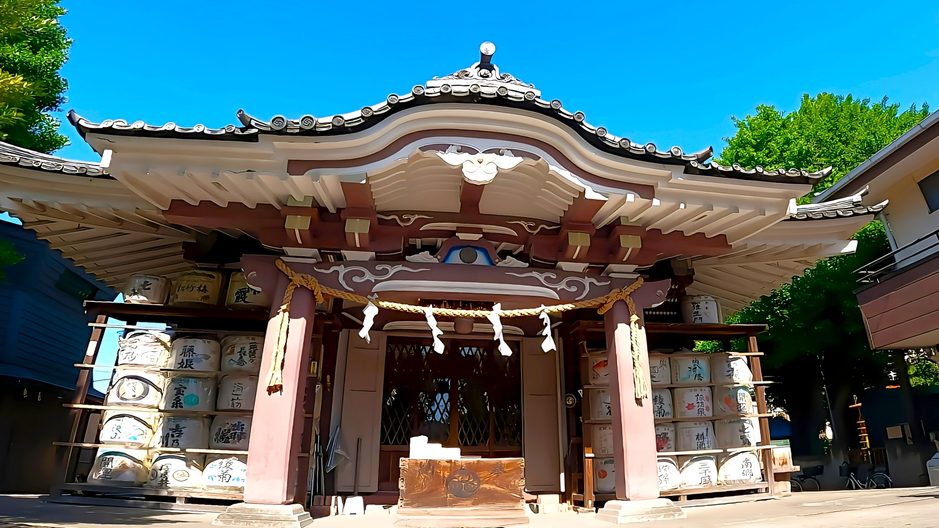

【Overview & History of Wakamiya Hachimangu Shrine】
Located right in front of Kawasaki-Daishi Station in Kawasaki Ward, Kawasaki City, Kanagawa Prefecture, Wakamiya Hachimangu Shrine (Wakamiya Hachimangu) is a beloved local power spot in Kawasaki. Within its grounds stand several sub-shrines, led by Kanayama Shrine (Kanamara-sama), which enshrines deities of mining and blacksmithing and boasts worldwide fame for blessings of conception, safe childbirth, marital harmony, and business prosperity, alongside Fujimori Inari Shrine and Oyama Afuri Shrine.
【History & Origins】An Ancient Shrine in Kawasaki Founded When Kanenori Hirama Consecrated Hachiman Okami During the Daiji Era
The earliest written record of Wakamiya Hachimangu Shrine’s founding appears in the Odawara-shu Shoryo Yakucho (1559), a land survey register compiled between the Eisho and Koji eras (1520–1555), which lists “Three Koku of Red-Seal Shrine Land” (Shuin-chi San-koku), indicating that its origins trace back even further.
At that time, parishioners (ujiko) of “Rokugo Shrine” in Yahatazuka, Musashi Province (present-day Higashi-Rokugo, Ota Ward, Tokyo)—located just across the Tama River (Rokugo River)—crossed the river to settle and reclaim the land of Daishigawara. Upon settling, they consecrated “Emperor Nintoku (Wakamiya),” the son of Rokugo Shrine’s enshrined deity (Emperor Ojin), as the overall guardian deity of the newly developed land. Because Emperor Nintoku was renowned for accomplishing major flood control projects on the Yodo River, settlers struggling against frequent flooding from the Tama River deeply revered him as a deity of flood protection and project success.
 六郷神社【東京都】
Since its founding, the shrine served as the guardian shrine (chinju-sha) affiliated with Kawasaki Daishi (Heiken-ji Temple), maintaining deep historical ties watching over the region as one unified entity until the Meiji-era separation of Shinto and Buddhism (Shinbutsu-bunri).
 Kawasaki Daishi Heiken-ji Temple [Kanagawa]
When the Kawasaki-juku post town on the Tokaido road was established in 1601 (Keicho 6) and surrounding land development progressed further, Wakamiya Hachimangu was designated as the overall guardian deity of the entire “Daishigawara Village” spreading east of the post town. During the Taisho era, alongside the expansion of the Keikyu Electric Railway station and tracks, “Kanayama Shrine”—formerly located near present-day Kawasaki-Daishi Station—was relocated onto the grounds of Wakamiya Hachimangu.
Through this history, Wakamiya Hachimangu became a unique sanctuary weaving together two parallel histories: that of “Wakamiya-sama watching over the reclamation of Daishigawara and the healthy growth of children,” and that of “the guardian deity protecting metalworking and health in the manufacturing city of Kawasaki.” Although the grounds suffered severe damage during the Kawasaki Air Raids of 1945 (Showa 20), the shrine achieved a splendid restoration through the passionate devotion and efforts of local residents, carrying its legacy into the present day.
【Enshrined Deities & Divine Blessings】Virtues of Household Safety, Good Fortune, and Matchmaking Granted by Emperor Nintoku and Other Deities
The primary enshrined deity is the 16th Emperor, Emperor Nintoku (Nintoku Tenno).
- Child-Rearing & Children’s Healthy Growth: Both as a child deity (Wakamiya) and for his benevolent heart that loved his subjects as his own children, he possesses strong power to watch over children’s health and growth.
- Household Safety & Peaceful Longevity: Having built a society where every family could live securely without ever lacking food, he safeguards family harmony and stability in daily life.
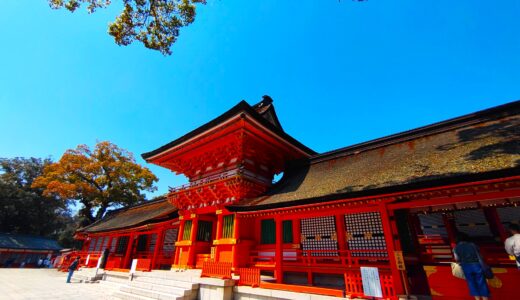
At Usa Jingu (Oita Prefecture), the head shrine of all Hachimangu shrines, the primary deity “Hachiman Okami” is the 15th Emperor Ojin. Meanwhile, in Shinto, the word “Wakamiya” (“Young Shrine”) signifies “the child deity of the main shrine.” Because Emperor Nintoku (the 16th Emperor) is the son (Wakamiya) of Emperor Ojin, most shrines in the Hachiman faith lineage bearing the name “Wakamiya Hachiman” enshrine the son, Emperor Nintoku, as their primary deity rather than his father, Emperor Ojin.
【Highlights & Recommended Worship Route of Wakamiya Hachimangu Shrine】
【Approach Path】A Quiet Pathway Inviting You Under the Torii Gate into the Shrine Grounds
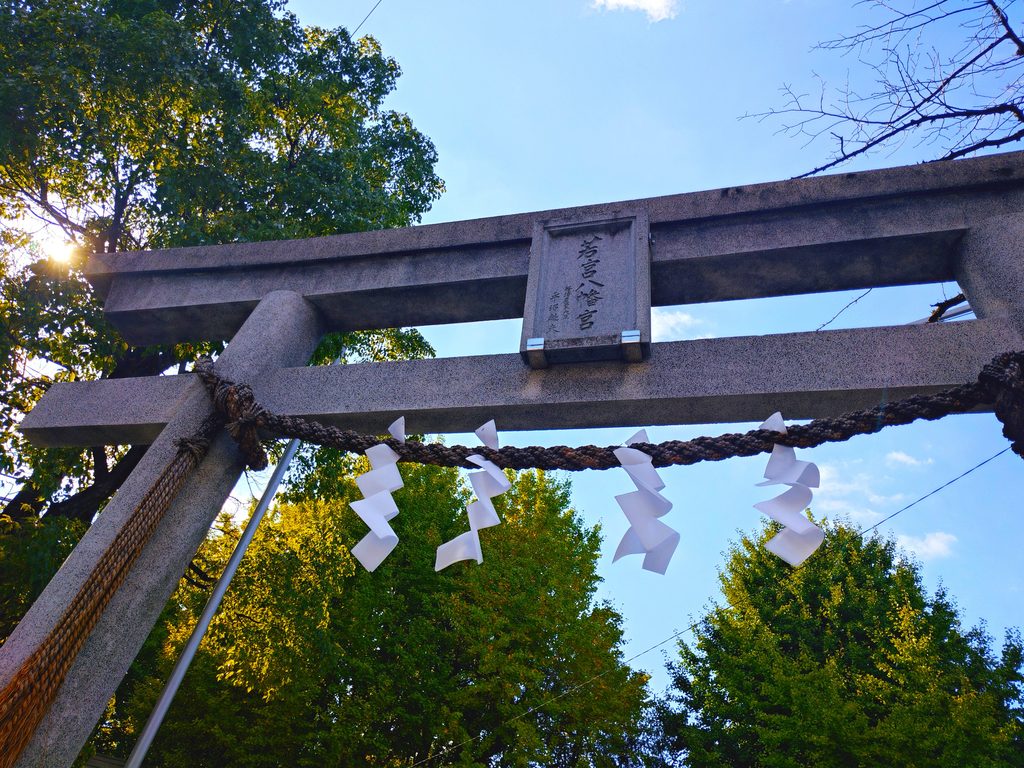
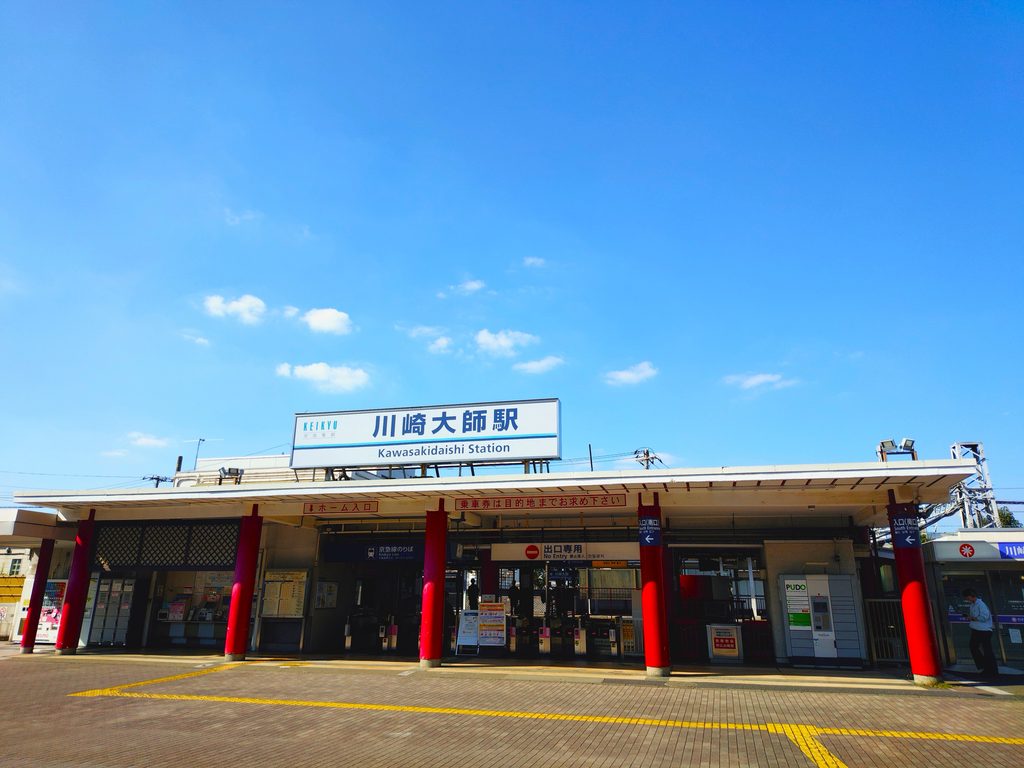
Just a short walk from the South Exit of Kawasaki-Daishi Station stands the Torii gate marking the main approach (Omotesando) of Wakamiya Hachimangu Shrine. Passing beneath the Torii gate reveals a straight, serene approach path.
【Shrine Halls】A Dignified Worship Hall Gathering Devotion from Local Residents
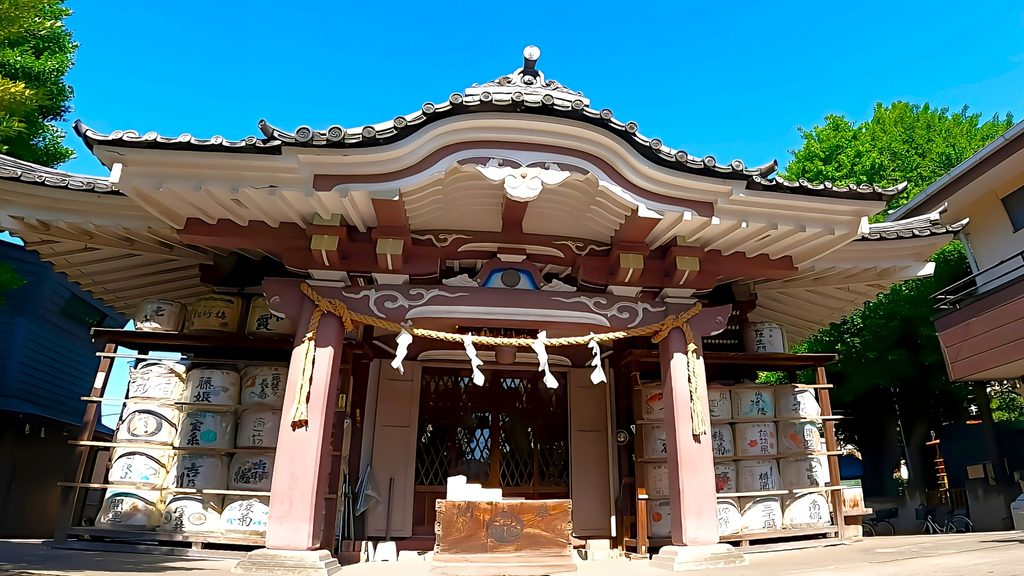
The current shrine hall was constructed in 1964 (Showa 39). A notable architectural feature is its adoption of the “Hachiman-zukuri” style, regarded as one of the most prestigious and dignified styles in traditional Japanese shrine architecture.
【Sub-shrine Kanayama Shrine】A Shrine Enshrining Deities of Blacksmithing and Known for Unique Festivals
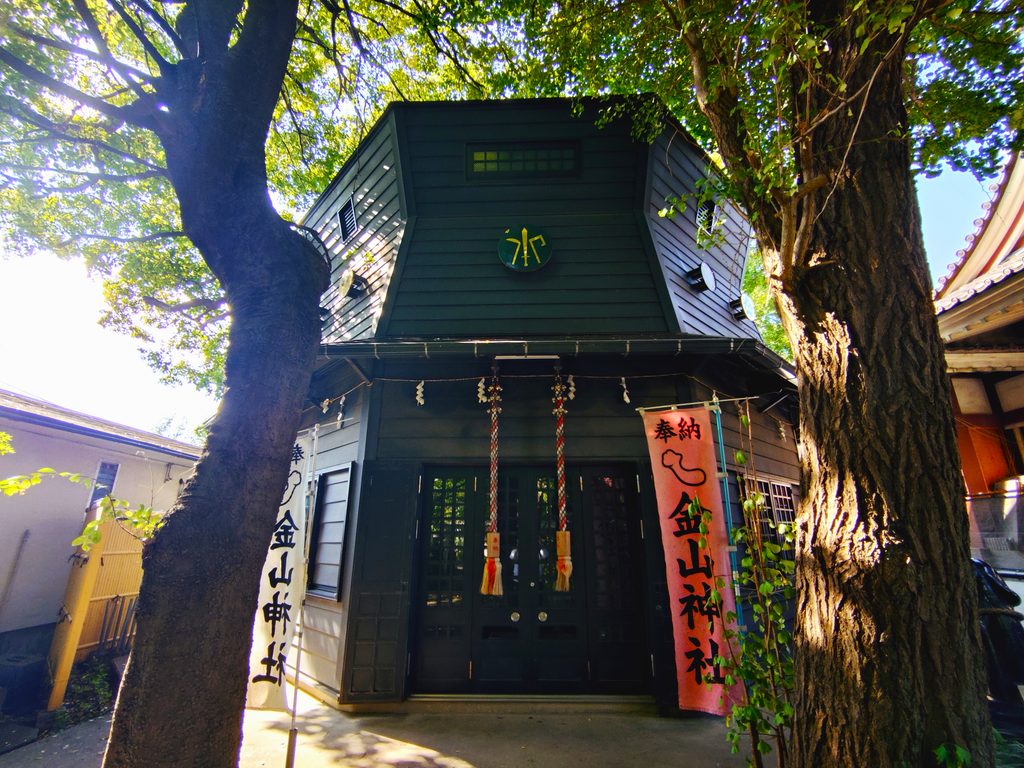
Standing in the rear-left section of Wakamiya Hachimangu’s grounds, the hall of Kanayama Shrine (Kanayama Jinja) features a modern, avant-garde exterior that at first glance barely looks like a traditional shrine. Rebuilt in 1999 (Heisei 11), its most striking visual characteristic is that the entire shrine building is unified in solid black to symbolize “iron.”
The enshrined deities are two gods: Kanayamahiko-no-kami and Kanayamahime-no-kami.
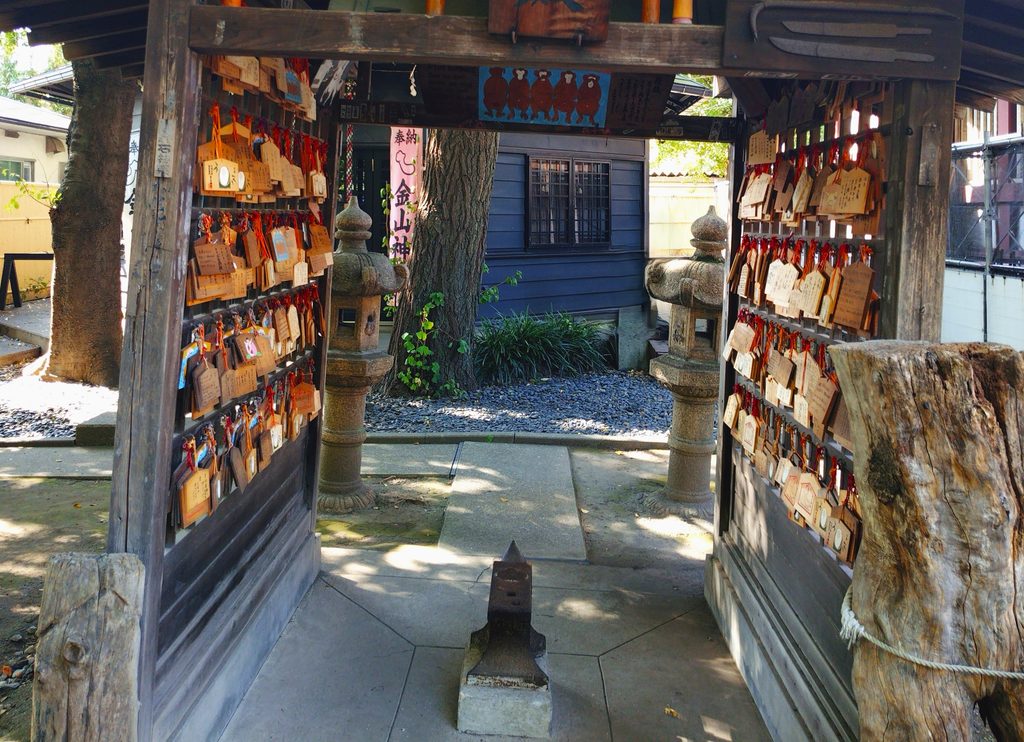
While they are deities of mining and metalworking, their nature of “forging something new out of nothing (ironmaking and blacksmithing)” became associated with the creation of new life. Since ancient times, they have been worshipped nationwide as compassionate deities who aid those struggling with infertility, lower-body ailments, and childbirth. Inside the votive tablet pavilion (ema-den) in front of the hall, a traditional blacksmith’s workshop is recreated.
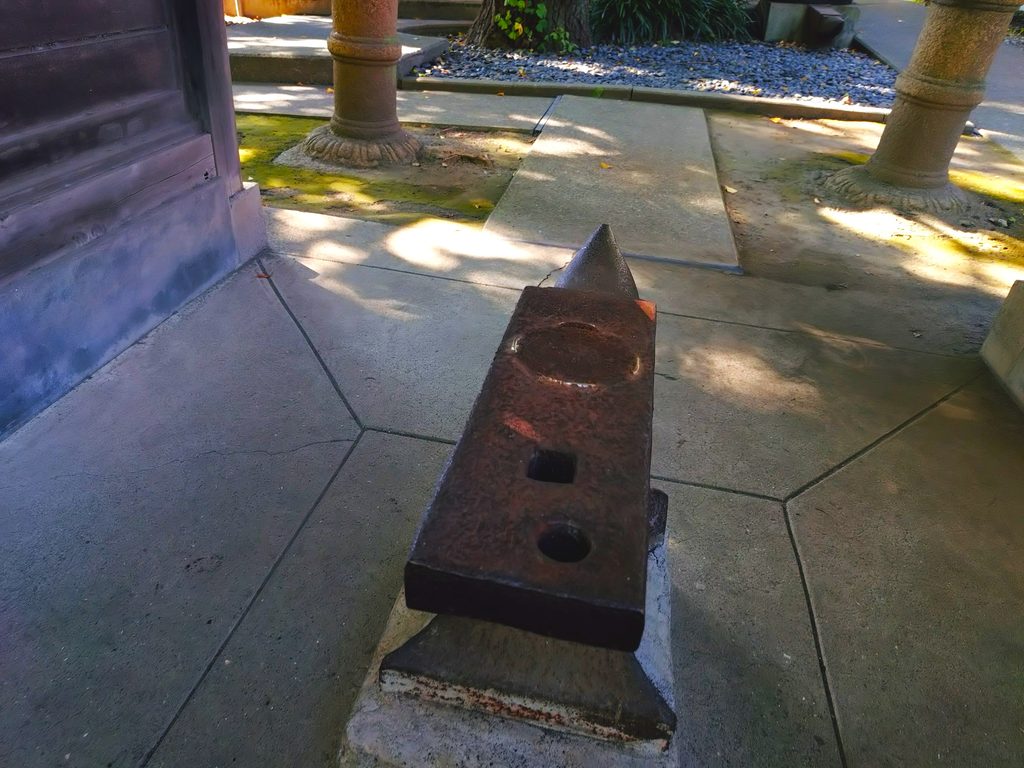
An anvil (kanatoko) is placed right in front of the shrine hall, signifying that this is a “sacred sanctuary for metalworking artisans.”
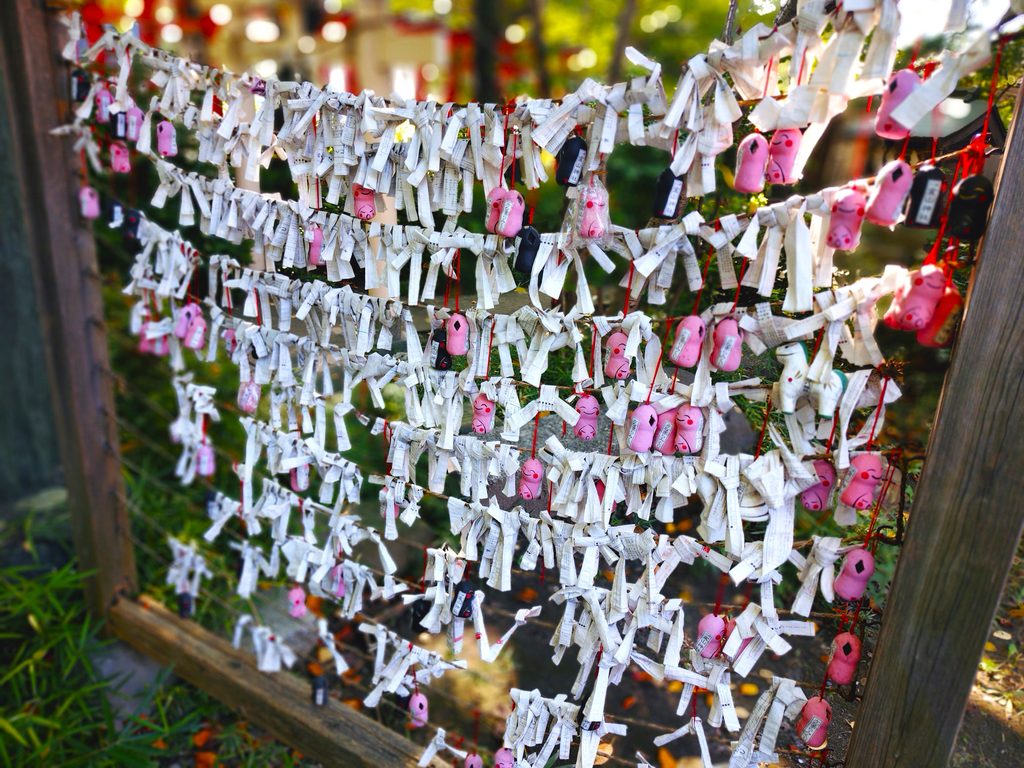
Within the grounds of Kanayama Shrine, visitors will notice uniquely shaped stone monuments and votive offerings symbolizing the birth of life and ancestral prosperity. Though very distinctive in design at first glance, they are far from frivolous—they preserve an open-hearted folk faith passed down among artisans across Japan since ancient times, equating “the power to forge new iron” with “the power to bring forth new life.” Since photographs are not posted on this page, those wishing to see them are invited to visit and witness them in person.
【Fujimori Inari Shrine & Otori Shrine】Historic Sub-shrines Praying for Business Prosperity and Good Fortune
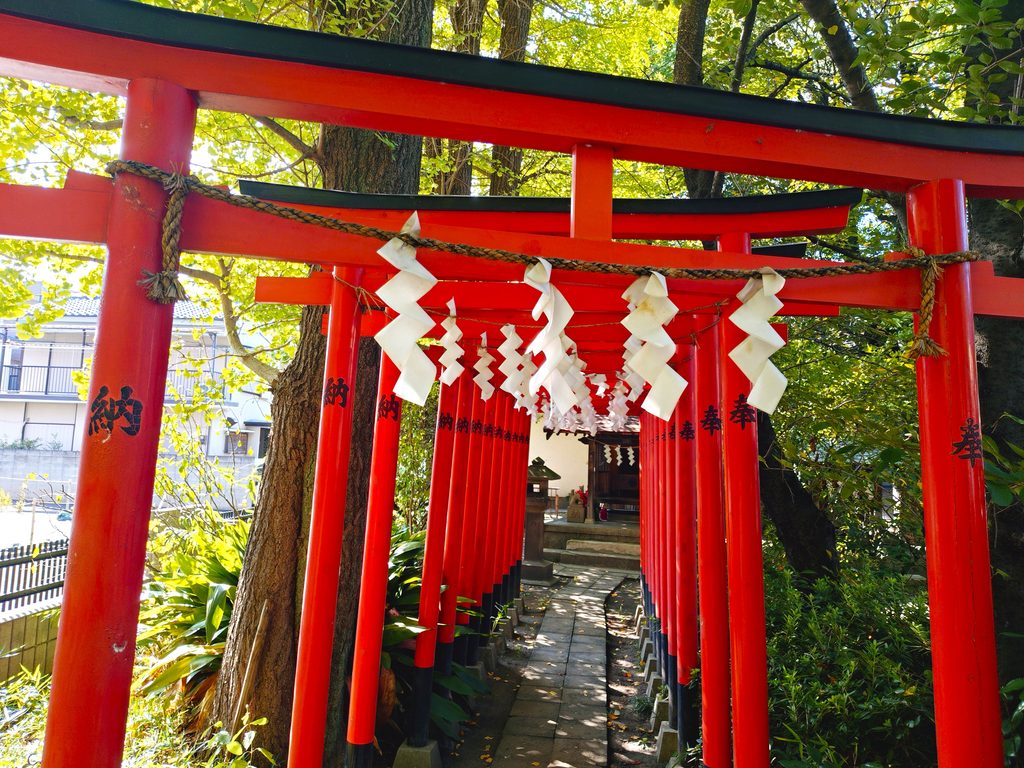
Although not on the vast scale of Kyoto’s Fushimi Inari Taisha, a row of vibrant vermilion Torii gates stands tightly lined along the southern approach path, leading through a tunnel to the hall of Fujimori Inari Shrine.
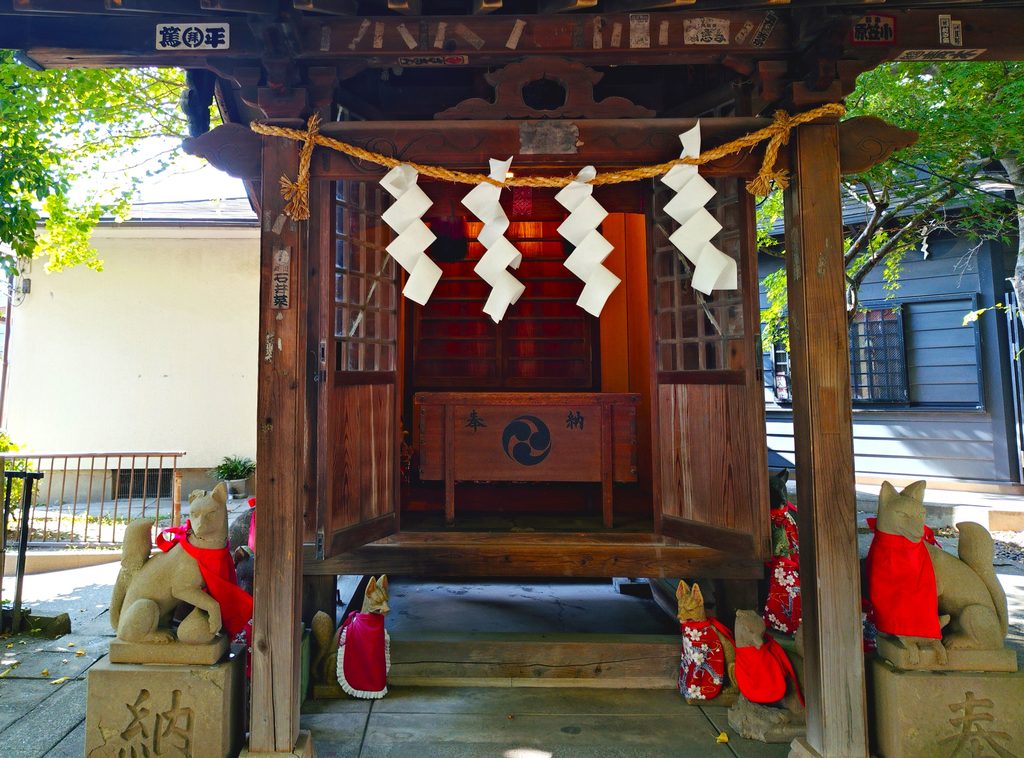
Originally, Fujimori Inari Shrine (Fujimori Inari Jinja) was not located inside Wakamiya Hachimangu’s grounds, but was enshrined near “Myocho-ji Temple” close to present-day Kawasaki-Daishi Station. Because large wisteria trees (fuji) once flourished densely on its grounds, it gradually came to be called “Fujimori Inari” (Wisteria Forest Inari). Later, through local historical developments, it was relocated (senza) onto the grounds of Wakamiya Hachimangu—the overall guardian shrine of Daishigawara—and has been carefully worshipped as a sub-shrine ever since.
The enshrined deity is Ukanomitama-no-kami.
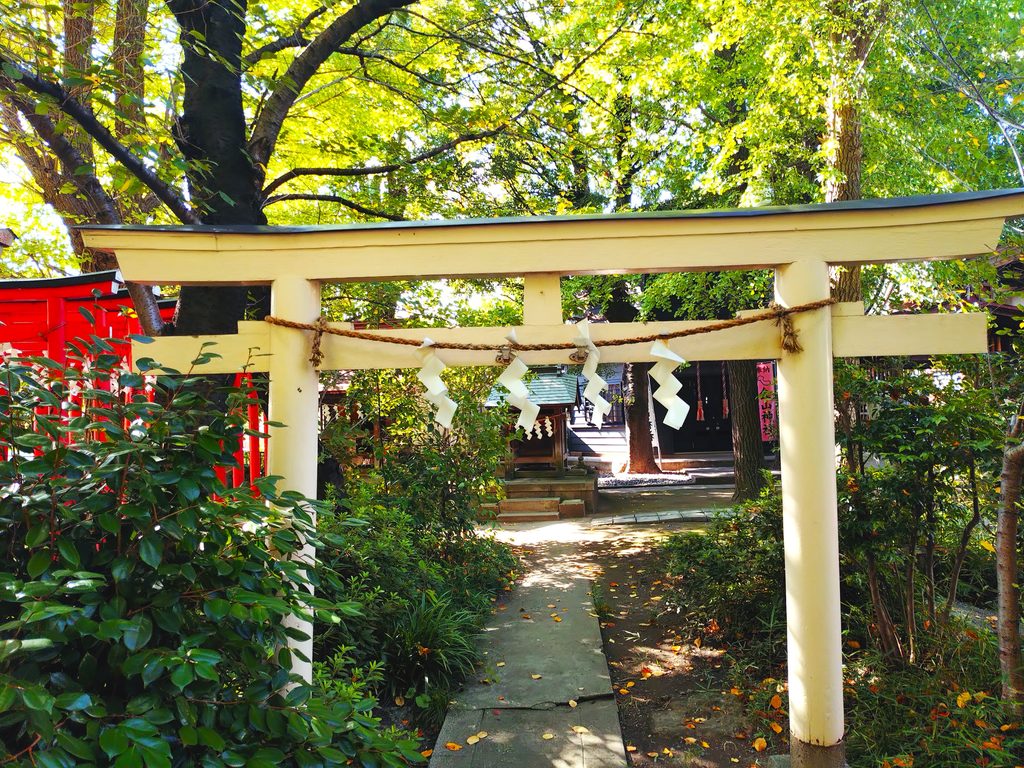
Among local merchants and business owners, a strong desire arose to “enshrine an even more powerful deity of business prosperity and good fortune,” leading them to welcome (kanjo) the Tori-no-Ichi (Rooster Fair) faith—which was immensely popular in Edo—by enshrining Otori Shrine. Located on the right side of the approach continuing from Fujimori Inari Shrine, a stone monument inscribed with “Otori Shrine” and a slender white Torii gate welcome worshipers.
In contrast to the “red (vermilion) tunnel” of Fujimori Inari Shrine immediately to its left, the celebratory red-and-white (kohaku) contrast created by this white Torii gate is strikingly beautiful.
The enshrined deity is Yamatotakeru-no-mikoto.
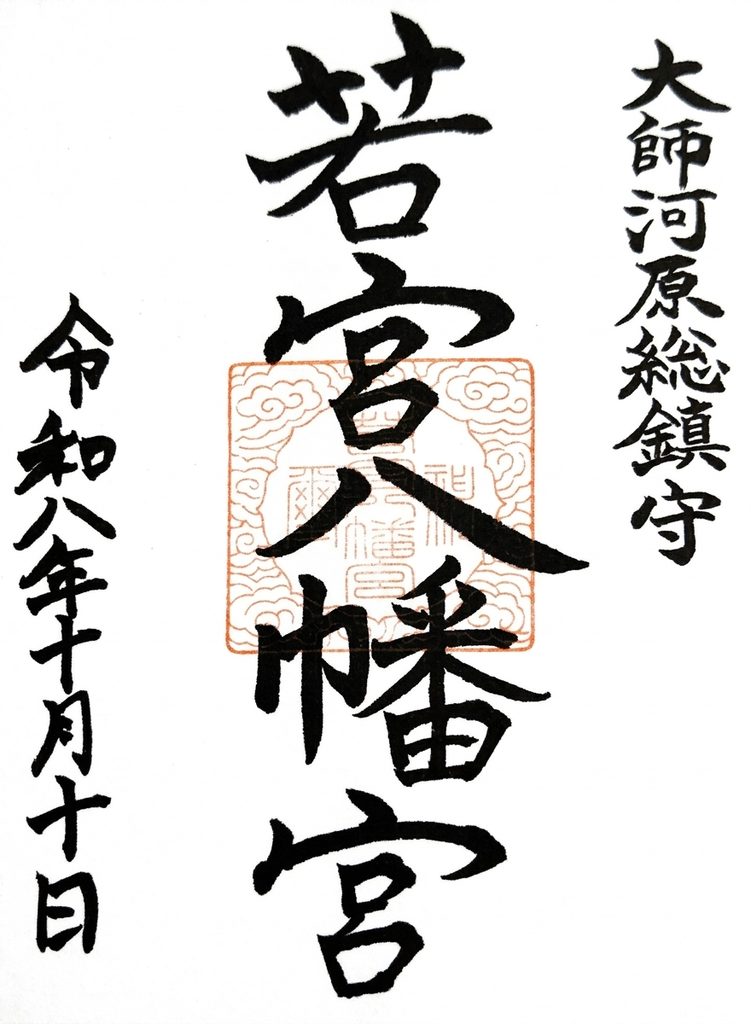
【Wakamiya Hachimangu Shrine Goshuin】
【Wakamiya Hachimangu Shrine On-Site Visit Report & Original Evaluation】
若宮八幡宮 現地レビュー・評価スコア
| 評価項目 | スコア | 特徴・ワンポイント |
|---|---|---|
| アクセス | (5.0) | 京急大師線「川崎大師駅」南口より徒歩約1分。駅改札を出てすぐの場所に位置する抜群の好立地 |
| 歴史・由緒 | (4.0) | 多摩川治水と川崎宿開拓の守護神。徳川第11代将軍家斉公の御参詣や「かなまら祭」で世界的に知られる古社 |
| 御朱印種類 | (4.0) | 本社の通常朱印に加え、境内社「金山神社」「大山阿夫利神社」や季節限定朱印、かなまら祭限定朱印など多彩に揃う |
| 静けさ | (4.0) | 駅至近かつ川崎大師に隣接しているが、祭礼時を除き平時は清々しく穏やかな静寂が保たれている参拝環境 |
| 自然・景観 | (3.0) | 手入れの行き届いた鳥居・社殿と緑豊かな境内に加え、郷土ゆかりの句碑・記念碑が佇む清々しい街中景観 |
| 規模 | (3.0) | 朱塗りの社殿、金山神社・藤森稲荷神社などの境内社、神楽殿、石碑が整然と立ち並ぶ街の鎮守の境域 |
【On-Site Report | Personal Impressions and Atmosphere】
Wakamiya Hachimangu Shrine was a place where the “gentleness” of praying for children’s growth and family harmony coexists in remarkable balance with the “strength” of the metalworking deities who supported Japanese craftsmanship.
Since it is located right next to Kawasaki Daishi, after completing a solemn visit to the Daishi temple, be sure to extend your walk to this space woven from downtown warmth and modern history. As a parent with children, I find myself personally wondering how the staff explain those statues symbolizing ancestral prosperity, given that the shrine also operates an adjacent nursery school…
【Nearby Sightseeing Spots to Visit Together】
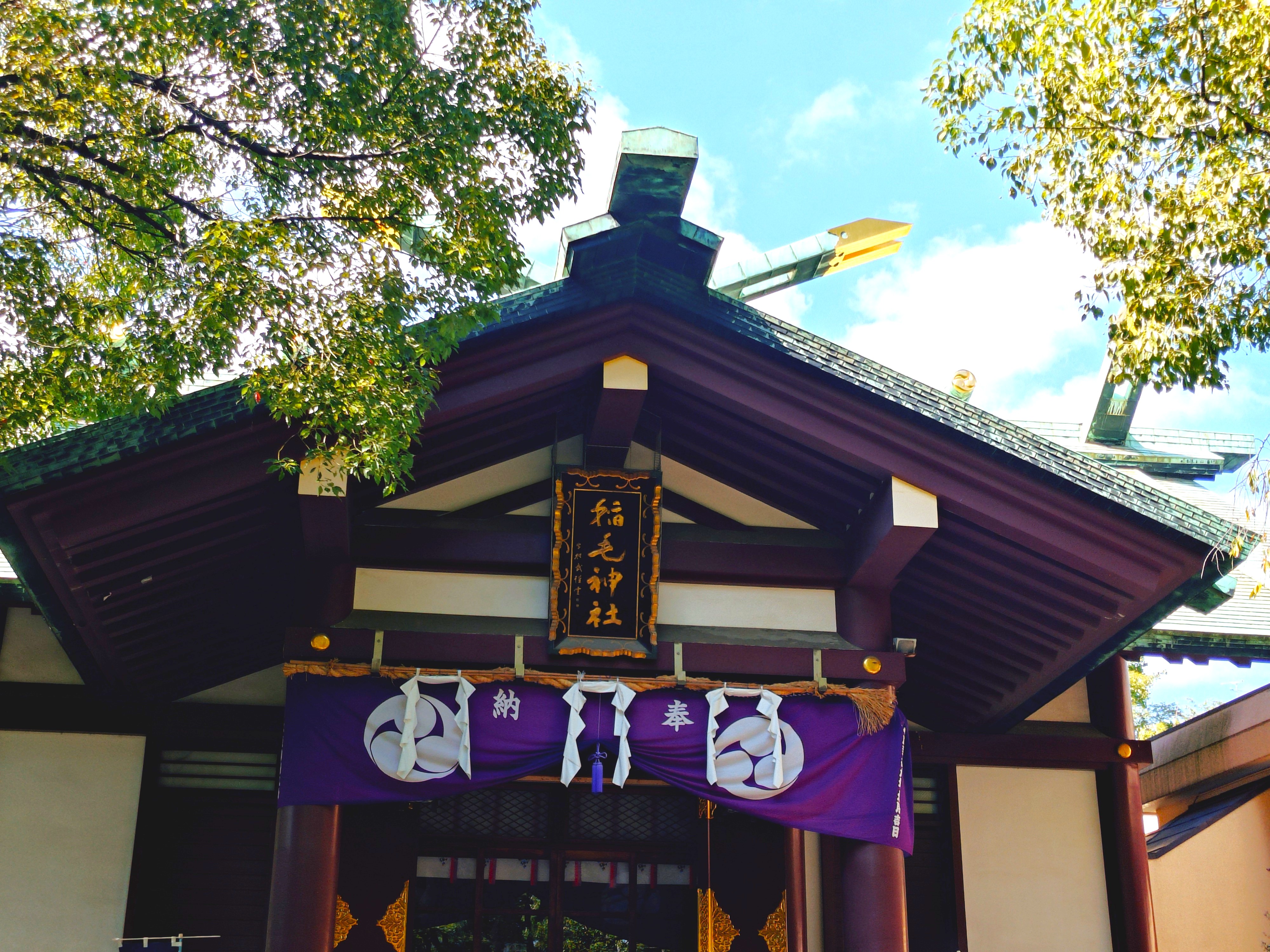
Kawasaki Daishi Heiken-ji Temple, Inage Shrine, Rokugo Shrine
【Basic Information & Access】
【Access by Train / Car and Parking】
*Free parking available.
【Address & Official Website】
2-13-16 Daishi-Ekimae, Kawasaki Ward, Kawasaki City, Kanagawa Prefecture 210-0802
