 Kanata's Japan Shrine Guide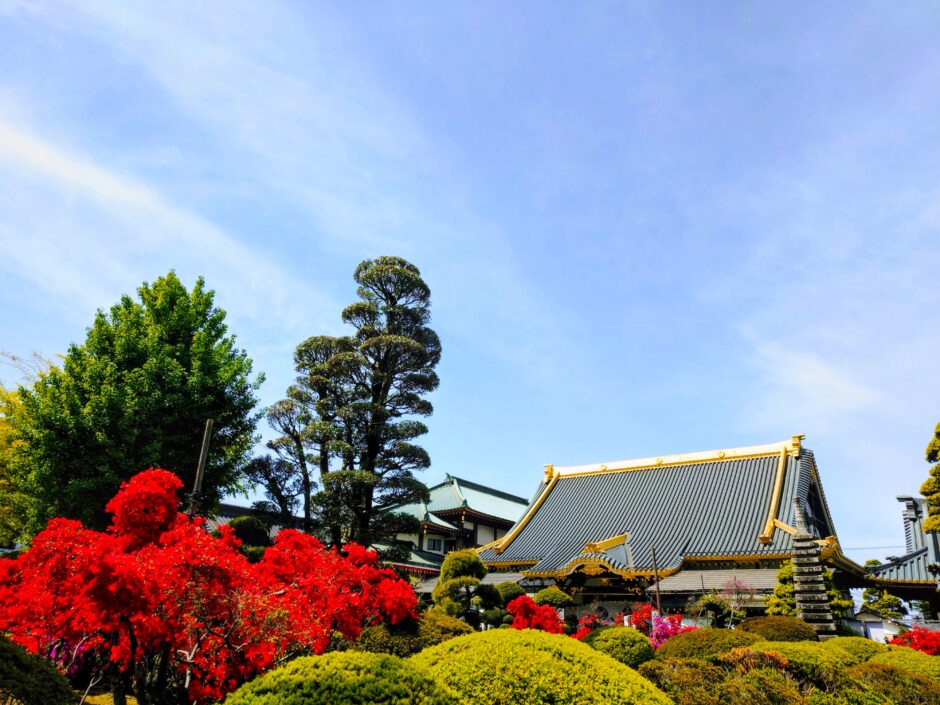

目次
- 【Overview of Sano Yakuyoke Daishi】
- 【Sano Yakuyoke Daishi: Daishi-do Hall】
- 【Sano Yakuyoke Daishi: Reisui Kannon】
- 【Sano Yakuyoke Daishi: Great Bronze Bell (Kondo Dai-bonsho)】
- 【Sano Yakuyoke Daishi: Grave of Tanaka Shozo】
- 【Sano Yakuyoke Daishi: Pagoda】
- 【Sano City Tourist & Souvenir Center】
- 【Sano Yakuyoke Daishi Tourist Spots Nearby】
- 【Sano Yakuyoke Daishi: Access】
- Admin’s Impressions
- Address of Sano Yakuyoke Daishi
- Official Website of Sano Yakuyoke Daishi
【Overview of Sano Yakuyoke Daishi】
Sano Yakuyoke Daishi (officially known as Sohu-ji Temple) is said to have been founded in 944 by Fujiwara no Hidesato. Following his suppression of the rebellion by Taira no Masakado, Hidesato established the temple to offer thanks for his victory and to pray for the soul of his fallen rival. Though it temporarily declined during the wars of the late Heian period, it was revived in 1297 by the monk Shunkai from Mt. Hiei. Later, when the local lord Sano Nobuyoshi moved his residence from Karasawa Castle to Kasugaoka (founding Sano Castle), he relocated the temple to its current site.
While it was originally a private temple for the Fujiwara clan, its reputation for warding off evil—attributed to the enshrined deity Ganzan Daishi (Ryogen)—spread among the common people during the Edo period. Today, it is widely beloved by its popular name, “Sano Yakuyoke Daishi.”
The temple enshrines Jie Daishi Ryogen, better known as Ganzan Daishi.
![DSC 2376 2 520x300 - Sano Yakuyoke Daishi [Tochigi]](https://japan-shrine.info/wp-content/uploads/DSC_2376-2-520x300.jpg "Sano Yakuyoke Daishi [Tochigi]")
【Sano Yakuyoke Daishi: Daishi-do Hall】
The current Daishi-do (Main Hall) was reconstructed in 1830. As the nearby Kasugaokayama Toshogu Shrine was completed in 1828, it is likely that large-scale construction was carried out across the entire precinct during this period.
![20260419 100550511 2 1024x768 - Sano Yakuyoke Daishi [Tochigi]](https://japan-shrine.info/wp-content/uploads/20260419_100550511-2-1024x768.jpg "Sano Yakuyoke Daishi [Tochigi]")
Inside the hall, Goma fire rituals (prayers involving sacred flames and rhythmic drumming) are frequently performed; the solemn sound of the drums and the heat of the fire can be felt even from outside.
【Sano Yakuyoke Daishi: Reisui Kannon】
![20260419 1006476112 1024x768 - Sano Yakuyoke Daishi [Tochigi]](https://japan-shrine.info/wp-content/uploads/20260419_1006476112-1024x768.jpg "Sano Yakuyoke Daishi [Tochigi]")
The Reisui Kannon is a bodhisattva said to save people from the “ocean of life and death” and grant them the strength to live. In January 2012, the statue was stolen from the temple grounds. However, about a month and a half later, on a rainy day, it was mysteriously found placed in the temple parking lot. This miraculous return has led the statue to be widely known as the “Miracle Kannon.”
【Sano Yakuyoke Daishi: Great Bronze Bell (Kondo Dai-bonsho)】
Weighing approximately two tons, this is an exceptionally large bronze bell that radiates a beautiful, golden luster. It was crafted by Masahiko Katori, an artisan designated as a Living National Treasure in the field of metal casting.
![20260419 1012215012 1024x768 - Sano Yakuyoke Daishi [Tochigi]](https://japan-shrine.info/wp-content/uploads/20260419_1012215012-1024x768.jpg "Sano Yakuyoke Daishi [Tochigi]")
Katori is a world-renowned master who also created the “Peace Bell” in Hiroshima Peace Memorial Park.
【Sano Yakuyoke Daishi: Grave of Tanaka Shozo】
The temple grounds house the grave of Tanaka Shozo, who dedicated his life to the Ashio Copper Mine Poisoning Case, considered the origin of Japan’s environmental pollution issues.
![20260419 100923451 1024x768 - Sano Yakuyoke Daishi [Tochigi]](https://japan-shrine.info/wp-content/uploads/20260419_100923451-1024x768.jpg "Sano Yakuyoke Daishi [Tochigi]")
Sano City was Shozo’s hometown, and this temple was a place where he once studied and used as a base for his activities. When he passed away in 1913, so many people wished to bury him in their own towns that his remains were divided among six different locations.
【Sano Yakuyoke Daishi: Pagoda】
![20260419 100749629 1024x769 - Sano Yakuyoke Daishi [Tochigi]](https://japan-shrine.info/wp-content/uploads/20260419_100749629-1024x769.jpg "Sano Yakuyoke Daishi [Tochigi]")
The Pagoda Memorial Tower on the grounds has a unique shape reminiscent of Buddhist stupas in India or Myanmar. It was built with the prayer for “all souls to meet in the pure land,” serving as a memorial for war victims, disaster victims, and the spirits of unborn children.
【Sano City Tourist & Souvenir Center】
Located directly in front of the temple, this center boasts one of the largest selections of souvenirs in Sano City.
![20260419 102347595 1024x768 - Sano Yakuyoke Daishi [Tochigi]](https://japan-shrine.info/wp-content/uploads/20260419_102347595-1024x768.jpg "Sano Yakuyoke Daishi [Tochigi]")
With approximately 3,000 local items, it’s a perfect stop after your visit.The local strawberries, in particular, were affordable and delicious.
![20260419 101900794 1024x768 - Sano Yakuyoke Daishi [Tochigi]](https://japan-shrine.info/wp-content/uploads/20260419_101900794-1024x768.jpg "Sano Yakuyoke Daishi [Tochigi]")
【Sano Yakuyoke Daishi Tourist Spots Nearby】
Sano City Tourism and Products Hall, Kasuga Okayama Toshogu Shrine, Asahimori Tenmangu Shrine, Karasawa-yama Shrine
![20260419 100131936 520x300 - Sano Yakuyoke Daishi [Tochigi]](https://japan-shrine.info/wp-content/uploads/20260419_100131936-520x300.jpg "Sano Yakuyoke Daishi [Tochigi]")
![20260419 0923001232 520x300 - Sano Yakuyoke Daishi [Tochigi]](https://japan-shrine.info/wp-content/uploads/20260419_0923001232-520x300.jpg "Sano Yakuyoke Daishi [Tochigi]")
![20260419 1059315392 520x300 - Sano Yakuyoke Daishi [Tochigi]](https://japan-shrine.info/wp-content/uploads/20260419_1059315392-520x300.jpg "Sano Yakuyoke Daishi [Tochigi]")
【Sano Yakuyoke Daishi: Access】
Admin’s Impressions
While the grounds are not massive, there are many sights to see. The temple frequently performs powerful prayer rituals, and the atmosphere filled with the sound of drums and the smoke of Goma fire felt as though it was truly driving away bad luck. The nearby Tourist & Souvenir Center is more than just a shop; it offers great support for tourists, so I highly recommend stopping by.
![73f39b989dba5d58f61afef7d4f276d8 - Sano Yakuyoke Daishi [Tochigi]](https://japan-shrine.info/wp-content/uploads/sng/73f39b989dba5d58f61afef7d4f276d8.jpg "Sano Yakuyoke Daishi [Tochigi]")