 Kanata's Japan Shrine Guide

目次
- 【Overview & History of Kasugaokayama Toshogu Shrine (Sano Toshogu)】
- 【Highlights & Recommended Worship Route of Kasugaokayama Toshogu Shrine (Sano Toshogu)】
- 【Kasugaokayama Toshogu Shrine On-Site Visit Report & Original Evaluation】
- 【Nearby Sightseeing Spots to Visit Together】
- 【Basic Information & Access】
【Overview & History of Kasugaokayama Toshogu Shrine (Sano Toshogu)】
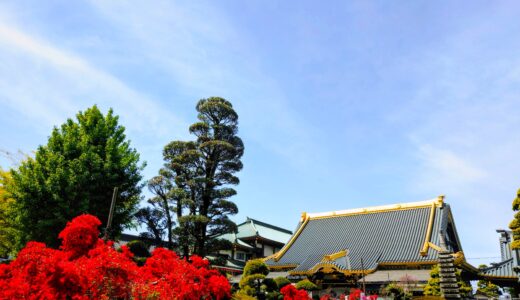
Located in Sano City, Tochigi Prefecture, Kasugaokayama Toshogu Shrine sits within the precincts of “Sano Yakuyoke Daishi” (Kasugaokayama Soshu-ji Temple), nationally famous as one of the “Three Great Daishi Temples of Kanto.” Preserving the historic presence of traditional Toshogu shrine architecture, it is a spot where visitors can experience history tied to Tokugawa Ieyasu alongside their worship at Sano Yakuyoke Daishi.
【History & Origins】A Historic Toshogu Shrine Enshrined on the Former Site of Sano Castle (Kasugaokayama) Dedicated to Tokugawa Ieyasu
Kasugaokayama Toshogu Shrine (Kasugaokayama Toshogu) is a Shinto shrine enshrined within the grounds of Soshu-ji Temple—an ancient Tendai Sect temple renowned under the popular name “Sano Yakuyoke Daishi” in Sano City, Tochigi Prefecture. It was founded around 1617 (Genna 3).
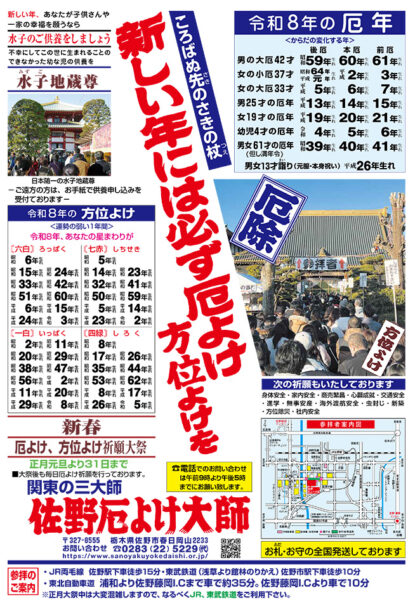
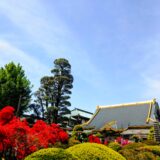 Sano Yakuyoke Daishi [Tochigi]
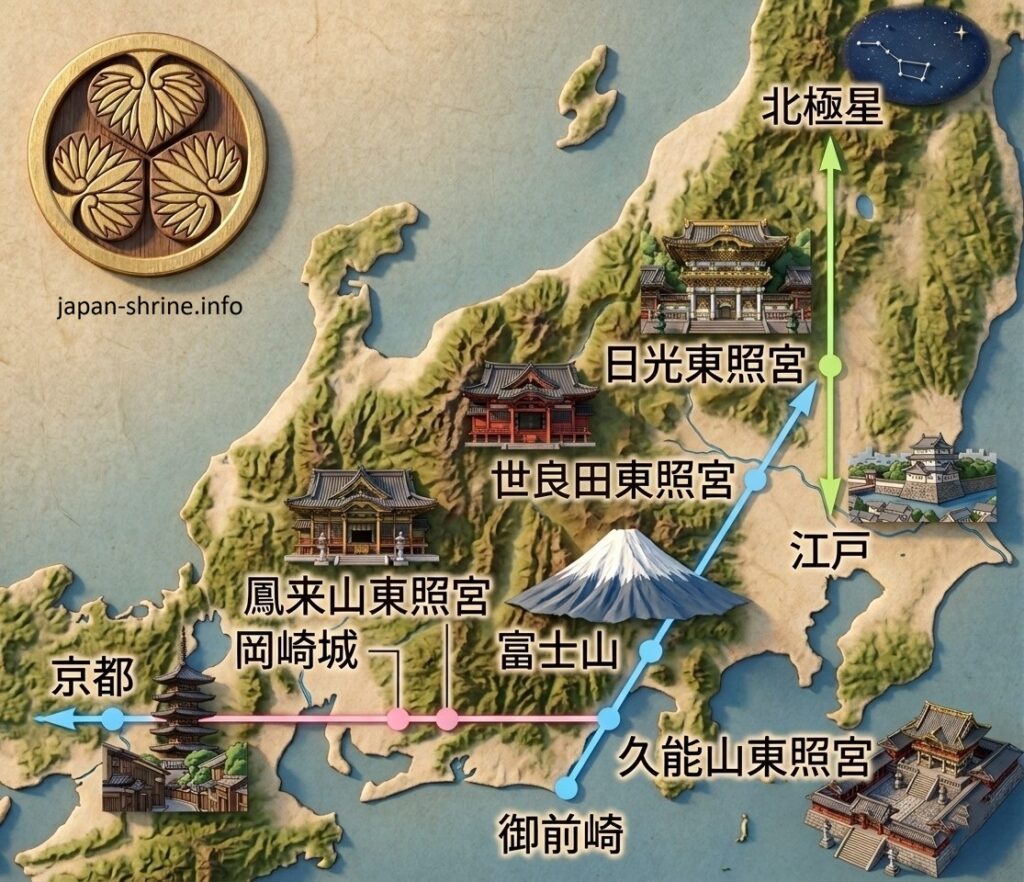
Following Lord Tokugawa Ieyasu’s passing in 1616 (Genna 2), a sacred relocation procession (Go-Senza) was held the next year in 1617 (Genna 3) to transfer and rebury his remains from Mount Kuno in Suruga Province to Mount Nikko (Nikko Toshogu Shrine). Along this journey, the procession bearing Lord Ieyasu’s sacred remains stayed overnight at Soshu-ji Temple, where devout memorial services were held at this official resting stop (shukuza).
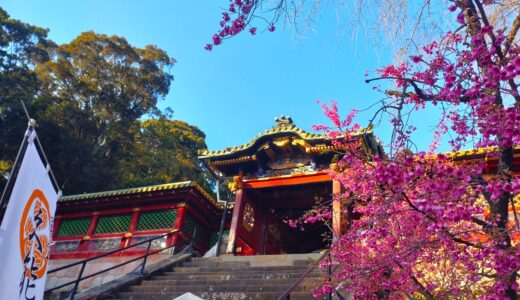
Stemming from this prestigious historical connection, a Toshogu shrine enshrining Lord Ieyasu’s divine spirit was erected in the northwest (Inui) section of the temple grounds. Delicate, ornate Gongen-zukuri structures from the early Edo period—including the Worship Hall, Karamon Gate, and openwork fence (sukibei)—still remain today, boasting high historical and cultural value as outstanding examples of architecture among the many Toshogu shrines across Japan. Together with the history of Soshu-ji Temple, it is a precious shrine passing down the footsteps of the Tokugawa family to the modern era.
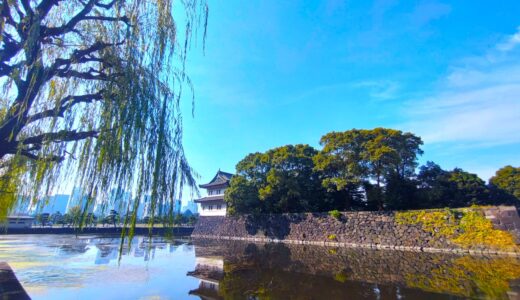
【Enshrined Deity & Divine Blessings】Virtues of Good Fortune, Winning Luck, and Household Safety Granted by Lord Tokugawa Ieyasu (Tosho Daigongen)
The enshrined deity is Tosho Daigongen, the deified spirit of Lord Tokugawa Ieyasu.
Based on the traditional divine virtues of Toshogu shrines dedicated to Lord Tokugawa Ieyasu, the shrine is believed to bestow the following blessings:
- Career Advancement & Improved Work Luck: Drawing upon the extraordinary luck of Lord Ieyasu—who achieved the unification of Japan—he is worshipped by those praying for business success, promotion, and good fortune.
- Household Safety & Fulfillment of Wishes: Having laid the foundation for 260 years of peace during the Edo period, he is believed to grant domestic harmony, national tranquility, and the fulfillment of heartfelt wishes.
- Academic Achievement: Just as at Nikko Toshogu Shrine, he is also revered as a deity of learning who helps people carve out their future.*Note: The principal image of Sano Yakuyoke Daishi on the same grounds, “Ganzan Daishi,” is renowned for powerful blessings in warding off evil and directional misfortune, so many visitors pay respects to both shrines/temples together.
【Highlights & Recommended Worship Route of Kasugaokayama Toshogu Shrine (Sano Toshogu)】
【Karamon Gate & Shrine Halls】A Dignified Karamon Gate Retaining Deep Historical Charm and a Majestic Shrine Complex
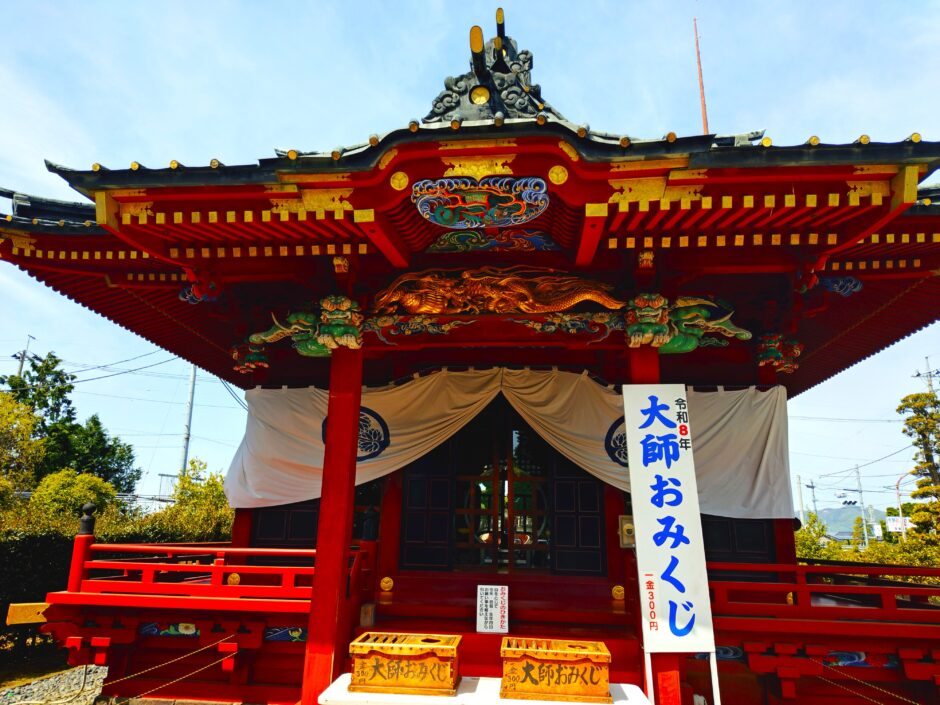
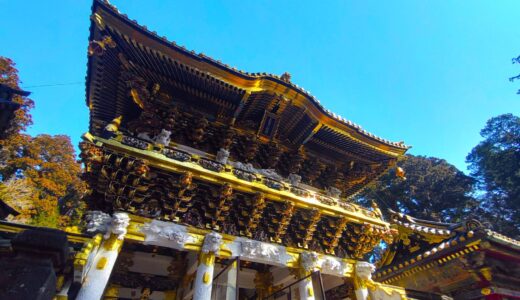
Completed in 1828 during the late Edo period, the Karamon Gate represents the pinnacle of architectural refinement of its era. Adorned across its entirety with gold leaf and vibrant polychrome pigments, its opulent craftsmanship evokes the famous “Yomeimon Gate” of Nikko Toshogu Shrine.
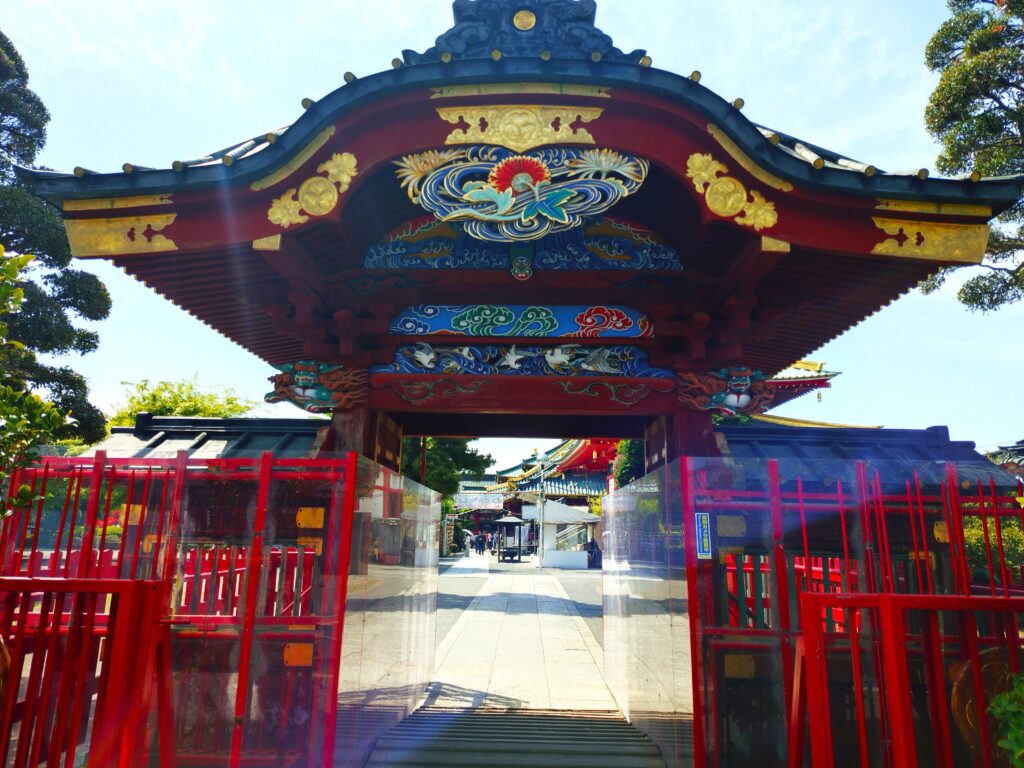
It is currently designated as a Tangible Cultural Property of Tochigi Prefecture.
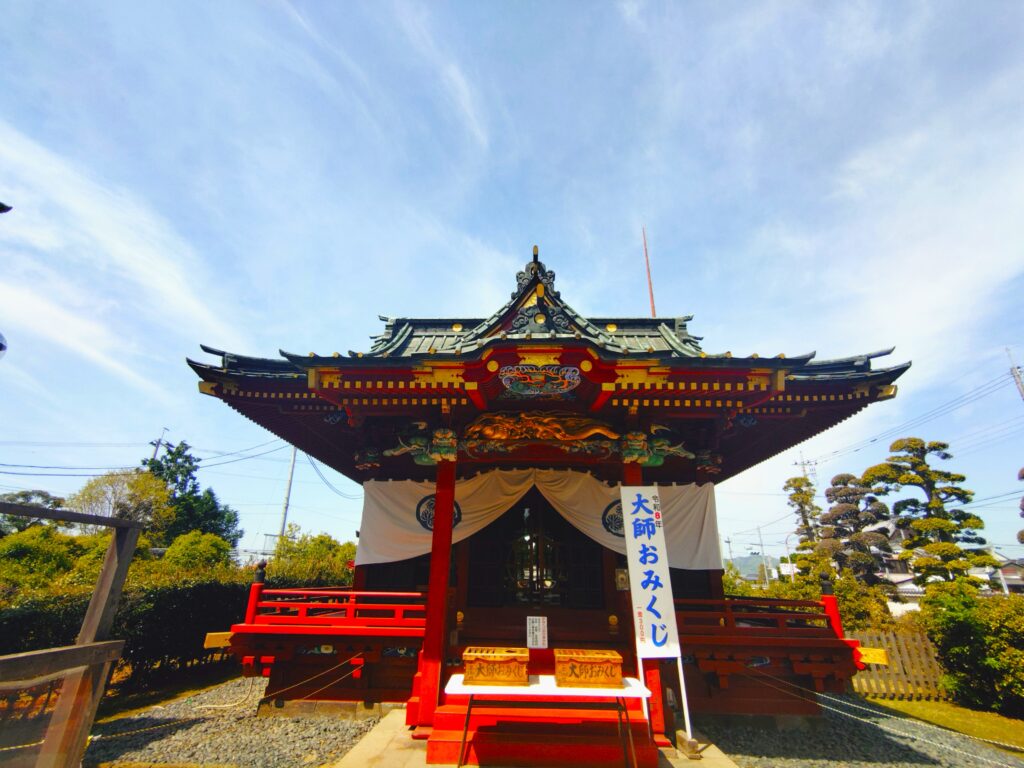
In 1828 (Bunsei 11), to commemorate this sacred site tied to Ieyasu, the current magnificent shrine halls were completed through donations from various feudal lords (daimyo).
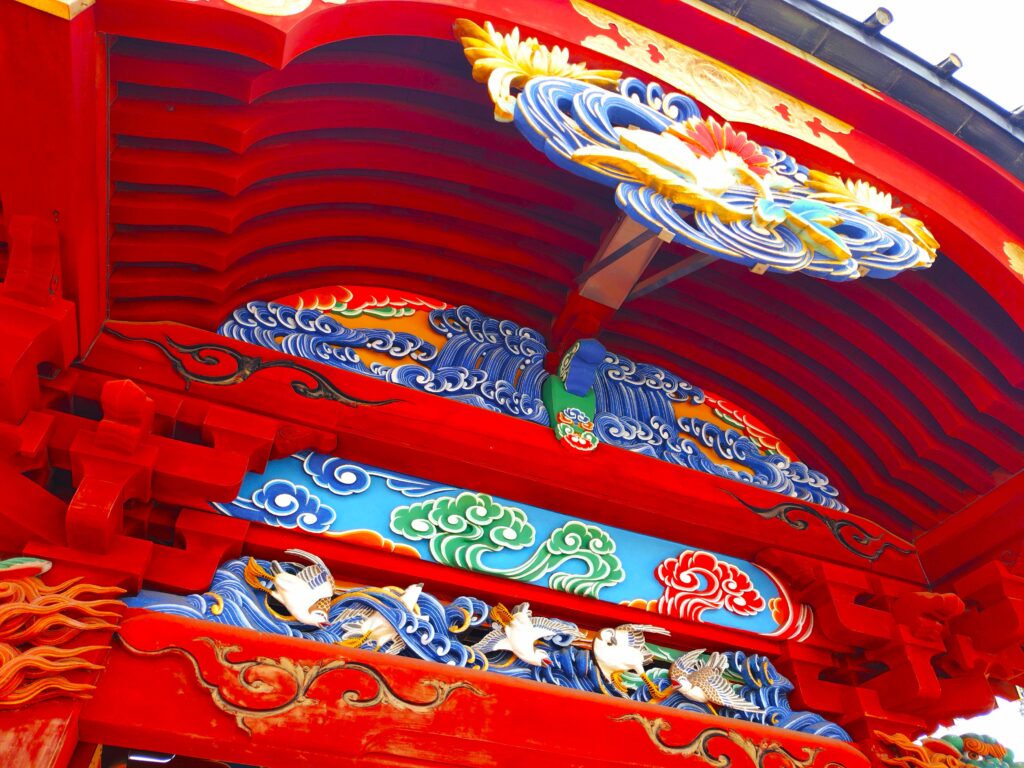
Modeled after Nikko Toshogu Shrine, the complex is highly acclaimed for its beauty as “an exceptionally outstanding structure among the more than 400 Toshogu shrines nationwide.”
Though potentially confusing, the names “Kasugaokayama Toshogu,” “Sano Toshogu,” and “Soshu-ji Toshogu” all refer to the exact same shrine. The name “Kasugaokayama” originates from the fact that the temple (Soshu-ji) was originally built on Kasugaoka (around the present-day Sano Castle ruins), which was sacred estate land belonging to “Kasuga Taisha Shrine” in Nara, the ancestral clan shrine of the Fujiwara family.
【Kasugaokayama Toshogu Shrine On-Site Visit Report & Original Evaluation】
Kasugaokayama Toshogu Shrine On-Site Review & Evaluation Score
| Evaluation Category | Score | Key Features / Highlights |
|---|---|---|
| Tranquility | (3.0) | Located in a northeast corner slightly set back from the bustling crowds of neighboring Sano Yakuyoke Daishi, offering a calm environment to offer prayers on ordinary days. |
| History & Heritage | (3.0) | A historic shrine conveying the history of 1617 (Genna 3), when Lord Tokugawa Ieyasu’s casket stayed overnight here en route from Mount Kuno to Mount Nikko for reburial, with Buddhist memorial services conducted by High Priest Tenkai. |
| Accessibility | (3.0) | About an 8 to 10-minute walk from “Sano Station” on the JR Ryomo Line and Tobu Sano Line. Conveniently located in the city center to visit alongside Sano Yakuyoke Daishi (Soshu-ji Temple). |
| Nature & Scenery | (1.0) | A tiny plot hemmed in by urban buildings and a corner of the temple precincts, with virtually no natural greenery or garden-style scenery. |
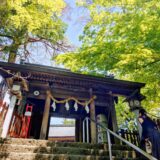
| Scale & Grounds | (1.0) | An ultra-compact precinct consisting solely of a stone Torii gate and a small shrine hall standing quietly. |
| Goshuin Variety | (1.0) | There is no dedicated shrine office; only limited options such as pre-written paper stamps (kakioki) are available at the amulet/stamp counter of neighboring Soshu-ji Temple (Sano Yakuyoke Daishi). |
【On-Site Report | Personal Impressions and Atmosphere】
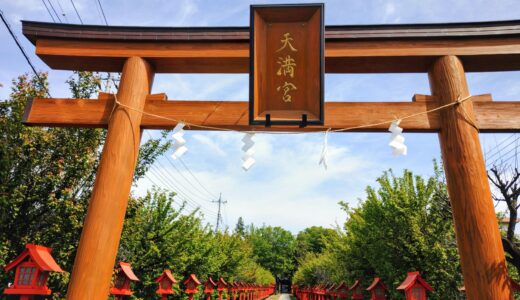
This is the place where Lord Ieyasu spent his final night on his journey toward Nikko. Without the heavy crowds of Nikko, I was able to quietly admire the intricate carvings up close. The more familiar a visitor is with the splendor of Nikko Toshogu Shrine, the more amazed they will be by the density and beauty of the carvings at this Toshogu in Sano. I recommend visiting it together with nearby Asahimori Tenmangu Shrine.
【Nearby Sightseeing Spots to Visit Together】
Sano Yakuyoke Daishi, Asahimori Tenmangu Shrine, Karasawayama Shrine
【Basic Information & Access】
【Access by Train / Car and Parking】
*Free parking available.
【Address & Official Website】
Kanainouemachi, Sano City, Tochigi Prefecture 327-0015