 Kanata's Japan Shrine Guide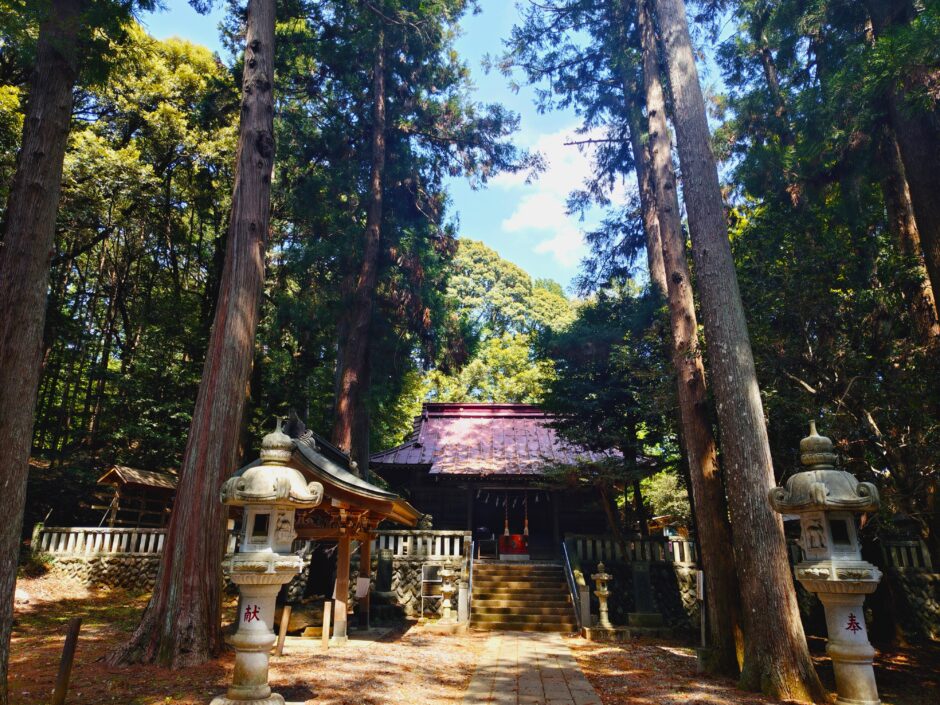

目次
- 【Overview of Torakashiwa Shrine】
- 【Torakashiwa Shrine: Shrine Grounds】
- 【Torakashiwa Shrine: Chozuya (Purification Fountain)】
- 【Torakashiwa Shrine: Shrine Buildings】
- 【Subsidiary Shrine: Takamine Shrine】
- 【Torakashiwa Shrine Nearby Tourist Spots】
- 【Torakashiwa Shrine Access】
- Admin’s Impressions
- Address of Torakashiwa Shrine
【Overview of Torakashiwa Shrine】
The exact year of Torakashiwa Shrine’s founding remains a mystery. According to shrine records, it began during the reign of the 10th Emperor Sujin (traditionally 3rd–4th century) when a piece of “sacred land” was granted. If true, this ancient shrine dates back to the Kofun period, making it one of the oldest and most historic shrines in the Ome area.
In 940, Minamoto no Tsunemoto—the arch-rival of the rebel Taira no Masakado—invited the deity of “Suwa Taisha” to this site. For a long time, the shrine was strongly associated with “Suwa Myojin.” However, in 1870 (the 3rd year of the Meiji era), it officially reverted to its ancient name, “Torakashiwa Shrine.”
The deities enshrined here are Ōtoshi-miya-no-kami and Kashikone-no-kami.
![20260426 124000757 2 520x300 - Torakashiwa Shrine [Tokyo]](https://japan-shrine.info/wp-content/uploads/20260426_124000757-2-520x300.jpg "Torakashiwa Shrine [Tokyo]")
【Torakashiwa Shrine: Shrine Grounds】
![20260426 125520237 1024x768 - Torakashiwa Shrine [Tokyo]](https://japan-shrine.info/wp-content/uploads/20260426_125520237-1024x768.jpg "Torakashiwa Shrine [Tokyo]")
Towering ancient cedars and zelkova trees line both sides of the path, enveloping the grounds in a deep green so thick it feels dim even in the middle of the day.
【Torakashiwa Shrine: Chozuya (Purification Fountain)】
![20260426 125542877 1024x768 - Torakashiwa Shrine [Tokyo]](https://japan-shrine.info/wp-content/uploads/20260426_125542877-1024x768.jpg "Torakashiwa Shrine [Tokyo]")
While the fountain itself is traditional, the base was supported by Rikishin (Stone Strongmen).
![20260426 125848019 1024x768 - Torakashiwa Shrine [Tokyo]](https://japan-shrine.info/wp-content/uploads/20260426_125848019-1024x768.jpg "Torakashiwa Shrine [Tokyo]")
These stone figures are depicted using their immense strength to support the heavy roof and structure. They symbolize the wish that “the building shall not fall” and act as guardians of the space. Such figures are quite rare to find on a surviving Chozuya.
【Torakashiwa Shrine: Shrine Buildings】
![20260426 125952224 1024x768 - Torakashiwa Shrine [Tokyo]](https://japan-shrine.info/wp-content/uploads/20260426_125952224-1024x768.jpg "Torakashiwa Shrine [Tokyo]")
While its origins are ancient, the main structures standing today were rebuilt in 1734 (the 19th year of the Kyoho era). They are currently designated as a Tangible Cultural Property of Tokyo.
【Subsidiary Shrine: Takamine Shrine】
Takamine Shrine, located very close by, is said to have been established at the same time Tsunemoto invited the Suwa deity in the 940s.
![20260426 130110312 1024x768 - Torakashiwa Shrine [Tokyo]](https://japan-shrine.info/wp-content/uploads/20260426_130110312-1024x768.jpg "Torakashiwa Shrine [Tokyo]")
It enshrines the deity Ajisukitakahikone-no-Mikoto. There is reportedly a small shrine at the summit of the hill, but I decided to pass on the climb this time…
【Torakashiwa Shrine Nearby Tourist Spots】
Tennei-ji Temple, Shiofune Kannon-ji Temple
![20260426 093730274 3 520x300 - Torakashiwa Shrine [Tokyo]](https://japan-shrine.info/wp-content/uploads/20260426_093730274-3-520x300.jpg "Torakashiwa Shrine [Tokyo]")
【Torakashiwa Shrine Access】
Admin’s Impressions
Walking between Tennei-ji (linked to Masakado) and Torakashiwa Shrine (linked to Tsunemoto) is a rare experience. In just a few minutes, you can cross between the strongholds of these two Heian-period rivals.
Perhaps because of the low number of visitors, the grounds felt a bit unkept and had a somewhat eerie atmosphere. (Strangely, looking back at the photos, it looks quite beautiful… wait, was I imagining things?) This is just my personal take, but it might be better not to visit this shrine and Tennei-ji at the exact same time…
1-454 Negabu, Ome City, Tokyo 198-0004
※Free parking available.