 Kanata's Japan Shrine Guide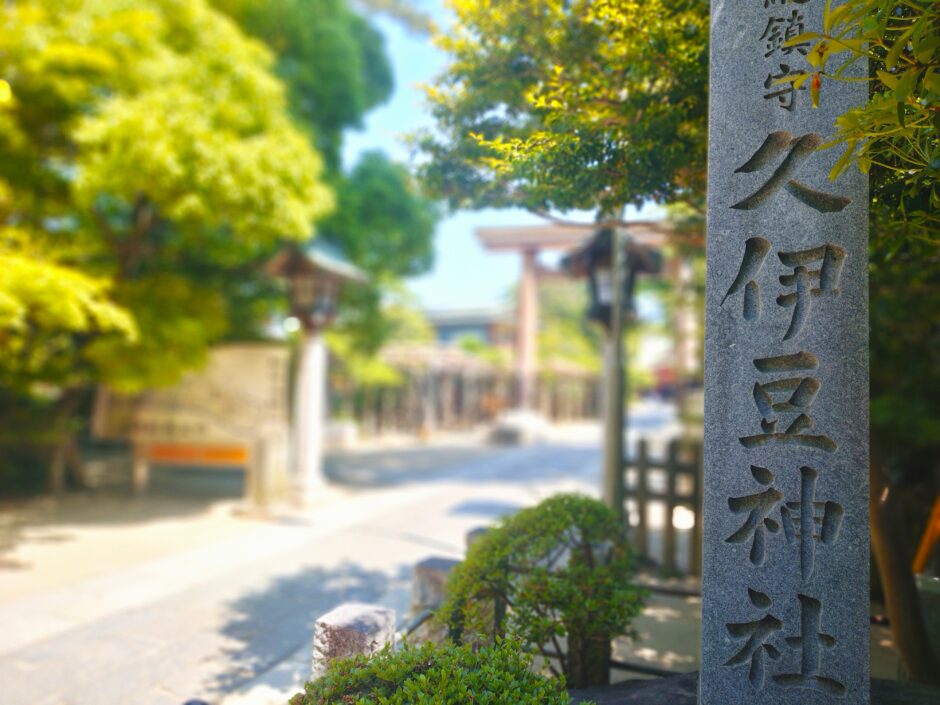

目次
- 【Overview of Hisaizu Shrine】
- 【The Shrine Approach (Sando)】
- 【The San-no-Torii (The Third Torii Gate)】
- 【The Temizuya (Purification Fountain)】
- 【The Goreisui (Sacred Miraculous Water)】
- 【The Kaguraden (Sacred Dance Stage)】
- 【The Shrine Buildings (Shaden)】
- 【The Sanctuary for Remote Worship of the Former Site of the Nanyo Grand Shrine】
- 【The 7 Subsidiary Shrines Lining the Back (North Side) of the Main Sanctuary】
- 【The Shinchi (Sacred Pond)】
- 【The Wisteria Tree (Fujinoki)】
- 【The 6 Subsidiary Shrines Scattered Around the Sacred Pond and Wisteria Trellis】
- 【The Shintoku Stone Lanterns】
- 【Hisaizu Shrine Goshuin】
- 【Hisaizu Shrine Nearby Tourist Spots (Within a 30-Minute Walk)】
- 【Hisaizu Shrine Access】
- Admin’s Impressions
- Address of Hisaizu Shrine
- Official Website of Hisaizu Shrine
【Overview of Hisaizu Shrine】
While the specific founder and the exact year of establishment for Hisaizu Shrine remain unknown, it is estimated to date back to the mid-Heian period (between 931 and 1086). Regarding its overall origins, one prominent theory suggests that it began approximately 1,400 to 1,500 years ago during the Kofun period (the era of Emperor Kinmei) when the Haji clan—a branch of the Izumo tribe that migrated to the eastern provinces—enshrined their ancestors and patron deity, Okuninushi-no-Mikoto, on this land.
Furthermore, it is speculated that the Noyo party and the Kisaichi party, who belonged to the “Musashi Shichito” (the Seven Samurai Clans of Musashi) and wielded great power around this Koshigaya area (the Motoarakawa River basin), formally transferred and enshrined (kanjo) the deity here to serve as the Ujigami (clan deity) and protective guardian of their territories.
The shrine enshrines two primary deities (Shasajin): Okuninushi-no-Mikoto and Kotoshiro-nushi-no-Mikoto.
【The Shrine Approach (Sando)】
![20260517 104323545 2 1024x768 - Hisaizu Shrine [Saitama]](https://japan-shrine.info/wp-content/uploads/20260517_104323545-2-1024x768.jpg "Hisaizu Shrine [Saitama]")
The Hisaizu Shrine in Koshigaya features a remarkably long, magnificent, and perfectly straight primary approach (Ichi-no-Sando) spanning approximately 470 meters. At the starting point of the path, impressive Shimenawashira (sacred straw rope pillars) are prominently displayed.
![20260517 105752957 1024x768 - Hisaizu Shrine [Saitama]](https://japan-shrine.info/wp-content/uploads/20260517_105752957-1024x768.jpg "Hisaizu Shrine [Saitama]")
Stretching directly from near the embankments of the Motoarakawa River toward the main sanctuary buildings, stepping onto this path allows visitors to instantly leave behind the noisy bustle near the station and immerse themselves in a quiet, sacred atmosphere. During the rainy season, it is said that countless hydrangeas (ajisai) bloom beautifully in full glory on both sides of the approach.
【The San-no-Torii (The Third Torii Gate)】
The third torii gate of Hisaizu Shrine was erected in 1995 (Heisei 7) utilizing the sacred timber salvaged from the “Itagaki Minamigomon Gate of the Naiku (Inner Shrine),” which was dismantled and granted (tekka) during the 61st Shiknen Sengu (the periodic ritual rebuilding) of the Grand Shrine of Ise (Kotai Jingu).
![20260517 100228970 1024x768 - Hisaizu Shrine [Saitama]](https://japan-shrine.info/wp-content/uploads/20260517_100228970-1024x768.jpg "Hisaizu Shrine [Saitama]")
By becoming a place that inherited the history and prayers of Nanyo Shrine (which functioned as a branch of Ise Jingu), a special divine connection (Goshin-en) was forged between Hisaizu Shrine and the Ise Jingu administrative authorities. Out of deep consideration for this relationship, the historic timber from the “Itagaki Minamigomon Gate” was specially granted to the shrine during the 61st ritual rebuilding. *The Sanctuary for Remote Worship of the Former Site of Nanyo Shrine is enshrined deep behind the main buildings of Hisaizu Shrine.
![DSC 0026 1600x1068 1 160x160 - Hisaizu Shrine [Saitama]](https://japan-shrine.info/wp-content/uploads/DSC_0026-1600x1068-1-160x160.jpg "Hisaizu Shrine [Saitama]") Jingu (Inner Shrine of Ise Jingu) [Mie]
Jingu (Inner Shrine of Ise Jingu) [Mie] 【The Temizuya (Purification Fountain)】
Inside the Temizuya structure, a magnificent stone purification basin (temizubachi) features inscriptions carved during the late Edo period in the second year of Kaei (1849).
![20260517 100439143 1024x768 - Hisaizu Shrine [Saitama]](https://japan-shrine.info/wp-content/uploads/20260517_100439143-1024x768.jpg "Hisaizu Shrine [Saitama]")
The structure is currently designated as a Nationally Registered Tangible Cultural Property of Japan.
【The Goreisui (Sacred Miraculous Water)】
Just past the Temizuya fountain, on the right-hand side, lies a small torii gate and a spot where water wells up, known as the Goreisui (Sacred Miraculous Water). This was once a beautiful, natural spring that bubbled up spontaneously from within the shrine grounds. However, due to the devastating Great Kanto Earthquake of 1923, the underground water table dropped significantly, causing the natural spring water to stop flowing on its own.
![20260517 101208320 1024x768 - Hisaizu Shrine [Saitama]](https://japan-shrine.info/wp-content/uploads/20260517_101208320-1024x768.jpg "Hisaizu Shrine [Saitama]")
Today, pristine groundwater is pumped up from a deep underground layer between 250 and 300 meters below the surface. This facility also functions as an emergency backup water source for disaster prevention. Regular water quality inspections are strictly conducted, and visitors are welcome to collect this pure water in their own plastic bottles or thermoses to take home.
【The Kaguraden (Sacred Dance Stage)】
The Kaguraden (sacred dance stage) was originally constructed during the early Meiji period, underwent major renovations during the mid-Showa period, and was relocated to its current site in 1974.
![20260517 101547720 1024x768 - Hisaizu Shrine [Saitama]](https://japan-shrine.info/wp-content/uploads/20260517_101547720-1024x768.jpg "Hisaizu Shrine [Saitama]")
The structure is currently designated as a Nationally Registered Tangible Cultural Property of Japan.
【The Shrine Buildings (Shaden)】
The architectural style of the main building is the prestigious “Sangen-sha Nagare-zukuri” (a three-bay wide asymmetrical gabled style), and its grand roof is covered with copper plating.
![20260517 100548273 1024x768 - Hisaizu Shrine [Saitama]](https://japan-shrine.info/wp-content/uploads/20260517_100548273-1024x768.jpg "Hisaizu Shrine [Saitama]")
The most defining feature of this structure is the incredibly intricate and exquisite wood carvings (soboyu-no-chokoku) adorning the pillars and beams. Representing creatures such as lions and dragons, the three-dimensional beauty that capitalizes on the natural texture of the raw timber is absolutely overwhelming, earning the building high praise as a “model standard of late Edo-period design and craftsmanship.”
![20260517 101752752 1024x768 - Hisaizu Shrine [Saitama]](https://japan-shrine.info/wp-content/uploads/20260517_101752752-1024x768.jpg "Hisaizu Shrine [Saitama]")
The structure is currently designated as a Nationally Registered Tangible Cultural Property of Japan.
【The Sanctuary for Remote Worship of the Former Site of the Nanyo Grand Shrine】
Spreading out behind the main sanctuary building is a magnificent primary forest of sudajii (castanopsis) trees known as the “Shaso” (shrine grove), which is officially designated as a commemorative natural monument (scenic spot) of Koshigaya City. Tucked quietly away within this solemn, serene greenery stands this unique Yohaiden (sanctuary for remote worship) along with precious stone lanterns that were transferred from the Nanyo Shrine after World War II. This sanctuary was built within the precincts of Hisaizu Shrine in April 2004 (Heisei 16) under the guidance and cooperation of Ise Jingu. It was established to pass down to future generations a deep sense of gratitude and a prayer for the repose of the souls of the pioneering settlers who worked tirelessly for Japan in the South Seas, as well as the heroic spirits who fell during the war.
![20260517 101929404 1024x768 - Hisaizu Shrine [Saitama]](https://japan-shrine.info/wp-content/uploads/20260517_101929404-1024x768.jpg "Hisaizu Shrine [Saitama]")
As deep cultural exchanges blossomed between Saitama Prefecture and the Republic of Palau—partially sparked by the then-Governor of Saitama Prefecture (Mr. Yoshihiko Tsuchiya) officially visiting Palau as the leader of a delegation to collect the remains of the war dead—the then-President of the Republic of Palau, Tommy Remengesau, traveled all the way to Koshigaya to personally attend the dedication ceremony.
【The 7 Subsidiary Shrines Lining the Back (North Side) of the Main Sanctuary】
To the left-hand side of the Sanctuary for Remote Worship, a row of small wooden sanctuaries stands side by side.
![20260517 102036925 1024x768 - Hisaizu Shrine [Saitama]](https://japan-shrine.info/wp-content/uploads/20260517_102036925-1024x768.jpg "Hisaizu Shrine [Saitama]")
These structures enshrine the following deities and shrines: Gokoku-sha (shrine for five grains), Inari Shrine, Tenmangu (shrine for education/Michizane Sugawara), Matsuo Shrine, Hakusan Shrine, Yasaka Shrine, and Raiden Shrine.
【The Shinchi (Sacred Pond)】
Upon passing through the San-no-Torii (Third Torii Gate), a large pond and a massive wisteria tree come into view.
![20260517 102621115 1024x768 - Hisaizu Shrine [Saitama]](https://japan-shrine.info/wp-content/uploads/20260517_102621115-1024x768.jpg "Hisaizu Shrine [Saitama]")
Serving as a central oasis of relaxation within the precincts where visitors can be deeply comforted by the beautiful landscape and wildlife, the Mizuhame Shrine sits right in the center of the pond, enshrining Mizuhanome-no-Kami, the Japanese deity of water.
![20260517 102713737 1024x768 - Hisaizu Shrine [Saitama]](https://japan-shrine.info/wp-content/uploads/20260517_102713737-1024x768.jpg "Hisaizu Shrine [Saitama]")
A multitude of gorgeous nishikigoi (colored carp) swim gracefully through the waters, and you can spot many turtles peacefully sunbathing their shells on the rocks around the Mizuhame Shrine in this highly idyllic setting.
【The Wisteria Tree (Fujinoki)】
Standing prominently in front of the sacred pond is a massive wisteria tree that fans out extensively from a single trunk. It is estimated to be over 200 years old, with the circumference of its base measuring a staggering 7 to 8 meters, from which seven thick trunks branch out and stretch upward with incredible power.
![20260517 100407414 1024x768 - Hisaizu Shrine [Saitama]](https://japan-shrine.info/wp-content/uploads/20260517_100407414-1024x768.jpg "Hisaizu Shrine [Saitama]")
According to historical records, during the late Edo period in 1837 (Tenpo 8), a resident of the Koshigaya-shuku post town named Kunizo Kawanabe brought this wisteria—which was already over 50 years old at the time—on a boat all the way from Nagareyama in Shimousa Province (modern-day Nagareyama City, Chiba Prefecture). He crossed the Edogawa and Motoarakawa rivers to formally dedicate and plant the tree here at this shrine.
【The 6 Subsidiary Shrines Scattered Around the Sacred Pond and Wisteria Trellis】
![20260517 103015493 1024x768 - Hisaizu Shrine [Saitama]](https://japan-shrine.info/wp-content/uploads/20260517_103015493-1024x768.jpg "Hisaizu Shrine [Saitama]")
Around the vicinity of the sacred pond and the wisteria trellis, six subsidiary shrines are enshrined: Mizuhame Shrine, Mitsumine Shrine, Futarasan Shrine, Saitama Inari Shrine, Miawase Shrine, and the Soreisha (ancestral hall). The photo displayed above shows the Soreisha.
【The Shintoku Stone Lanterns】
Large stone lanterns stand prominently in front of the Soreisha and along the shrine approach. Dedicated during the late Edo period in 1828 (Bunsei 11), these are historically invaluable artifacts.
![20260517 103046531 1024x768 - Hisaizu Shrine [Saitama]](https://japan-shrine.info/wp-content/uploads/20260517_103046531-1024x768.jpg "Hisaizu Shrine [Saitama]")
In the year 1828, the merchants and parishioners (ujiko) of Koshigaya-shuku—which was thriving immensely as a vital post town along the historic Nikko Kaido highway—united as one to donate these lanterns, praying for the prosperity of the shrine. The fact that they were capable of sourcing such a colossal, high-quality stone and commissioning top-tier artisans from Edo (Tokyo) stands as concrete historical proof of just how wealthy and economically powerful the Koshigaya post town was at the time.
【Hisaizu Shrine Goshuin】
![hisaizujinja 718x1024 - Hisaizu Shrine [Saitama]](https://japan-shrine.info/wp-content/uploads/hisaizujinja-718x1024.jpg "Hisaizu Shrine [Saitama]")
【Hisaizu Shrine Nearby Tourist Spots (Within a 30-Minute Walk)】
Tengaku-ji Temple, Koshigaya Katori Shrine, Daisho-ji Temple
![20260517 104740053 520x300 - Hisaizu Shrine [Saitama]](https://japan-shrine.info/wp-content/uploads/20260517_104740053-520x300.jpg "Hisaizu Shrine [Saitama]")
![20260517 112023665 520x300 - Hisaizu Shrine [Saitama]](https://japan-shrine.info/wp-content/uploads/20260517_112023665-520x300.jpg "Hisaizu Shrine [Saitama]")
![20260517 125300063 520x300 - Hisaizu Shrine [Saitama]](https://japan-shrine.info/wp-content/uploads/20260517_125300063-520x300.jpg "Hisaizu Shrine [Saitama]")
【Hisaizu Shrine Access】
Admin’s Impressions
The long, straight primary approach stretching for roughly 470 meters felt like stepping into an entirely different world, completely making me forget the noisy hustle near the station. The precinct is absolutely packed with historical highlights, from the highly prestigious shrine buildings designated as Nationally Registered Tangible Cultural Properties, to the Temizuya adorned with meticulous carvings, and the pure Goreisui water welling up from a deep well.
Next time, I would absolutely love to return in the spring to see the grand wisteria trellis, which is designated as a prefectural natural monument and celebrated as the “Number One in Kanto.” Between the red torii gate reflecting beautifully on the water’s surface and the peaceful creatures swimming in the pond, my soul felt deeply comforted. It is a truly wonderful shrine that makes you want to visit again and again.
1700 Koshigaya, Koshigaya City, Saitama Prefecture 343-0024
*Free parking available on-site.
![ffcbe5c5a9c89749c4a5438099daeb5b - Hisaizu Shrine [Saitama]](https://japan-shrine.info/wp-content/uploads/sng/ffcbe5c5a9c89749c4a5438099daeb5b.jpg "Hisaizu Shrine [Saitama]")