 Kanata's Japan Shrine Guide

目次
- What Exactly Are the “Tokyo Ten Shrines”?
- List of the Tokyo Ten Shrines and Their Highlights
- List of the Tokyo Ten Shrines
- 【Nezu Shrine (Bunkyo Ward)】
- 【Kanda Shrine / Kanda Myojin (Chiyoda Ward)】
- 【Kameido Tenjin Shrine (Koto Ward / Sumida Ward Border)】
- 【Hakusan Shrine (Bunkyo Ward)】
- 【Oji Shrine (Kita Ward)】
- 【Hie Shrine (Chiyoda Ward)】
- 【Shinagawa Shrine (Shinagawa Ward)】
- 【Tomioka Hachiman Shrine (Koto Ward)】
- 【Shiba Daijingu Shrine (Minato Ward)】
- 【Akasaka Hikawa Shrine (Minato Ward)】
- 🗺️ Tour in 2 Days! The Efficiency-Focused Route
- Admin’s Impressions
What Exactly Are the “Tokyo Ten Shrines”?
In 1868 (Meiji 1), when the new Meiji government had just been established, Emperor Meiji moved from Kyoto to Tokyo (then called Edo). Upon his relocation, 12 shrines were initially designated as Jun-chokusaisha (shrines visited by imperial envoys) to serve as “special shrines to protect Tokyo and pray for the peace of its people.” Later, in 1975 (Showa 50), to commemorate the 50th anniversary of Emperor Showa’s accession to the throne, 10 of these shrines located within the 23 wards—and easily accessible from the city center—were re-selected. This established the modern-day “Tokyo Ten Shrines Pilgrimage” (Tokyo Jusha Meguri). Truly, this collection comprises only highly prestigious and exceptional shrines that have quietly watched over Tokyo’s past, future, and the nation’s major periods of transition.
List of the Tokyo Ten Shrines and Their Highlights
At each shrine, you can enjoy more than just collecting goshuin (sacred red-ink stamps) as proof of your visit. There is also a unique activity where you collect each shrine’s specific “mini wooden plaque” (ema) and paste them onto a dedicated large display board (o-shikishi).
There is no fixed order or time limit for visiting them; you do not need to rush through them all in a single day. It is perfectly fine to take several months or even years to visit them one by one. Since all of these shrines are located near train and subway stations in central Tokyo, using a “1-Day Pass” for the Tokyo Metro or Toei Subway is a highly cost-effective way to get around.
At each shrine, you can receive a goshuin (roughly 300 to 500 yen) and a mini wooden plaque (300 yen). For more details, please check the official Tokyo Jusha Meguri FAQ.
List of the Tokyo Ten Shrines
【Nezu Shrine (Bunkyo Ward)】
The Miraculous Survival of Vivid Edo Colors and the Beauty of Countless Layered Senbon Torii Gates
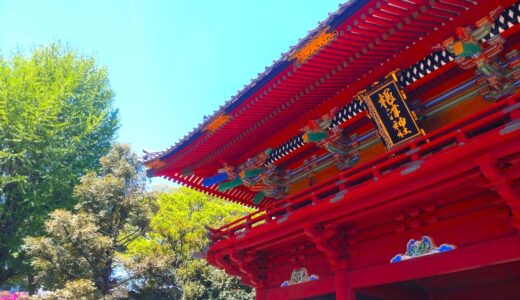
The main shrine buildings, built by the 5th Tokugawa Shogun, Tsunayoshi, miraculously escaped war damage and remain completely intact to this day, offering a priceless historical space. While it is famous for its early summer azaleas, visiting during quieter, less touristy periods is highly recommended. This allows you to fully appreciate the architectural decorations showcasing the prestige of the Tokugawa clan and carefully admire the family crests carved into the shrine structures.
【Kanda Shrine / Kanda Myojin (Chiyoda Ward)】
The Majestic Presence of Lord Taira no Masakado Protecting Edo, and the Grand Guardian Deity Alive in the Modern Era
![DSC 0260 2 520x300 - [The Tokyo Ten Shrines Pilgrimage] A Walking Route Guide to Serene, Historic Shrines Healed by Nature](https://japan-shrine.info/wp-content/uploads/DSC_0260_2-520x300.jpg "[The Tokyo Ten Shrines Pilgrimage] A Walking Route Guide to Serene, Historic Shrines Healed by Nature")
Widely known as the grand guardian deity (Soshinjo) of Edo, Kanda Myojin holds a special place for history enthusiasts because Lord Taira no Masakado is enshrined here in the aidono (joint enshrinement). Lord Masakado is still deeply revered today as a local hero who dedicated his life to pacifying the Kanto region and protecting its people. Although the grounds are bustling with lively energy, shifting your perspective to reflect on Masakado’s historical background and his powerful energy will let you feel the grit and spirit of a samurai warrior protecting Kanto, setting it apart from a mere tourist spot.
【Kameido Tenjin Shrine (Koto Ward / Sumida Ward Border)】
A Stunning Waterfront View Infused with Edo Atmosphere, Woven by Seasonal Flowers and Arched Bridges
![DSC 1389 520x300 - [The Tokyo Ten Shrines Pilgrimage] A Walking Route Guide to Serene, Historic Shrines Healed by Nature](https://japan-shrine.info/wp-content/uploads/DSC_1389-520x300.jpg "[The Tokyo Ten Shrines Pilgrimage] A Walking Route Guide to Serene, Historic Shrines Healed by Nature")
This is a spectacular location where you can enjoy a breathtaking landscape where the pond harmonizes beautifully with seasonal flowers, such as wisteria in spring and plum blossoms in winter. Because it enshrines Tenjin-sama (Sugawara no Michizane, the deity of scholarship), the shrine gets busy during exam seasons. However, visiting during the quiet early morning hours allows you to have the natural beauty and the reflection of the taikobashi (drum bridge) on the pond’s surface all to yourself. It is highly recommended for anyone looking to capture the harmony between nature and architecture on camera.
【Hakusan Shrine (Bunkyo Ward)】
A Serene Space Adorned with Hydrangeas, Once Blessed by the Patronage of Tokugawa Tsunayoshi and Keishoin
![DSC 0247 1 520x300 - [The Tokyo Ten Shrines Pilgrimage] A Walking Route Guide to Serene, Historic Shrines Healed by Nature](https://japan-shrine.info/wp-content/uploads/DSC_0247-1-520x300.jpg "[The Tokyo Ten Shrines Pilgrimage] A Walking Route Guide to Serene, Historic Shrines Healed by Nature")
During the rainy season, vibrant hydrangeas bloom in full splendor, making this a beautiful shrine that blends seamlessly with nature. It is also known for having enjoyed the deep devotion of Keishoin, the birth mother of the 5th Shogun, Tsunayoshi. Despite its central Tokyo location, it experiences very little of the typical tourist hustle and bustle. It is a perfect, deeply comforting place for times when you want to quietly appreciate historical architecture and seasonal flowers.
【Oji Shrine (Kita Ward)】
An Oasis in Kita Ward: A Serene Space Watched Over by a Giant Ginkgo Tree
![DSC 0153 1 520x300 - [The Tokyo Ten Shrines Pilgrimage] A Walking Route Guide to Serene, Historic Shrines Healed by Nature](https://japan-shrine.info/wp-content/uploads/DSC_0153-1-520x300.jpg "[The Tokyo Ten Shrines Pilgrimage] A Walking Route Guide to Serene, Historic Shrines Healed by Nature")
Among the Tokyo Ten Shrines, Oji Shrine in Kita Ward is a serene, historic gem that comes with a personal, highest recommendation. It offers excellent access from Akabane and the northern parts of the city center, yet maintains a calm atmosphere far removed from urban clamor. The grounds feature a magnificent grand ginkgo tree designated as a Natural Monument of Tokyo, which turns a stunning golden yellow in autumn. It provides the ultimate setting as a starting point for a walking route on days when you want to avoid crowds and quietly enjoy the harmony of history and nature.
【Hie Shrine (Chiyoda Ward)】
The Quiet “Sanno-san” Continuing to Protect the Tokugawa Family in the Heart of Politics and Economy
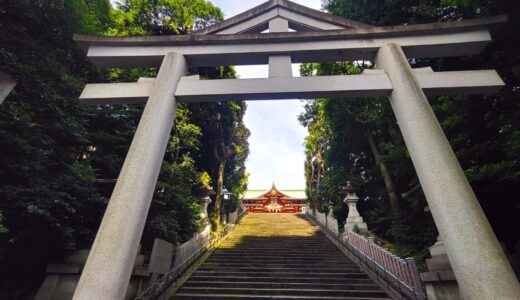
This highly prestigious shrine once guarded the Ura-kimon (the back demon gate, considered an unlucky direction requiring spiritual protection) of Edo Castle as the patron deity (Ubusunagami) of the Tokugawa family. While it has incorporated modern conveniences like outdoor escalators, a quiet and mystical atmosphere still lingers along the Inari pathway lined with torii gates at the back of the grounds. It is also a delight to walk around looking for the Tokugawa hollyhock crest (Aoi no Gomon) carved into various spots of the beautiful vermilion-painted shrine building.
【Shinagawa Shrine (Shinagawa Ward)】
A Site Associated with Lord Minamoto no Yoritomo: The Guardian of Shinagawa Featuring a Twin Dragon Torii Gate and a Miniature Mount Fuji
![DSC 0630 520x300 - [The Tokyo Ten Shrines Pilgrimage] A Walking Route Guide to Serene, Historic Shrines Healed by Nature](https://japan-shrine.info/wp-content/uploads/DSC_0630-520x300.jpg "[The Tokyo Ten Shrines Pilgrimage] A Walking Route Guide to Serene, Historic Shrines Healed by Nature")
The sheer impact of the “Twin Dragon Torii Gate” (Soryu Torii), featuring two dragons carved as if wrapping themselves around the stone pillars, is breathtaking. Founded by Lord Minamoto no Yoritomo, it is also famous as the place where Tokugawa Ieyasu prayed for victory before the Battle of Sekigahara. Climbing the “Shinagawa Fuji” (Fujizuka, a miniature Mount Fuji mound) on the grounds gives you a taste of a mini-mountain climb right in the middle of Tokyo, making this a unique shrine where you can experience both historical depth and a refreshing sense of openness simultaneously.
【Tomioka Hachiman Shrine (Koto Ward)】
The Birthplace of Edo Kanjin Sumo: The Hachiman-sama of Fukagawa Blending Downtown Energy with Waterfront Charm
![4041678 m 520x300 - [The Tokyo Ten Shrines Pilgrimage] A Walking Route Guide to Serene, Historic Shrines Healed by Nature](https://japan-shrine.info/wp-content/uploads/4041678_m-520x300.jpg "[The Tokyo Ten Shrines Pilgrimage] A Walking Route Guide to Serene, Historic Shrines Healed by Nature")
Blessed with the protection of the Tokugawa Shogunate, this shrine flourished as the largest Hachiman shrine in Edo. While it is famous for its lavishly gorgeous portable shrines (mikoshi) and its deep historical ties to sumo wrestling, the spacious grounds are usually filled with greenery and a relaxed air. It is an ideal spot to carefully explore historic architecture and stone monuments at your own comfortable pace.
【Shiba Daijingu Shrine (Minato Ward)】
The “Ise Grand Shrine of the Kanto Region” Nestled Quietly in the Valley of Skyscrapers
![DSC 0592 520x300 - [The Tokyo Ten Shrines Pilgrimage] A Walking Route Guide to Serene, Historic Shrines Healed by Nature](https://japan-shrine.info/wp-content/uploads/DSC_0592-520x300.jpg "[The Tokyo Ten Shrines Pilgrimage] A Walking Route Guide to Serene, Historic Shrines Healed by Nature")
Though situated right in the middle of a bustling corporate district in Tokyo’s cosmopolitan Minato Ward, stepping inside the grounds instantly treats you to a sacred atmosphere that makes you naturally straighten your posture. It possesses a profound history stretching back to the Heian period and is a renowned shrine that received protection from both Lord Minamoto no Yoritomo and the Tokugawa Shogunate. Because it sits slightly off the heavily traveled tourist routes surrounding the lively Zojoji Temple, it serves as an excellent hidden gem where you can quietly connect with history in the center of the city.
【Akasaka Hikawa Shrine (Minato Ward)】
Miraculous Edo Architecture and Serenity Preserving the Prestige of the Tokugawa Family to This Day
![DSC 0851 2 520x300 - [The Tokyo Ten Shrines Pilgrimage] A Walking Route Guide to Serene, Historic Shrines Healed by Nature](https://japan-shrine.info/wp-content/uploads/DSC_0851_2-520x300.jpg "[The Tokyo Ten Shrines Pilgrimage] A Walking Route Guide to Serene, Historic Shrines Healed by Nature")
Akasaka Hikawa Shrine features a main building constructed by the 8th Tokugawa Shogun, Yoshimune, which has miraculously survived both wartime air raids and earthquakes to stand intact today. Located right in the heart of bustling Akasaka, its deeply wooded grounds are not overly commercialized, preserving an astonishing sense of quietude. It is a true pleasure to walk through the area while searching for the Tokugawa family crest (the triple hollyhock) subtly carved into the shrine decorations and roof tiles. This is a precious spot where you can quietly appreciate authentic, unpretentious Edo-period design.
🗺️ Tour in 2 Days! The Efficiency-Focused Route
To tour the Tokyo Ten Shrines most efficiently while eliminating wasted travel time, a “single-stroke loop route” that draws a circle around central Tokyo is highly recommended. Since the ten shrines are widely scattered across the 23 wards, splitting the journey into 2 days (or 3 days) to conquer them by area is the most practical approach. Additionally, please keep in mind that many shrines only accept goshuin and amulet requests between 9:00 AM and 4:00 PM or 5:00 PM, so be sure to pace yourself for a comfortable, mindful pilgrimage.
[Day 1] Tokyo’s “East Side & Shitamachi (Downtown)” Area (5 Shrines)
This route covers Koto Ward, Sumida Ward, and Chiyoda Ward, making excellent use of the Tokyo Metro and Toei Subway lines.
Shinagawa Shrine (Shinagawa Ward)
Departure: Start your journey from an old post town on the historic Tokaido road. Located right outside Keikyu Line “Shinbanba Station.”
Shiba Daijingu Shrine (Minato Ward)
Travel: Shinbanba Station ➔ (Keikyu/Asakusa Line Direct) ➔ Daimon Station
Tomioka Hachiman Shrine (Koto Ward)
Travel: Daimon Station ➔ (Oedo Line) ➔ Monzen-nakacho Station
Kameido Tenjin Shrine (Koto Ward)
Travel: Monzen-nakacho Station ➔ (Tozai Line) ➔ Kayabacho Station ➔ (Hibiya Line) ➔ Akihabara Station ➔ (Sobu Line) ➔ Kameido Station (Taking a local bus is also highly convenient here)
Kanda Shrine / Kanda Myojin (Chiyoda Ward)
Travel: Kameido Station ➔ (Sobu Line) ➔ Ochanomizu Station / Akihabara Station
[Day 2] Tokyo’s “West Side & Joku (North-Central)” Area (5 Shrines)
This route starts from the northern edge of Tokyo and works its way south through Kita Ward, Bunkyo Ward, and Minato Ward.
Oji Shrine (Kita Ward)
Departure: Start from the northern tip of Tokyo. Located right outside Namboku Line/JR “Oji Station.”
Hakusan Shrine (Bunkyo Ward)
Travel: Oji Station ➔ (Namboku Line) ➔ Hon-komagome Station / Hakusan Station
Nezu Shrine (Bunkyo Ward)
Travel: Walking from Hakusan Shrine to Nezu Shrine (approx. 15 minutes) is the smoothest option.
Hie Shrine (Chiyoda Ward)
Travel: Nezu Station ➔ (Chiyoda Line) ➔ Kokkai-gijidomae Station
Akasaka Hikawa Shrine (Minato Ward)
Travel: A short walk from Hie Shrine (approx. 15 minutes), or a walk from Chiyoda Line “Akasaka Station.”
Admin’s Impressions
The absolute greatest charm of the “Tokyo Ten Shrines Pilgrimage” is that every single one of the ten shrines possesses an incredibly distinct “personality” and “scenery.” You will encounter places like Hie Shrine, which feels like a sacred spiritual barrier right next to a cluster of ultra-high-rise skyscrapers, alongside places like Nezu Shrine and Kameido Tenjin Shrine, where the nostalgic air of old downtown Tokyo remains perfectly preserved. Then there are spots wrapped in a profound silence that naturally makes you straighten your posture, like Oji Shrine and Hakusan Shrine. With every step you take, you can feel the incredible depth and versatility of Tokyo as a city.
Trying to rush through all ten shrines in a single day inevitably makes the trip feel hectic, so I highly recommend spacing them out over 2 to 3 days, or even visiting them little by little as the seasons change. The moments when the colors of the changing seasons—especially the azaleas in spring or the autumn foliage—harmonize with the ancient shrine structures are beautiful beyond words. When you want to step away from daily busyness and digital overstimulation to gently reset your mind, these ten shrines will always be there to welcome you with their timeless, unchanging tranquility.

