 Kanata's Japan Shrine Guide

You want to go somewhere far away, but Kyoto feels a bit too distant… In times like these, why not try a “Senbon Torii” (Thousand Torii Gates) pilgrimage right here within the Tokyo metropolitan area? While Fushimi Inari Taisha in Kyoto is globally famous for its Senbon Torii, the truth is that right here in Tokyo, there are several shrines where you can encounter breathtaking tunnels of vermilion gates.
Although they do not match Kyoto in terms of sheer scale, that very aspect yields a “hidden hideaway” sensation when you step inside, and the mystical atmosphere where the city’s clamor instantly vanishes is a highlight unique to Tokyo. From hidden gems quietly nestled in the back alleys of skyscraper districts to famous shrines boasting beautiful combinations of fresh greenery and azaleas, we introduce the sophisticated “World of Vermilion” that you can easily visit on a weekend trip.
目次
- ⛩️ “Senbon Torii” in Tokyo: Savoring Kyoto’s Atmosphere with All Five Senses
- 🎨 “Senbon Torii” in Tokyo: Breathtaking Harmony of Architectural Beauty and Nature
- 🌲 “Senbon Torii” in Tokyo: Deep and Solemn “Hidden Famous Spots”
- 🍃 Short but Offering Overwhelming Immersion! “Secret Tunnels” Connecting to Another World
- Admin’s Impressions
- A Request When Visiting Shrines
⛩️ “Senbon Torii” in Tokyo: Savoring Kyoto’s Atmosphere with All Five Senses
1.Higashi-Fushimi Inari Shrine (Nishitokyo City)
The Hub of Inari Faith in the Kanto Region: A Mini-Fushimi Experience via Maze-Like Layered “Otsuka” Mounds
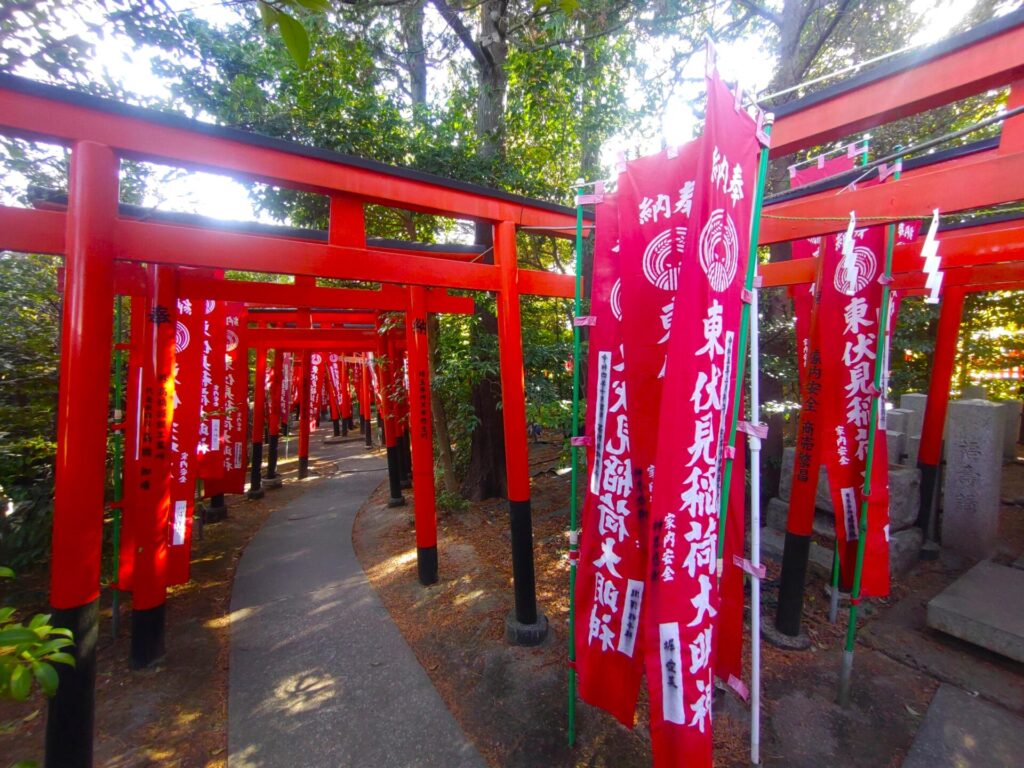
- Number of Torii Gates: Approx. 100+ (Densely packed like a maze in the “O塚” [Otsuka] area in the back)
- Crowd Level: (Relatively calm even on weekends, allowing you to walk at your own pace)
- Atmosphere: [Solemn / Forest Bathing] Surrounded by trees, offering a mystical air closest to Fushimi Inari in Kyoto.
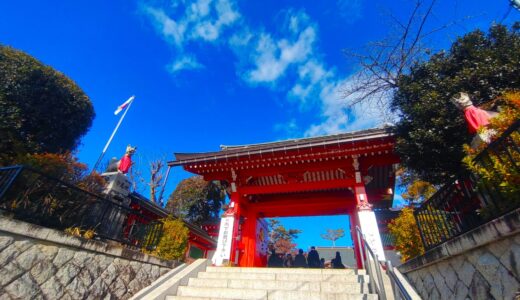
This is the central hub of Inari faith in eastern Japan, founded by welcoming a divided divine spirit (bunrei) from the famous Fushimi Inari Taisha in Kyoto. In the back of the grounds lies a sacred area called “Otsuka,” where more than 100 vermilion torii gates wrap through the deep greenery like a maze. Stepping inside wraps you in a solemn silence so profound that it makes you completely forget you are in Tokyo.
🎨 “Senbon Torii” in Tokyo: Breathtaking Harmony of Architectural Beauty and Nature
2.Nezu Shrine (Otome Inari Shrine) (Bunkyo Ward)
A Vermilion Tunnel Adorned with Azaleas, Melding with Shrine Buildings Designated as Important Cultural Properties
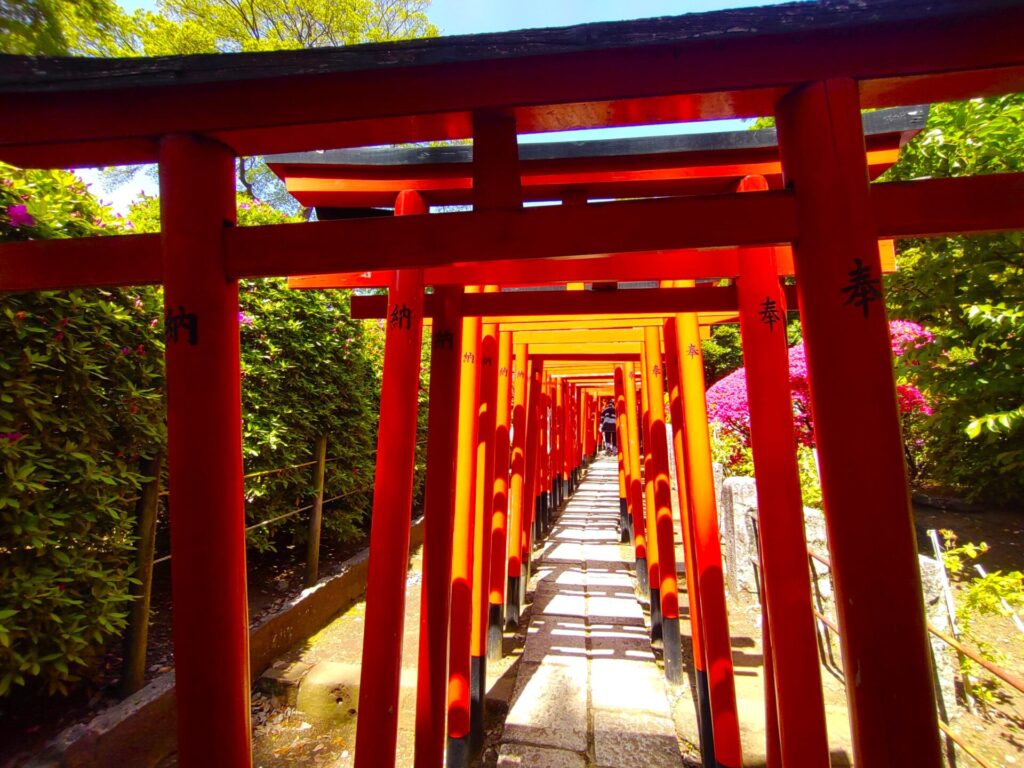
- Number of Torii Gates: Approx. 170+ (A magnificent, straight single path piercing from north to south)
- Crowd Level: ⭐⭐⭐⭐⭐ (Extremely crowded during the azalea season; weekday mornings are the best target normally)
- Atmosphere: [Gorgeous / Traditional Beauty] A stunning contrast between the neat rows of vermilion and the Important Cultural Property shrine buildings.
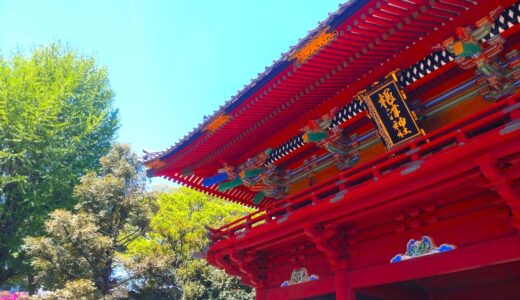
Nezu Shrine miraculously preserves Edo-period architecture built by the 5th Tokugawa Shogun, Tsunayoshi. On the western side of its grounds, high-prestige vermilion torii gates stand tightly lined in a row. In spring, the adjacent azalea garden (Tsutsuji-en) dyes the landscape in five vibrant colors, showcasing a spectacular harmony of green, vermilion, and floral hues. The space is filled with a warm air that feels as though it gently embraces and supports women.
3.Hie Shrine (Sanno Inari Shrine) (Chiyoda Ward)
The Orderly Approach of “Sanno Inari,” Connecting Tokugawa History in the Heart of Nagatacho
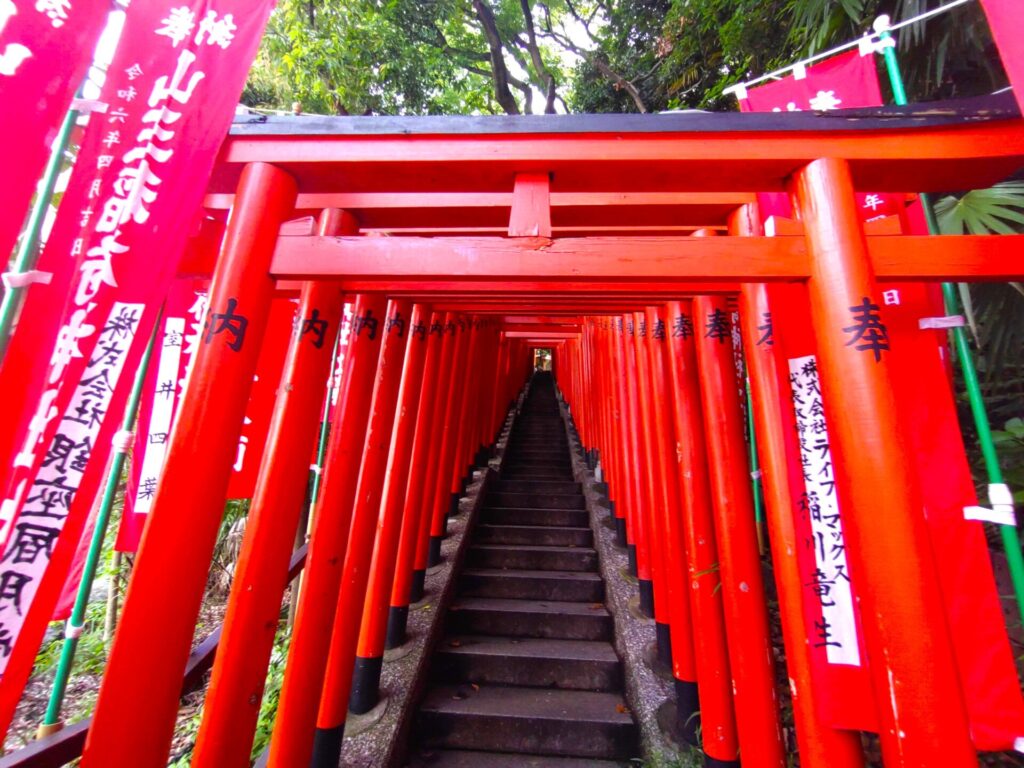
- Number of Torii Gates: Approx. 90 (An orderly appearance stretching along the steps)
- Crowd Level: (Due to being in a business district, it sees many people during weekday lunch hours and weekends; early morning worship is recommended)
- Atmosphere: [Urban / Sophisticated] A crisp, sacred spiritual barrier that suddenly appears right in the middle of a massive metropolis.
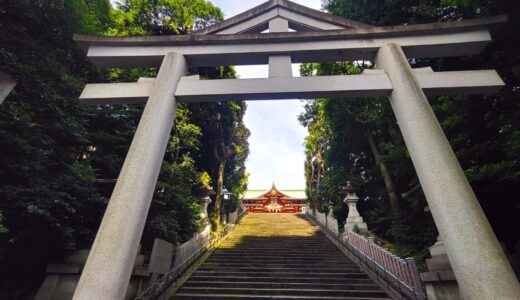
This highly prestigious shrine is closely tied to the Tokugawa family, having long protected the Ura-kimon (the back demon gate) of Edo Castle. On the opposite side of the main approach—which sits near the Prime Minister’s Official Residence and major office buildings—a spectacular row of Senbon Torii stands quietly along the secluded “Inari Pathway.” The contrast between the dedicated banners (nobori) fluttering in the wind and the endless red torii gates feels like a beautiful spiritual barrier manifested right in the heart of the grand city.
4.Anamori Inari Shrine (Ota Ward)
Historical Remnants That Once Numbered 40,000 Gates: Vermilion Prayers Stretching Close to the Haneda Sky
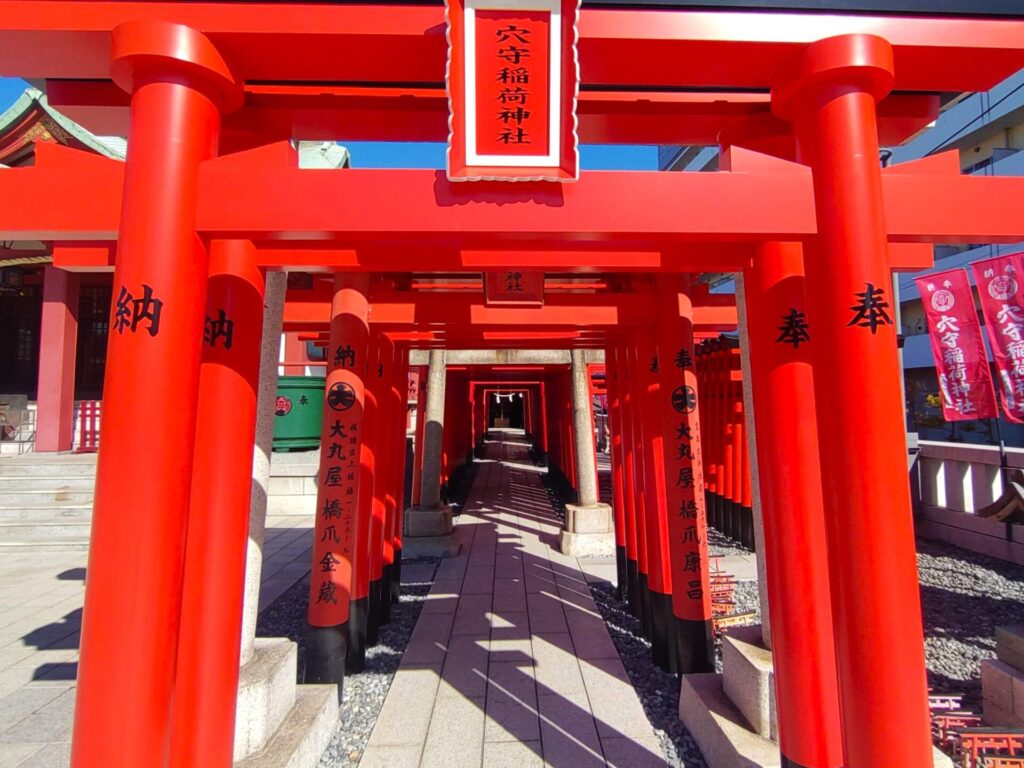
- Number of Torii Gates: Numerous (A Senbon Torii path leading from the right side of the main hall to the Okunomiya inner shrine)
- Crowd Level: (The grounds are spacious, allowing you to explore leisurely without feeling crowded)
- Atmosphere: [Open / Place of Prayer] The Haneda sky feels close, offering a crisp, refreshing, and lively air.
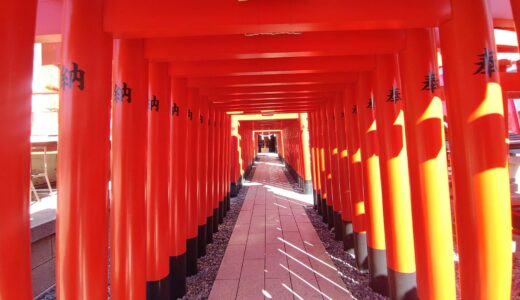
Enshrined right near Haneda Airport, this sanctuary has been deeply revered since ancient times as a deity for travel safety and good fortune. It boasts an overwhelming history where more than 40,000 torii gates were once dedicated, and a beautifully refined path of Senbon Torii still stands proudly to the right of the main hall today. The “Amulet Sand” (Shofuku no Suna) obtainable at the Okunomiya inner shrine serves as another subtle, must-see highlight unique to this historic shrine.
🌲 “Senbon Torii” in Tokyo: Deep and Solemn “Hidden Famous Spots”
5.Takeyoshi Inari Daimyojin (Toshima Ward)
A Tiny Local Guardian Deity Within the Kishimojinto Grounds, Shielded by a 700-Year-Old Grand Ginkgo Tree

- Number of Torii Gates: Approx. 20–30 (Short but densely packed together)
- Crowd Level: (Worshippers visit continuously, but it remains calm and not overly noisy)
- Atmosphere: [Nostalgic / Shitamachi Downtown Flair] Sunlight filtering through the grand ginkgo tree, holding remnants of good old Edo.

This shrine stands right beside a grand ginkgo tree (O-ichou) possessing overwhelming life force, towering within the precincts of the Zoshigaya Kishimojinto Temple. In truth, it is the local guardian deity (Janishin) that protected this land long before the Kishimojinto hall was ever built, and it is also affectionately known as the “Shusse Inari” (Inari of Career Success). Within the beautifully nostalgic grounds, the vivid vermilion creates an exceptionally striking contrast.
6.Oji Inari Shrine (Kita Ward)
The “Grand Overseer of Kanto Inari Shrines” Revolved by the Tokugawa Shoguns: A Prestigious Sanctuary Depicted in Rakugo

- Number of Torii Gates: Approx. 20–30 (Historic torii gates lined along a slope and stone steps)
- Crowd Level: (An ultimate hidden gem where you can pray in deep silence, completely free from heavy commercial tourism)
- Atmosphere: [Deep / Highly Sacred & Efficacious] A unique, profound silence leading to the “O-ikutsu” rock cave in the back.
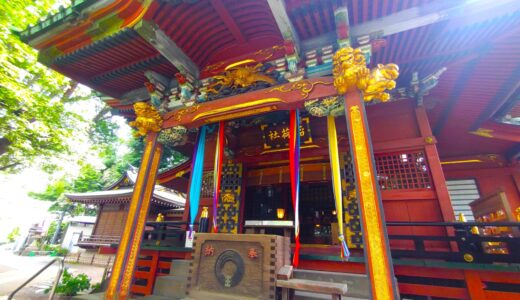
During the Edo period, this shrine was granted an exceptionally high status as the “Grand Overseer of Inari Shrines across the Eight Kanto Provinces” (Kanhasshu Inari Sosaji) and received deep devotion from successive Tokugawa Shoguns. It is also highly famous as the setting for the classical Rakugo comic storytelling piece “The Foxes of Oji.” Passing through the tunnel of old torii gates lined along the slope in the back of the grounds leads to the “O-ikutsu” (sacred rock cave) where foxes were believed to have lived, allowing the depth of history and spiritual solemnity to physically tingle against your skin.
🍃 Short but Offering Overwhelming Immersion! “Secret Tunnels” Connecting to Another World
7.Hanazono Inari Shrine (Taito Ward)
A Vermilion Slope Hidden on the Ueno Hills: A Sacred Fox Cave Breathing Since the Era of Kaneiji Temple

- Number of Torii Gates: Approx. 40 (A beautiful landscape packed tightly along the slope of stone steps)
- Crowd Level: (Being inside Ueno Park, it gets lively on weekend afternoons, but mornings are exceptionally quiet)
- Atmosphere: [Mystical / Historical Romance] The sensation of being pulled instantly from a bustling park into a “spiritual barrier” of deep green and vermilion.

Stepping just a single side path away from the bustling thoroughfares of Ueno Park reveals the beautiful torii gate tunnel of Hanazono Inari Shrine right before your eyes. Along the stone steps descending the slope of Shinobugaoka, vivid vermilion torii gates are tightly clustered without gaps, providing an overwhelming sense of immersion as if you are being guided into an entirely different world.
8.Nogi Shrine (Akasaka Oji Inari Shrine) (Minato Ward)
Neat and Orderly Vermilion Steps Manifesting Within a Sophisticated, Green Shrine Complex

- Number of Torii Gates: Approx. 20+ (Small and beautiful torii gates)
- Crowd Level: (Located right outside Nogizaka Station, but the sub-shrine in the back of the grounds is quiet)
- Atmosphere: [Pure / Modern] A neat, dignified space harmonizing with the sophisticated greenery of the grounds.
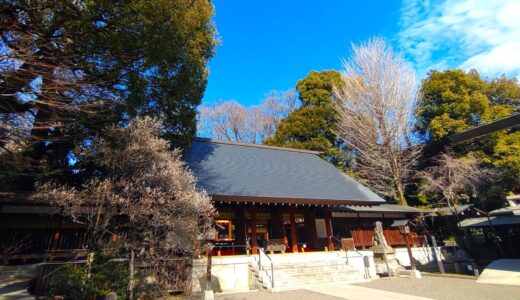
This is a sub-shrine quietly nestled within the lush, green grounds of Nogi Shrine. Along the gentle slope of the stone steps, bright wooden torii gates are lined up in a beautifully orderly and tightly knit fashion. It is a space resembling a hidden hideaway for adults, characterized by a crisp, urban, and sophisticated air.
9.Toyosaka Inari Shrine (Shibuya Ward)
In the Shadows of Shibuya’s Skyscrapers: A Hidden Gem to Forget the Hustle and Bustle, Nestled Across from Konno Hachimangu
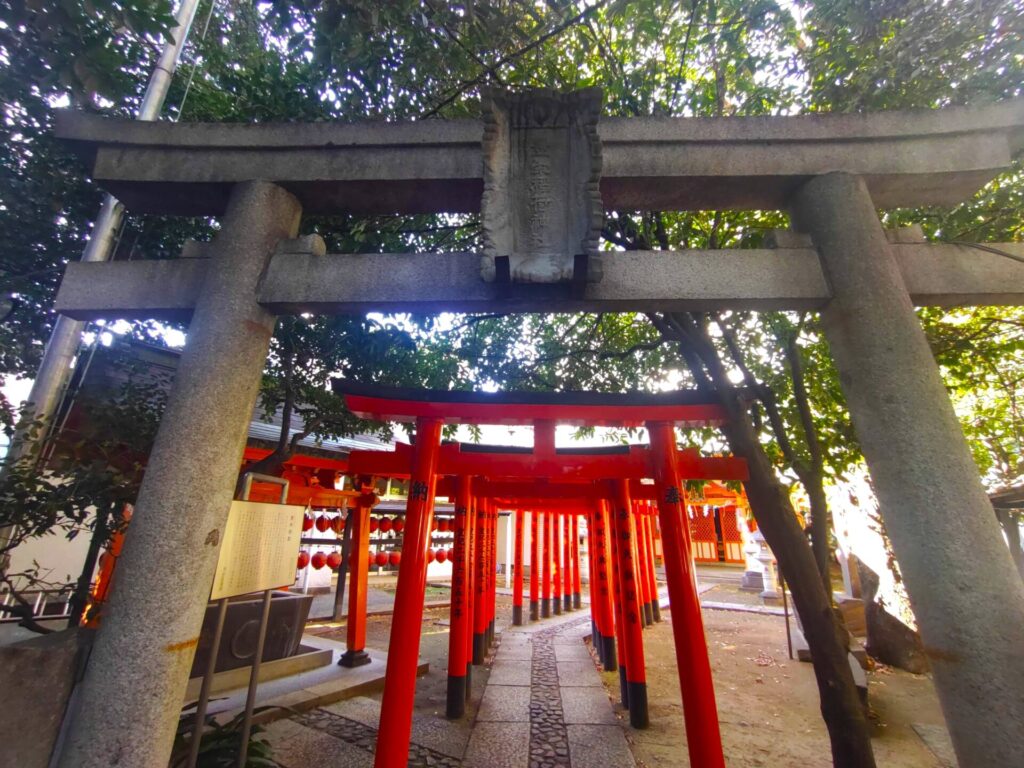
- Number of Torii Gates: Approx. 10–15 (Densely packed within a compact precinct)
- Crowd Level: (Unbelievably quiet with very few people, making it hard to believe it sits near Shibuya Station)
- Atmosphere: [Hideaway / A Pocket of Air in Daily Life] A sudden sensation of entering another world hidden in the shadows of urban buildings.
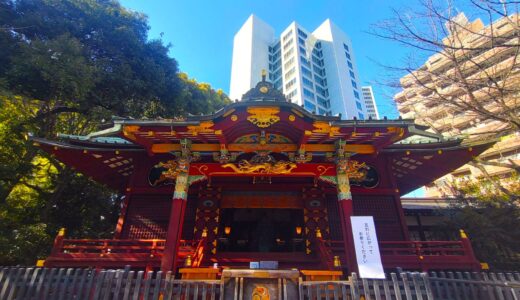
Situated within easy walking distance from Shibuya Station, this shrine stands directly across from the historic Konno Hachimangu Shrine. Despite its compact grounds, stepping inside welcomes you with a dense tunnel of dedicated red torii gates. You can experience a mysterious sensation of tripping into another dimension as the city sounds of Shibuya are instantly drowned out.
10.Hanazono Shrine (Itoku Inari Shrine) (Shinjuku Ward)
Right Next to the Sleepless Town of Kabukicho: Wooden Torii Gates Enchantingly Lit by Evening Lanterns

- Number of Torii Gates: Approx. 15–20 (Wooden torii gates with a rich, seasoned texture)
- Crowd Level: (People increase from late afternoon onward and on weekends, but daytime is relatively calm)
- Atmosphere: [Illusionary / Mature City Atmosphere] The air unique to Shinjuku, where the enchantment deepens when the evening lanterns are lit.

Towering within the grounds of Hanazono Shrine—the grand guardian deity of Shinjuku—lies this power spot known to those in the know. Along a short approach surrounded by trees, seasoned red wooden torii gates are packed tightly together. From dusk onward, the lanterns are lit, casting a somewhat enchanting and illusionary atmosphere unique to the mature city district of Shinjuku.
11.Shinagawa Shrine (Ana Inari Shrine) (Shinagawa Ward)
A Site Associated with Minamoto no Yoritomo and Tokugawa Ieyasu: A Path of Prayer Leading to a Spring of Infinite Abundance
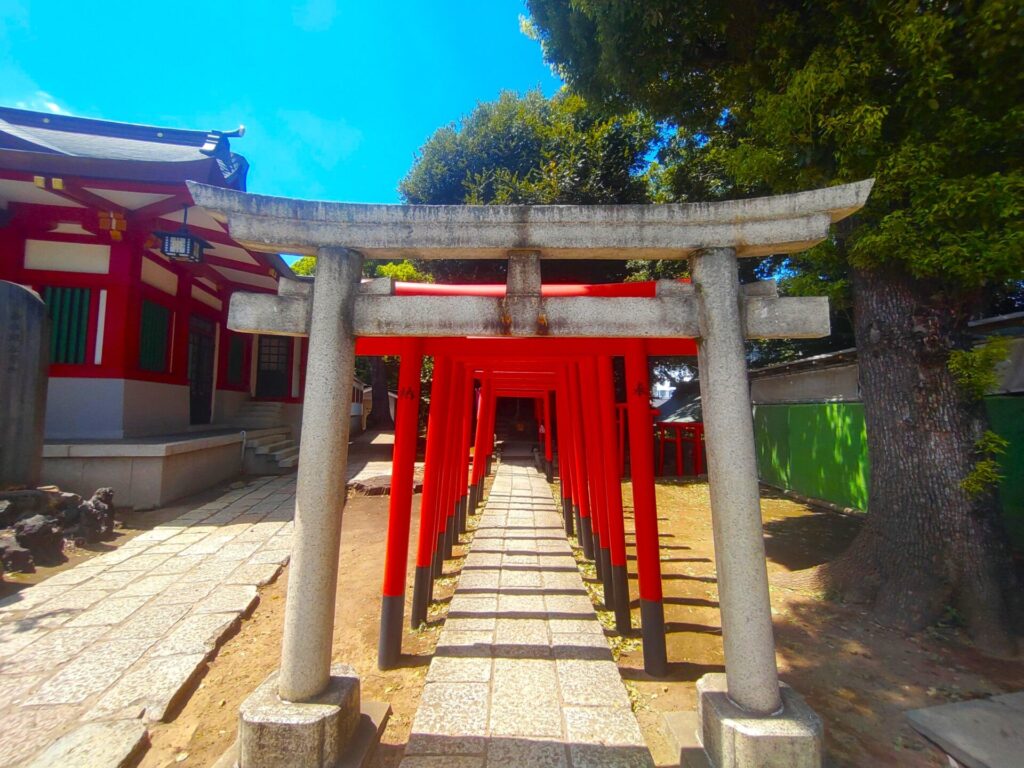
- Number of Torii Gates: Approx. 20–30 (A unique structure descending down a set of stairs)
- Crowd Level: (While there are climbers for the Fujizuka mound, the Inari approach remains calm)
- Atmosphere: [Historical Romance / Mystical] An exciting, adventurous silence leading toward the spring of infinite abundance.
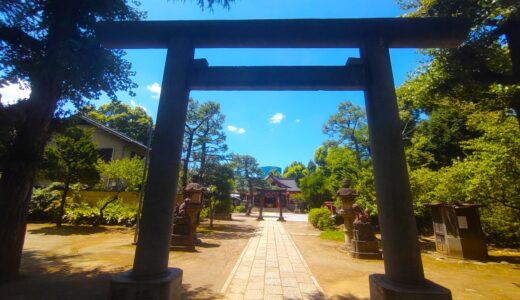
Shinagawa Shrine was founded by Lord Minamoto no Yoritomo, and Tokugawa Ieyasu famously prayed here for victory before the Battle of Sekigahara. To the right of its main hall lies a mystical path of Senbon Torii. Descending the stairs through the torii gates leads to the upper and lower shrines, where the “Ichiryu-manbai Sacred Spring”—renowned for its divine blessings in boosting financial luck—gushes forth. Worshippers can enjoy their visit while immersing themselves in historical romance.
Admin’s Impressions
While journeying through the shrines introduced this time, I realized once again just how close the distance between people and the deities is in the city of Tokyo. Although they cannot match the sheer power and scale of the original head shrine boasting tens of thousands of gates, I feel that they are packed tightly with the deep faith of the people of Edo and Tokyo, who treasured their deities so much that they packed torii gates into whatever limited urban spaces they could find. Passing through a torii gate after learning its historical background makes it look entirely different. This article will be updated continuously as needed.
A Request When Visiting Shrines

To protect these sacred spaces: while torii gates are incredibly beautiful and highly photogenic locations, they are not backdrops for fitness challenges or social media performances. They are traditional religious structures that mark the entrance to a sacred space. Hanging from the torii gates, dancing, or blocking walkways for photoshoots disrupts the serene atmosphere and constitutes a lack of respect toward the local culture. Let us enjoy and protect these beautiful spaces together with respect.

