 Kanata's Japan Shrine Guide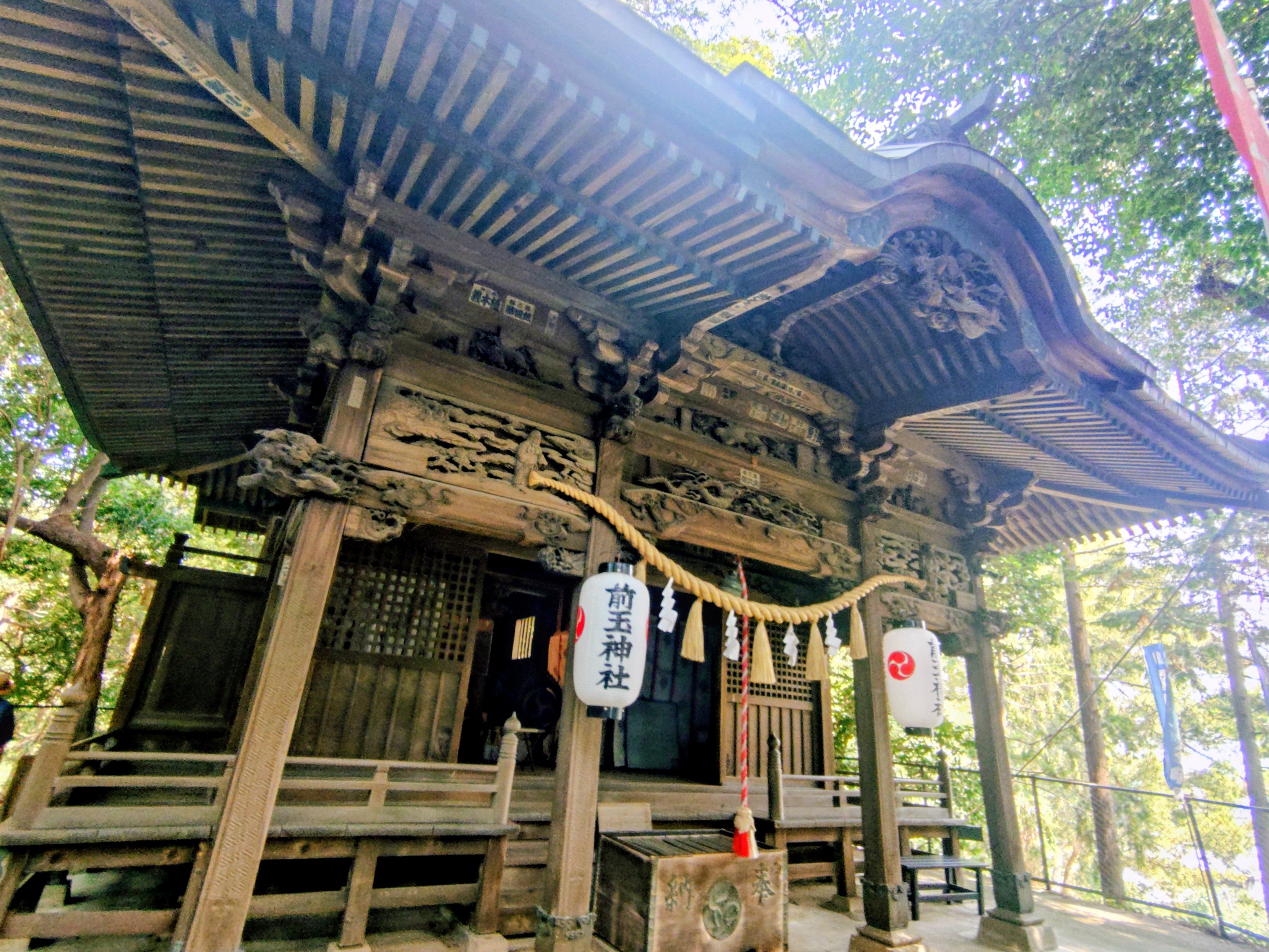

目次
- 【Overview of Sakitama Shrine】
- 【Origins and History of Sakitama Shrine】
- 【Sacred Tree of Sakitama Shrine】
- 【Torii Gate of Sakitama Shrine】
- 【Wind Chime Approach of Sakitama Shrine】
- 【Temizuya Purification Pavilion of Sakitama Shrine】
- 【Kagura-den Sacred Dance Stage of Sakitama Shrine】
- 【Chinowa Kuguri (Cogon Grass Ring Ritual)】
- 【Sakitama Shrine Main Buildings】
- 【Sakitama Shrine Sub-Shrine: Sengen Shrine】
- 【Ryusen Pond of Sakitama Shrine】
- 【Sakitama Shrine Goshuin】
- 【Kanazawa Seika (Sweets Shop)】
- 【Nearby Tourist Spots】
- 【Sakitama Shrine Access】
- Admin’s Impressions
- Sakitama Shrine Address
- Sakitama Shrine Official Website
【Overview of Sakitama Shrine】
Sakitama Shrine (Sakitama-jinja) is an ancient shrine located in Gyoda City, Saitama Prefecture, with a history spanning over a thousand years, and is recognized as the birthplace of the prefecture’s name, “Saitama.” The shrine buildings are constructed atop an ancient burial mound (kofun) called Sengenzuka, located within the Sakitama Kofun Cluster.
【Origins and History of Sakitama Shrine】
Although the exact date of its founding is unknown, inscriptions on an iron sword excavated from the Inariyama Kofun reveal that the authority of the Yamato Imperial Court already reached this region in the late 5th century. Consequently, it is estimated to date back to the Kofun period (late 400s to early 500s), over a century earlier than the Taika Reform (645). It is believed to have begun when local ruling families and chieftains of Northern Musashi Province, who built the neighboring Sakitama Kofun Cluster, enshrined deities here as guardian gods (Kunitsukami) to protect the burial mounds. As a remnant of ancient worship practices, the shrine buildings face the surrounding burial mounds as if offering prayers toward them.
The primary enshrined deities are Sakitamahiko no Mikoto and Sakitamahime no Mikoto.
【Sacred Tree of Sakitama Shrine】
![20260802 095224725 2 1024x768 - Sakitama Shrine [Saitama]](https://japan-shrine.info/wp-content/uploads/20260802_095224725-2-1024x768.jpg "Sakitama Shrine [Saitama]")
Standing at the entrance of the shrine approach, the sacred Inumaki (yew plum pine) tree boasts an estimated age of around 600 years and a height of approximately 20 meters, making it the largest Inumaki tree in Saitama Prefecture. Tradition holds that it was dedicated and planted by followers of the “Mitakesan Faith,” which was popular from the Edo to Meiji periods.
![20260802 095254577 1024x768 - Sakitama Shrine [Saitama]](https://japan-shrine.info/wp-content/uploads/20260802_095254577-1024x768.jpg "Sakitama Shrine [Saitama]")
At the center of its trunk is a large hollow formed over centuries, inside of which a stone monument dedicated to “Kiso Mitake Shrine” was enshrined, completely encased by the tree. It was designated as a Natural Monument by Gyoda City in 1964.
【Torii Gate of Sakitama Shrine】
The “Ichi-no-Torii” (First Torii Gate) standing at the entrance to the approach is a historic stone gate built in 1676 (Enpo 4) during the early Edo period, designated as a Tangible Cultural Property (Structure) by Gyoda City in 1999.
![20260802 095405909 1024x768 - Sakitama Shrine [Saitama]](https://japan-shrine.info/wp-content/uploads/20260802_095405909-1024x768.jpg "Sakitama Shrine [Saitama]")
The stone tablet (hengaku) mounted at the center of the torii is engraved with the characters for “Mount Fuji” (富士山). This is believed to be a remnant from the Edo period when the shrine, situated atop the Sengenzuka Kofun, was affectionately known as “Sengen Shrine” (a faith honoring Mount Fuji as a sacred object of worship).
【Wind Chime Approach of Sakitama Shrine】
![20260802 095639074 1024x768 - Sakitama Shrine [Saitama]](https://japan-shrine.info/wp-content/uploads/20260802_095639074-1024x768.jpg "Sakitama Shrine [Saitama]")
Wooden wind chime racks are installed along the approach path, filling the air with a soothing, refreshing melody whenever the breeze blows through. Since ancient times, the sound of wind chimes has carried the symbolic meaning of warding off evil spirits and cleansing misfortune. Walking through this tunnel of wind chimes while praying for good health and protection during the remaining half of the year helps purify both mind and body while enduring the intense summer heat.
【Temizuya Purification Pavilion of Sakitama Shrine】
![20260802 095622235 1024x768 - Sakitama Shrine [Saitama]](https://japan-shrine.info/wp-content/uploads/20260802_095622235-1024x768.jpg "Sakitama Shrine [Saitama]")
To bring peace and comfort to visitors, Gyoda City regularly hosts “Hana-Chozu Week” every month (mainly from the 1st to the 14th). The temizuya (purification pavilion) at Sakitama Shrine serves as one of the main venues, with seasonal flowers (such as early summer hydrangeas, roses, and carnations) floating abundantly in the water basin, gorgeously arranged according to a different theme each time.
【Kagura-den Sacred Dance Stage of Sakitama Shrine】
![20260802 100533617 1024x768 - Sakitama Shrine [Saitama]](https://japan-shrine.info/wp-content/uploads/20260802_100533617-1024x768.jpg "Sakitama Shrine [Saitama]")
Along the approach path, the Kagura-den (Sacred Dance Stage) comes into view. Every summer (around late July to early August), a special event called “Shichisekigi” (Tanabata Ritual) takes place on this stage. At the time of my visit, the festival had just concluded, and clean-up preparations were underway.
【Chinowa Kuguri (Cogon Grass Ring Ritual)】
![20260802 095704213 1024x768 - Sakitama Shrine [Saitama]](https://japan-shrine.info/wp-content/uploads/20260802_095704213-1024x768.jpg "Sakitama Shrine [Saitama]")
To cleanse away the sins and impurities unintentionally accumulated during the first half of the year (January to June) and to pray for health and safety during the second half, a chinowa (a large ring made of cogon grass) is installed every year from late June through July, extending into the Tanabata festival period in August.
【Sakitama Shrine Main Buildings】
Unusually in Japan, the worship hall (Haiden) and main sanctuary (Honden) stand atop the summit of Sengenzuka Kofun, a mound approximately 8.7 meters high. Sengenzuka Kofun is a large round burial mound (enfun) constructed in the early 7th century (the final phase of the Kofun period).
![20260802 100200350 1024x768 - Sakitama Shrine [Saitama]](https://japan-shrine.info/wp-content/uploads/20260802_100200350-1024x768.jpg "Sakitama Shrine [Saitama]")
Because it remains a sacred shrine sanctuary (Goshintai) to this day, conducting large-scale archaeological excavations is difficult, leaving its true details protected as an ancient mystery.
![20260802 095846320 1024x768 - Sakitama Shrine [Saitama]](https://japan-shrine.info/wp-content/uploads/20260802_095846320-1024x768.jpg "Sakitama Shrine [Saitama]")
Detailed three-dimensional carvings depicting powerful dragons, lions, and mountain hermits adorn the pillars and beams of the shrine structure in two tiers. These intricate designs crafted under the eaves are said to be the work of Ryoun Uchiyama, a master sculptor active during the Taisho era. Beautifully highlighting the natural wood grain, they further enhance the building’s solemn atmosphere.
【Sakitama Shrine Sub-Shrine: Sengen Shrine】
Between the Sengoku and Edo periods, it was relocated from within nearby Oshi Castle to its current position on Sengenzuka Kofun. During the pre-Meiji era of Shinto-Buddhist syncretism, the main sanctuary at the top of the burial mound was called “Kami-no-Miya” (Upper Shrine) and Sengen Shrine halfway up the slope was called “Shimo-no-Miya” (Lower Shrine), revered together as a unified sacred site. It is cherished as a shrine for safe childbirth, child-rearing, and protection against fires.
![20260802 095733988 1024x768 - Sakitama Shrine [Saitama]](https://japan-shrine.info/wp-content/uploads/20260802_095733988-1024x768.jpg "Sakitama Shrine [Saitama]")
The primary enshrined deity is Konohanasakuya-hime no Mikoto.
【Ryusen Pond of Sakitama Shrine】
Ryusen Pond (Ryusen-ike) is a mystical pond where a Dragon Deity (Ryujin), a water god, is enshrined. Since ancient times, it has been said that this pond holds the “power of the Dragon King to protect the natural and human worlds, and to cleanse away illness and disaster.”
![20260802 100317985 1024x768 - Sakitama Shrine [Saitama]](https://japan-shrine.info/wp-content/uploads/20260802_100317985-1024x768.jpg "Sakitama Shrine [Saitama]")
The style of enshrining a Dragon Deity (water god) by the poolside shares deep commonalities with the myths and ritual culture of the Izumo region. Historical speculation suggests that Izumo clans who migrated to this area in ancient times may have begun worshipping this pond as a sacred site presiding over water. On select days such as weekends and national holidays, an artificial mist (“sea of clouds”) effect is produced as part of a local Gyoda City event.
【Sakitama Shrine Goshuin】
![sakitama jinja GOSHUIN 736x1024 - Sakitama Shrine [Saitama]](https://japan-shrine.info/wp-content/uploads/sakitama-jinja-GOSHUIN-736x1024.jpeg "Sakitama Shrine [Saitama]")
【Kanazawa Seika (Sweets Shop)】
![20260802 101107956 1024x768 - Sakitama Shrine [Saitama]](https://japan-shrine.info/wp-content/uploads/20260802_101107956-1024x768.jpg "Sakitama Shrine [Saitama]")
Kanazawa Seika is a historic Japanese confectionery shop located right next to Sakitama Shrine (just outside the gate), founded in 1858 (Ansei 5). Boasting a history of over 150 years, it offers simple, nostalgic Japanese sweets crafted with domestic ingredients and traditional artisan handiwork. It is an extremely popular stopping point for visitors worshipping at Sakitama Shrine or touring the nearby Sakitama Kofun Cluster.
![20260802 165610460 1024x768 - Sakitama Shrine [Saitama]](https://japan-shrine.info/wp-content/uploads/20260802_165610460-1024x768.jpg "Sakitama Shrine [Saitama]")
“Neko Monaka” (cat-shaped wafer sandwiches filled with red bean paste) is an immensely popular souvenir created after the resident mascot cats living at adjacent Sakitama Shrine. Since its release in late October 2020, word-of-mouth praise describing it as “too cute” has spread widely among cat-loving worshippers and tourists. *Note: The photo shows my own cat.
![weekend drive gyoda historic retro route - Sakitama Shrine [Saitama]](https://japan-shrine.info/wp-content/uploads/weekend-drive-gyoda-historic-retro-route.jpg "Sakitama Shrine [Saitama]")
Routes to Gyoda City are summarized below. We hope you find this helpful as a reference.
【Nearby Tourist Spots】
Sakitama Museum of the Sakitama Ancient Burial Mounds, Gyoda Tower, Vert Cafe (Former Oshi Town Credit Union Building), Gyoda Hachimangu Shrine, Oshi Castle Three-Story Yagura (Turret), Oshi Toshogu Shrine
![20260802 102935112 2 - Sakitama Shrine [Saitama]](https://japan-shrine.info/wp-content/uploads/20260802_102935112-2.jpg "Sakitama Shrine [Saitama]")
![20260802 091029271 2 - Sakitama Shrine [Saitama]](https://japan-shrine.info/wp-content/uploads/20260802_091029271-2.jpg "Sakitama Shrine [Saitama]")
![20260802 113325654 - Sakitama Shrine [Saitama]](https://japan-shrine.info/wp-content/uploads/20260802_113325654.jpg "Sakitama Shrine [Saitama]")
![20260802 121415222 2 - Sakitama Shrine [Saitama]](https://japan-shrine.info/wp-content/uploads/20260802_121415222-2.jpg "Sakitama Shrine [Saitama]")
![20260802 130256702 - Sakitama Shrine [Saitama]](https://japan-shrine.info/wp-content/uploads/20260802_130256702.jpg "Sakitama Shrine [Saitama]")
![20260802 123655916 - Sakitama Shrine [Saitama]](https://japan-shrine.info/wp-content/uploads/20260802_123655916.jpg "Sakitama Shrine [Saitama]")
【Sakitama Shrine Access】
Admin’s Impressions
I visited Sakitama Shrine, a place steeped in over a thousand years of history and recognized as the birthplace of Saitama Prefecture’s name. Passing through the chinowa ring along the approach path—filled with vibrant seasonal hana-chozu and the echoing melodies of colorful wind chimes—my mind and spirit felt purified despite the summer heat. Ascending to the top of Sengenzuka Kofun, I was overwhelmed by the intricate Taisho-era wood carvings at the worship hall. It was a wonderful pilgrimage wrapped in ancient prayers and modern healing.
![fd006b0df942d8ea169c89e635d124aa - Sakitama Shrine [Saitama]](https://japan-shrine.info/wp-content/uploads/sng/fd006b0df942d8ea169c89e635d124aa.jpg "Sakitama Shrine [Saitama]")