 Kanata's Japan Shrine Guide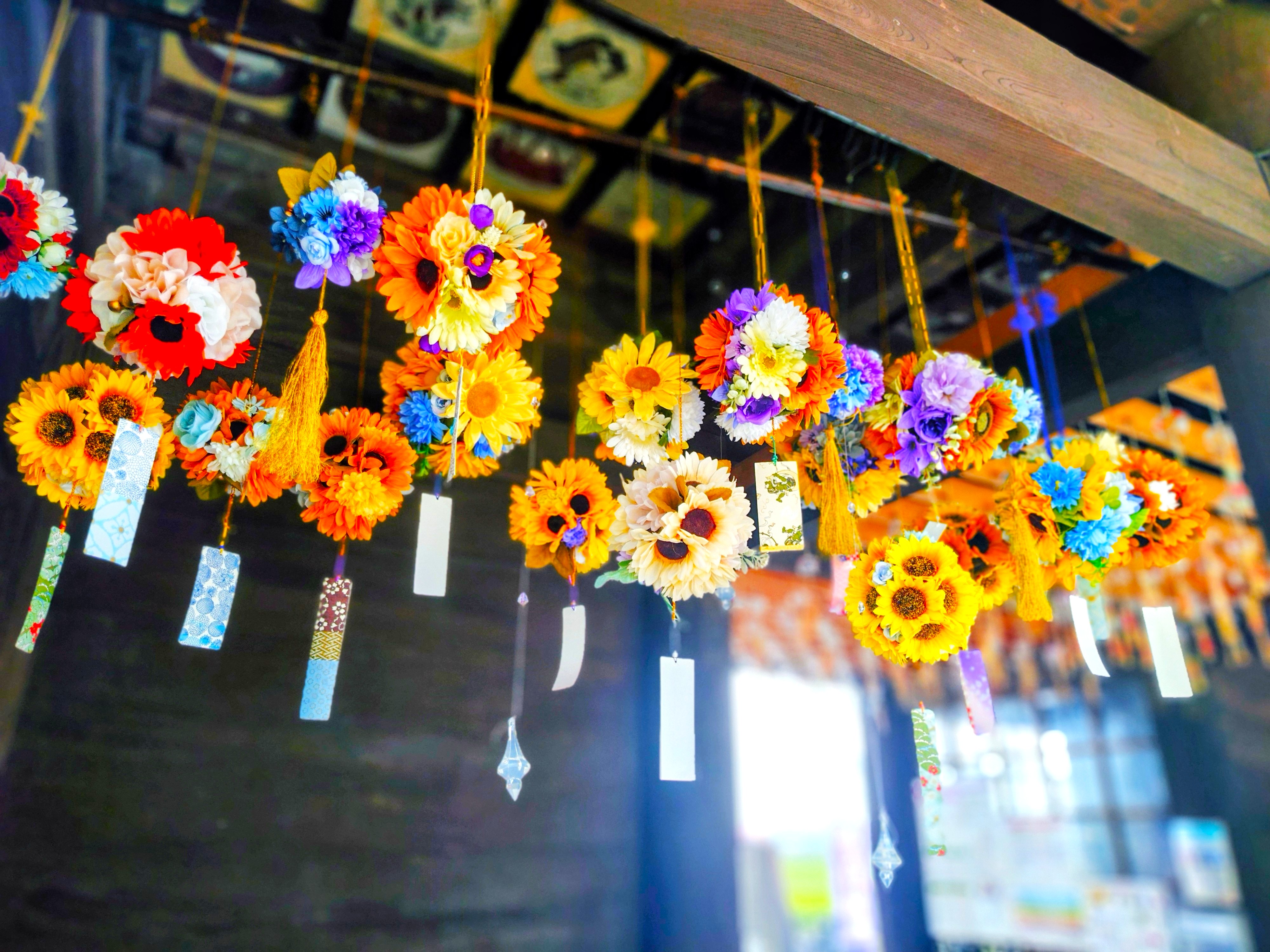

目次
- 【Overview of Ryusenji Temple】
- 【Niomon Gate of Ryusenji Temple】
- 【Main Hall (Daishido) of Ryusenji Temple】
- 【Kannondo Hall of Ryusenji Temple】
- 【Purification Bell (Bell Tower) of Ryusenji Temple】
- 【Inari Shrine of Ryusenji Temple】
- 【Six Fortune Jizo of Ryusenji Temple】
- 【Heisei Anzen Dai-Kannon of Ryusenji Temple】
- 【Ryusenji Temple Goshuin】
- 【Nearby Tourist Spots】
- 【Ryusenji Temple Access】
- Admin’s Impressions
- Ryusenji Temple Address
- Ryusenji Temple Official Website
【Overview of Ryusenji Temple】
aitama Yakuyoke Kaiun Daishi (Ryusenji Temple) is one of Japan’s Three Great Yakuyoke Kaiun Daishi temples. Known as the only temple in the Kanto region where worshippers can simultaneously receive the dual blessings of repelling misfortune (yakuyoke) and inviting good fortune (kaiun), it is also the only temple in Japan to enshrine two gleaming golden statues of Kobo Daishi together. Countless worshippers visit throughout the year.
【Origins and History of Ryusenji Temple】
While the exact year of its founding remains unknown, temple traditions trace its history back roughly 1,200 years (to the early Heian period, around 794–900 AD). During the Heian period, Kobo Daishi Kukai, founder of Shingon Buddhism, visited (pilgrimaged to) this land, marking a major turning point in the temple’s history. It is presumed that some form of sacred site (such as a predecessor hall) existed even before Kukai’s visit, and through its deep connection with him, it developed into a sacred site of Shingon Buddhism.
Long before the temple’s official founding, approximately 1,200 years ago, legend has it that Senju Kannon Bosatsu (the Thousand-Armed Kannon) emerged (spring-surged) from a nearby pond called “Sayama-ga-ike.” Enshrining this Kannon became a symbolic origin story, eventually establishing the temple as a site of profound local devotion known as “Kumagaya Kannon.”
The principal deities enshrined here are two golden Daishi statues (Kobo Daishi / Kukai)—”Yakuyoke Konjiki Daishi” and “Kaiun Konjiki Daishi”—along with Fudo Myo-o and other deities.
【Niomon Gate of Ryusenji Temple】
![20260802 133652797 1024x768 - Saitama Yakuyoke Kaiun Daishi Ryusenji Temple [Saitama]](https://japan-shrine.info/wp-content/uploads/20260802_133652797-1024x768.jpg "Saitama Yakuyoke Kaiun Daishi Ryusenji Temple [Saitama]")
Constructed in 1832 (Tenpo 3), this grand, imposing temple gate radiates solid dignity.
![20260802 133709526 1024x768 - Saitama Yakuyoke Kaiun Daishi Ryusenji Temple [Saitama]](https://japan-shrine.info/wp-content/uploads/20260802_133709526-1024x768.jpg "Saitama Yakuyoke Kaiun Daishi Ryusenji Temple [Saitama]")
Flanking the left and right sides of the gate are a pair of Nio statues (Kongo Rikishi), standing guard with sharp, piercing eyes to prevent evil from entering the temple grounds. During the summer, wind chimes are hung to create a cool, refreshing atmosphere.
【Main Hall (Daishido) of Ryusenji Temple】
This central structure houses the secret Buddha statues (hibutsu)—the two Golden Daishi Statues (Evil-Warding & Good-Fortune).
![20260802 134647861 1024x768 - Saitama Yakuyoke Kaiun Daishi Ryusenji Temple [Saitama]](https://japan-shrine.info/wp-content/uploads/20260802_134647861-1024x768.jpg "Saitama Yakuyoke Kaiun Daishi Ryusenji Temple [Saitama]")
Side by side, the two gleaming golden figures of “Yakuyoke Konjiki Daishi” and “Kaiun Konjiki Daishi” are enshrined. Ryusenji Temple is the only temple in Japan that enshrines Kobo Daishi in two separate forms representing warding off evil and bringing good fortune simultaneously. Every year during the New Year’s period (Hatsumode), a special unveiling (gohairyo/gokaicho) takes place, allowing worshippers to directly behold their golden forms.
![20260802 135311286 1024x768 - Saitama Yakuyoke Kaiun Daishi Ryusenji Temple [Saitama]](https://japan-shrine.info/wp-content/uploads/20260802_135311286-1024x768.jpg "Saitama Yakuyoke Kaiun Daishi Ryusenji Temple [Saitama]")
In front of the Main Hall stands the Statue of Kobo Daishi in Ascetic Training. This symbolic statue conveys to the present day the tradition that Kobo Daishi Kukai actually visited this land in the Heian period. In other words, this temple houses three statues of Kobo Daishi in total.
【Kannondo Hall of Ryusenji Temple】
![20260802 133809261 1024x768 - Saitama Yakuyoke Kaiun Daishi Ryusenji Temple [Saitama]](https://japan-shrine.info/wp-content/uploads/20260802_133809261-1024x768.jpg "Saitama Yakuyoke Kaiun Daishi Ryusenji Temple [Saitama]")
Featuring a refined Hogyo-zukuri (pyramidal roof style) structure, this hall strongly retains the architectural characteristics of the early Edo period. With its round pillars and a harmonious blend of Japanese (Wayo) and Chinese (Tang) design styles, it is designated as a Cultural Property of Kumagaya City. Enshrined here is the Senju Kanzeon Bosatsu (Kumagaya Kannon), who is said in temple origin lore to have emerged from the pond.
【Purification Bell (Bell Tower) of Ryusenji Temple】
![20260802 133931621 1024x768 - Saitama Yakuyoke Kaiun Daishi Ryusenji Temple [Saitama]](https://japan-shrine.info/wp-content/uploads/20260802_133931621-1024x768.jpg "Saitama Yakuyoke Kaiun Daishi Ryusenji Temple [Saitama]")
On the temple grounds stands the “Purification Bell,” which worshippers can strike themselves. Ringing the bell washes away internal negativity and daily stress, allowing visitors to offer prayers with a cleansed mind.
【Inari Shrine of Ryusenji Temple】
![20260802 134051667 1024x768 - Saitama Yakuyoke Kaiun Daishi Ryusenji Temple [Saitama]](https://japan-shrine.info/wp-content/uploads/20260802_134051667-1024x768.jpg "Saitama Yakuyoke Kaiun Daishi Ryusenji Temple [Saitama]")
Beyond the bell tower lies the Inari Shrine. Rather than an independent shrine, it functions as a Chinju-sha (tutelary shrine) built to protect the temple grounds and surrounding land—a classic remnant of Shinbutsu-shugo (the syncretism of Shinto and Buddhism).
【Six Fortune Jizo of Ryusenji Temple】
![20260802 134147752 1024x768 - Saitama Yakuyoke Kaiun Daishi Ryusenji Temple [Saitama]](https://japan-shrine.info/wp-content/uploads/20260802_134147752-1024x768.jpg "Saitama Yakuyoke Kaiun Daishi Ryusenji Temple [Saitama]")
The Six Fortune Jizo (Rokufuku Jizo) are deeply compassionate, merciful deities. It is said that praying to each Jizo figure one by one bestows six times the ordinary amount of happiness.
【Heisei Anzen Dai-Kannon of Ryusenji Temple】
![20260802 1343531052 1024x768 - Saitama Yakuyoke Kaiun Daishi Ryusenji Temple [Saitama]](https://japan-shrine.info/wp-content/uploads/20260802_1343531052-1024x768.jpg "Saitama Yakuyoke Kaiun Daishi Ryusenji Temple [Saitama]")
Standing 10 meters tall beside the Niomon Gate, the Heisei Anzen Dai-Kannon is a massive standing statue. Erected in 2006 (Heisei 18), it embodies prayers for “all safety”—so that visitors can lead daily lives free from accidents and misfortunes—as well as the wish for world peace.
【Ryusenji Temple Goshuin】
![ryusen ji GOSHUIN2 1024x687 - Saitama Yakuyoke Kaiun Daishi Ryusenji Temple [Saitama]](https://japan-shrine.info/wp-content/uploads/ryusen-ji-GOSHUIN2-1024x687.jpeg "Saitama Yakuyoke Kaiun Daishi Ryusenji Temple [Saitama]")
![ryusen ji GOSHUIN 1024x726 - Saitama Yakuyoke Kaiun Daishi Ryusenji Temple [Saitama]](https://japan-shrine.info/wp-content/uploads/ryusen-ji-GOSHUIN-1024x726.png "Saitama Yakuyoke Kaiun Daishi Ryusenji Temple [Saitama]")
【Nearby Tourist Spots】
Sekijo-ji Temple, Seikei-en Garden
![DSC 1100 520x300 - Saitama Yakuyoke Kaiun Daishi Ryusenji Temple [Saitama]](https://japan-shrine.info/wp-content/uploads/DSC_1100-520x300.jpg "Saitama Yakuyoke Kaiun Daishi Ryusenji Temple [Saitama]")
【Ryusenji Temple Access】
Admin’s Impressions
Though the temple grounds were somewhat smaller than I had anticipated, that scale lent it a wonderfully quiet and welcoming atmosphere. The path from the Main Hall to the Kannondo and Inari Shrine was easy to follow, making for an effortless walk. With highlights like the giant Heisei Anzen Dai-Kannon, vibrant floral purification basin (Hanachozu), and the famous paper-cut goshuin packed tightly into a compact space, it offered a deep, community-rooted faith that feels distinct from grand, flashy temples.