 Kanata's Japan Shrine Guide

目次
- 【Overview of Suwazan Kichijo-ji】
- 【The Sanmon Gate】
- 【The Shrine Approach (Sando)】
- 【The Great Buddha (Daibutsu)】
- 【The Myoga Inari Shrine】
- 【The Hondo (Main Hall)】
- 【The Massive Sendan Tree】
- 【The Shorodou (The Bell Tower)】
- 【The Kyozo (The Sutra Library)】
- 【The Grave Marker of Ninomiya Sontoku (Kinjiro)】
- 【Kichijo-ji Temple Goshuin】
- 【Nearby Tourist Spots (Within a 30-Minute Walk)】
- 【Kichijo-ji Temple Access】
- Admin’s Impressions
- Address of Kichijo-ji Temple
- Suwazan Kichijo-ji Temple Description Page
【Overview of Suwazan Kichijo-ji】
Suwazan Kichijo-ji Temple was founded in 1458 (Choroku 2). When the famous warrior commander Ota Dokan was constructing Edo Castle, a gold seal (or stone) engraved with the auspicious words “Kichijo Zojo” (meaning “Ever-Increasing Good Fortune and Prosperity”) was discovered inside a well. Viewing this as an exceptionally lucky omen (Kiccho), he invited a high priest named Seigan Shuyo to establish a small hermitage called Kichijo-an to celebrate the discovery, which marks the very beginning of this temple. Following its destruction in the Great Fire of Meireki in 1657 (Meireki 3), the temple was relocated to its current site in Honkomagome, Bunkyo Ward.
As a side note, the temple’s mountain name (Sango), “Suwazan” (Mount Suwa), originates from the fact that the land where it was originally built was located within the precincts (shrine grounds) of Suwa Shrine at the time.
The primary object of worship (Gohonzon) enshrined here is Shaka Nyorai (Shakyamuni Buddha).
【The Sanmon Gate】
![20260519 112509176 1024x768 - Kichijo-ji Temple [Tokyo]](https://japan-shrine.info/wp-content/uploads/20260519_112509176-1024x768.jpg "Kichijo-ji Temple [Tokyo]")
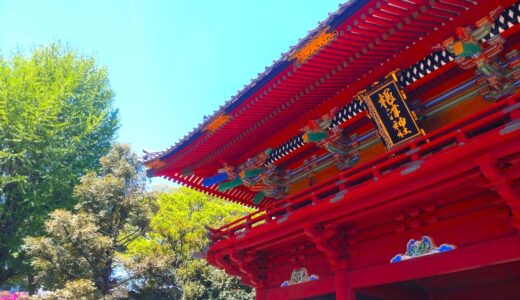
This majestic structure is a highly precious wooden, tile-roofed Yakuimon gate built around 1802 during the Edo period, having miraculously survived the devastating fires of the Tokyo Air Raids. The framed tablet hanging from the gate bears the inscription “Sendanrin” (旃檀林), which refers to the academic institution and monks’ quarters (Danrin) established within the Surugadai grounds of Kichijo-ji in 1592. A Danrin functions as a training seminary for monks and a center of academic Buddhist learning, and this specific institution serves as the direct predecessor to present-day Komazawa University.
【The Shrine Approach (Sando)】
![20260519 112633498 1024x768 - Kichijo-ji Temple [Tokyo]](https://japan-shrine.info/wp-content/uploads/20260519_112633498-1024x768.jpg "Kichijo-ji Temple [Tokyo]")
The straight approach stretching from the Sanmon gate toward the Main Hall is exceptionally spacious and wide. In the springtime, magnificent weeping cherry blossoms (Shidare-zakura) and Somei Yoshino cherry trees are said to beautifully frame and color the Main Hall.
【The Great Buddha (Daibutsu)】
![20260519 110841645 2 1024x768 - Kichijo-ji Temple [Tokyo]](https://japan-shrine.info/wp-content/uploads/20260519_110841645-2-1024x768.jpg "Kichijo-ji Temple [Tokyo]")
Sitting majestically beneath the open sky is a grand bronze seated statue of Shaka Nyorai. Having successfully endured the Great Kanto Earthquake and the devastation of World War II, this hidden gem continues to quietly watch over Kichijo-ji.
【The Myoga Inari Shrine】
![20260519 112259173 1024x768 - Kichijo-ji Temple [Tokyo]](https://japan-shrine.info/wp-content/uploads/20260519_112259173-1024x768.jpg "Kichijo-ji Temple [Tokyo]")
The Myoga Inari Shrine is a rare and unique sanctuary that has been deeply revered by the common people since the Edo period for possessing immense divine power (Reigen) in curing hemorrhoids (ji). When making a powerful, heartfelt wish to this Inari deity (specifically for the complete cure of hemorrhoids), there is a fascinating traditional custom of taking a unique vow called “Myoga-datsu” (Abstaining from Myoga).
While the prayer is active, worshippers completely refrain from eating myoga (Japanese ginger), even if it happens to be their absolute favorite vegetable. By doing so, they demonstrate the absolute sincerity and seriousness of their resolve to the gods and Buddhas to successfully obtain their divine protection.
![20260519 112331307 1024x768 - Kichijo-ji Temple [Tokyo]](https://japan-shrine.info/wp-content/uploads/20260519_112331307-1024x768.jpg "Kichijo-ji Temple [Tokyo]")
This practice is rooted in a clever play on words: the Buddhist term “Myoga” (冥加), which signifies the unseen, spontaneous protection and blessings received from the gods and Buddhas, shares the exact same pronunciation as the vegetable “Myoga” (茗荷). Thus, the ritual carries the symbolic meaning of “abstaining from the vegetable (Myoga) to receive the grand divine protection (Myoga).” *Conversely, another legend states that the name comes from a tradition where people offered their favorite myoga ginger to the shrine as a token of appreciation after being cured.
This is considered a variation of Monodachi (abstinence/taboo-breaking) worship, but Myoga Inari feels distinctly Buddhist in nature. Tokyo is home to several other famous shrines and temples tied to these abstinence beliefs, such as: Konnyaku Enma (abstaining from konnyaku konjac) and Chanoki Inari Shrine (abstaining from cha tea).
![20260220 120705666 520x300 - Kichijo-ji Temple [Tokyo]](https://japan-shrine.info/wp-content/uploads/20260220_120705666-520x300.jpg "Kichijo-ji Temple [Tokyo]")
![20260315 131943370 520x300 - Kichijo-ji Temple [Tokyo]](https://japan-shrine.info/wp-content/uploads/20260315_131943370-520x300.jpg "Kichijo-ji Temple [Tokyo]")
【The Hondo (Main Hall)】
![20260519 111533733 1024x768 - Kichijo-ji Temple [Tokyo]](https://japan-shrine.info/wp-content/uploads/20260519_111533733-1024x768.jpg "Kichijo-ji Temple [Tokyo]")
As you follow the approach forward, the Main Hall comes into view, revealing a remarkably vast, wide-open, and welcoming precinct.
![20260519 110523681 1024x768 - Kichijo-ji Temple [Tokyo]](https://japan-shrine.info/wp-content/uploads/20260519_110523681-1024x768.jpg "Kichijo-ji Temple [Tokyo]")
During the Edo period, this was a massive, sprawling temple complex featuring a magnificent layout known as the “Shichido Garan” (a complete seven-hall temple compound) where over 1,000 student monks studied simultaneously. Tragically, the Tokyo Air Raids of 1945 (Showa 20) reduced virtually everything to ashes, leaving only the Sanmon gate and the Kyozo (sutra library) standing. The current Main Hall was beautifully rebuilt as part of the post-war reconstruction project.
![20260519 110620905 1024x768 - Kichijo-ji Temple [Tokyo]](https://japan-shrine.info/wp-content/uploads/20260519_110620905-1024x768.jpg "Kichijo-ji Temple [Tokyo]")
Guardian lions known as Taiwanese Komainu sit right in front of the Main Hall, looking slightly different from traditional Japanese guardian lions. They feature a highly intricate carving style where a small cub is playfully biting into the bell hanging around its parent’s neck.
【The Massive Sendan Tree】
Standing prominently in front of the temple administration office is a massive, grand Sendan (Japanese bead tree). Every year from mid to late May, it blankets its branches in a beautiful canopy of delicate, lovely little white flowers tinged with a soft, pale purple hue. The blossoms release a sweet, luxurious fragrance reminiscent of vanilla or chocolate, enveloping the precincts in a highly noble, refined atmosphere.
![20260519 111626536 1024x768 - Kichijo-ji Temple [Tokyo]](https://japan-shrine.info/wp-content/uploads/20260519_111626536-1024x768.jpg "Kichijo-ji Temple [Tokyo]")
The name “Sendanrin” (the forest where Sendan trees gather) is a traditional metaphor used to describe a prestigious place where exceptionally talented individuals assemble. The characters for “Sendanrin” are boldly carved into the wooden tablet hanging on Kichijo-ji’s Sanmon gate. This massive Sendan tree standing proudly in front of the sutra library was undoubtedly planted and nurtured with immense care to vividly pass the academic history of this grand seminary down to future generations.
![20260519 110426491 1024x768 - Kichijo-ji Temple [Tokyo]](https://japan-shrine.info/wp-content/uploads/20260519_110426491-1024x768.jpg "Kichijo-ji Temple [Tokyo]")
Far more than a piece of simple greenery, this giant tree is deeply intertwined with the very roots of the temple and the history of Edo, making it a truly captivating highlight.
【The Shorodou (The Bell Tower)】
![20260519 110724428 1024x768 - Kichijo-ji Temple [Tokyo]](https://japan-shrine.info/wp-content/uploads/20260519_110724428-1024x768.jpg "Kichijo-ji Temple [Tokyo]")
The Shorou bell tower features a highly complex interlocking wooden support system (Kumimono) at the top of its pillars. Its structural design is incredibly rewarding to look at, beautifully preserving the traditional architectural techniques of Edo-period shrines and temples. Directly adjacent to the bell tower stands the Sutra Library, which is a designated Tangible Cultural Property of Bunkyo Ward.
【The Kyozo (The Sutra Library)】
![20260519 111145531 1024x768 - Kichijo-ji Temple [Tokyo]](https://japan-shrine.info/wp-content/uploads/20260519_111145531-1024x768.jpg "Kichijo-ji Temple [Tokyo]")
Reconstructed in 1804 (Bunka 1), the Kyozo is an incredibly invaluable wooden structure that miraculously survived the destructive flames of the Tokyo Air Raids. Although the interior is closed to the public, it is said to house an octagonal, rotating sutra bookcase known as a “Tenrinzo.” According to tradition, spinning this heavy revolving shelf exactly one full rotation grants the worshipper the exact same spiritual merit (Kudoku) as physically reading every single volume of the sacred Buddhist sutras (Issaikyo).
![20260519 111409714 1024x768 - Kichijo-ji Temple [Tokyo]](https://japan-shrine.info/wp-content/uploads/20260519_111409714-1024x768.jpg "Kichijo-ji Temple [Tokyo]")
The highly intricate, masterful wood carvings adorning the exterior walls of the building are a spectacular sight to behold.
![20260519 111351085 1024x768 - Kichijo-ji Temple [Tokyo]](https://japan-shrine.info/wp-content/uploads/20260519_111351085-1024x768.jpg "Kichijo-ji Temple [Tokyo]")
Standing proudly in front of the library is a rare pair of “Koma-tora” (Guardian Tigers) rather than the usual guardian dogs.
【The Grave Marker of Ninomiya Sontoku (Kinjiro)】
![20260519 111515758 2 1024x769 - Kichijo-ji Temple [Tokyo]](https://japan-shrine.info/wp-content/uploads/20260519_111515758-2-1024x769.jpg "Kichijo-ji Temple [Tokyo]")
Tucked inside the temple graveyard is the tomb (grave marker) of Ninomiya Kinjiro (Sontoku), the legendary agricultural philosopher and statesman who successfully restored and revitalized numerous farming villages across Japan. He passed away mid-journey while working tirelessly to restore the sacred shogunal lands of Nikko, and he was laid to rest here to permanently honor his immense national contributions.
【Kichijo-ji Temple Goshuin】
![kichijoji 762x1024 - Kichijo-ji Temple [Tokyo]](https://japan-shrine.info/wp-content/uploads/kichijoji-762x1024.jpg "Kichijo-ji Temple [Tokyo]")
500 yen (Cash only)
【Nearby Tourist Spots (Within a 30-Minute Walk)】
Komagome Tenso Shrine, Hakusan Shrine, Nezu Shrine, Rikugien Garden, Myogi Shrine, Genkaku-ji Temple (Konnyaku Enma)
![DSC 3300 520x300 - Kichijo-ji Temple [Tokyo]](https://japan-shrine.info/wp-content/uploads/DSC_3300-520x300.jpg "Kichijo-ji Temple [Tokyo]")
![DSC 0247 1 520x300 - Kichijo-ji Temple [Tokyo]](https://japan-shrine.info/wp-content/uploads/DSC_0247-1-520x300.jpg "Kichijo-ji Temple [Tokyo]")
![DSC 3056 520x300 - Kichijo-ji Temple [Tokyo]](https://japan-shrine.info/wp-content/uploads/DSC_3056-520x300.jpg "Kichijo-ji Temple [Tokyo]")
【Kichijo-ji Temple Access】
Admin’s Impressions
Despite holding the monumental history of being the absolute root and origin of the place name for Musashino City’s highly popular “Kichijoji” area, this temple is a wonderfully quiet, peaceful, and hidden oasis where time seems to slow down beautifully. It is a true hidden gem known only to a select few. From the heavy, historic Kyozo library that miraculously escaped the wartime air raids, to the unique Myoga Inari shrine that preserves the fascinating Monodachi abstinence belief of giving up myoga ginger to cure hemorrhoids, the precincts are packed with an astonishing number of highlights. I found myself completely losing track of time just taking it all in.
While my visit this time consisted of a slow, relaxing stroll through the lush, vibrant summer greenery, one look at the magnificent cherry trees lining the approach filled me with absolute certainty about how breathtaking this place must look in the spring. I will most definitely be making a return visit during the season when the weeping cherry blossoms reach full, glorious bloom.
![f26001684483d6644651c69e9a74d913 - Kichijo-ji Temple [Tokyo]](https://japan-shrine.info/wp-content/uploads/sng/f26001684483d6644651c69e9a74d913.jpg "Kichijo-ji Temple [Tokyo]")

