 Kanata's Japan Shrine Guide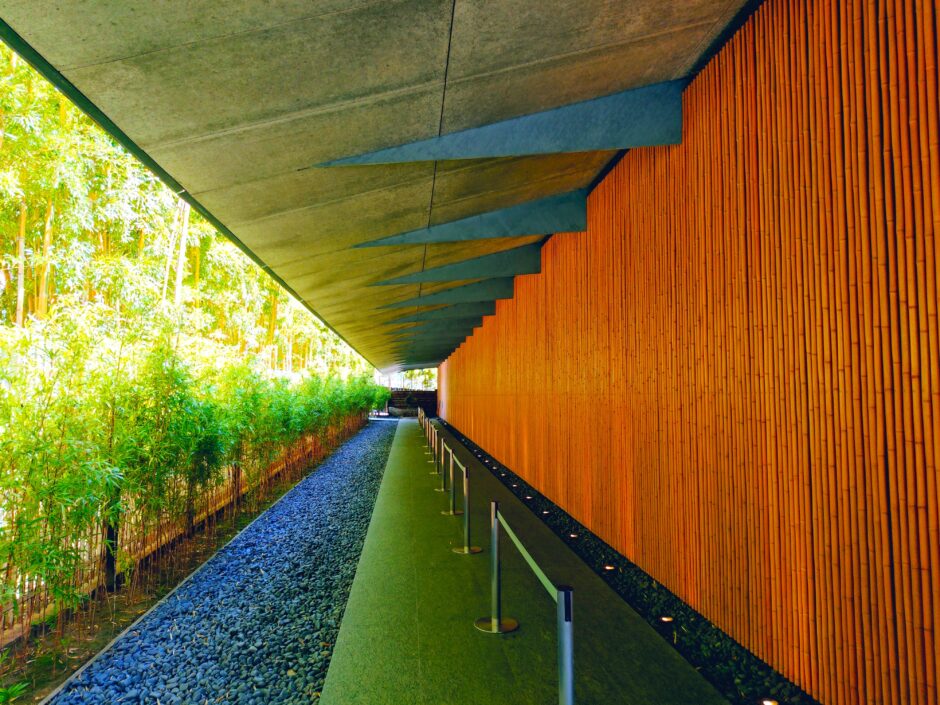

【Overview of the Nezu Museum】
The Nezu Museum, located in Minami-Aoyama, Tokyo, is a museum specializing in pre-modern Japanese and East Asian art. Often described as an urban oasis, it is a highly popular cultural spot where a beautiful Japanese garden harmonizes seamlessly with modern architecture designed by Kengo Kuma. The museum was established in 1941 based on the private collection of the late Kaichiro Nezu Sr., a prominent businessman who served as the president of Tobu Railway among other major enterprises.
![20260509 1017578582 1024x768 - Nezu Museum [Tokyo]](https://japan-shrine.info/wp-content/uploads/20260509_1017578582-1024x768.jpg "Nezu Museum [Tokyo]")
The museum houses a high-quality collection of over 7,400 works centered on ancient Japanese and Chinese art. This prestigious archive includes 7 National Treasures, 88 Important Cultural Properties, and 94 Important Art Objects.
Admission fees vary depending on the type of exhibition (Special Exhibition versus thematic Collection Exhibition) and whether you purchase tickets via online reservation or on-site at the counter. Generally, regular adult tickets range from approximately 1,400 yen to 1,800 yen.
【The Entrance】
The main building, which reopened after a complete renewal in 2009, was designed by the world-renowned architect Kengo Kuma. Incorporating traditional Japanese design elements, this space was meticulously crafted to act as a psychological transitional device, designed to shift the visitor’s mindset from the noisy bustle of the city into a serene space dedicated to art.
![20260509 1108100472 1024x768 - Nezu Museum [Tokyo]](https://japan-shrine.info/wp-content/uploads/20260509_1108100472-1024x768.jpg "Nezu Museum [Tokyo]")
Along one side of the approach runs a stunning bamboo fence made of finely aligned bamboo poles. This corridor serves as a tranquil tunnel that gently invites visitors into a quiet “forest of beauty.”
【Inside the Museum】
Passing through the bamboo-lined approach and entering the main doors, the scene instantly transforms into a bright, airy lobby enclosed by expansive glass walls.
![20260509 100725272 1024x768 - Nezu Museum [Tokyo]](https://japan-shrine.info/wp-content/uploads/20260509_100725272-1024x768.jpg "Nezu Museum [Tokyo]")
While photography is strictly prohibited inside all exhibition rooms at the Nezu Museum, a rare exception is made for the Buddhist statue area located right here in the entrance lobby, where photography is permitted.
![20260509 103835850 1024x768 - Nezu Museum [Tokyo]](https://japan-shrine.info/wp-content/uploads/20260509_103835850-1024x768.jpg "Nezu Museum [Tokyo]")
The stone Buddhist statues permanently displayed in the lobby are exceptionally rare and valuable antiquities, crafted primarily between China’s Northern Dynasties period (around the 6th century) and the Tang Dynasty (around the 7th to 8th centuries).
![1920px KORIN Irises L 1024x429 - Nezu Museum [Tokyo]](https://japan-shrine.info/wp-content/uploads/1920px-KORIN-Irises-L-1024x429.jpg "Nezu Museum [Tokyo]")
As a centerpiece of the museum’s collection, the National Treasure “Irises” (Kakitsubata-zu) screens by Ogata Korin—widely considered his ultimate masterpiece—are typically put on display every year around April and May.
【The Japanese Garden】
![20260509 104037985 1024x768 - Nezu Museum [Tokyo]](https://japan-shrine.info/wp-content/uploads/20260509_104037985-1024x768.jpg "Nezu Museum [Tokyo]")
Spreading out behind the museum building is a vast, 17,000-square-meter traditional garden that makes it hard to believe you are still in the middle of a massive metropolis. Here, visitors can enjoy a landscape that shifts with the four seasons (such as azaleas in spring and fiery foliage in autumn) alongside historic tea houses.
![20260509 1048030992 1024x768 - Nezu Museum [Tokyo]](https://japan-shrine.info/wp-content/uploads/20260509_1048030992-1024x768.jpg "Nezu Museum [Tokyo]")
The garden is planted with several hundred iris (kakitsubata) plants that reach full bloom from late April to early May. To coincide with this blooming period, the museum hosts a special viewing of the National Treasure “Irises” screens inside the galleries. This allows visitors to simultaneously enjoy the painted irises on canvas and the real, living irises blooming out in the garden.
![20260509 104912914 1024x768 - Nezu Museum [Tokyo]](https://japan-shrine.info/wp-content/uploads/20260509_104912914-1024x768.jpg "Nezu Museum [Tokyo]")
Furthermore, integrated naturally into the garden’s layout are dozens of stone artifacts—including stone lanterns, pagodas, Buddhist figures, and tsukubai (water basins)—that Kaichiro passionately collected throughout his lifetime.
![20260509 1045427032 1024x768 - Nezu Museum [Tokyo]](https://japan-shrine.info/wp-content/uploads/20260509_1045427032-1024x768.jpg "Nezu Museum [Tokyo]")
Capitalizing on the naturally undulating terrain of the garden, four precious historical tea houses built between the Edo period and the Meiji/Taisho eras are scattered across the grounds. Under normal circumstances, these can only be viewed from the outside.
【NEZU CAFÉ】
![20260509 095046811 3 - Nezu Museum [Tokyo]](https://japan-shrine.info/wp-content/uploads/20260509_095046811-3.jpg "Nezu Museum [Tokyo]")
The NEZU CAFÉ is a spectacular rest spot where you can unwind while gazing at the greenery, offering a panoramic view of the garden through its soaring glass windows. Unfortunately, during special exhibition periods, as well as the peak iris and autumn foliage seasons, the café attracts exceptionally long lines, so I had to skip it this time. (Note: The photos provided are taken from within the Nezu Museum grounds).
【Nearby Tourist Spots (Within a 30-Minute Walk)】
Chokoku-ji Temple, The National Art Center, Tokyo, Mori Art Museum, Izumo Taisha Tokyo Bunshi Shrine, Konno Hachimangu Shrine, Shibuya Hikawa Shrine, Nogi Shrine, Akasaka Hikawa Shrine, Togo Shrine.
![20260509 1140386752 520x300 - Nezu Museum [Tokyo]](https://japan-shrine.info/wp-content/uploads/20260509_1140386752-520x300.jpg "Nezu Museum [Tokyo]")
![DSC 1758 2 520x300 - Nezu Museum [Tokyo]](https://japan-shrine.info/wp-content/uploads/DSC_1758-2-520x300.jpg "Nezu Museum [Tokyo]")
![20260509 130041825 520x300 - Nezu Museum [Tokyo]](https://japan-shrine.info/wp-content/uploads/20260509_130041825-520x300.jpg "Nezu Museum [Tokyo]")
![DSC 3398 520x300 - Nezu Museum [Tokyo]](https://japan-shrine.info/wp-content/uploads/DSC_3398-520x300.jpg "Nezu Museum [Tokyo]")
![DSC 1373 520x300 - Nezu Museum [Tokyo]](https://japan-shrine.info/wp-content/uploads/DSC_1373-520x300.jpg "Nezu Museum [Tokyo]")
![DSC 0891 520x300 - Nezu Museum [Tokyo]](https://japan-shrine.info/wp-content/uploads/DSC_0891-520x300.jpg "Nezu Museum [Tokyo]")
![DSC 0851 2 520x300 - Nezu Museum [Tokyo]](https://japan-shrine.info/wp-content/uploads/DSC_0851_2-520x300.jpg "Nezu Museum [Tokyo]")
【Nezu Museum Access】
Admin’s Impressions
The Nezu Museum is highly praised over in Omotesando. Naturally, this is a venue tailored for those with the cultural literacy and education to fully appreciate the exhibits. However, when it comes to the garden, I believe opinions might be somewhat split among visitors who are regularly exposed to rich, raw nature.
What particularly stood out to me was a certain sense of “artificiality” in the highly-rated Japanese garden. Although it is said to mimic the deep mountains and mysterious valleys of untamed nature, the artificial maintenance feels almost too perfect and manicured. Because of this, it occasionally gives off a slight vibe of a themed, “imitation Japanese garden,” akin to an attraction at an amusement park. This might be a deliberate design approach meant for urbanites who want an easy, accessible taste of traditional atmosphere in the heart of the city.
6-5-1 Minami-Aoyama, Minato Ward, Tokyo 107-0062
*Visitor parking available on-site.
![8d2527950917686db3262488b4bd8799 - Nezu Museum [Tokyo]](https://japan-shrine.info/wp-content/uploads/sng/8d2527950917686db3262488b4bd8799.jpg "Nezu Museum [Tokyo]")