 Kanata's Japan Shrine Guide

目次
- 【Overview of Ueno Toshogu Shrine】
- 【Ueno Toshogu Great Stone Torii Gate】
- 【Ueno Toshogu Mizuya-mon Gate】
- 【Ueno Toshogu Five-Story Pagoda】
- 【Ueno Toshogu Shrine Approach (Sando)】
- 【Ueno Toshogu Karamon Gate】
- 【Ueno Toshogu Inner Garden (Naien)】
- 【Ueno Toshogu Inner Garden: The Sacred Tree】
- 【Ueno Toshogu Inner Garden: Eiyo Gongen Shrine】
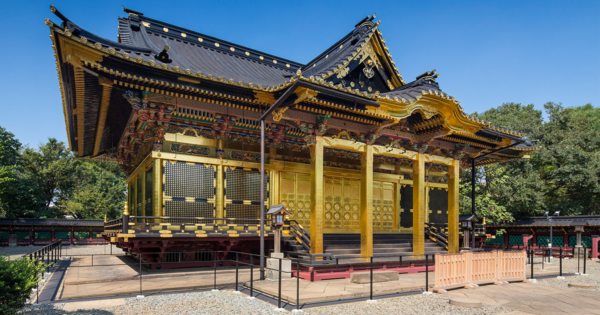
- 【Ueno Toshogu Inner Garden: Konjiki-den (Golden Hall)】
- 【Ueno Toshogu Inner Garden: Karamon Gate (Backside)】
- 【Ueno Toshogu Goshuin】
- 【Nearby Tourist Spots (Within a 30-Minute Walk)】
- 【Ueno Toshogu Access】
- Admin’s Impressions
- Ueno Toshogu Address
- Ueno Toshogu Official Website
【Overview of Ueno Toshogu Shrine】
Ueno Toshogu Shrine was established in 1627 (Kan’ei 4) originally under the name “Tosho-sha.”
When Lord Tokugawa Ieyasu was on his deathbed, he summoned the monk Tenkai and the daimyo Todo Takatora to his side, leaving them with a final wish: “I want the three of us to create a place where our souls can rest peacefully together for eternity.” In response to this, the shrine was founded in Ueno—which was part of Takatora’s estate—so that the people of Edo could pay their respects without having to travel all the way to Nikko. Miraculously surviving the battles of the late Edo period, the Great Kanto Earthquake, and the air raids of World War II without collapsing or sustaining major damage, it stands today as a precious early Edo-period architectural structure and is designated as a National Important Cultural Property.
【Toshogu Shrines Across the Country】
A “Toshogu” is a Shinto shrine that enshrines Lord Tokugawa Ieyasu (Tosho Daigongen) as a deity, and there are many such shrines across Japan, including the famous one in Nikko. Among all the Toshogu shrines nationwide, Nikko Toshogu and Kunozan Toshogu are considered exceptional. As for the “Third Toshogu,” several candidates are often debated, including Horaisan Toshogu, Takiyama Toshogu, Shiba Toshogu, Serada Toshogu, Senba Toshogu, and this very Ueno Toshogu.
【Ueno Toshogu Great Stone Torii Gate】

The first structure you will see is the stone torii gate. It features such a sturdy construction that it did not even tilt during the Great Kanto Earthquake. It was dedicated in 1633 (Kan’ei 10) by Sakai Tadayo.
【Ueno Toshogu Mizuya-mon Gate】
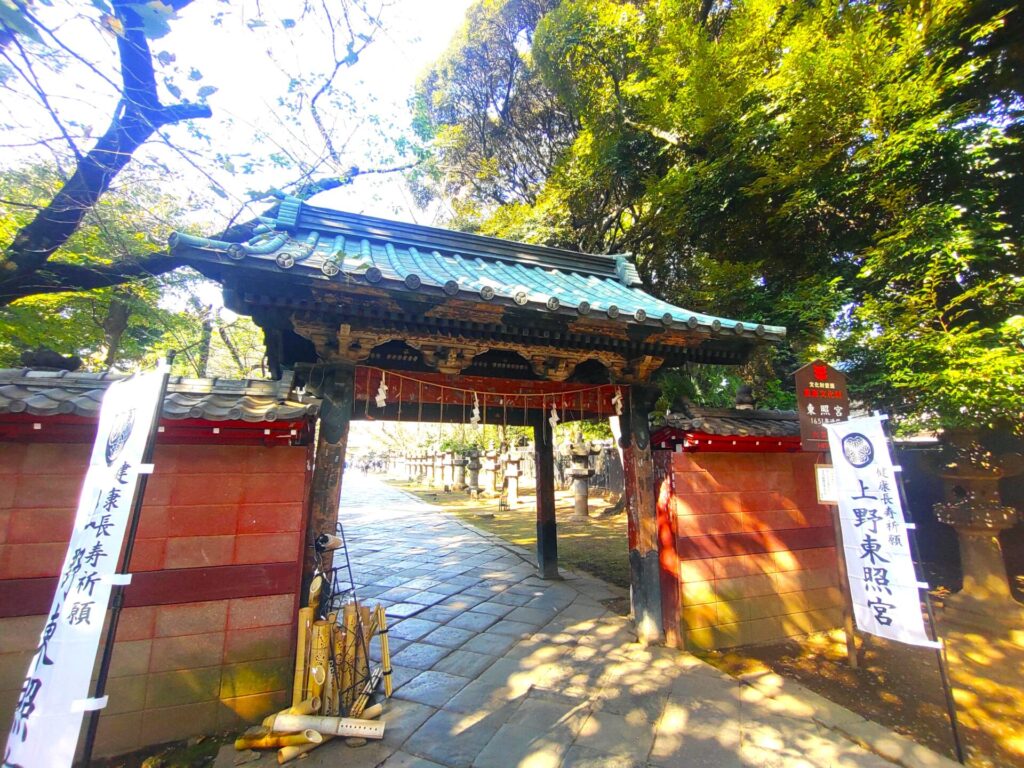
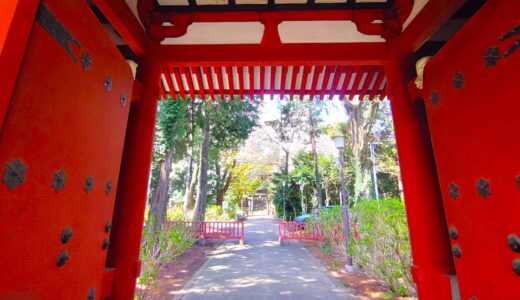
As you proceed past the torii, you will come across the “Mizuya-mon” (Water Pavilion Gate). This gate has a highly unusual and fascinating background, making it exceptionally rare among shrine architectures nationwide. In 1964 (Showa 39), when the shrine grounds were being renovated and the flow of the approach was being reorganized, the old roof of the Chozuya (water ablution pavilion) was not simply demolished. Instead, it was relocated and reborn as a “gate” for the main approach. The dismantled Chozuya itself was a very historic structure originally built in the early Edo period in 1651 (Keian 4).
【Ueno Toshogu Five-Story Pagoda】
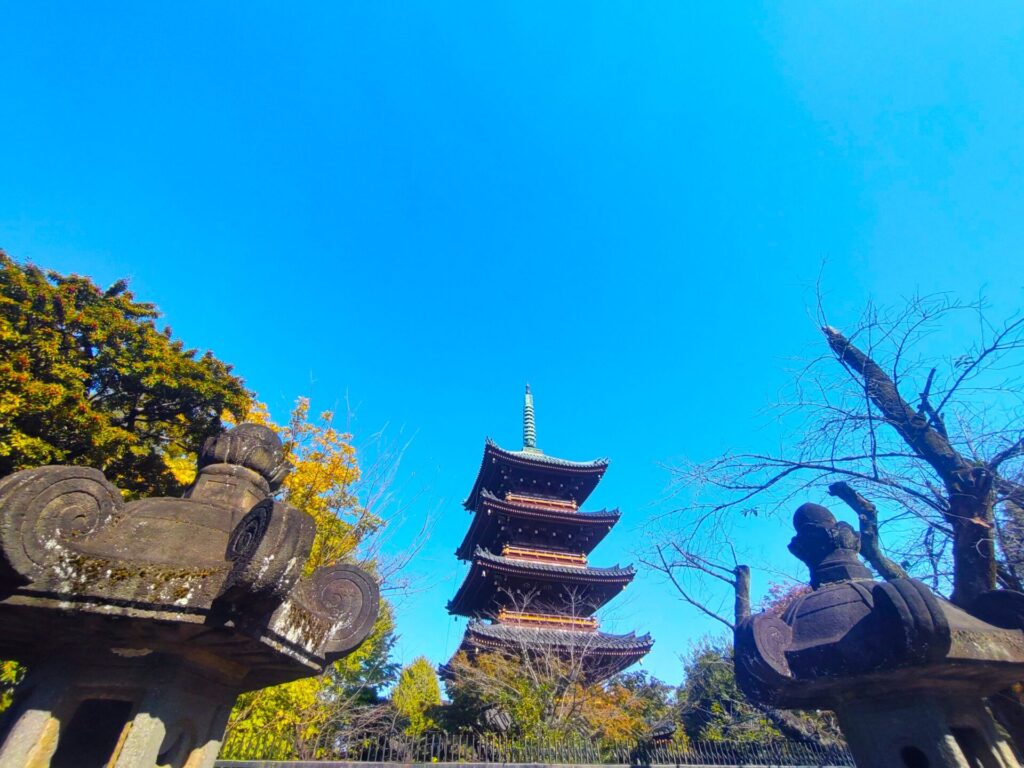
On the right side of the approach, you can view the “Former Kaneiji Five-Story Pagoda,” which was originally a part of the Toshogu complex. It was donated in 1631 (Kan’ei 8) by Doi Toshikatsu, a senior statesman during the early days of the Edo Shogunate, to commemorate the construction of Toshogu. After burning down in 1639 (Kan’ei 16), the current pagoda was later donated [to the public/state] in 1958 (Showa 33). The entire five-story structure features traditional Japanese architectural styling (Wa-yo), standing about 36 meters tall up to its kurin (nine-ringed spire), and is designated as an Important Cultural Property.
Today, it is located within the grounds of the Ueno Zoo, but its front faces the Toshogu approach. Please note that to see the five-story pagoda up close, you must pay admission to enter the Ueno Zoo.
【Ueno Toshogu Shrine Approach (Sando)】
Lining the approach are approximately 200 stone lanterns donated by various daimyo (feudal lords), and closer to the main shrine buildings, there is an array of 48 copper lanterns.
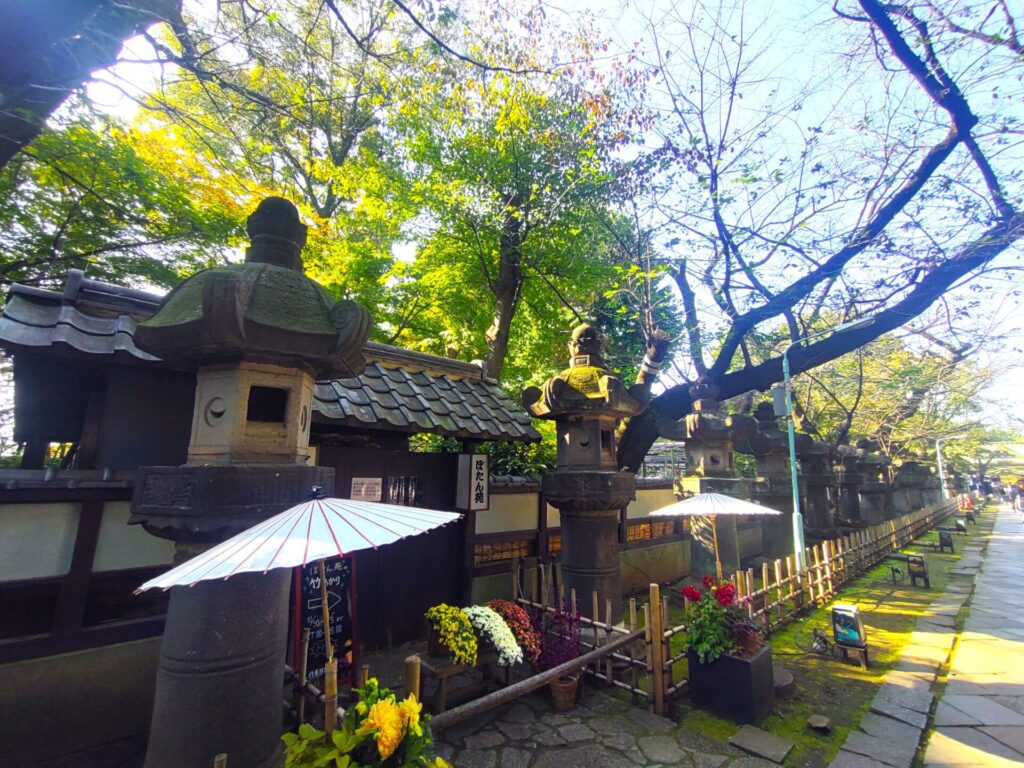
The lanterns are meticulously arranged so that the closer you get to the Karamon Gate, the higher the court rank and status of the donating lord. The six copper lanterns closest to the Karamon were dedicated by the Tokugawa Gosanke (the three most noble branch families of the Tokugawa clan: Owari, Kii, and Mito).
【Ueno Toshogu Karamon Gate】
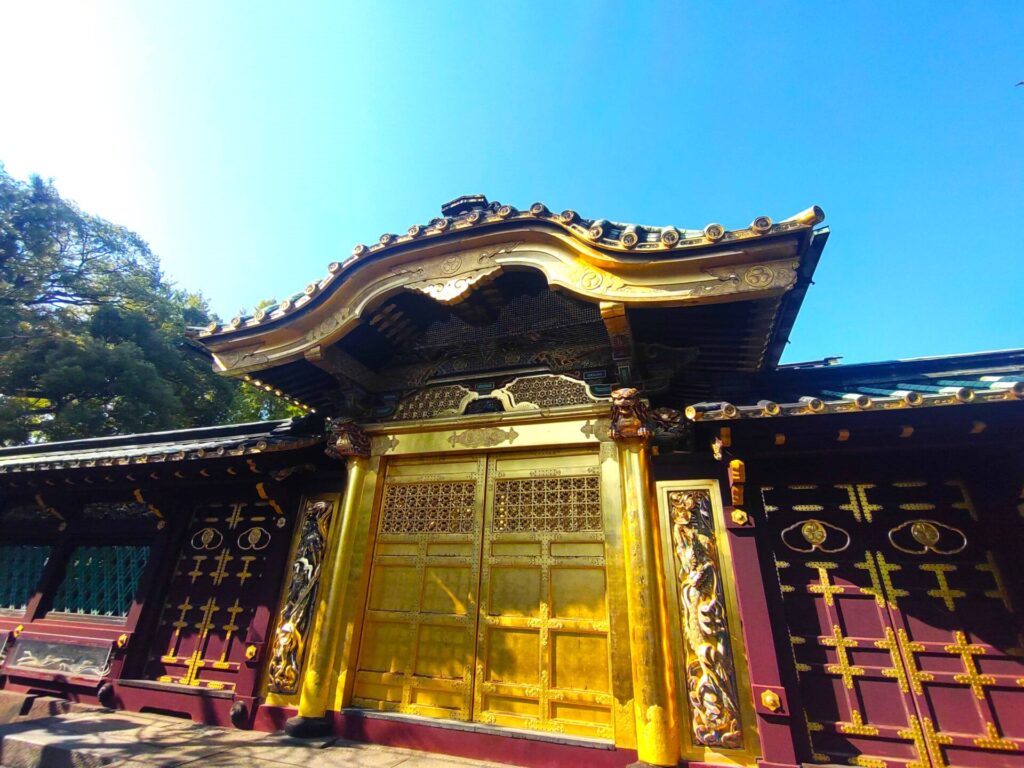
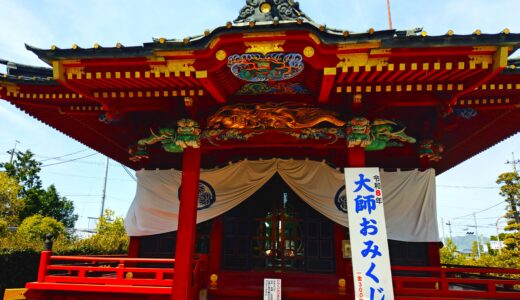
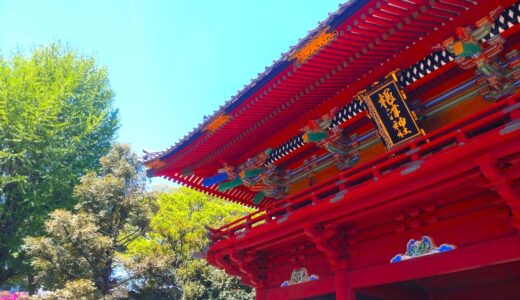
The doors feature intricate carvings of an “Ascending Dragon” and a “Descending Dragon.” Legend has it that these dragons possess such immense power that they sneak out at night to drink water from the nearby Shinobazu Pond. To the left of the gate, you will find the shrine office (Shamusho) and the entrance to the Inner Garden (Naien).
【Ueno Toshogu Inner Garden (Naien)】

You can enter most of the Ueno Toshogu grounds (the majority of the approach) for free. However, to see the “Konjiki-den” (Golden Main Hall) up close and admire the detailed wood carvings, you need to pay a 500-yen admission fee to enter the “Inner Shrine Viewing (Naien).”
【Ueno Toshogu Inner Garden: The Sacred Tree】

Immediately upon entering the Inner Garden, you will see a massive camphor tree (O-kusu) estimated to be over 600 years old. It is believed to have taken root here since the shrine’s founding in 1627. Having survived repeated fires during the Edo period, the Battle of Ueno during the Boshin War, the Great Kanto Earthquake, and the air raids of WWII, it is revered as a “Symbol of Strong Luck.”

At the base of this sacred tree is a space called “Seishin-jo” (Place to Calm the Mind), which was renewed in 2022. It has been beautifully maintained so that visitors can sit, gaze at the sacred tree, and find inner peace while paying their respects.
【Ueno Toshogu Inner Garden: Eiyo Gongen Shrine】
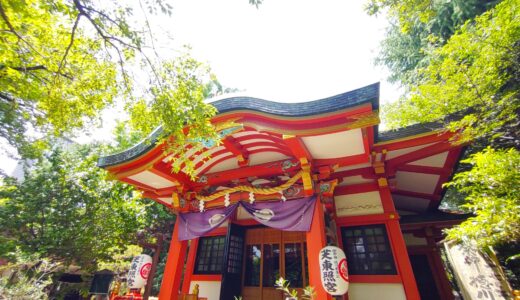
While the exact founding year of the Eiyo Gongen Shrine is unknown, it was enshrined within the Ueno Toshogu grounds in 1922 (Taisho 11).

The enshrined deity is a wooden carving of a tanuki (raccoon dog) passed down from the Edo period, affectionately known as “O-tanuki-sama.”

Originally, it was housed in the Ooku (the women’s quarters) of Edo Castle. However, because it brought disaster to the various daimyo households it was moved to, it was feared as a cursed “Evil-Deed Tanuki” (Akugo Tanuki). Passed around by people terrified of its curse, the tanuki is said to have appeared in a dream to the head priest of Ueno Toshogu just before the Great Kanto Earthquake in 1922. To comfort its spirit, a shrine was built within the Toshogu grounds to house it. Remarkably, all the disasters suddenly stopped. In a twist of fate, due to a Japanese pun where “Tanuki” sounds like Ta-o-nuku (meaning “surpassing/pulling ahead of others”), it became widely worshipped as a deity of strong luck and success.
【Ueno Toshogu Inner Garden: Konjiki-den (Golden Hall)】

Rebuilt in 1651 (Keian 4) by the 3rd Shogun, Tokugawa Iemitsu, this hall is a masterpiece of early Edo-period architectural techniques. True to its name, massive amounts of gold leaf are pressed onto the entire structure. By giving it a lavishness that rivals Nikko Toshogu, it served to display the tremendous prestige of the Edo Shogunate.

Normally, the interior of the main hall is not open to the public, but it houses Lord Ieyasu’s personal belongings and treasures dedicated by successive shoguns. It is currently designated as a National Important Cultural Property (Building).
【Ueno Toshogu Inner Garden: Karamon Gate (Backside)】

Though visible from the main approach, the architectural design and details viewed from the inside are also exceptionally elaborate.
【Ueno Toshogu Goshuin】
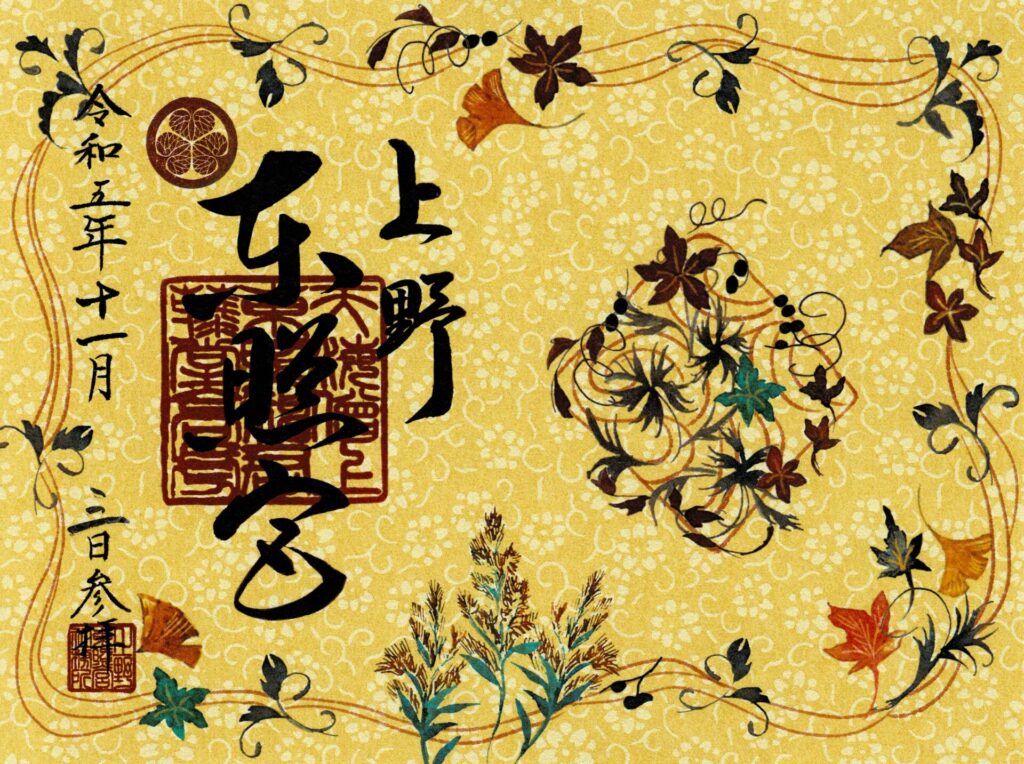
Ueno Toshogu Limited Double-Page Spread Goshuin: 1,000 yen
【Nearby Tourist Spots (Within a 30-Minute Walk)】
Kaneiji Temple, Shinobazu Pond Bentendo, Tokyo National Museum, Tennoji Temple, Nezu Shrine
【Ueno Toshogu Access】
Admin’s Impressions
While you can fully enjoy the shrine for free up to the main approach, paying the 500-yen admission fee to enter the Inner Garden allows you to experience the true essence of this shrine: its “beauty of detail” and “deep history.” Personally, I find the time spent looking up at the sacred tree from the recently developed “Seishin-jo” to be an exceptional experience that makes you forget the hustle and bustle of the city. I highly recommend not being frugal with the fee—please enter the Inner Garden and see the sacred tree and the golden main hall for yourself.
9-88 Ueno Park, Taito-ku, Tokyo 110-0007
*No parking available.