 Kanata's Japan Shrine Guide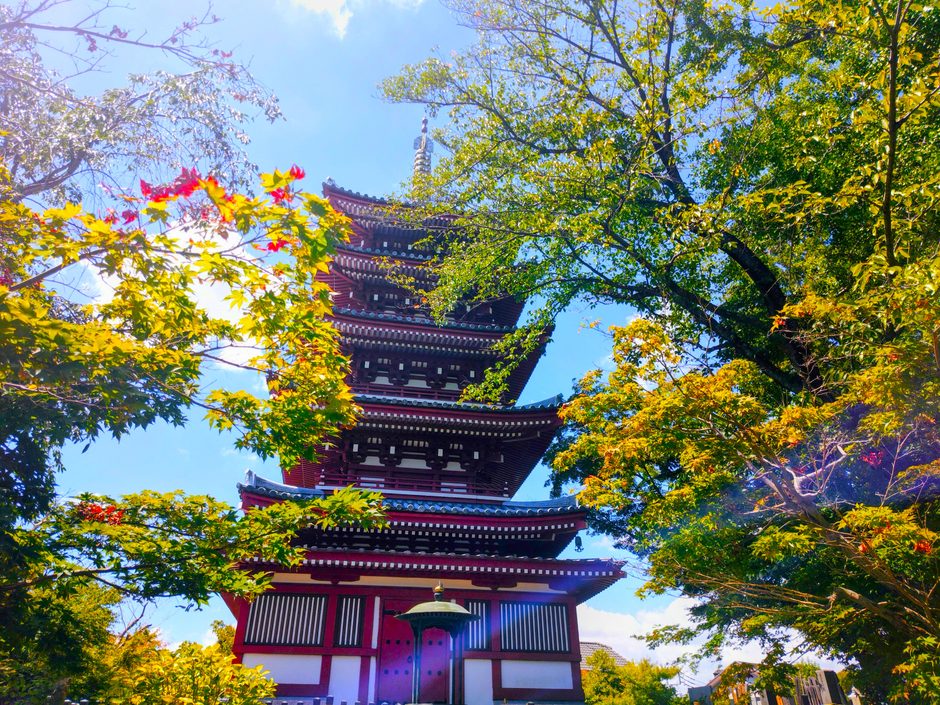

【Hondoji Temple: Overview & History】
Located in Matsudo City, Chiba Prefecture, Hondoji Temple (Hondoji) is a historic head temple (reiseki honsan) of the Nichiren Sect that received its mountain name (sango) and temple name (jigo) directly from Nichiren Shonin during the Kamakura period. Today, it is widely known by the affectionate nickname “Hydrangea Temple” (Ajisai-dera) due to its stunning scenery woven by vibrant hydrangeas and Japanese irises blanketing the grounds in early summer, as well as beautiful autumn leaves in the fall.
History & Origins: History as the Famous Nichiren Temple Beloved as the “Hydrangea Temple”
Hondoji Temple was founded in 1277 (Kenji 3) during the Kamakura period, boasting a history of over 750 years.
The land of “Hiraga,” where Hondoji stands, was originally the site of the residence of Hiraga Tadaharu, a powerful clan leader of famous Genji lineage. Soya Kyoshin, a local lord, retainer of the Chiba clan, and devout follower (dan’etsu) of Nichiren Shonin, cooperated to relocate a Jizo Hall from within his domain to this Hiraga land to create a “Hokke-do” (Lotus Hall). The hall-opening memorial service was conducted with Nichiro, a direct disciple of Nichiren (and one of the Six Senior Disciples), serving as the presiding priest (doshi). At this time, Nichiren Shonin bestowed a handwritten sacred object of worship (Gohonzon) and sacred treasures, along with the mountain and temple name “Chokoku-zan Hondoji,” marking its official founding.
Although the temple fell into ruin due to events like the anti-Buddhist movement (Haibutsu Kishaku) during the Meiji era, large-scale restoration of the grounds and gardens was carried out from the Showa era onward. Utilizing the vast remaining grounds, 50,000 hydrangeas, irises, and maple trees were planted, beautifully reviving the temple as a “Temple of Four Seasons Flowers” where many find solace today, while still retaining its former prestigious medieval dignity.
【Main Image & Divine Blessings】Virtues of Conception, Safe Childbirth, and Recovery from Illness Brought by the Ten Realms Great Mandala
The principal image enshrines a rare group of Buddhist statues known as Isson Shishi (One Buddha and Four Attendants).
Safe Childbirth, Child-Rearing, and Breast Milk Flow (Koyasu Chichidashi no Nichizo-sama): Inside the “Zoshido” within the grounds, a statue of Nichizo Shonin, the founder of Kyoto propagation, is enshrined. There is the “Sacred Water for Milk Flow (Nichizo Bosatsu Birth Water Well),” which is said to have gushed forth when Nichizo Shonin was born. Based on the tradition that drinking this water cures illnesses and improves breast milk flow, the temple has long bustled with worshipers praying for healthy lactation, safe childbirth, and child-rearing.
Good Luck, Ward Off Evil, Academic Improvement, etc.: As one of the central temples of the Nichiren Sect, it is believed to hold great spiritual efficacy for bringing good fortune and fulfilling wishes. Official prayer guidelines accept requests for prayers dedicated to Kaiun Kosodate Nichizo Bosatsu and Daikoku Fukuju Sonten, as well as special prayers for safe childbirth, Shichi-Go-San (children’s growth milestone), and more.
【Highlights & Key Spots of Hondoji Temple】
【Five-Story Pagoda & Bell Tower】Historic Structures Standing Near the Entrance of the Grounds
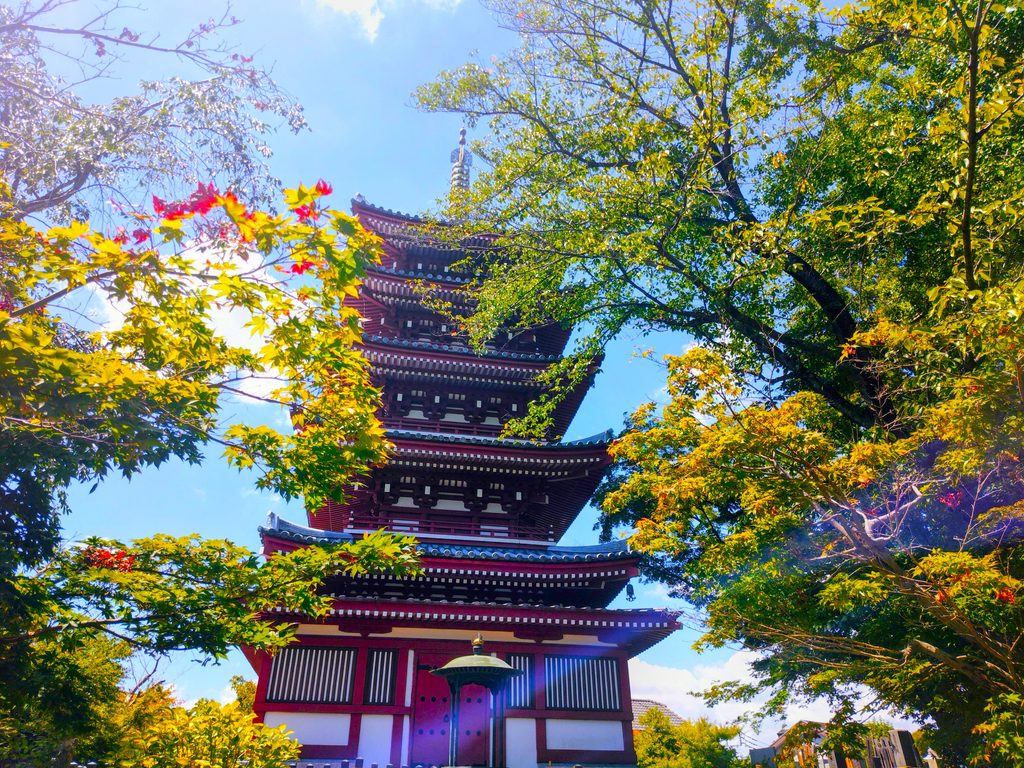
Erected in 1991 (Heisei 3) to commemorate the 650th memorial anniversary (onki) of the high priest Nichizo Bosatsu—a direct disciple of Nichiren Shonin (one of the Six Senior Disciples) who hailed from Hiraga, where Hondoji stands. It is a relatively new modern pagoda constructed as a commemorative project to honor the great virtues of Nichizo Bosatsu and pass them down to future generations.
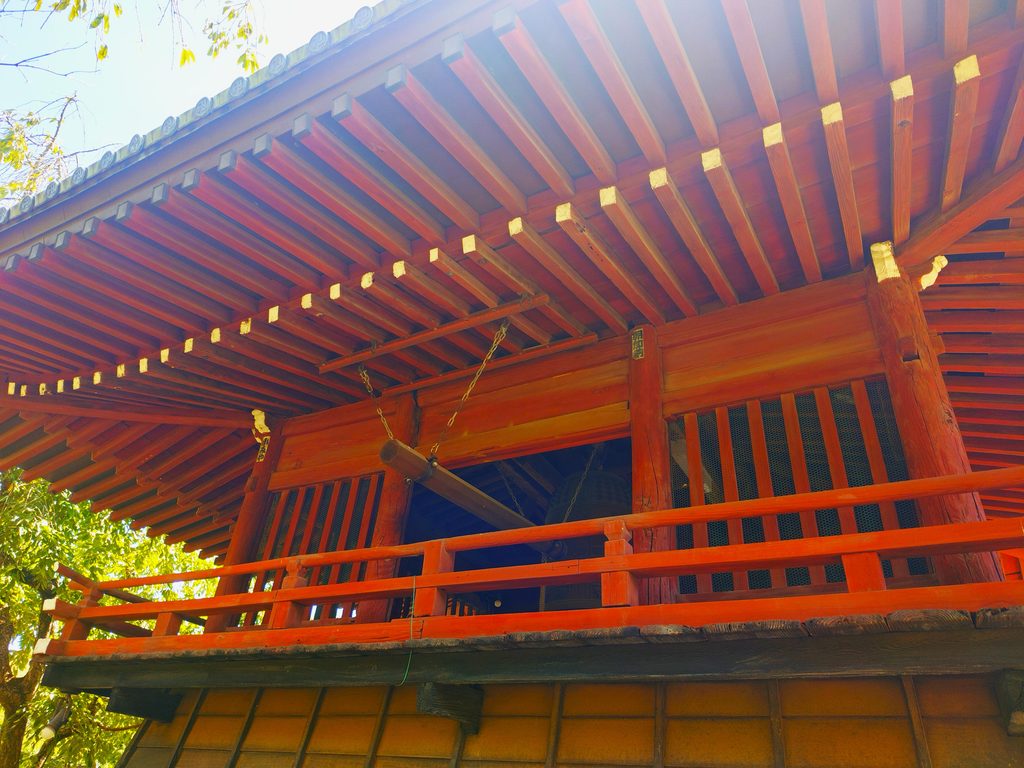
The Bell Tower (Shoro) is a wooden structure standing right near the five-story pagoda.
The temple bell (bonsho) hanging here bears an inscription from 1278 (Kenji 4), making it an extremely precious ancient bell—the second oldest in Chiba Prefecture among those with a verified production date. It was cast just one year after the founding of Hondoji Temple (1277). Designated as a Nationally Important Cultural Property, it is renowned as a “supreme treasure” boasting top-class historical value within Chiba Prefecture.
【Main Hall & Long Covered Corridor】An Overwhelming Wooden Corridor Extending Approx. 200m and a Solemn Main Hall
Located deep within the grounds along the approach, this is the most important focal point of prayer.
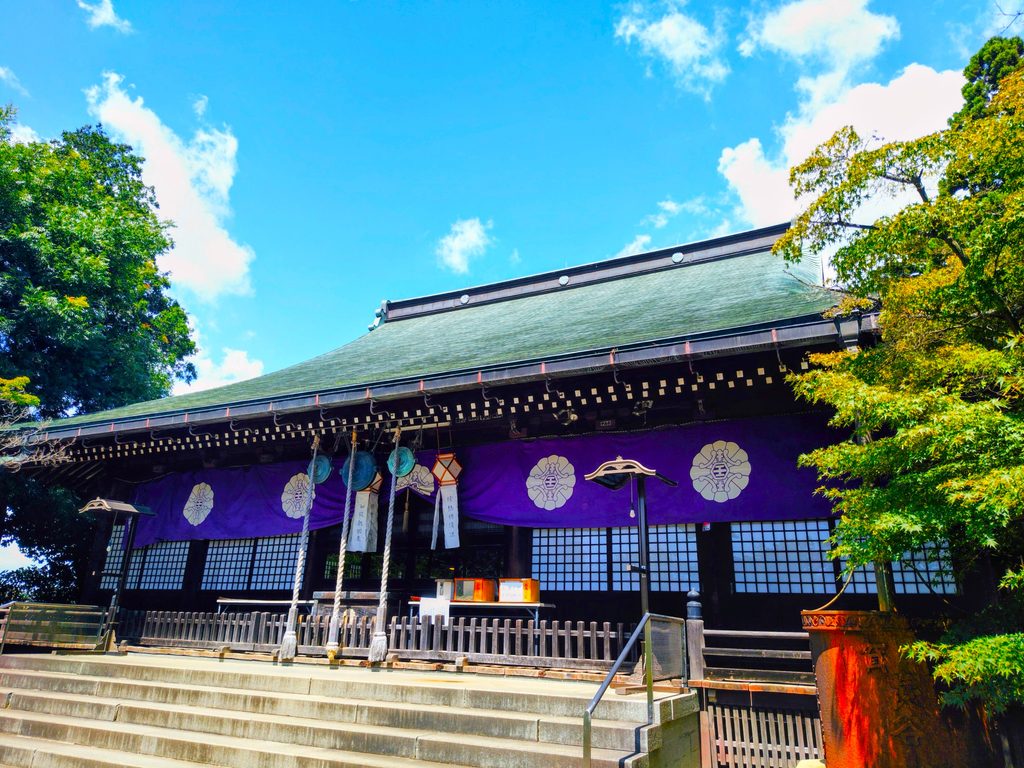
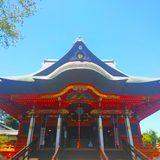
The current Main Hall (Hondo) was not originally built as a Main Hall; rather, a Founder’s Hall (Soshido—a hall enshrining the founder Nichiren) was relocated here in 1882 (Meiji 15) and expanded in 1977 (Showa 52). While based on early Edo period architecture, it is packed with history, reflecting how its structure evolved through historical milestones of the Nichiren Sect alongside its distinctive principal objects of worship.
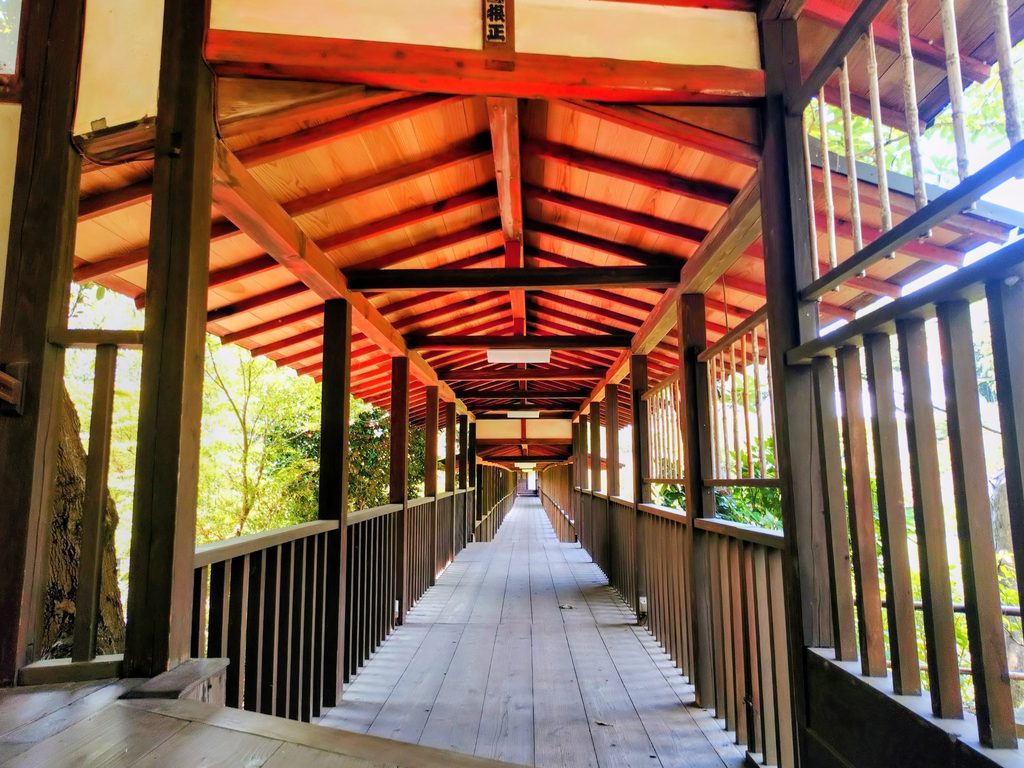
It connects the “Main Hall” on the west side of the grounds to the “Zoshido” on the east side. Passing through the “Kaisando” (Founder’s Hall) and the “Myorondo” along the way, its total length reaches approximately 200 meters. Built to follow the undulating terrain of the temple grounds, it is characterized by elevation changes. Essentially, this corridor is reserved for monks’ movements and rituals, so general visitors are normally unable to walk inside. Worshipers can enjoy viewing the majestic exterior of this corridor from the garden walking paths.
【Iris Garden】A Spectacular Garden Enveloped in Seasonal Flowers and Verdant Greenery
Spread deep within the grounds of Hondoji, the “Iris Garden” (Hana-Shobu-en) is a primary early summer highlight alongside hydrangeas at Hondoji, also known as the “Hydrangea Temple.” Every June, around 5,000 Japanese irises bloom all at once in shades of white, purple, and light pink around the iris pond located right next to the covered corridor.
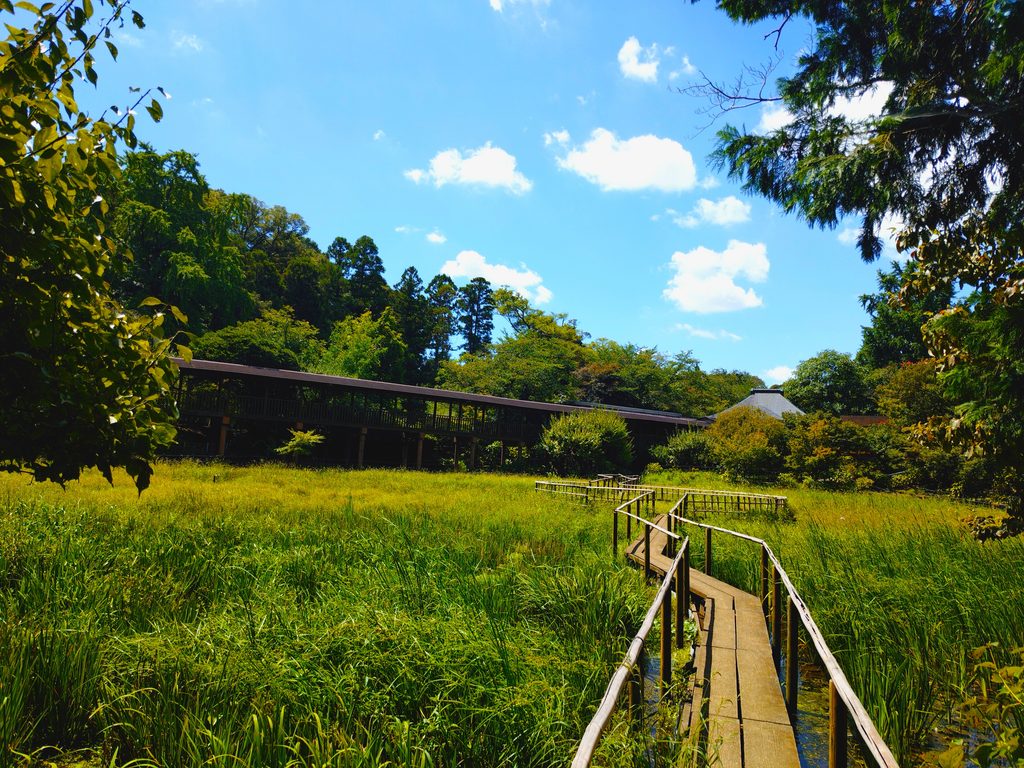
The peak viewing season is usually from early to mid-June, with the irises reaching full bloom a bit earlier than the hydrangeas (mid- to late June). Around June 10th, when both flowers overlap at their most beautiful state, is considered the most luxurious time to visit.
【Zoshido Hall & Sacred Water for Milk Flow】Hall and Sacred Water Well Conveying Blessings for Conception and Safe Childbirth
Zoshido Hall (Zoshido) is an extremely important hall on the grounds of Hondoji Temple, enshrining Nichizo Shonin, a master priest of the Nichiren Sect. Rather than a standard “Soshido” (hall for the sect founder Nichiren), it is specially named “Zoshido” to honor the achievements of Master Nichizo (Zoshi), a great high priest who hailed from Hondoji.
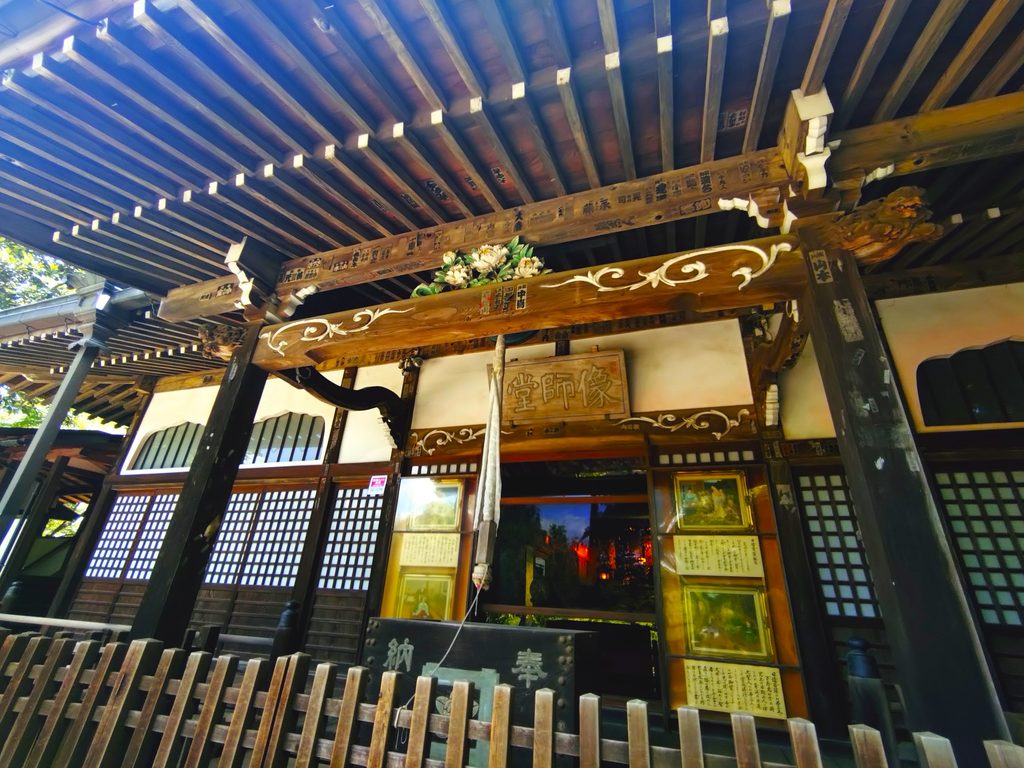
Enshrined inside as the main image is a wooden statue said to have been carved by Nichizo Shonin himself. This statue is called the “Statue of Mutual Parental and Filial Love” (Oyako Aiso no Zo), expressing Nichizo Shonin’s deep compassion.
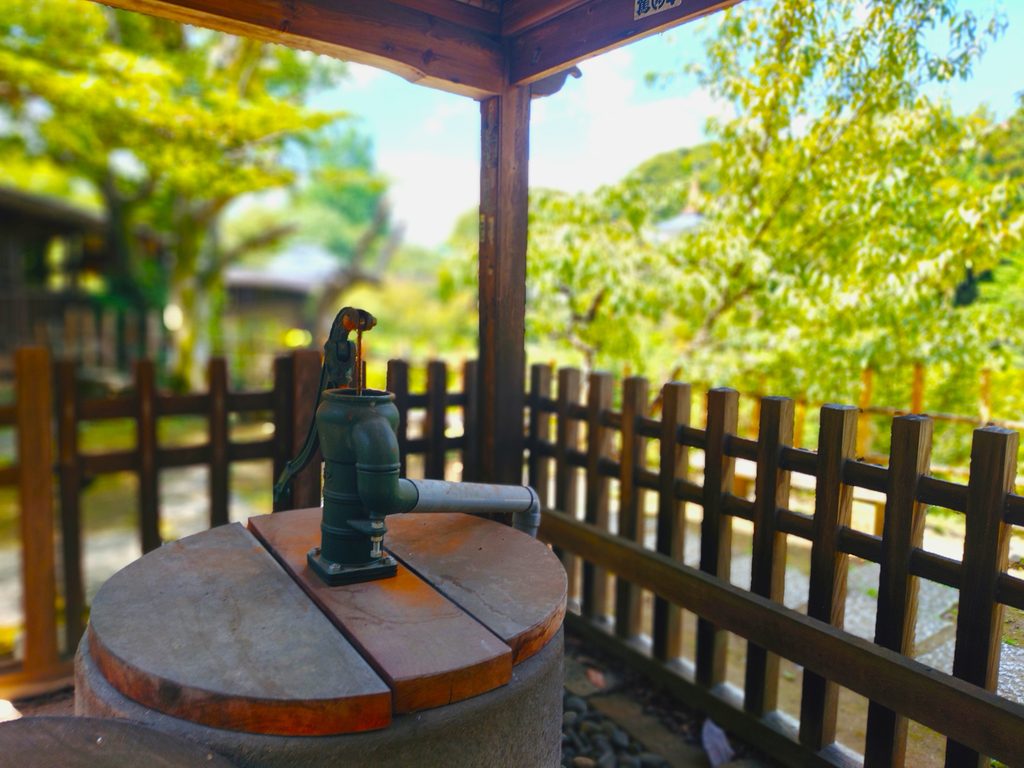
Right near Zoshido Hall lies a sacred water well. Said to be the well whose water was used for Nichizo Shonin’s first bath upon birth, and tied with the enshrining of Kishimojin (deity of childbirth and child rearing) in Zoshido, it continues to be revered today as a spiritual spot for safe childbirth and child rearing.
【Stone Statue of Kaiun Nichizo Bosatsu & Inari-do Hall】Historic Stone Statues and Tutelary Shrines Scattered Across the Grounds
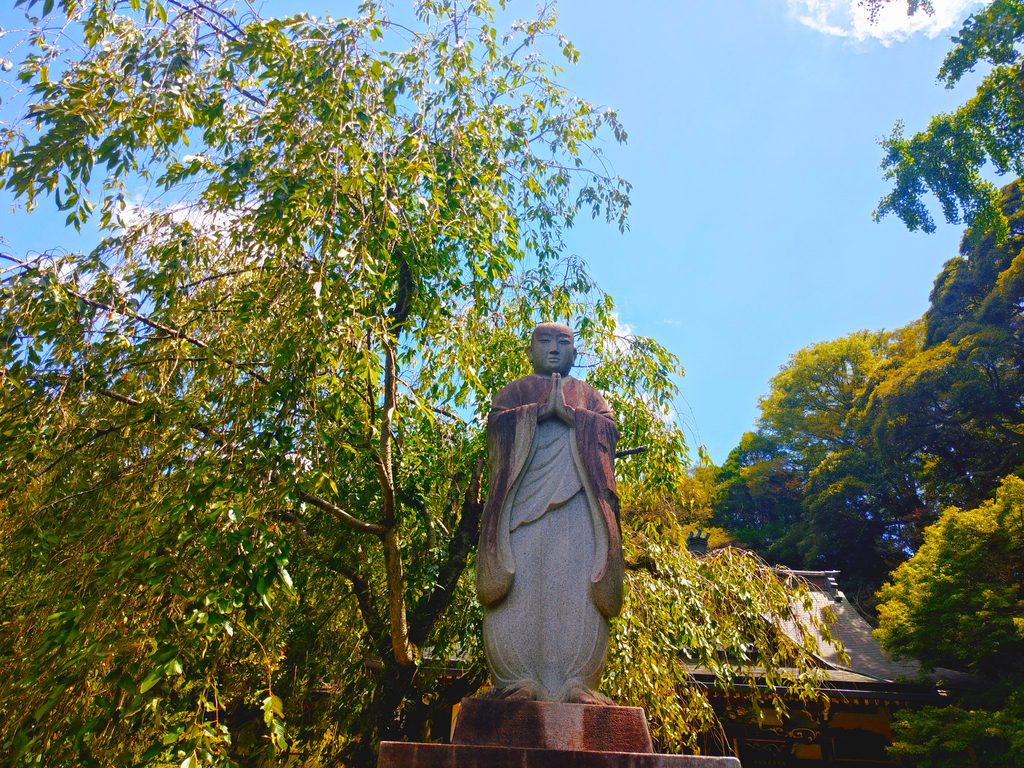
In front of Zoshido Hall stands an impressive stone statue depicting the young Nichizo Shonin (Manjumaru) setting out on his journey to Mount Minobu.
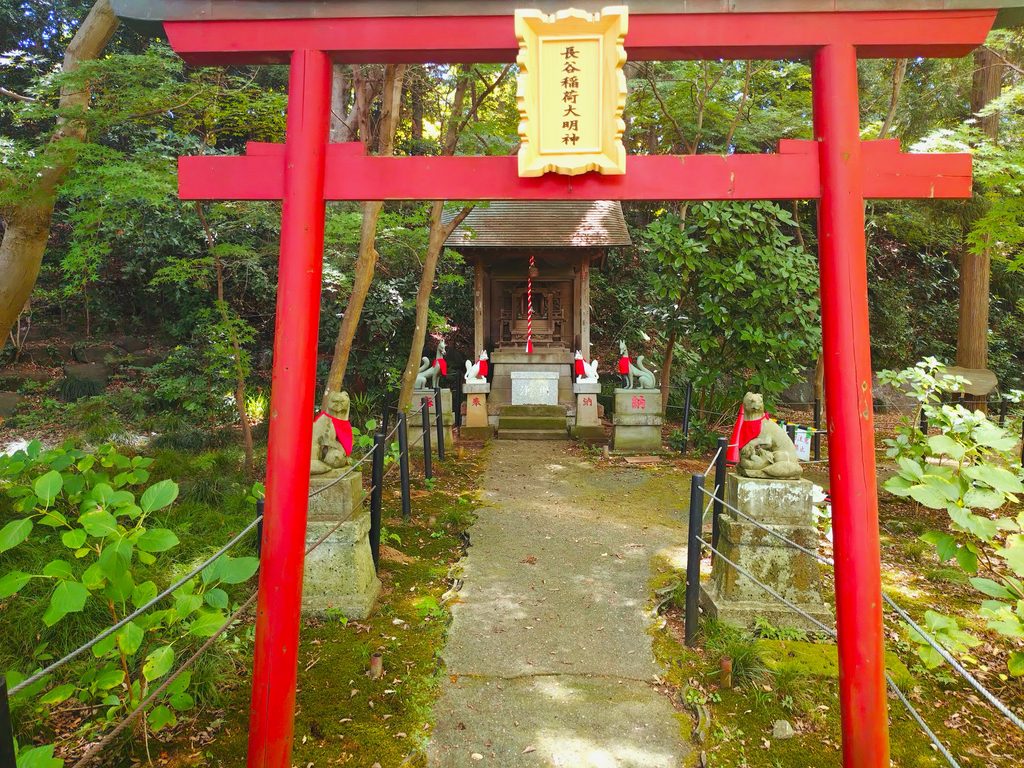
Inari-do Hall (Inari-do) is located near Zoshido Hall. Named after the temple’s mountain name (Chokoku-zan), it is also referred to as “Chokoku Inari.”
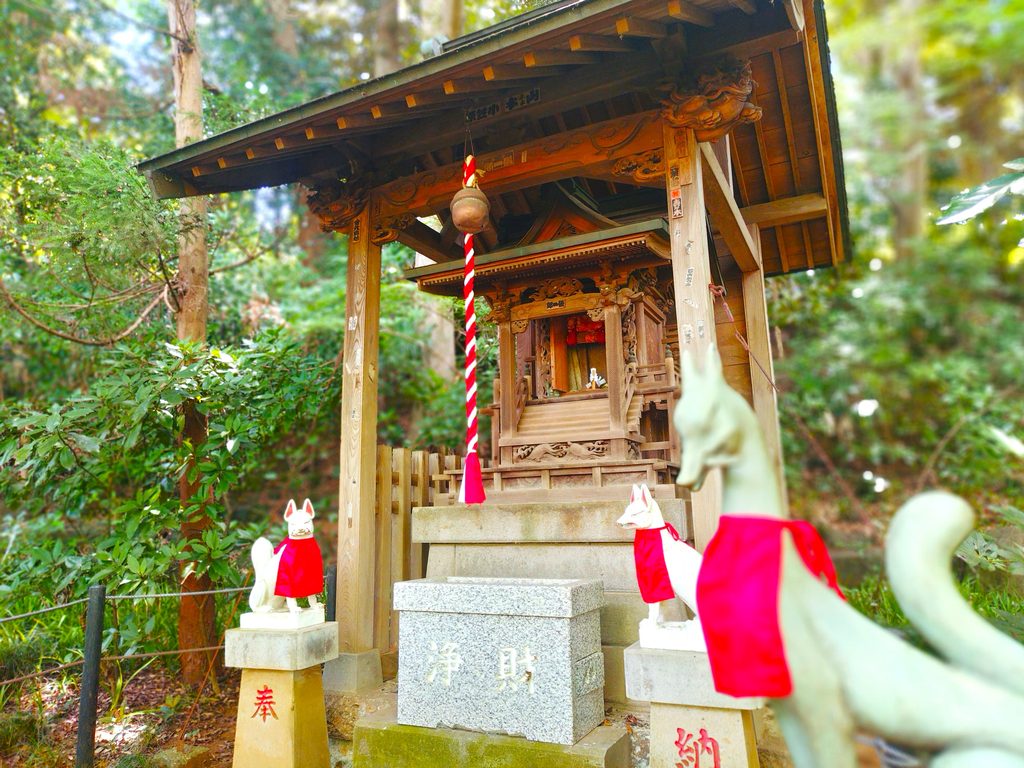
It was consecrated in 1932 (Showa 7) to commemorate a memorial anniversary (onki) of Nichiren Shonin, the founder of the Nichiren Sect. It is devoutly revered as a tutelary deity (Gohoshin / guardian deity) that protects the vast temple grounds and training grounds from external threats and disasters.
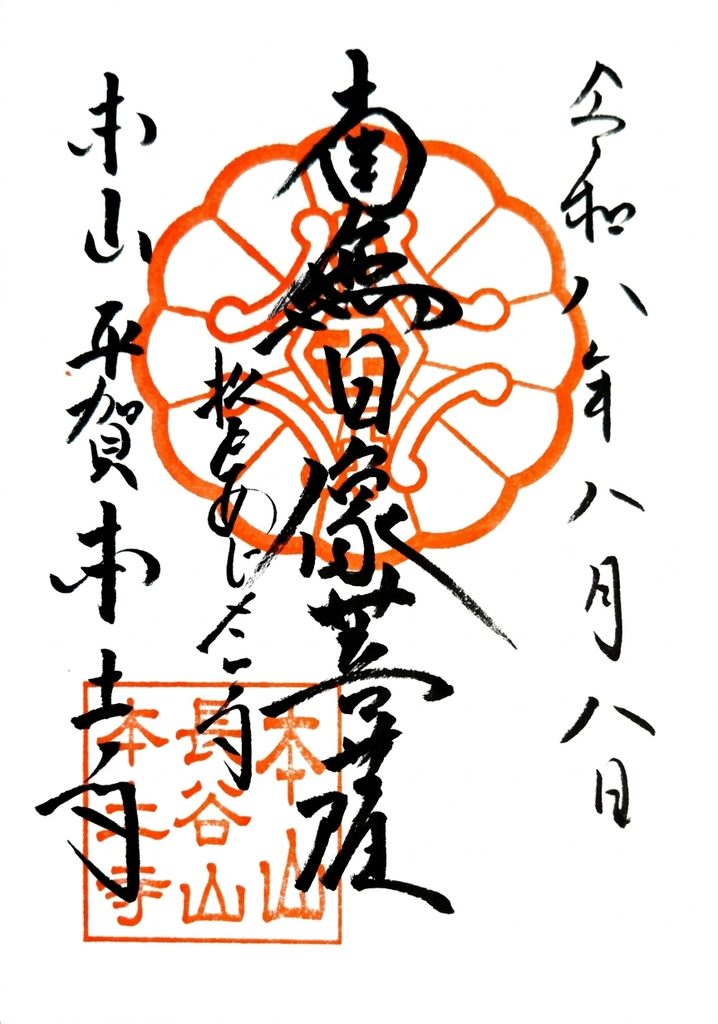
【Hondoji Temple Goshuin】
【Chokoku-zan Hondoji Temple On-Site Visit Report & Evaluation】
Chokoku-zan Hondoji Temple On-Site Visit Review & Evaluation Score
| Evaluation Category | Score | Key Features / Highlights |
|---|---|---|
| Nature & Scenery | (4.5) | Also known as the “Hydrangea Temple.” Offers a breathtaking view with 50,000 hydrangeas and irises in early summer, complemented by 1,500 autumn maple trees in the fall. |
| History & Heritage | (4.5) | Founded in Kenji 3 (1277 AD) during the Kamakura period. A historic head temple (reiseki honsan) of the Nichiren Sect associated with Lady Oman, a concubine of Tokugawa Ieyasu. |
| Scale & Grounds | (4.0) | An impressive scale where the Nio-mon Gate, Main Hall, Five-Story Pagoda, Iris Pond, and Treasure Hall are situated across vast mountain temple grounds. |
| Accessibility | (4.0) | About a 10–15 minute walk from the North Exit of Kita-Kogane Station on the JR Joban Line. Visitors can also enjoy walking along the approach lined with shops selling Matsudo’s specialty kusamochi (mugwort rice cakes). |
| Tranquility | (3.5) | While extremely bustling during the hydrangea and autumn foliage seasons, it is ordinarily a serene and solemn temple precinct enveloped in a rich forest. |
| Goshuin / Goshudai Variety | (3.0) | In addition to the standard “Myoho” Goshudai, visitors can receive pre-written seasonal Goshuin and limited-edition Goshudai. |
*An ancient Nichiren Sect temple affectionately known as the “Hydrangea Temple.” The landscape formed by blooming hydrangeas and irises, stunning autumn foliage, and the vermilion five-story pagoda boasts one of the finest scenic views in the Kanto region.
On-Site Report | Personal Impressions and Atmosphere
While Hondoji Temple stands out nationwide for its fame as the “Hydrangea Temple,” its true value lies in its solemn atmosphere as a historic head temple (reiseki honsan) of the Nichiren Sect, boasting nearly 750 years of history since its founding in 1277 (Kenji 3) during the Kamakura period.
In August, after the vibrant peak season of hydrangeas and irises had wound down, the bustling tourist crowds had completely dissipated, leaving the grounds filled with a serene, majestic air worthy of the temple’s original essence as a “sacred sanctuary for quiet prayer.” Under the intense summer sunlight, the beautiful silhouette of the five-story pagoda looming beyond the lush green maple leaves (ao-momiji) and the refined presence of Myorondo Hall emerged vividly, creating a breathtaking scenic beauty.
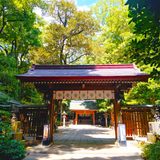
Walking through the grounds without being rushed by crowds, appreciating each stone monument and historic hall at one’s own pace, is a luxury unique to this time of year. Unfortunately, the Nio-mon Gate was under restoration during this visit, so I would love to return in early summer next June to see the vivid vermilion Nio-mon Gate in its full glory along with the hydrangeas in full bloom.
【Nearby Sightseeing Spots to Visit Together】
Komaki Suwa Shrine, Tozenji Temple, Kashiwa Shrine, Fuse Benten Tokaiji Temple, Sakuragi Shrine
![20260808 094247721 2 520x300 - Chokoku-zan Hondoji Temple [Chiba]](https://japan-shrine.info/wp-content/uploads/20260808_094247721-2-520x300.jpg "Chokoku-zan Hondoji Temple [Chiba]")
![20260808 115733876 2 520x300 - Chokoku-zan Hondoji Temple [Chiba]](https://japan-shrine.info/wp-content/uploads/20260808_115733876-2-520x300.jpg "Chokoku-zan Hondoji Temple [Chiba]")
![20260830 142523498 520x300 - Chokoku-zan Hondoji Temple [Chiba]](https://japan-shrine.info/wp-content/uploads/20260830_142523498-520x300.jpg "Chokoku-zan Hondoji Temple [Chiba]")
【Basic Information & Access】
【Access by Train / Car and Parking】
*Free parking available
63 Hiraga, Matsudo City, Chiba Prefecture 270-0002
![20260808 1031323773 - Chokoku-zan Hondoji Temple [Chiba]](https://japan-shrine.info/wp-content/uploads/20260808_1031323773.jpg "Chokoku-zan Hondoji Temple [Chiba]")