 Kanata's Japan Shrine Guide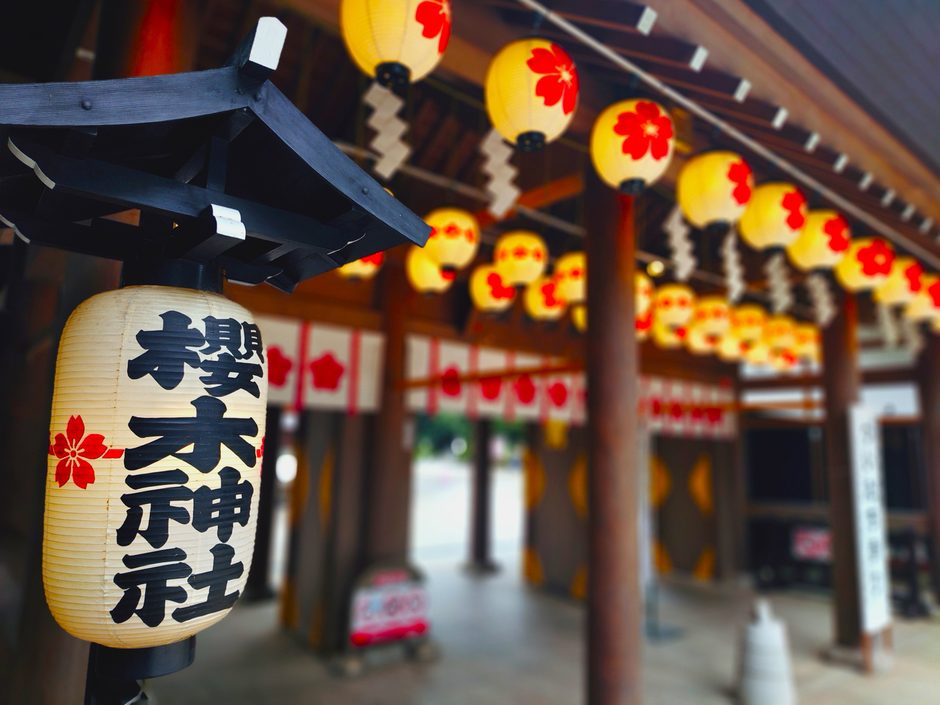

目次
- 【History & Origins】”Sacred Place of Cherry Blossoms” Boasting the Oldest History in Tokatsu, Founded in the Heian Period
- 【Highlights of Sakuragi Shrine】
- 【Sakuragi Shrine Goshuin】
- 【Sakuragi Shrine On-Site Visit Report & Original Evaluation】
- 【Nearby Sightseeing Spots to Visit Together】
- 【Basic Information & Access】
【History & Origins】”Sacred Place of Cherry Blossoms” Boasting the Oldest History in Tokatsu, Founded in the Heian Period
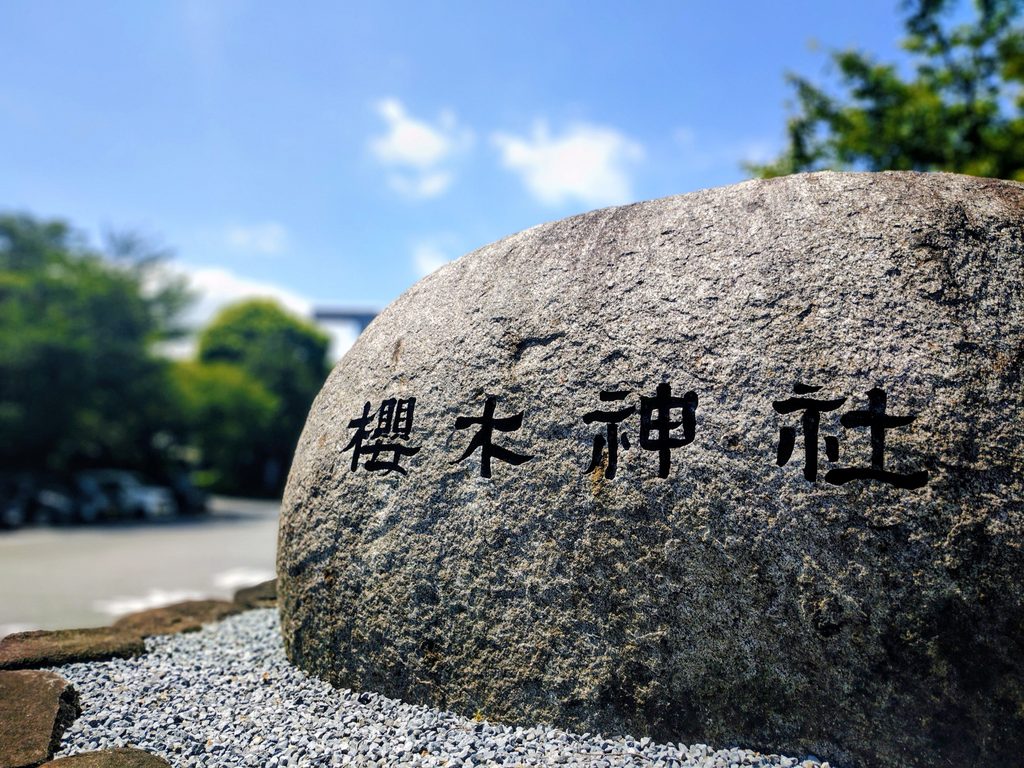
Sakuragi Shrine (Sakuragi Jinja) is located in Sakuradai, Noda City, Chiba Prefecture, and is the shrine with the oldest history in Noda City. As the name suggests, it has a very deep connection with “cherry blossoms” (sakura), and with about 30 species and 400 cherry trees planted on the grounds, it is a power spot surrounded by beautiful nature throughout the four seasons, attracting many worshipers from all over the country.
【Origin and History of Sakuragi Shrine】
The history of Sakuragi Shrine began in 851 (Ninju 1), early in the Heian period. It originated when Fujiwara no Tsuguyoshi—a fifth-generation descendant of Fujiwara no Kamatari (famous for the Taika Reform) and said to be the third son of Minister of the Left Fujiwara no Fuyutsugu—moved to this land. At that time, there was a magnificent, beautiful giant cherry tree here. Lord Tsuguyoshi first enshrined “Ukanomitama-no-mikoto,” the deity of food and good fortune, under that tree, and later additionally enshrined “Takemikazuchi-no-mikoto,” the deity of victory and fortune. This marks the origin of Sakuragi Shrine.
In 1089 (Eiso 1), during the reign of Emperor Ichijo, a full shrine building (miyanokoro / shaden) was erected, and the development of this region progressed further. As the “oldest shrine in Noda City,” Sakuragi Shrine has been a spiritual pillar of the region since ancient times, continuously watching over the development of Noda—a town that prospered through agriculture, industry, and soy sauce brewing—and the lives of its people.
【Enshrined Deities & Divine Blessings】Divine Virtues of Good Luck and Matchmaking Brought by Four Deities Including Ukanomitama-no-Mikoto and Takemikazuchi-no-Mikoto
The four enshrined deities (Gonsaijin) are Ukanomitama-no-mikoto, Takemikazuchi-no-mikoto, Izanagi-no-mikoto, and Izanami-no-mikoto.
The main divine blessings are “Good Fortune & Victory,” “Good Matchmaking,” and “Business Prosperity.”
Because four deities are enshrined here, the shrine offers a wide range of divine blessings (goshintoku):
- Good Fortune, Luck, and Victory: Opens up fortune and brings success in competitions and work.
- Good Matchmaking and Marital Harmony: Binds good ties in romance, human relationships, and business.
- Business Prosperity and Bountiful Harvests: Supported by deities presiding over food and industry, helping businesses and household finances flourish.
- Warding Off Evil and Family Safety: Protects against daily misfortunes and ensures family health and safety.
【Highlights of Sakuragi Shrine】
【Grand Torii Gate & Curved Approach】A Mystical Approach Path Intentionally Bent at Right Angles
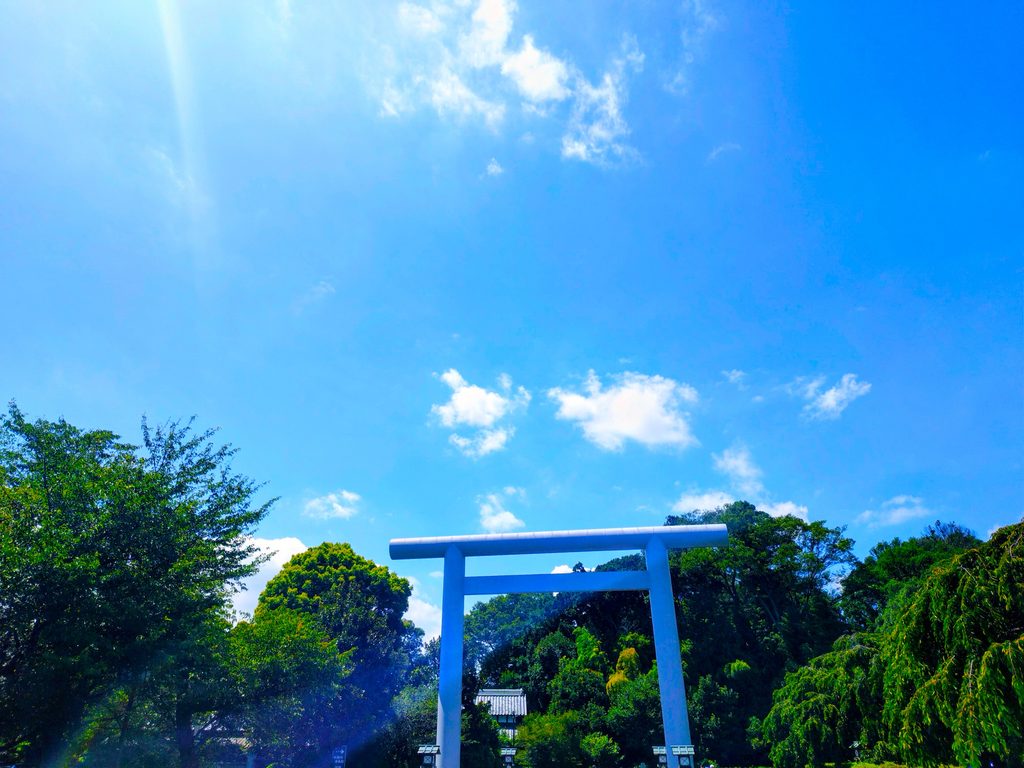
The Grand Torii Gate (Otorii) was erected in 1993 (Heisei 5) and boasts the largest size among torii gates in Noda City. Standing at the entrance of the front approach (Omotesando) to welcome worshipers, it has a presence so commanding that it can be seen from afar even when visiting by car.
The height of the Grand Torii Gate is 18 meters. While it does not reach Japan’s top-class gigantic torii gates (such as those exceeding 30 meters), a torii gate exceeding 15 meters is nationally considered an impressive size fully worthy of being called a “Grand Torii.”
After passing through the Grand Torii Gate, the path leading to the shrine hall (Honden) does not run straight; instead, an intentionally curved approach path continues. In many Japanese shrines, there are major reasons—both rooted in traditional Shinto philosophy and architectural ingenuity to prepare worshipers’ minds—for intentionally curving (or bending at right angles) the approach path.
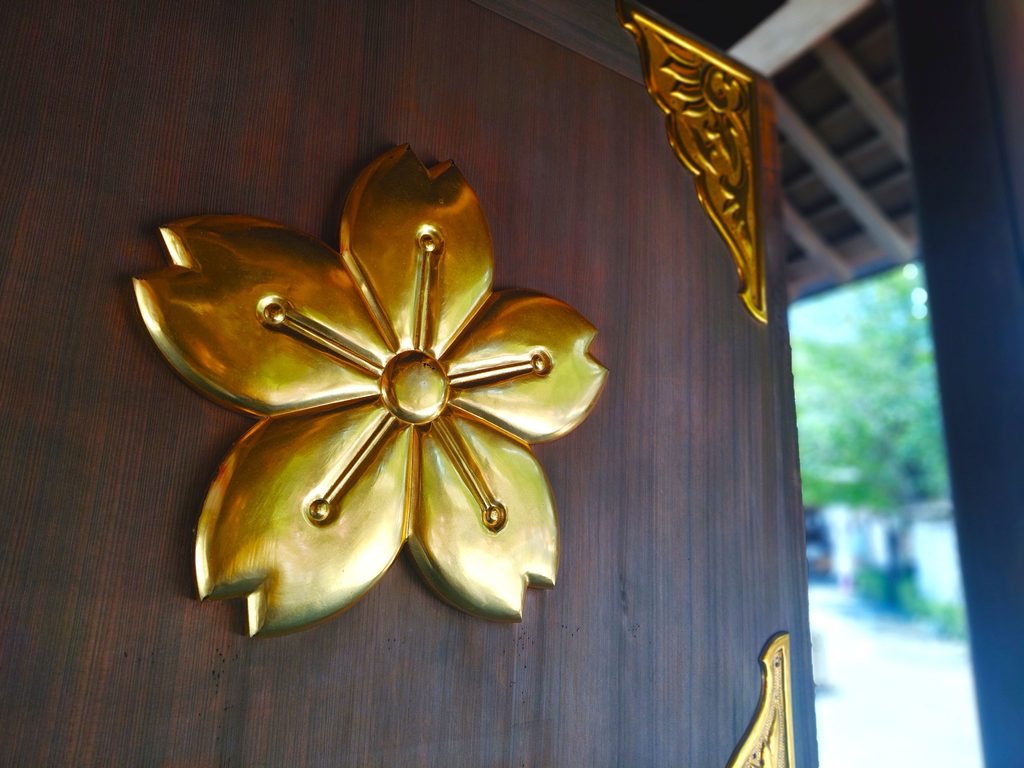
【Sub-shrines Along the Approach】Deities Standing Along the Path Including Nitten-sha, Sengen Shrine, and Raijin Shrine
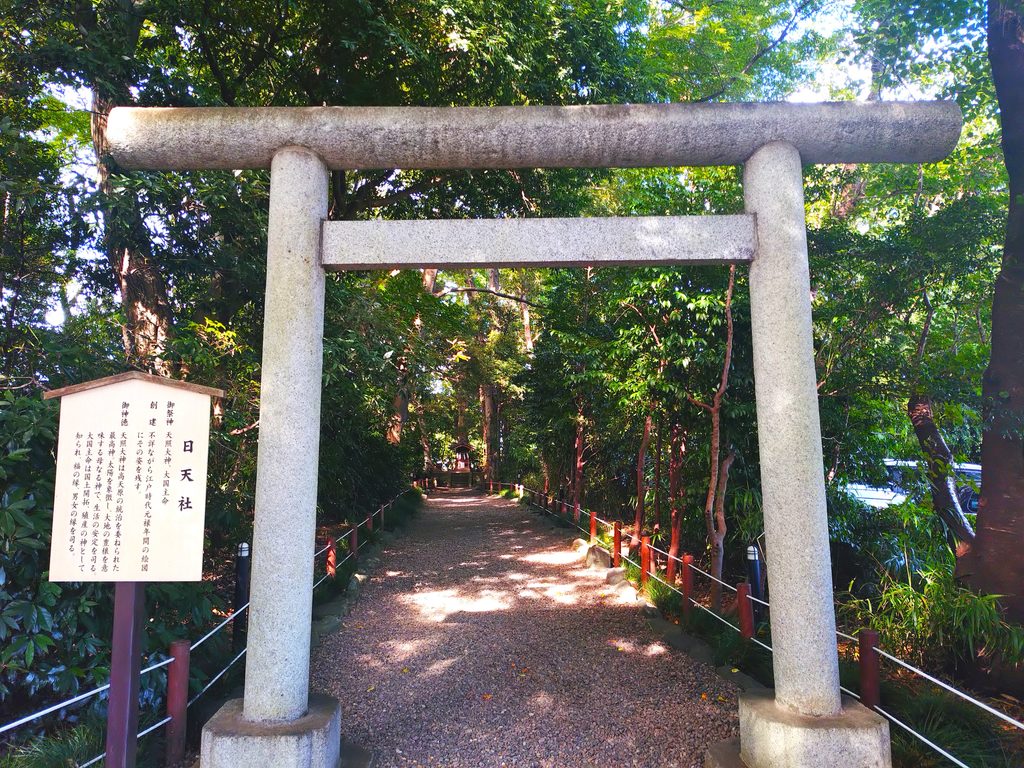
Enshrined along the approach continuing from the Grand Torii Gate. It is said to retain vestiges of enshrining “Nitten” (the Sun Deity), one of the “Twelve Devas” (Juniten), from the era of Shinbutsu-shugo (Shinto-Buddhist syncretism). Located in a very pure, quiet section surrounded by lush greenery, its comfortable atmosphere makes visitors want to take a deep breath, making it deeply loved by devout worshipers.
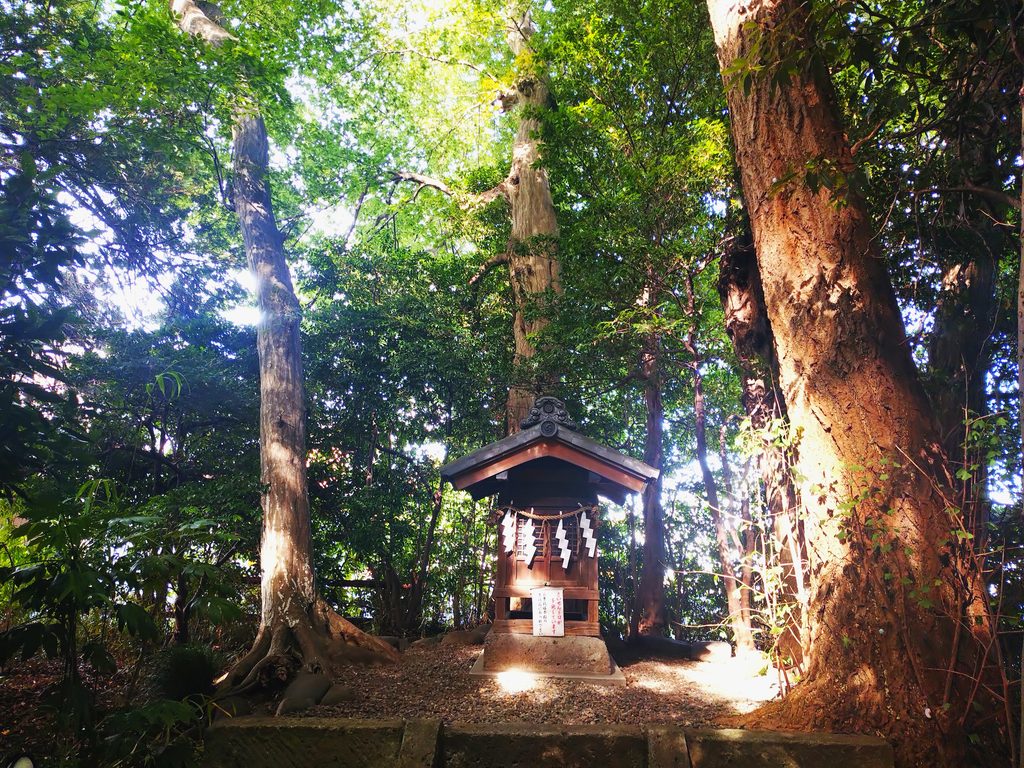
The main deity enshrined here is Amaterasu-Omikami.
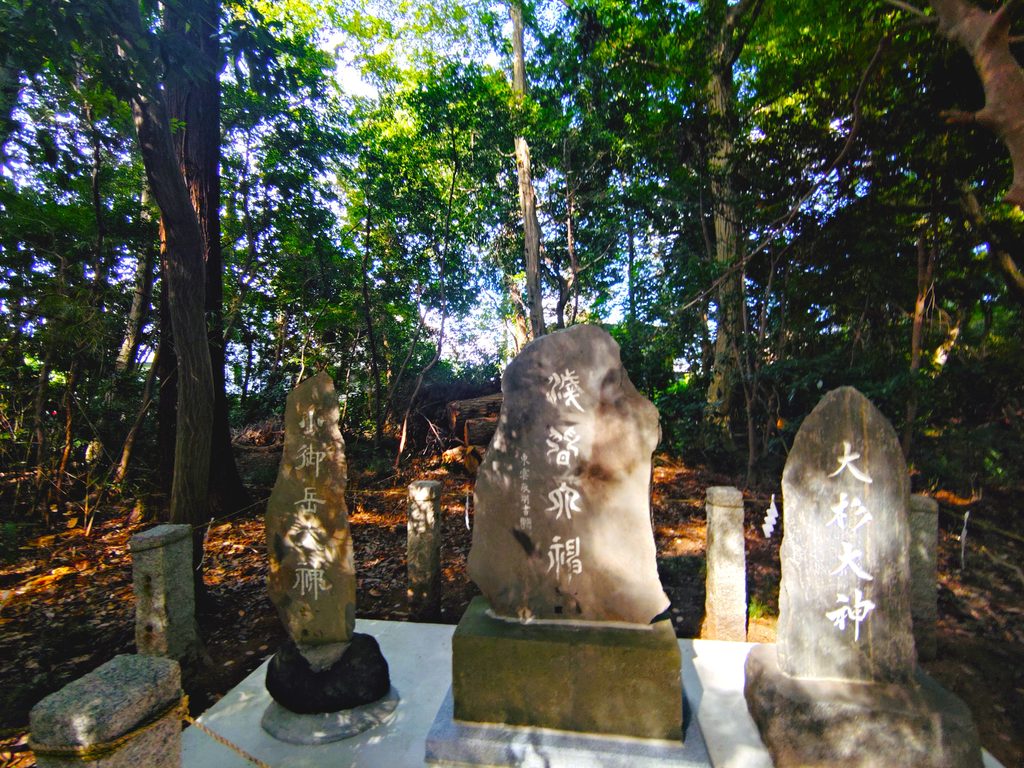
Along the side of the approach, a row of stone shrines enshrines deities like Sengen Shrine and Raijin Shrine, which are deeply rooted in Japanese daily life and nature worship. By praying respectfully at each of these unique sub-shrines, one realizes that Sakuragi Shrine is not merely a tourist spot, but a special place that has gathered Noda’s history, industry, and people’s prayers for over a thousand years.
【Shinmon Gate & Cherry Blossom Chozusha】A Gorgeous Water Purification Area Adorned with Cherry Blossom Motifs
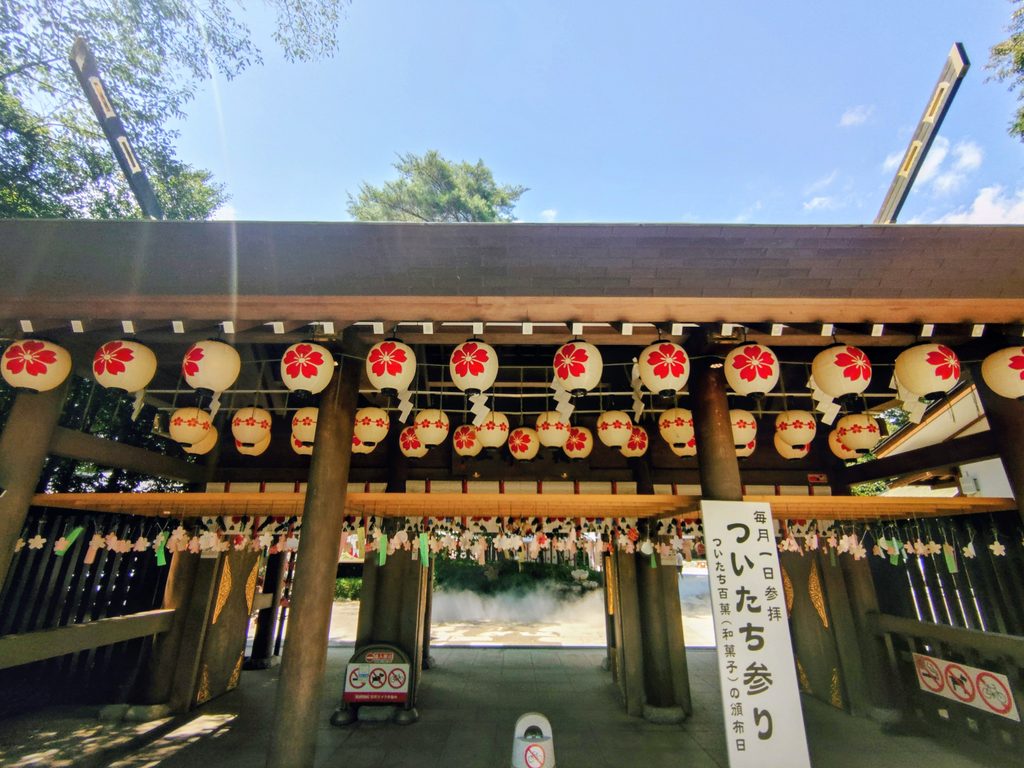
Beyond the intentionally curved path, the Shinmon Gate (Shinmon) comes into view, marking the entrance to the most sacred area where the deities reside. Surrounding the large “Sakuragi Shrine” lantern hung in the center, small white lanterns are arranged in a neat row. All of these lanterns are decorated with pale pink cherry blossom crests (shamon), the shrine’s symbol.
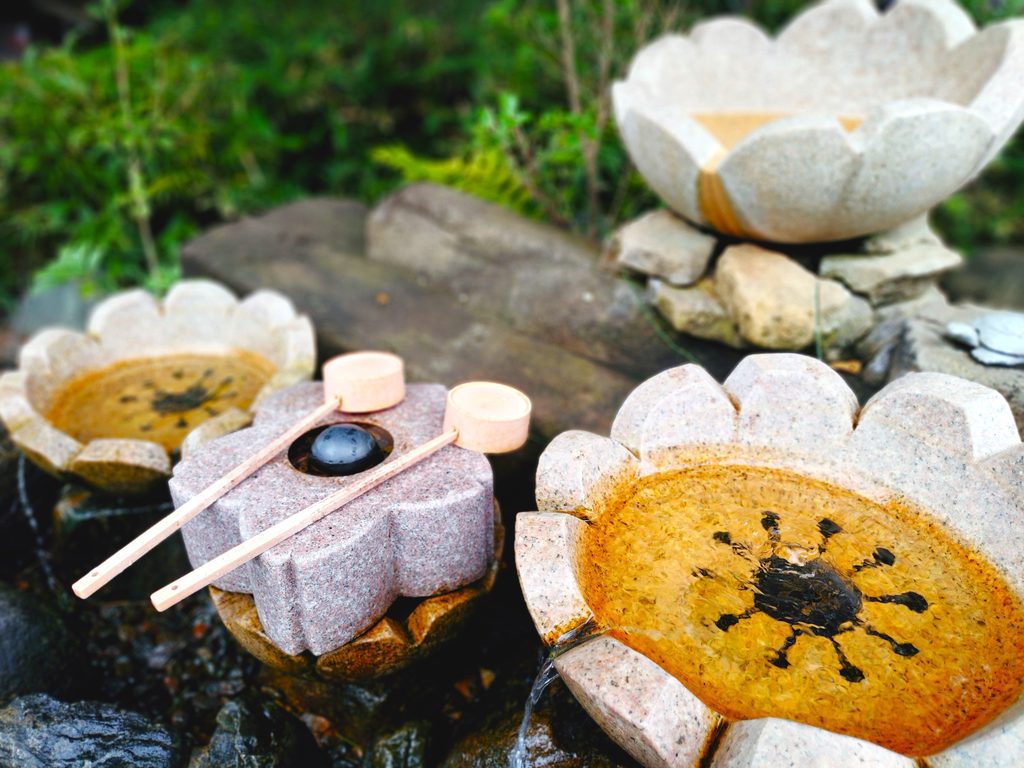
Passing through the Shinmon Gate, a unique water purification area (Chozudokoro) appears directly ahead. Separate from traditional shrine purification pavilions (Chozusha—built entirely of cypress with a traditional stone turtle statue), this newly renovated area features a stone purification basin shaped like a “cherry blossom petal,” the symbol of the shrine.
【Shrine Halls】Beautiful Honden and Haiden Exuding Wooden Warmth and Elegance
The current shrine halls (Shaden) were newly rebuilt during the “Shrine Reconstruction and Construction Project” in 1992 (Heisei 4). While following traditional stylistic beauty, exquisite craftsmanship is applied throughout.
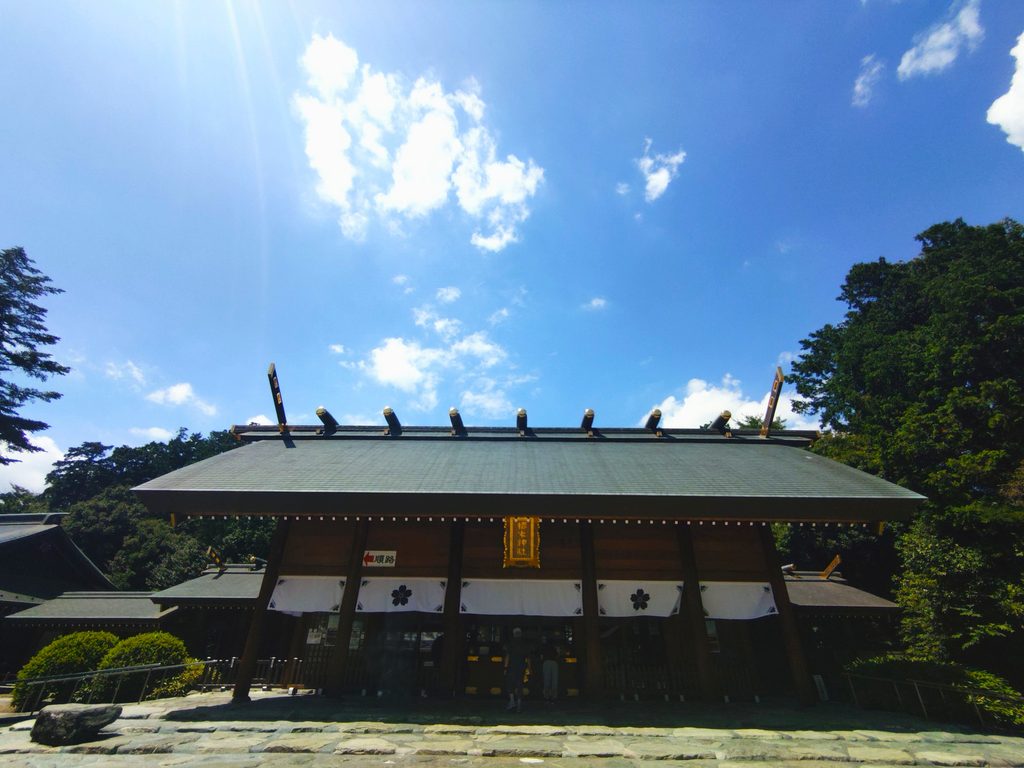
In the innermost “Honden” where the deities are enshrined, two major streams of Japanese shrine architecture appear to be boldly fused together.
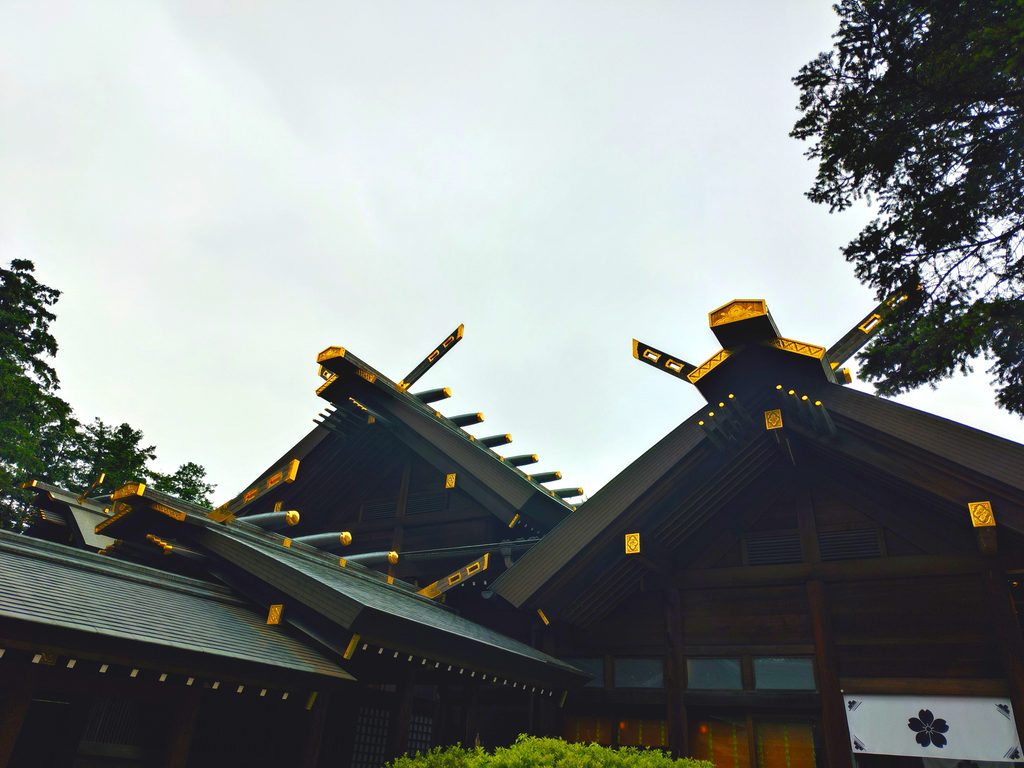
Compared to the main structure, which reflects a linear, powerful Shinmei-zukuri style represented by Ise Jingu, the staircase and roof feature a Taisha-zukuri style represented by Izumo Taisha.
【Chainsaw Art “Fukuryu”】A Dragon Sculpture Breathing Life into a Decayed Giant Tree
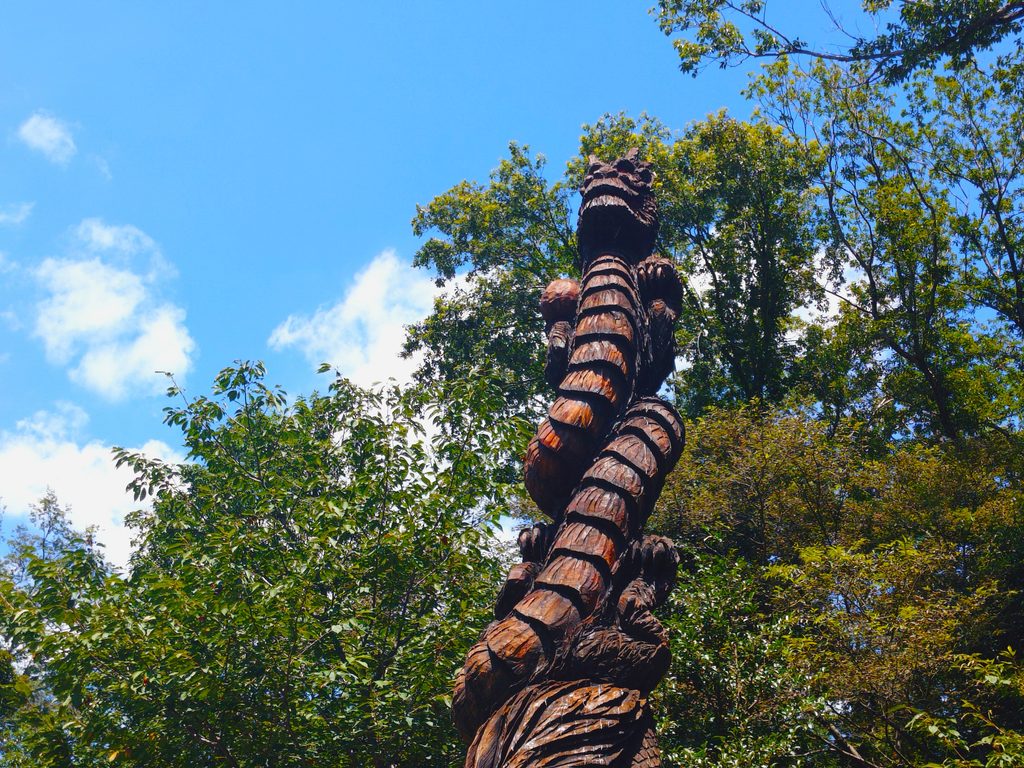
“Fukuryu” (Fortune Dragon) was created directly from a giant oak tree (Konara) that originally grew in the grounds but reached the end of its life and decayed due to oak wilt disease. Hiromu Kurita, a leading figure in Japanese chainsaw art (and a world champion), breathed new life into it.
【Otome Inari Shrine, Sugawara Shrine, & Health Stroking Stone】Sub-shrines and Prayer Stones Standing in the Grounds
Otome Inari Shrine (Otome Inari Jinja) was founded in 1886 on “Otome-dori” in Noda City and was later relocated to the grounds of Sakuragi Shrine in 2006 as a local guardian. It is said to bring strong blessings for bountiful harvests, business prosperity, and family safety.
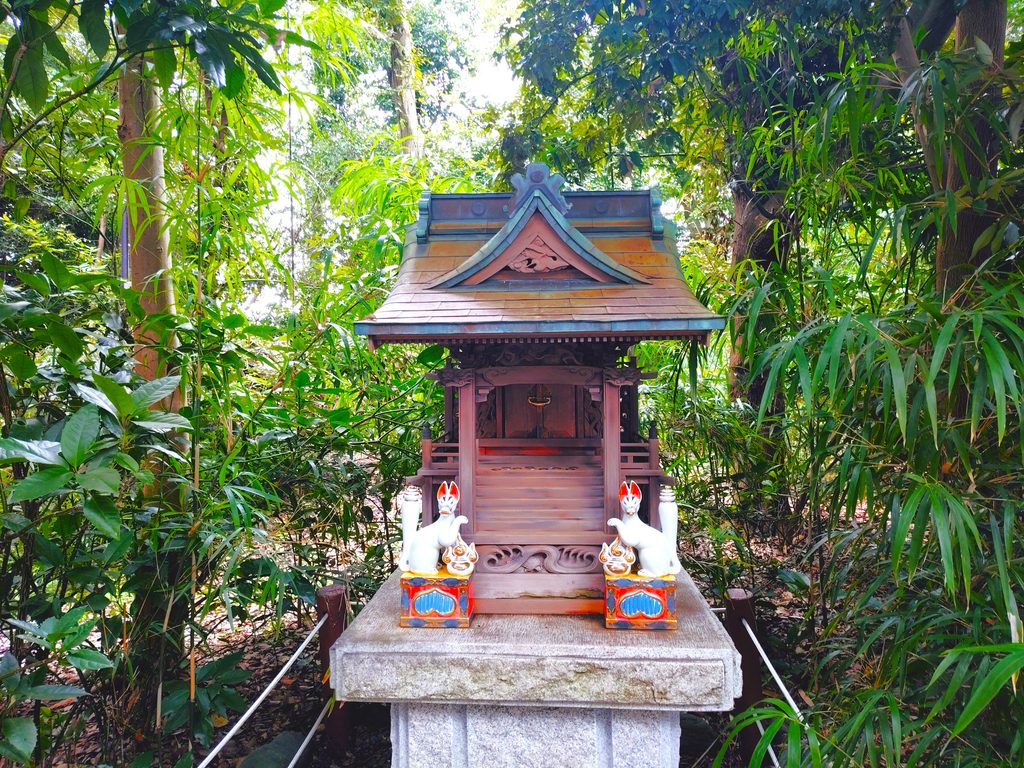
The main deity enshrined here is Ukanomitama-no-kami.
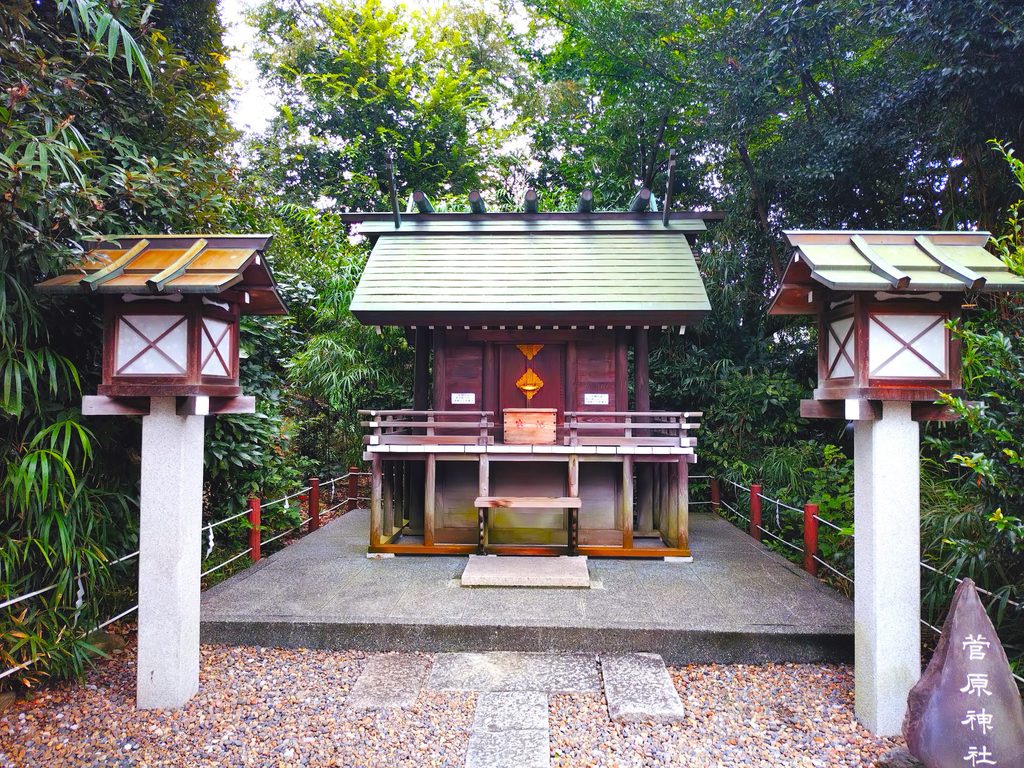
Sugawara Shrine (Sugawara Jinja) is known for blessings of academic success and passing exams. Before exam seasons or certification tests, many students and test-takers visit to fold their hands in prayer. It is a sub-shrine that pairs wonderfully with Sakuragi Shrine’s auspicious “Sakura Saku” (cherry blossoms bloom = passing exams) image.
The main deity enshrined here is Sugawara no Michizane-ko.
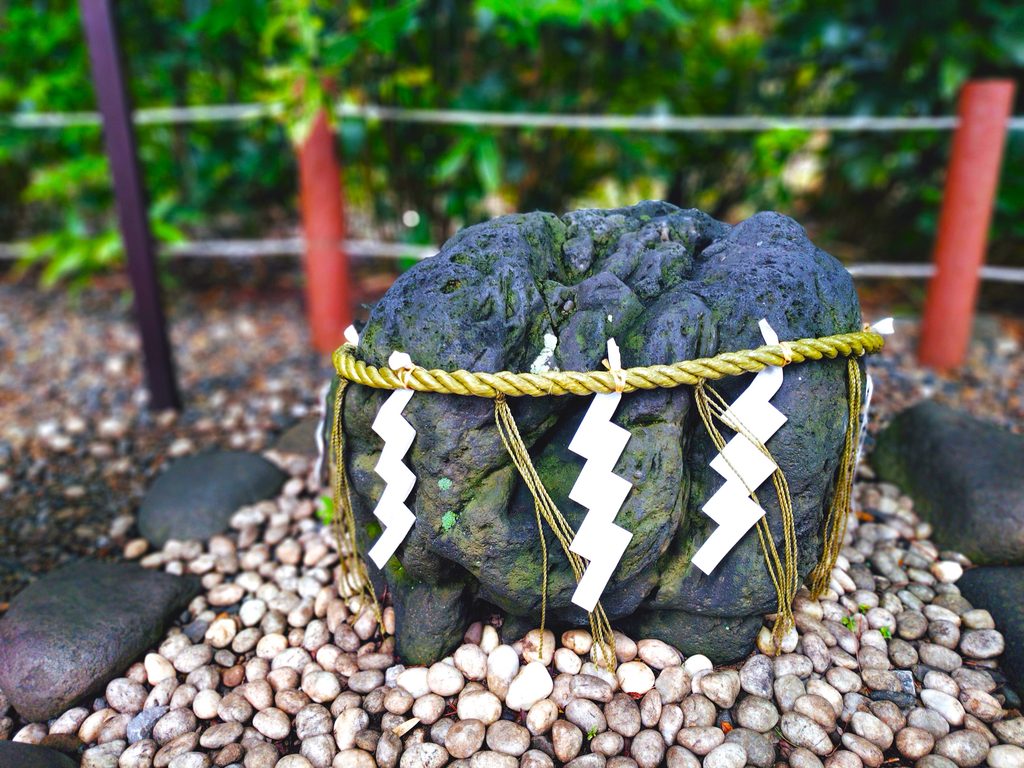
The “Health Stroking Stone” (Kenko no Nade-ishi) is believed to grant recovery from illness and physical well-being by stroking the parts of one’s body that feel unwell or places one wishes to keep healthy.
Since ancient times, in Japanese Shinto and nature worship, stones and rocks have been regarded as extremely sacred “yorishiro” (objects where deities easily dwell). Solid stones that have endured long years are believed to hold the life force of the earth and powerful spiritual energy (reiryoku) to repel evil. Sakuragi Shrine’s stroking stone, having been bathed in the pure air and divine energy of the grounds for many years, is said to gently remove impurities (kegare) and ailments from visitors’ bodies and minds.
【Kawaya Shrine Sub-shrine】A Nationally Rare Shrine Enshrining the “Restroom Deity”
Kawaya Shrine (Kawaya Jinja) is an extremely rare shrine nationwide that enshrines the so-called “deity of the restroom.” Originating from an ancient, famous saying that “cleaning the restroom thoroughly and praying to the deity will lead to giving birth to beautiful children (or making oneself beautiful),” it is believed to grant a wide array of blessings related to health and beauty.
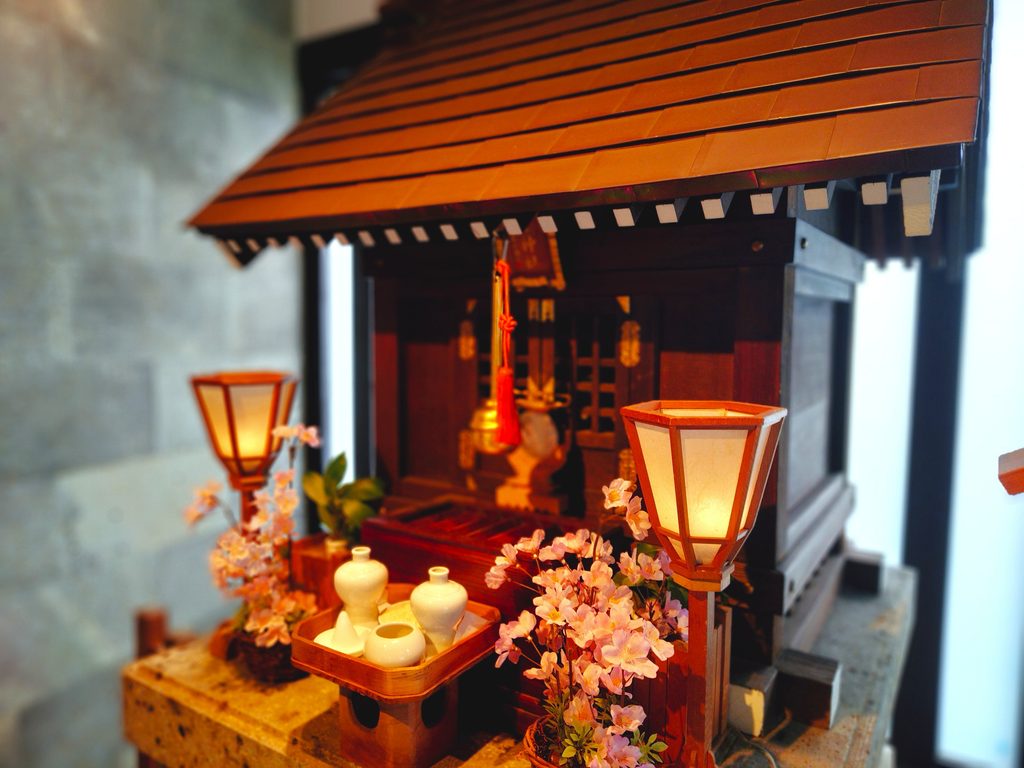
The main enshrined deities are two goddesses from Japanese mythology: Haniyamahime-no-kami and Mitsuhanome-no-kami.
【Sakuragi Shrine Goshuin】
To commemorate the special alignment of three “8”s on August 8th, Reiwa 8 (2026), a special 1-day limited Goshuin was distributed.
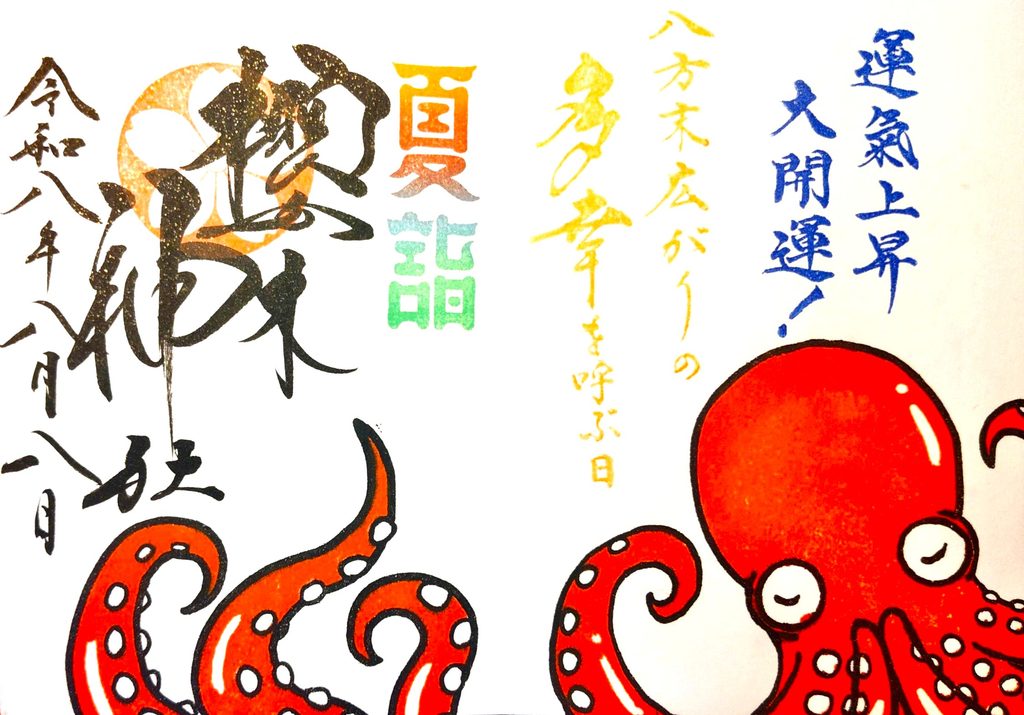
In connection with the number “8” (hachi) in the date, this unique and wonderful Goshuin—characteristic of Sakuragi Shrine—features an octopus with 8 legs. Octopuses are considered very auspicious due to the wordplay with “Tako” (多幸 – meaning “abundant happiness”) and because 8 legs symbolize expanding prosperity (suehirogaru). Spanning two pages (mihiraki) of a Goshuin book, it features dynamic hand-lettering that makes for a special souvenir.
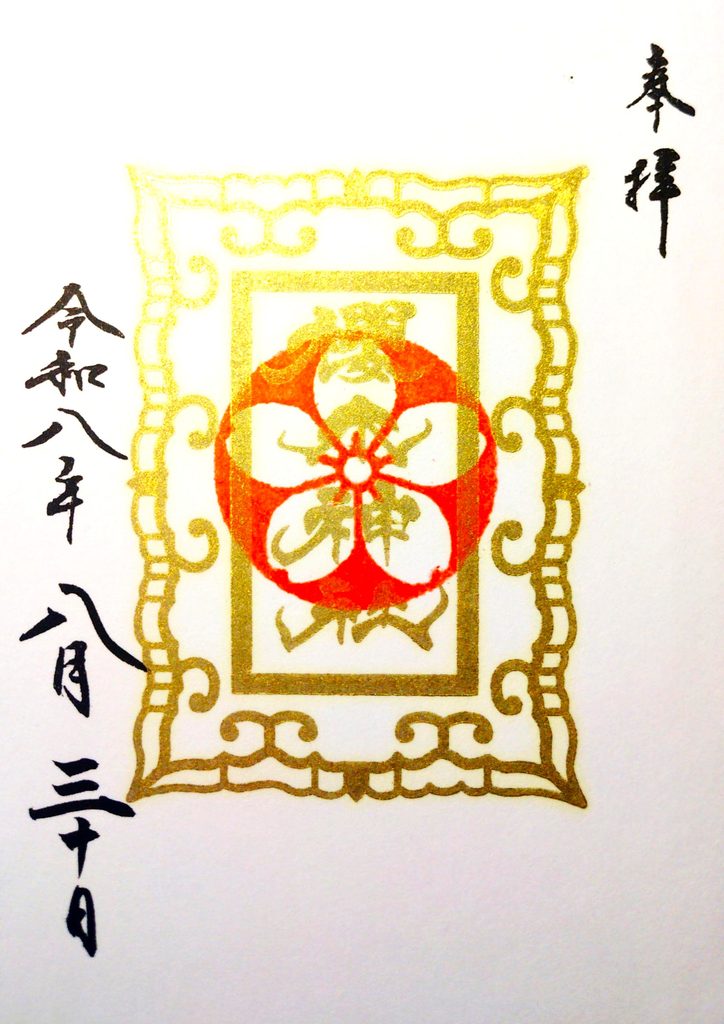
Regular Goshuin varieties mainly include the “Shrine Name Stamp,” “Shrine Crest Stamp,” and “Flower Stamp,” characterized by stunning designs decorated with cherry blossoms.
【Sakuragi Shrine On-Site Visit Report & Original Evaluation】
Sakuragi Shrine On-Site Visit Review & Evaluation Score
| Evaluation Category | Score | Key Features / Highlights |
|---|---|---|
| Goshuin Variety | (5.0) | Offers one of the nation’s finest selections of stunning Goshuin, including seasonal limited and monthly editions like “Sakura no Hi Mairi,” as well as cherry blossom-themed Goshuin books. |
| Scale & Grounds | (4.0) | Impeccable facility maintenance, featuring beautifully kept expansive grounds, a gorgeous main hall, and shrine offices and restrooms praised as the cleanest in Japan. |
| History & Heritage | (4.0) | The oldest shrine in Noda City, said to have been founded in Ninju 2 (852 AD) during the Heian period. Revered for divine blessings of wealth, happiness, and good fortune. |
| Nature & Scenery | (4.0) | Planted with Somei Yoshino, weeping cherry trees, and winter-blooming cherry trees that flower throughout the year, making every corner of the grounds picture-perfect. |
| Accessibility | (3.5) | About a 10–12 minute walk from “Noda-shi Station” on the Tobu Urban Park Line. Driving is also comfortable with a large free parking lot available. |
| Tranquility | (3.0) | Crowded with visitors from all over the country during cherry blossom season and limited Goshuin periods, so early morning is recommended for a quiet visit. |
*An ancient shrine with a history dating back to the Heian period, renowned for its refreshing grounds enveloped in cherry blossoms. In addition to divine blessings for good luck, matchmaking, and wealth, it is a popular worship spot offering nationwide popular cherry blossom-themed Goshuin, sacred items, and impeccably maintained facilities.
On-Site Report | Personal Impressions and Atmosphere
While rooted in deep ancient history as a historic shrine, a warm sense of hospitality from the shrine—wishing for modern visitors to “pray comfortably and pleasantly”—is felt throughout the entire grounds.
On the day of my visit, a special double-page limited Goshuin featuring an octopus symbolizing “abundant happiness” in honor of the number “8” was prepared at Sakuragi Shrine, drawing such a massive queue that numbered tickets reached the 500s and 600s by noon. Since it required waiting several hours to receive it, I decided to revisit on another day. I think combining your visit with the nearby Noda City Museum makes for a truly fulfilling trip.
【Nearby Sightseeing Spots to Visit Together】
Noda City Museum, Komaki Suwa Shrine, Chokoku-zan Hondoji Temple, Tozenji Temple, Kashiwa Shrine, Fuse Benten Tokaiji Temple
![20260808 142241543 2 520x300 - Sakuragi Shrine [Chiba]](https://japan-shrine.info/wp-content/uploads/20260808_142241543-2-520x300.jpg "Sakuragi Shrine [Chiba]")
![20260808 094247721 2 520x300 - Sakuragi Shrine [Chiba]](https://japan-shrine.info/wp-content/uploads/20260808_094247721-2-520x300.jpg "Sakuragi Shrine [Chiba]")
![20260808 1051005753 520x300 - Sakuragi Shrine [Chiba]](https://japan-shrine.info/wp-content/uploads/20260808_1051005753-520x300.jpg "Sakuragi Shrine [Chiba]")
![20260808 115733876 2 520x300 - Sakuragi Shrine [Chiba]](https://japan-shrine.info/wp-content/uploads/20260808_115733876-2-520x300.jpg "Sakuragi Shrine [Chiba]")
【Basic Information & Access】
【Access by Train / Car and Parking】
*Free parking available
210-1 Sakuradai, Noda City, Chiba Prefecture 278-0032
![99f72f6a81619f1251ca0e9400a68cec - Sakuragi Shrine [Chiba]](https://japan-shrine.info/wp-content/uploads/sng/99f72f6a81619f1251ca0e9400a68cec.jpg "Sakuragi Shrine [Chiba]")