 Kanata's Japan Shrine Guide

目次
- 【Overview & History of Nakayama Hokekyo-ji Temple】
- 【Highlights & Recommended Worship Route of Nakayama Hokekyo-ji Temple】
- 【Nakayama Hokekyo-ji Temple Goshuin】
- 【Nakayama Hokekyo-ji Temple On-Site Visit Report & Original Evaluation】
- 【Nearby Sightseeing Spots to Visit Together】
- 【Basic Information & Access】
【Overview & History of Nakayama Hokekyo-ji Temple】
Located in Nakayama, Ichikawa City, Chiba Prefecture, Nakayama Hokekyo-ji Temple (Chuzan Hokekyo-ji) is a Grand Head Temple (Dai-Honzan) of the Nichiren Sect of Buddhism. Commonly known as “Nakayama Hokekyo-ji,” it stands as one of the most vital centers of the Nichiren Sect and is famous nationwide as the temple where the rigorous “Nichiren Sect Dai-Aragyodo” (Great Ascetic Training Hall) is held, drawing ascetic monks from across Japan.
【History & Origins】A Prestigious Temple Founded in the Kamakura Period on Land Connected to Nichiren Shonin
The temple’s history began in 1260 (Bun’o 1) during the Kamakura period. After submitting his treatise Rissho Ankoku Ron (“On Establishing the Correct Teaching for the Peace of the Land”) to the Shogunate, Saint Nichiren (Nichiren Shonin) faced severe persecution (the Matsubagayatsu Persecution) and was welcomed and sheltered here by prominent local figures of Shimousa Province, Toki Jonin and Ota Jomyo.
Born in Kamogawa City, Chiba Prefecture (Kominato in Awa Province), Nichiren Shonin entered Mount Kiyosumi at age 12 to become a Buddhist monk. He later traveled to major temples in Kamakura, Kyoto (Mount Hiei), and Mount Koya, devoting over a decade to life-risking Buddhist training and study before founding the Buddhist denomination known as the “Nichiren Sect” (Nichiren-shu).
Among countless Buddhist scriptures, Nichiren Shonin became convinced that the Lotus Sutra (Hokekyo) was the supreme teaching embodying the true heart of Shakyamuni Buddha. He preached that chanting the sacred mantra “Namu Myoho Renge Kyo”—which condenses the very soul of the Lotus Sutra—is the sole path through which all people can attain salvation.
During the Sengoku period in 1545 (Tenbun 14), “Hokke-ji Temple,” built on the former residence of Toki Jonin, and “Honmyo-ji Temple,” built on the former residence of Ota Jomyo, merged to form the present-day “Hokekyo-ji Temple.”
Why did they accept such a perilous situation despite carrying such immense risk?
For the Nichiren Sect, Chiba Prefecture is regarded as the most sacred birthplace where its entire history began—from the founder’s birth and establishment of the sect to his protection during times of severe trial.
Above all, Jonin and his allies believed from the bottom of their hearts that “Nichiren Shonin’s teachings (the Lotus Sutra) represent the sole truth capable of fundamentally saving this hellish world plagued by great disasters and famines.”
As samurai, their deep admiration for Nichiren Shonin’s indomitable spirit—never taking a single step back regardless of persecution—was likely another major reason.
Precisely because of the life-risking protection provided by Jonin and others, Nichiren Shonin survived to pass down his teachings to future generations, and the site of their resolve lives on today as the deeply historic “Nakayama Hokekyo-ji Temple.”
【Principal Deities & Divine Blessings】Virtues of Warding Off Evil and Good Fortune Granted by Shakyamuni Buddha and Various Deities
| Location / Section | Principal Image (Enshrined Deities) | Main Divine Blessings |
|---|---|---|
| Fundamental Principal Image of the Entire Temple | Jikkai Mandala / Isson Shi-Bosatsu (Shakyamuni Buddha and Four Bodhisattvas) | Household Safety, Fulfillment of Heart’s Wishes, Warding Off Evil & Good Fortune |
| Founder’s Hall (Soshido) (Important Cultural Property) | Statue of Nichiren Shonin (attributed to Saint Nippo) | Warding Off Evil & Eliminating Calamities, Career Advancement, Fulfillment of Wishes |
| Kishimojin-do Hall | Sacred Statue of Kishimojin (one of the Three Great Kishimojin of Edo) | Safe Childbirth Prayers, Conception, Child-Rearing & Children’s Healthy Growth |
| Ugajin-do Hall | Sacred Statue of Ugajin (deity of fortune with a serpent’s body and an elder’s head) | Business Prosperity, Improved Financial Luck, Abundant Harvests |
| Great Buddha (Seated Shakyamuni Nyorai) | Seated Bronze Statue of Shakyamuni Nyorai (outdoor Great Buddha) | Recovery from Illness, Health & Longevity, Ancestral Memorials |
Many worshipers join their hands in prayer before “Kishimojin,” enshrined inside the “Kishimojin-do Hall” on the grounds.
 Zoshigaya Kishimojin-do Temple [Tokyo]
The Kishimojin statue enshrined in the hall is said to have been hand-carved from wood by Nichiren Shonin himself. Since the Edo period, known as “Kishimojin of Nakayama,” she has been passionately worshipped as one of the “Three Great Kishimojin of Edo” alongside those in Iriya and Zoshigaya in Tokyo. (Note: The Nakayama Kishimojin statue is not the primary Buddhist image of the temple, but a guardian deity who protects children and believers of the true Nichiren teachings [Lotus Sutra] from alongside.)
- “Kishimojin of Nakayama” for Safe Childbirth & Child-Rearing: Kishimojin-do Hall attracts the largest number of worshipers seeking blessings at Hokekyo-ji. As one of the “Three Great Kishimojin of Edo” alongside Iriya and Zoshigaya, it is widely cherished for safe childbirth prayers, Omiyamairi (first shrine/temple visits), and Shichi-Go-San blessings.
- “Soshido (Founder’s Hall)” for Warding Off Evil & Fulfilling Wishes: Enshrining the sacred image of sect founder Nichiren Shonin and serving as the sacred sanctuary where the Nichiren Sect’s severe ascetic training (Dai-Aragyodo) takes place, it is believed to bestow powerful blessings for warding off evil, eliminating calamities, and fulfilling all wishes.
- “Ugajin-do Hall” for Financial Luck & Business Prosperity: Located beside the approach path within the grounds, Ugajin-do Hall has been worshipped since ancient times by locals and visitors alike as a deity of good fortune bringing wealth and commercial success.
【Highlights & Recommended Worship Route of Nakayama Hokekyo-ji Temple】
【Sanmon Gate (Akamon / Red Gate)】An Imposing Entrance Gate Displaying a Plaque Inscribed by Hon’ami Koetsu
The approach path leading from Keisei-Nakayama Station on the Keisei Line or Shimosa-Nakayama Station on the JR Sobu Line stretches through a nostalgic, Showa-retro temple town.
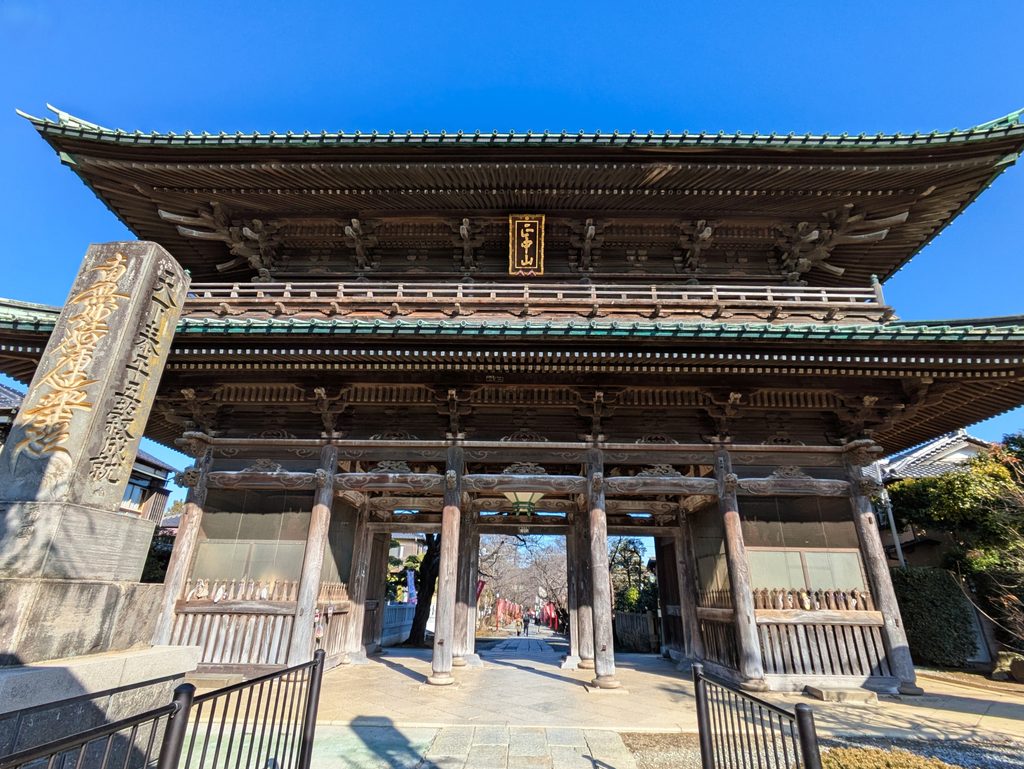
Towering at the end of the approach, the Sanmon Gate (Sanmon) is a massive vermilion-lacquered two-story tower gate (Romon), affectionately known as “Akamon” (Red Gate) or “Niomon” as the symbolic gateway of the temple. The current structure was rebuilt in 1926 (Taisho 15) after suffering repeated disasters. Hanging high on the front of the gate, the mountain-name plaque inscribed “Shochuzan” was brushed by Hon’ami Koetsu—a master artist of the early Edo period counted among the “Three Brushes of the Kanei Era”—and is designated as a Municipal Cultural Property.
While typically written with the characters for “Mountain Gate” (山門), Hokekyo-ji intentionally writes it as “Three Gates” (三門), embodying the meaning of the “Three Gates of Liberation” (San-Gedatsumon)—the gateway to liberation from the three earthly desires/poisons in Buddhist practice (greed, anger, and ignorance).
Passing under the Sanmon Gate (Akamon) into the heart of the precincts reveals the “Soshido” (Founder’s Hall) and the “Five-Story Pagoda,” both designated as National Important Cultural Properties, standing side-by-side and preserving fine examples of early-to-mid Edo period temple architecture.
【Soshido (Founder’s Hall)】An Important Cultural Property Hall Catching the Eye with Its Magnificent Double Hip-and-Gable Roof
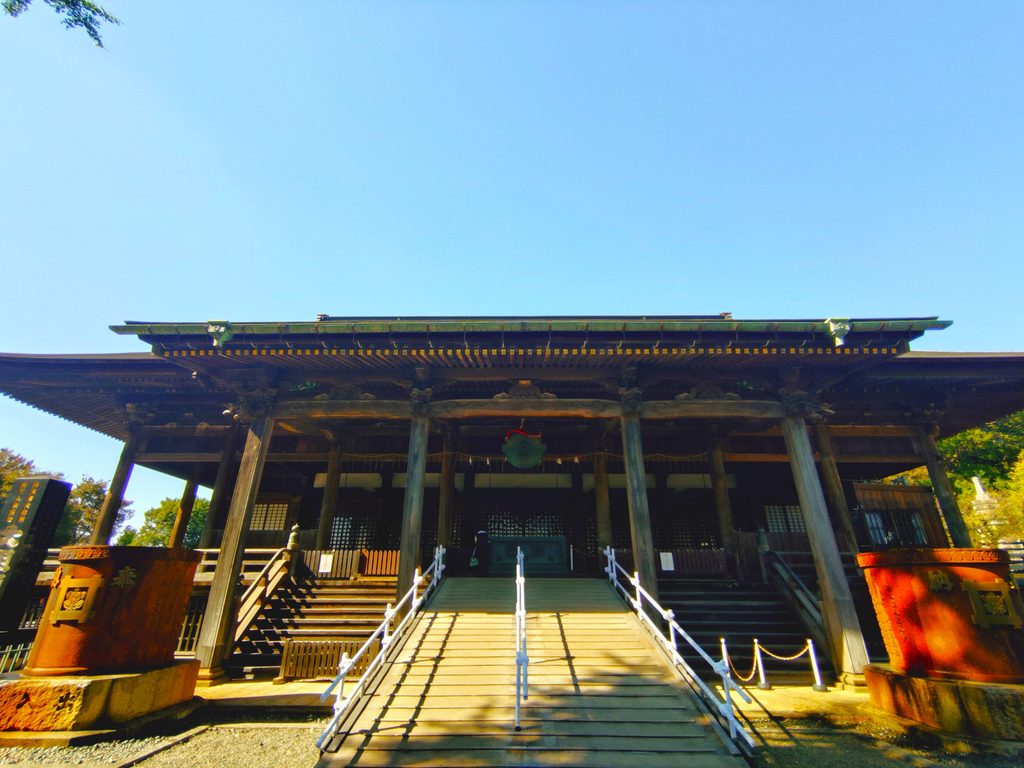
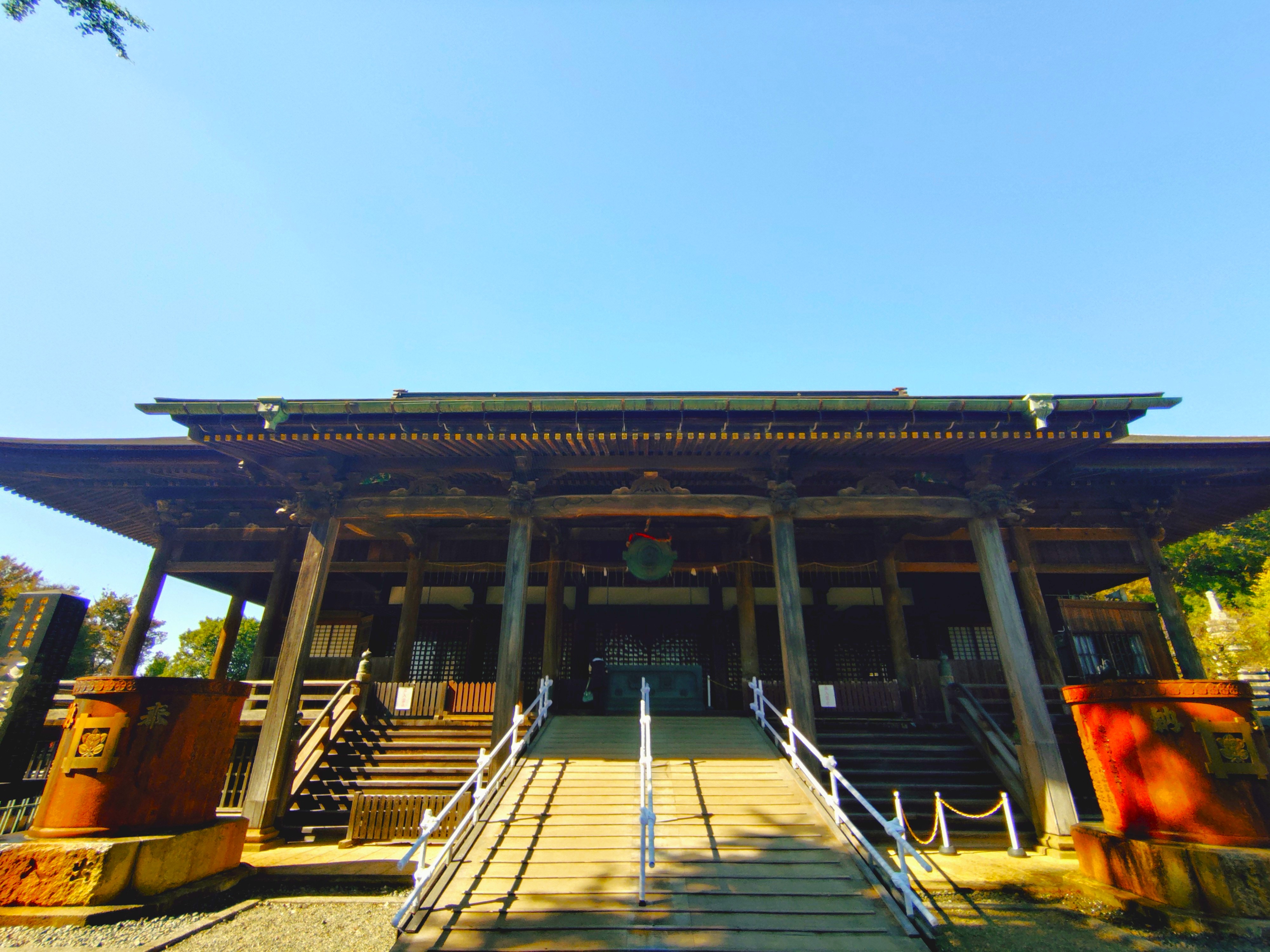
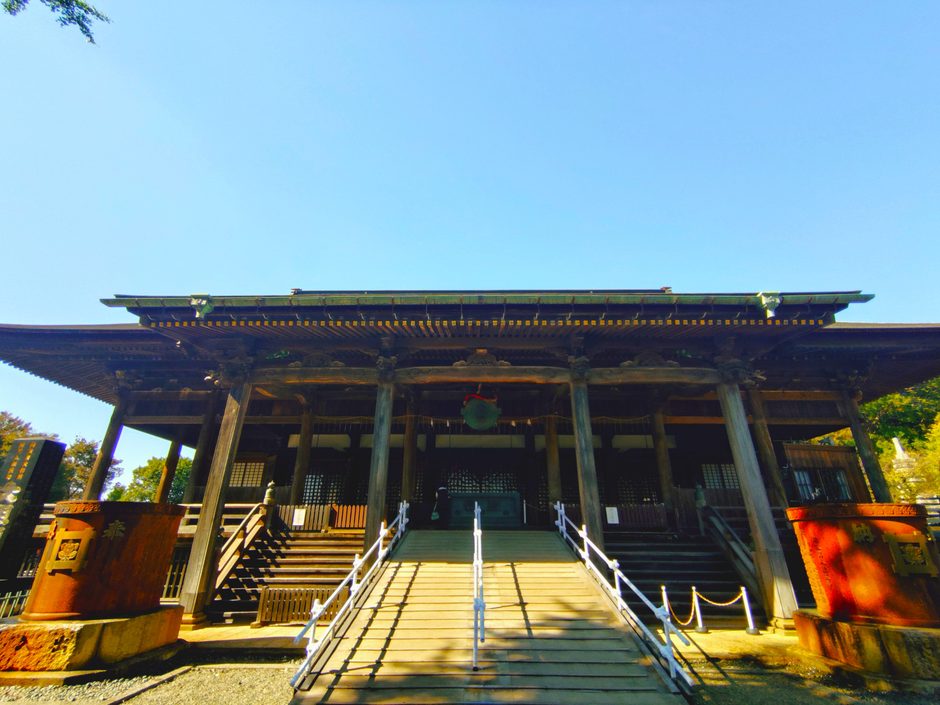
The Soshido (Founder’s Hall) is the symbol of the temple and the largest hall on the grounds, enshrining the spirit of Nichiren Shonin (O-Soshi-sama), founder of the Nichiren Sect. Rebuilt during the Edo period in 1678 (Enpo 6), the building is designated as a National Important Cultural Property.
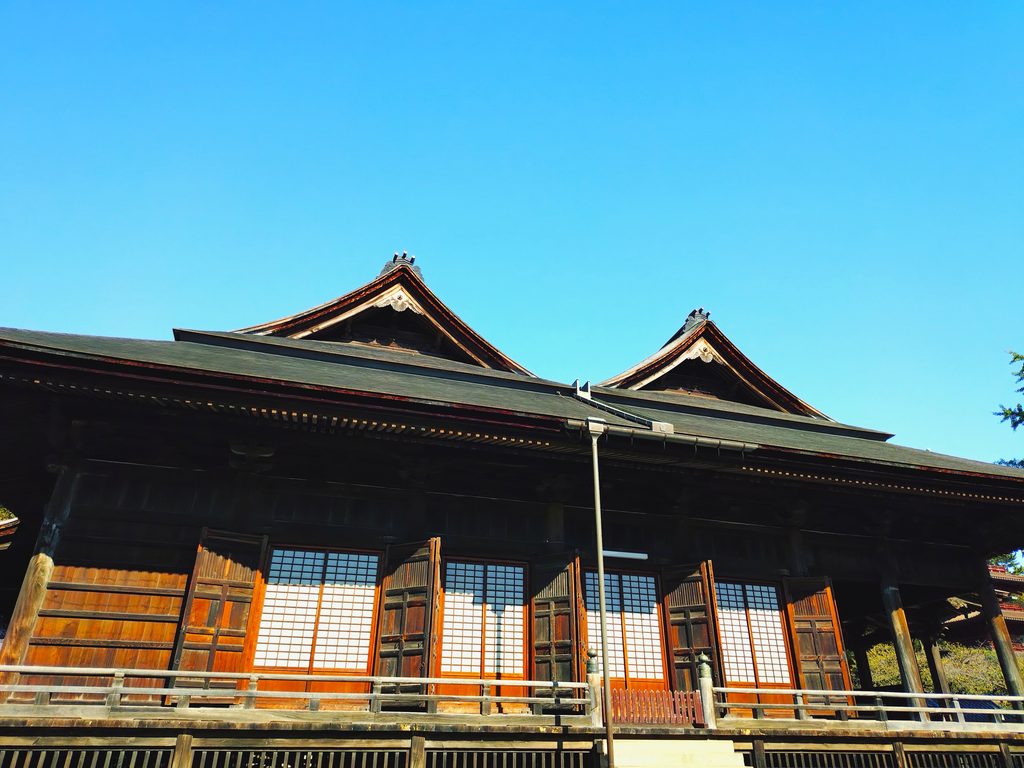
Most noteworthy is its extraordinarily rare architectural style called “Hiyoku Irimoya-zukuri” (Twin Hip-and-Gable Style), which looks as though two roofs are joined side-by-side. Only about two examples of this architectural style exist across all of Japan: here and at Kibitsu Shrine (a National Treasure) in Okayama Prefecture.
【Five-Story Pagoda】An Important Cultural Property Pagoda Built in the Edo Period Rising as a Symbol of the Grounds
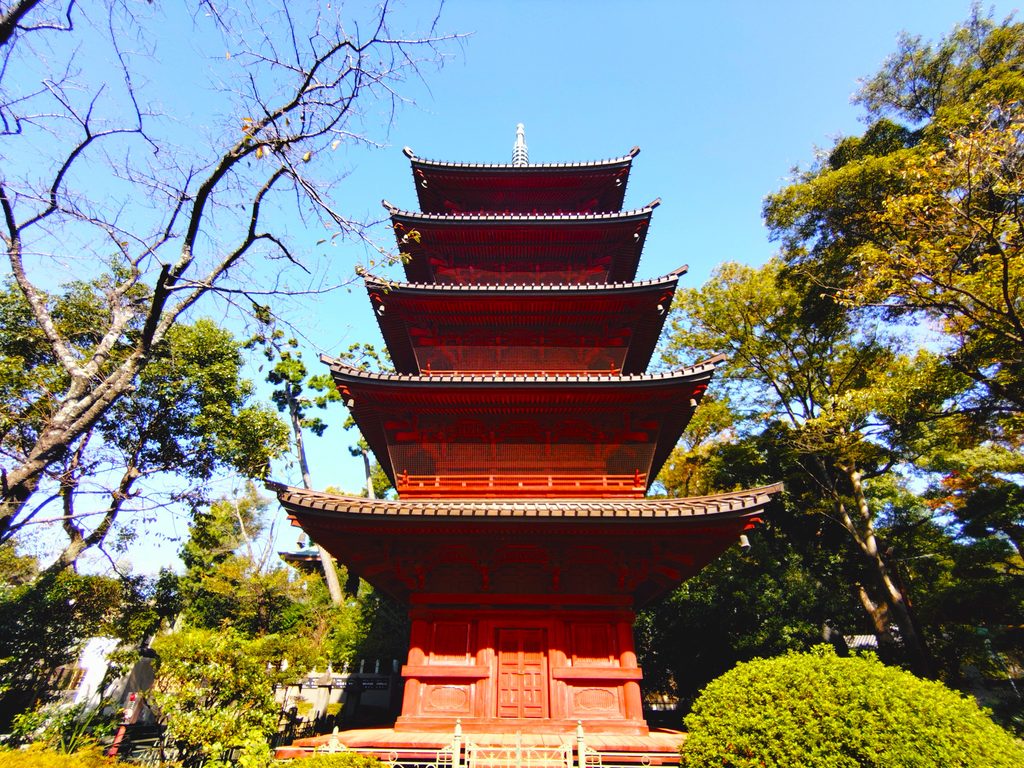
Donated in 1622 (Genna 8) by Maeda Toshimitsu, lord of the Kaga Domain, to pray for the repose of his mother’s soul, this graceful pagoda stands approximately 30 meters tall. Retaining its early Edo-period architectural style intact, its well-proportioned silhouette—tapering smoothly from the first tier to the top—stands out with exceptional beauty during seasons of fresh green foliage and autumn leaves.
【Nakayama Great Buddha & Statue of Saint Nichijo】An Outdoor Great Buddha and Bronze Statue of the Founder Warmly Welcoming Worshipers
The Nakayama Great Buddha (Nakayama Daibutsu) is a remarkably beautiful bronze seated statue of Shakyamuni Nyorai cast during the Edo period (statue height: approx. 3.56 meters; total height including pedestal: approx. 4.84 meters). Possessing high historical value, it was designated as a Tangible Cultural Property (Sculpture) of Ichikawa City in 1974 (Showa 49).
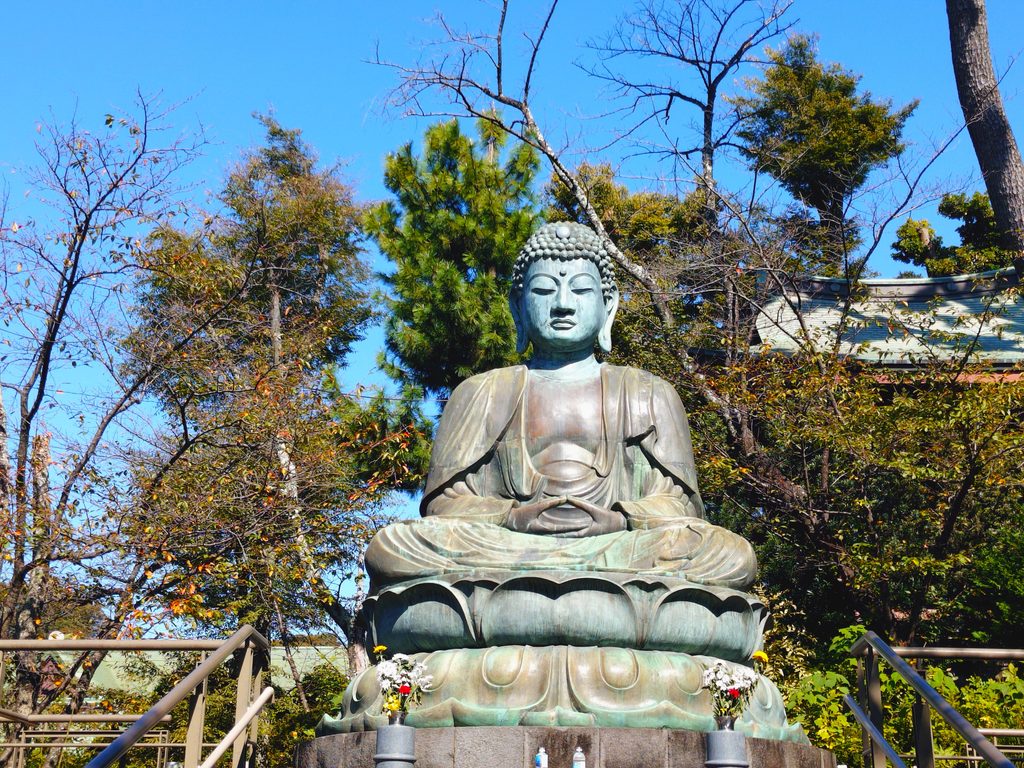
During the Great Kanto Earthquake of 1923 (Taisho 12), this Great Buddha actually suffered severe damage when its head detached and fell forward. However, two years later in 1925 (Taisho 14), it was impeccably restored using the craftsmanship of the era. Looking closely around the neck today still reveals faint traces of that restoration—standing as a living witness to the history the Great Buddha has weathered.
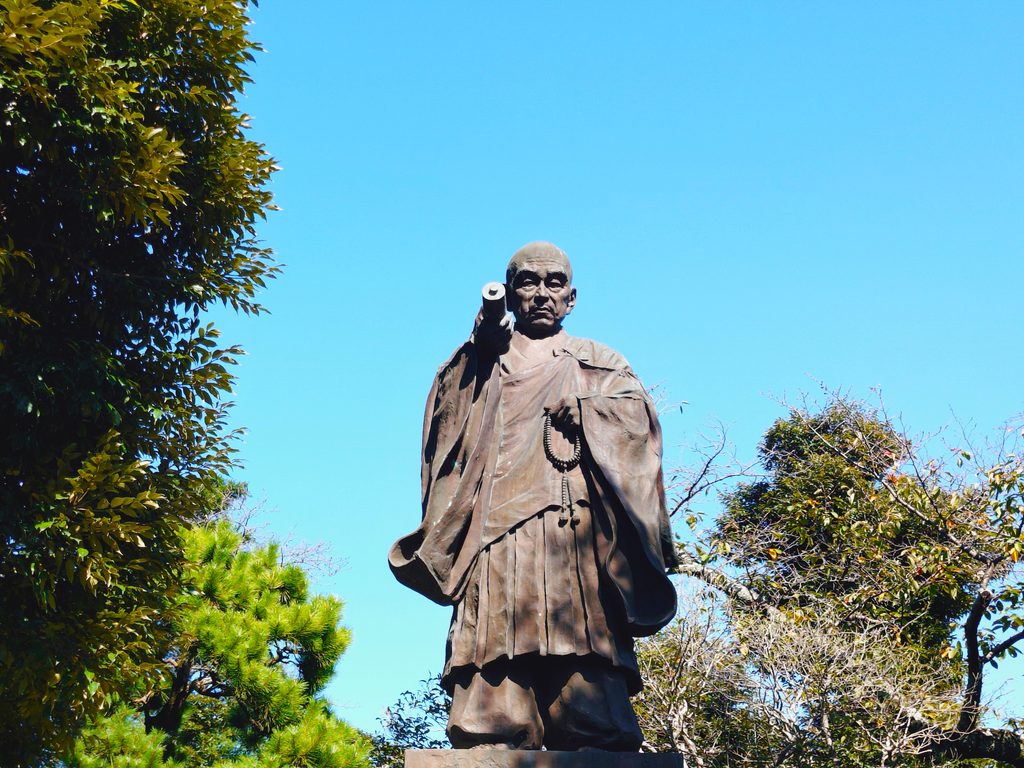
The Statue of Saint Nichijo (Nichijo Shonin-zo) is a bronze statue erected to honor the achievements of Saint Nichijo (Toki Jonin), the greatest benefactor in the temple’s founding who became its first Chief Abbot (Kanshu).
“Saint Nichijo” is the priestly honorific title of Toki Jonin, a Kamakura-period samurai who became Nichiren’s influential patron (dan’otsu) and disciple. He is a distinct figure from the founder of “Nichiren Shoshu” (Nichiren Daishonin) and is primarily revered as one of the key founding masters of the “Nichiren Sect” (Nichiren-shu). Saint Nichijo built a Lotus Hall (Hokke-do) on his own estate to welcome Nichiren and sheltered him during times of persecution. Following Nichiren’s passing, he took tonsure under the Buddhist name “Nichijo” (Joshu-in Nichijo) and converted his residence into a temple. This marked the beginning of present-day Shochuzan Hokekyo-ji Temple, Grand Head Temple of the Nichiren Sect, with Saint Nichijo serving as its first Chief Abbot.
【Bell Tower (Shoro) & Dai-Aragyodo (Great Ascetic Training Hall)】A Historic Bell Tower and the Dojo Where the Grueling 100-Day Winter Asceticism Takes Place
The Bell Tower (Shoro) is an atmospheric pavilion standing on the left side after passing through the Hojo Gate.
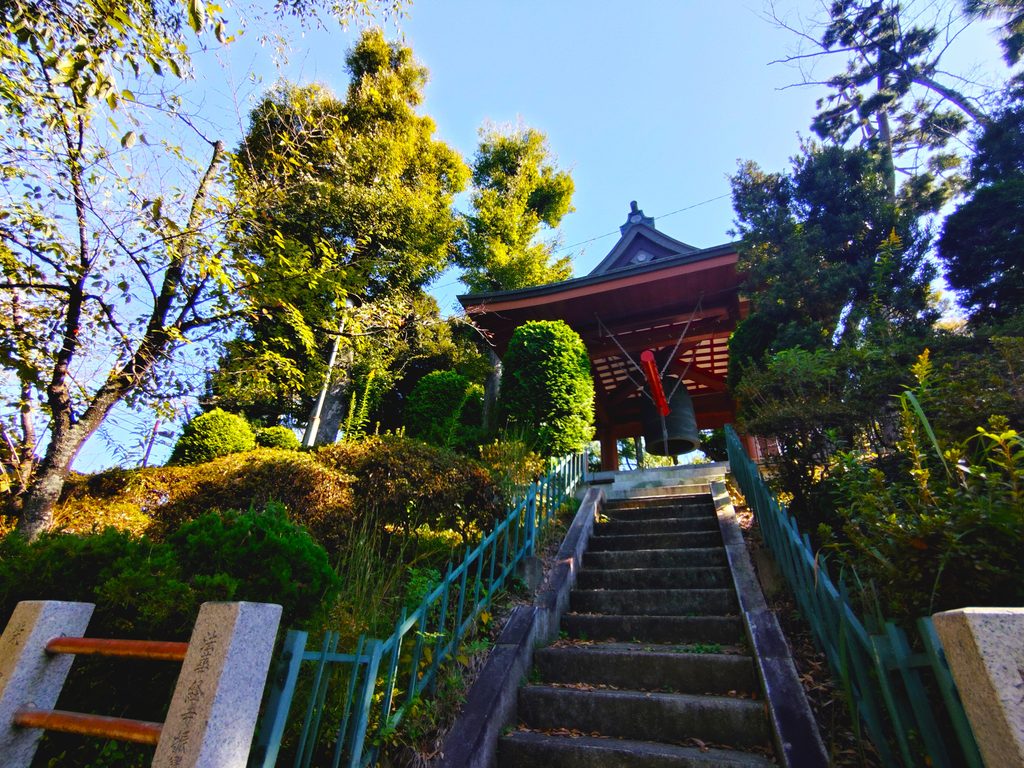
During the New Year holidays, the first 1,000 worshipers are reportedly permitted to personally strike the bronze temple bell (bonsho) housed here.
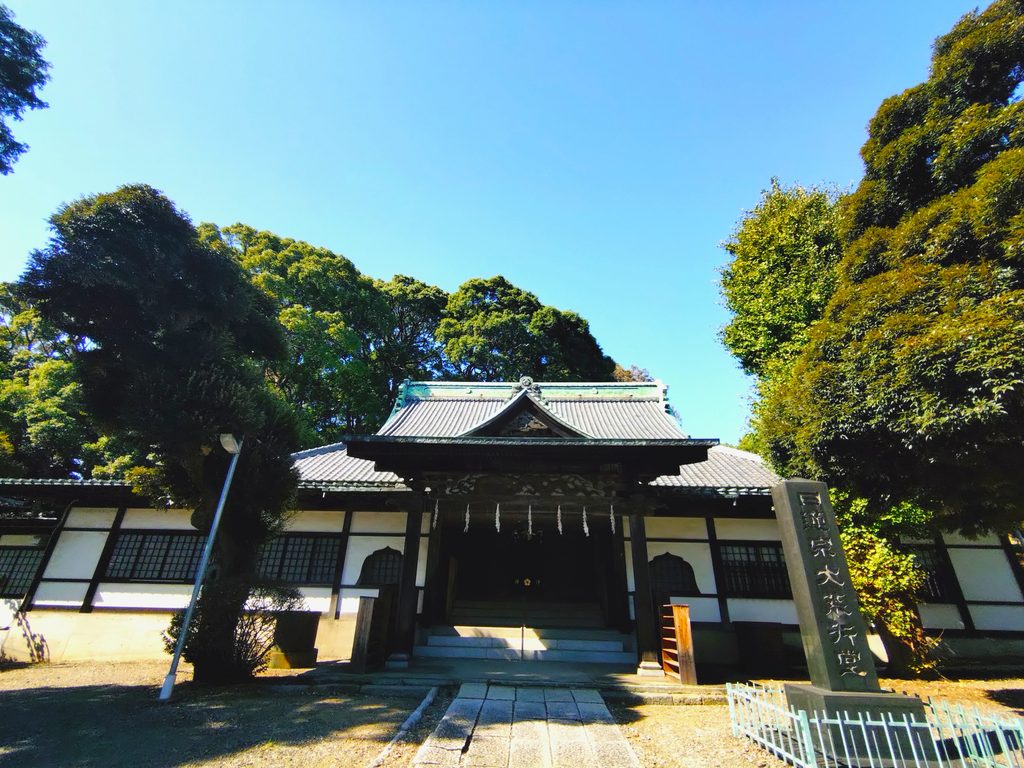
The Dai-Aragyodo (Great Ascetic Training Hall) is the stage for one of the Buddhist world’s premier extreme ascetic practices, counted among the “World’s Three Great Ascetic Trials” alongside Christian monastic fasting and the arduous Islamic pilgrimage to Mecca. For 100 days every year from November 1 through February 10 of the following year, roughly 100 Nichiren Sect monks gathered from across Japan sever all contact with the outside world and push themselves to the absolute limits of life and death.
【Hon’in (Great Guest Hall) & Hokke-do Hall】The Guest Hall Serving as the Temple’s Nerve Center and a Hall Conveying the Essence of Muromachi Architecture
Within the precincts dotted with National Treasure artifacts and Important Cultural Property buildings, the Hon’in (Main Temple Hall / Great Guest Hall) remains an active center where prayer rituals and Buddhist services are conducted daily, also serving as a waiting hall for devotees and worshipers requesting prayers.
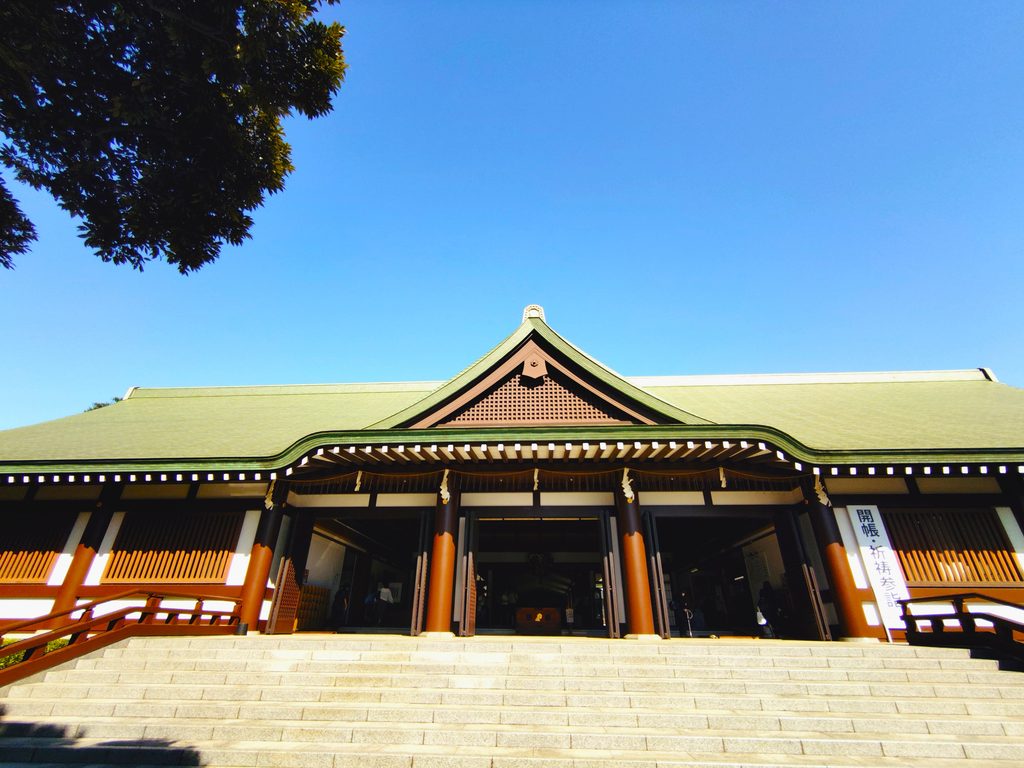
At the very back lies the worship hall of Kishimojin-do. Enshrining the “Sacred Statue of Kishimojin” said to have been carved with soul and devotion by Nichiren Shonin himself, it continues to draw countless people praying for child-rearing, safe childbirth, and the fulfillment of wishes. Please note that photography is strictly prohibited inside the Hon’in.
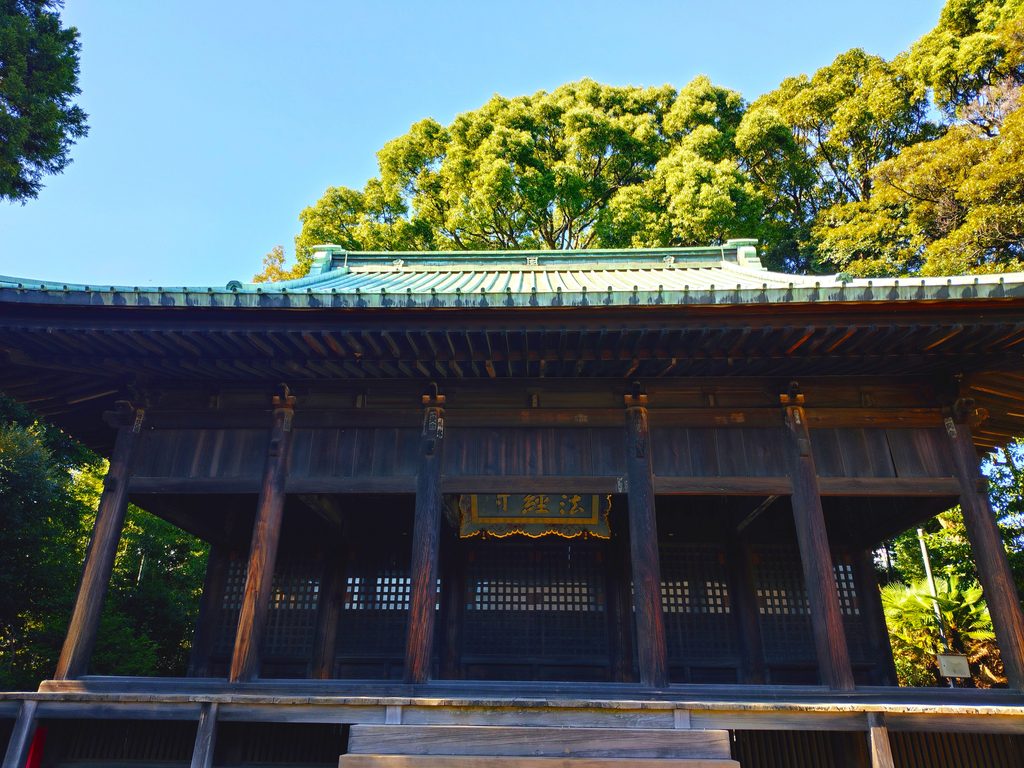
While understated in appearance, Hokke-do Hall belongs to the oldest tier of Nichiren Sect main hall architecture in Japan and is an exceedingly valuable building both historically and architecturally. It was designated as a National Important Cultural Property in 1916 (Taisho 5).
【Hoden-mon Gate & Shogyo-den Treasure Hall】The Treasure Hall Safeguarding Nichiren Shonin’s Handwritten Manuscripts and National Treasures
Located to the rear-right of Hokekyo-ji’s Soshido, Hoden-mon Gate is a stately gate built entirely of zelkova wood (keyaki), straddling the stone steps leading toward “Shogyo-den,” where National Treasures are preserved. While temple gates typically stand independently, Hoden-mon features a three-dimensional structure exceedingly rare in Japanese religious architecture: it is “integrated directly with an elevated covered corridor (kairo) extending from the Soshido.”
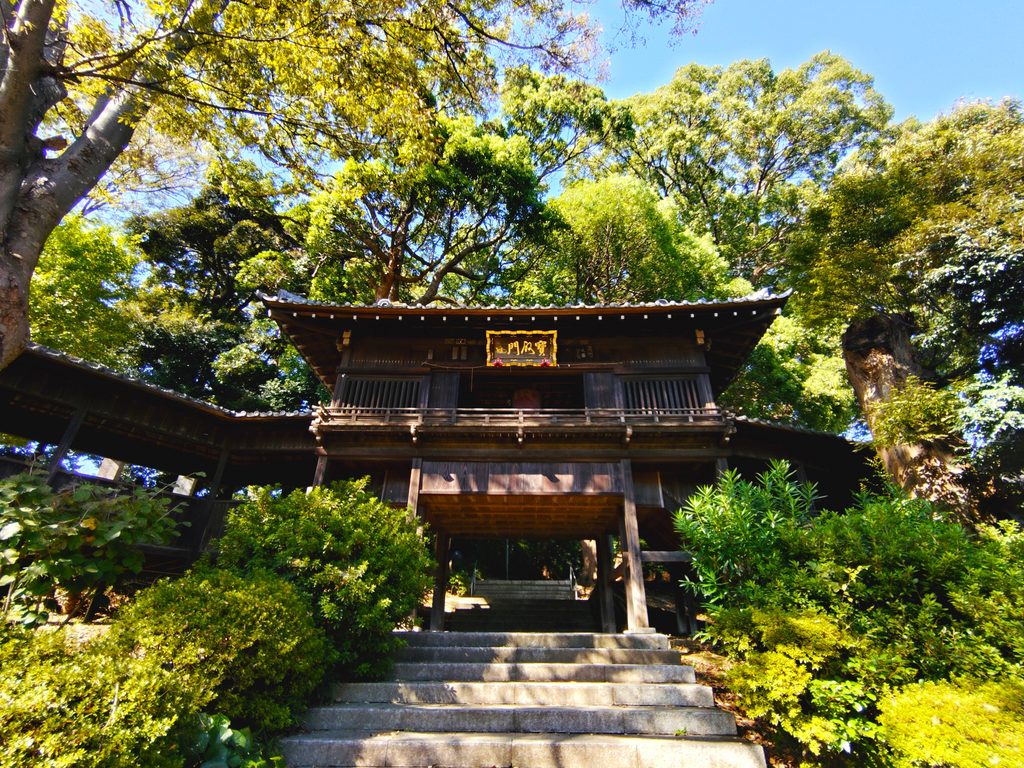
This elevated corridor is an exclusive route for ascetic monks and is closed to the general public. During the Nichiren Sect’s annual Dai-Aragyo ascetic training held from November 1 to February 10, monks secluded inside the completely isolated “Dai-Aragyodo” cross over the second-story covered walkway of Hoden-mon when heading to the Soshido for prayers and services, ensuring they make zero contact with ordinary worshipers.
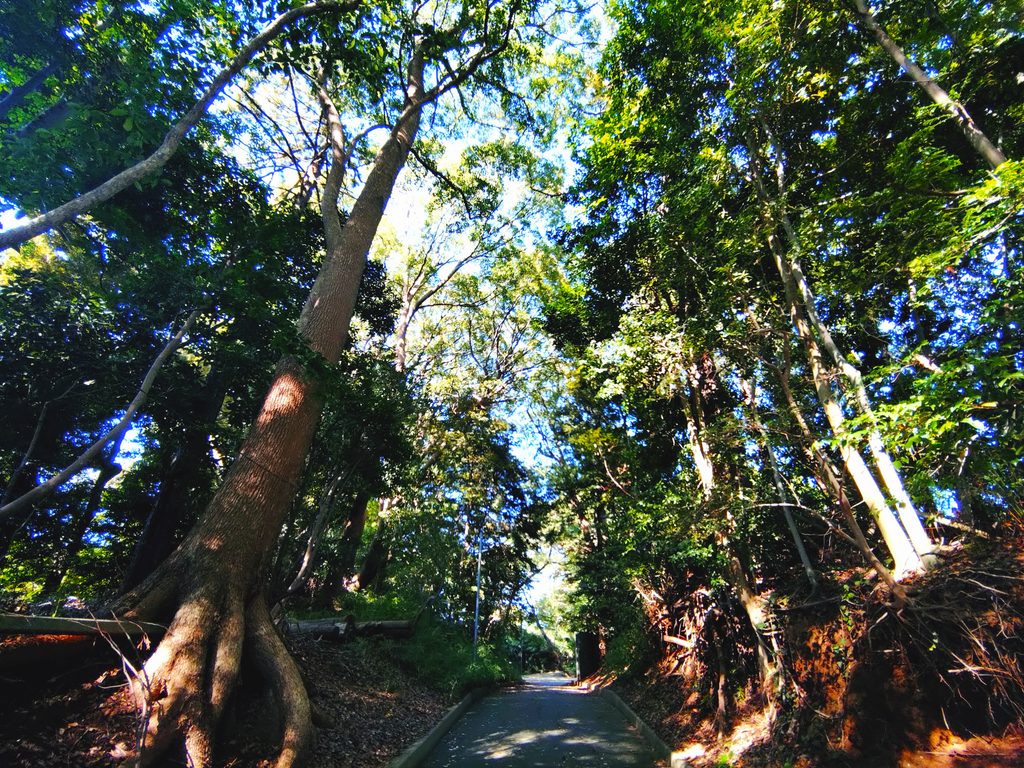
While visitors cannot walk along the second-floor corridor, the ground level forms the approach path leading to Shogyo-den, allowing anyone to pass freely underneath.
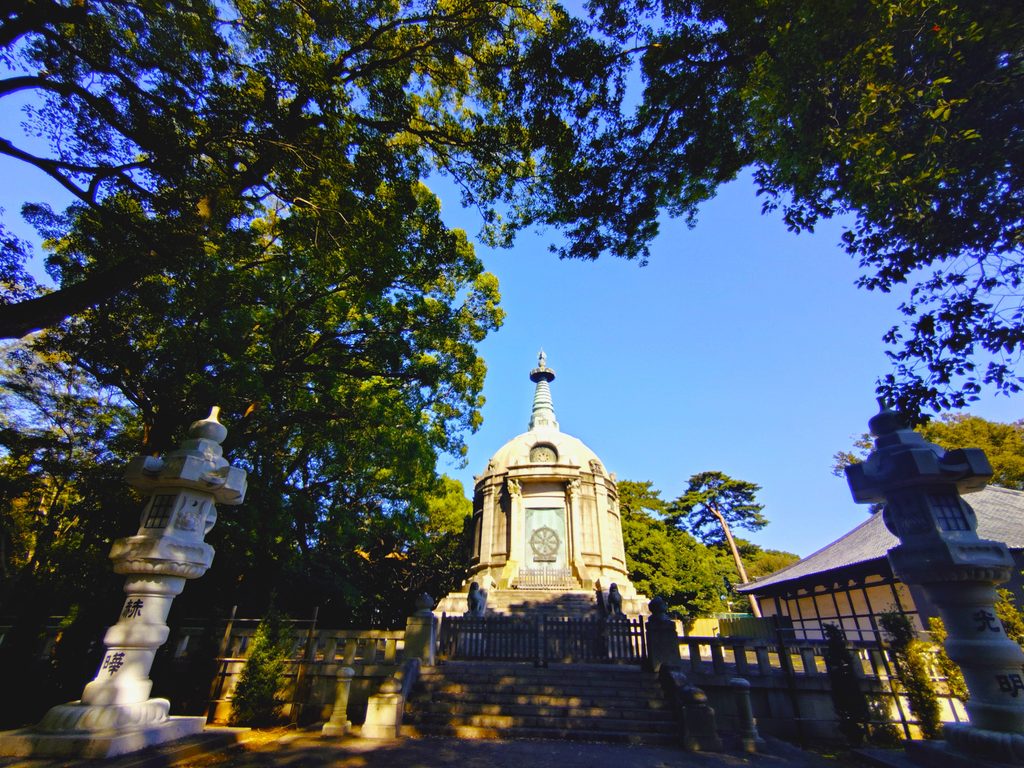
Passing under Hoden-mon and walking a short distance brings into view a uniquely designed building reminiscent of an ancient Indian Buddhist stupa. Designed by Dr. Chuta Ito—the master of modern Japanese and religious architecture renowned for Tsukiji Hongwan-ji and Yushima Seido—this structure was completed in the early Showa period.
Shogyo-den (Sacred Teachings Hall) houses two National Treasures: original handwritten manuscripts (shinseki) penned directly by sect founder Nichiren Shonin.
Rissho Ankoku Ron (“On Establishing the Correct Teaching for the Peace of the Land”): An extraordinarily important treatise submitted by Nichiren Shonin to Hojo Tokiyori, the supreme ruler of the Kamakura Shogunate, prophesying and warning of events such as the Mongol invasions.
Kanjin no Honzon Sho (“The Object of Devotion for Observing the Mind”): A vital writing detailing the fundamental object of devotion (Honzon) in Nichiren Buddhism.
Although visitors cannot enter the interior, simply gazing from the outside at its imposing presence as a “sanctuary” where closely guarded National Treasures still rest conveys an unmistakable sense of majesty.
【Ugajin-do Hall】A Hall Deep in the Grounds Enshrining the Guardian Deity of Fortune and Business Prosperity
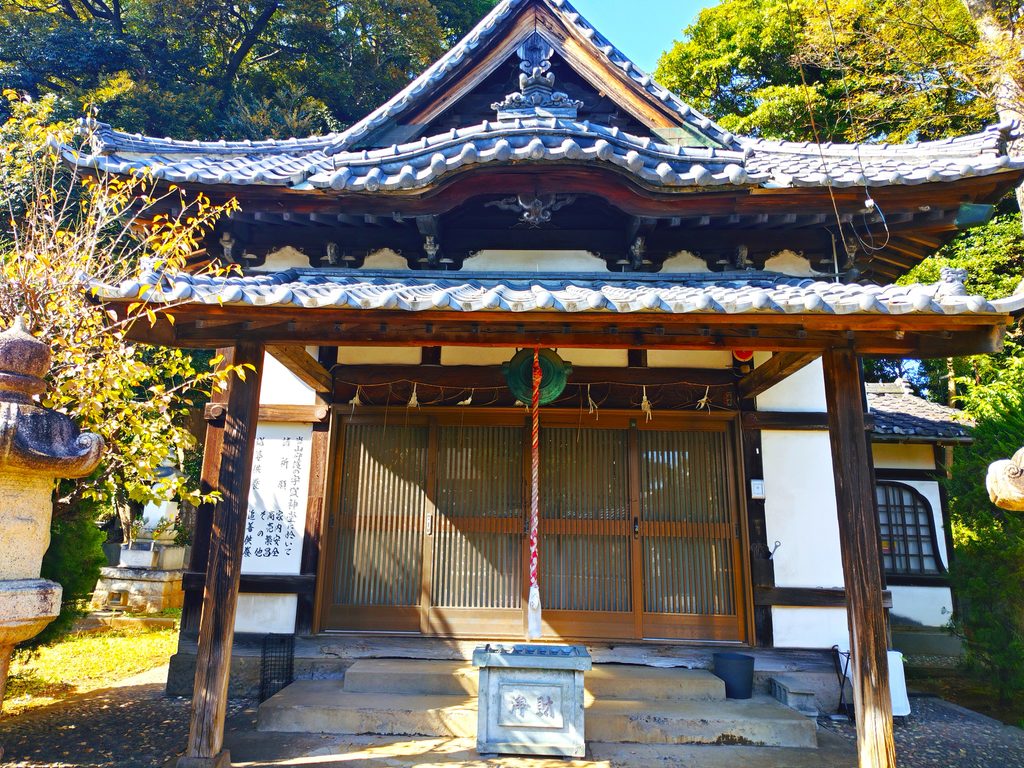
Formally known as “Uga Tokusho Shindo,” Ugajin-do Hall is the main shrine of “Uga Tokusho-shin,” the guardian deity of Hokekyo-ji Temple, attracting devotion for blessings of wealth and commercial prosperity. It stands atop a slightly elevated hill beyond the Soshido and Hoden-mon Gate.
Two historical accounts survive regarding the founding of Ugajin-do Hall, illustrating both the temple’s protection and its ties to the Edo Shogunate:
Additionally, the Shochuzan Hokekyo-ji Shi (Temple Chronicles) records the historical background that because the site lies in the northeast direction (Kimon / Demon Gate) viewed from Edo Castle, it was erected “to ward off evil from the northeast direction for the Tokugawa family.”
According to the hall’s explanatory guide, when the Soshido was being constructed in the early Edo period, Ugajin appeared and delivered an oracle stating, “If you build a hall and enshrine me, I will protect Nakayama (Hokekyo-ji) forever,” marking its origin.

Ugajin is a Japanese deity of good fortune depicted with the coiled body of a white serpent and the head of an elderly man (or woman). The deity is known for being syncretized with Ukanomitama-no-kami (the grain deity of Japanese mythology) and Benzaiten in Buddhism.
(The photo above shows the statue of Ugajin at Shinobazu Pond Bentendo in Ueno, Tokyo.)
【Nakayama Hokekyo-ji Temple Goshuin】
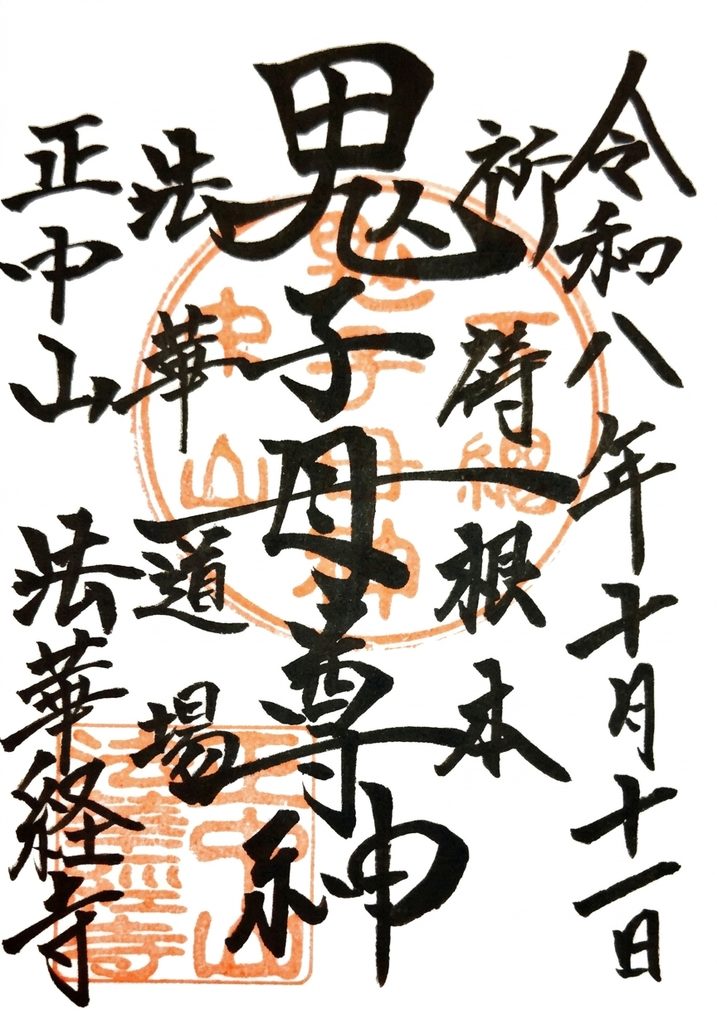
Goshuin stamps at Nakayama Hokekyo-ji Temple can be received at several halls, starting with the “Hon’in” located in the innermost part of the grounds, as well as the “Soshido,” “Kishimojin-do,” and “Setsudo.” Standard reception hours are 9:00 AM to 3:30 PM (halls close at 4:00 PM).
【Nakayama Hokekyo-ji Temple On-Site Visit Report & Original Evaluation】
Nakayama Hokekyo-ji Temple On-Site Review & Evaluation Score
| Evaluation Category | Score | Key Features / Highlights |
|---|---|---|
| Accessibility | (5.0) | Very convenient rail access, about a 3-minute walk from “Keisei-Nakayama Station” on the Keisei Main Line and about a 10-minute walk from “Shimosa-Nakayama Station” on the JR Sobu Line. |
| Scale & Grounds | (4.5) | A magnificent grand temple complex lined with National Important Cultural Properties—the Five-Story Pagoda, Soshido (Hiyoku Irimoya-zukuri), Hokke-do Hall, and Yotsuashi-mon Gate—alongside Ugajin-do Hall, Dai-Aragyodo, and numerous sub-temples (tatchu). |
| Tranquility | (4.0) | Greenery and temple halls are spaciously arranged across the expansive precincts, offering an environment where visitors can worship in a solemn, tranquil atmosphere except during Dai-Aragyo ascetic training and major festivals. |
| History & Heritage | (4.0) | Founded in 1260 (Bun’o 1). A prestigious temple connected to Nichiren Shonin’s early teachings, renowned as a Grand Head Temple of the Nichiren Sect and one of the World’s Three Great Ascetic Training Halls. |
| Goshuin Variety | (4.0) | A rich variety of Goshuin and Goshuincho stamp books are available, starting with “Namu Myoho Renge Kyo” calligraphy at Soshido and Hon’in, as well as seals from Ugajin-do Hall, Kishimojin-do Hall, and sub-temples. |
| Nature & Scenery | (3.5) | A profound, atmospheric landscape passing through the pine-lined approach and Black Gate, where the vermilion Five-Story Pagoda and traditional architecture stand out amidst lush greenery. |
【On-Site Report | Personal Impressions and Atmosphere】
Nakayama Hokekyo-ji Temple feels less like a flashy sightseeing spot and more like a place where “the intensity of extreme human prayer and severe asceticism”—passed down unbroken for over 700 years—permeates the entire precinct just as it always has. The strict “no photography” rule inside the Hon’in compels visitors to pause their consumption as mere tourists and directly confront the fragrance of incense and the taut, palpable silence. I believe it is an extraordinarily precious sanctuary in the modern era that leaves every visitor with a pleasant sense of tension and deep reverence.
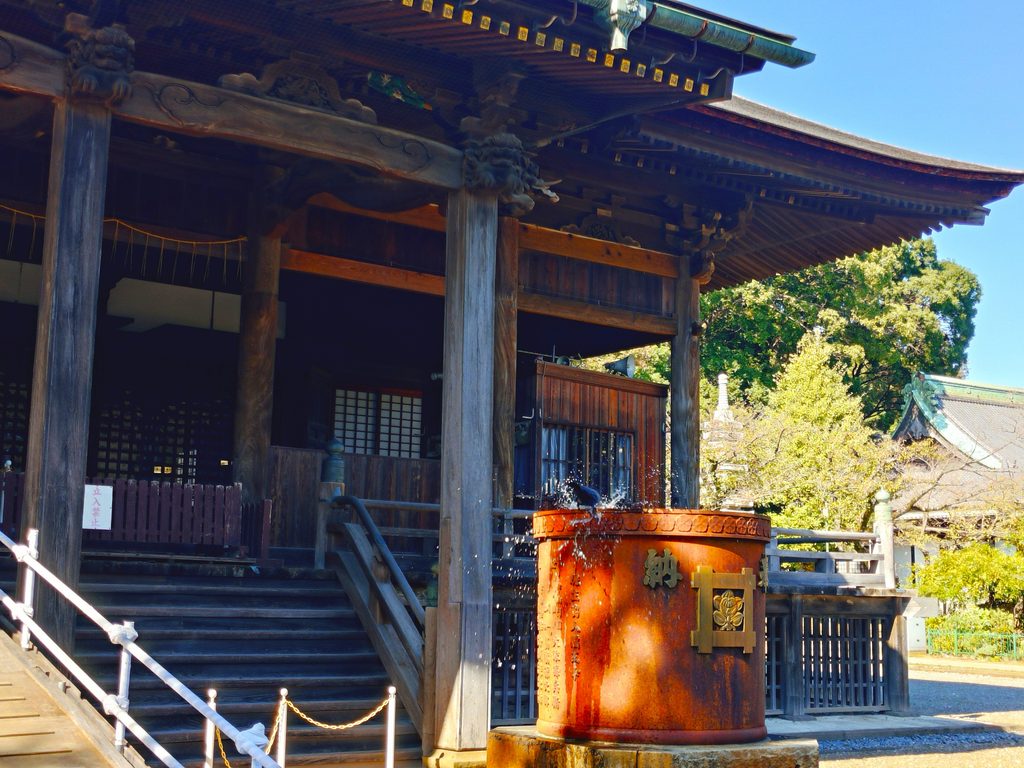
…As an aside, when I prayed at the Soshido, a single crow perched right nearby stared intently at me, leaving a strong impression. While seeing crows watching near torii gates or temple halls happens occasionally at shrines and temples, on this occasion, the very moment I finished praying, the crow took a water bath and flew away.
【Nearby Sightseeing Spots to Visit Together】
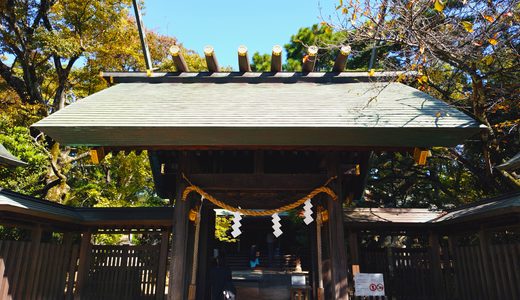
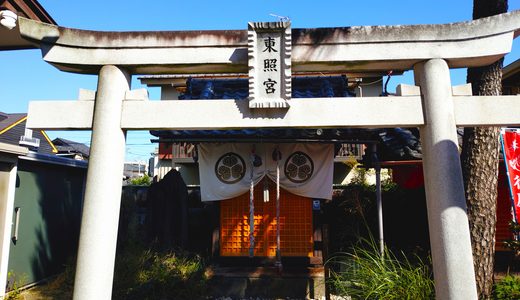
Ohi Shrine, Funabashi Toshogu Shrine, Ninomiya Shrine, Ohara Shrine
【Basic Information & Access】
【Access by Train / Car and Parking】
*Worshipper parking available.
2-10-1 Nakayama, Ichikawa City, Chiba Prefecture 272-0813