 Kanata's Japan Shrine Guide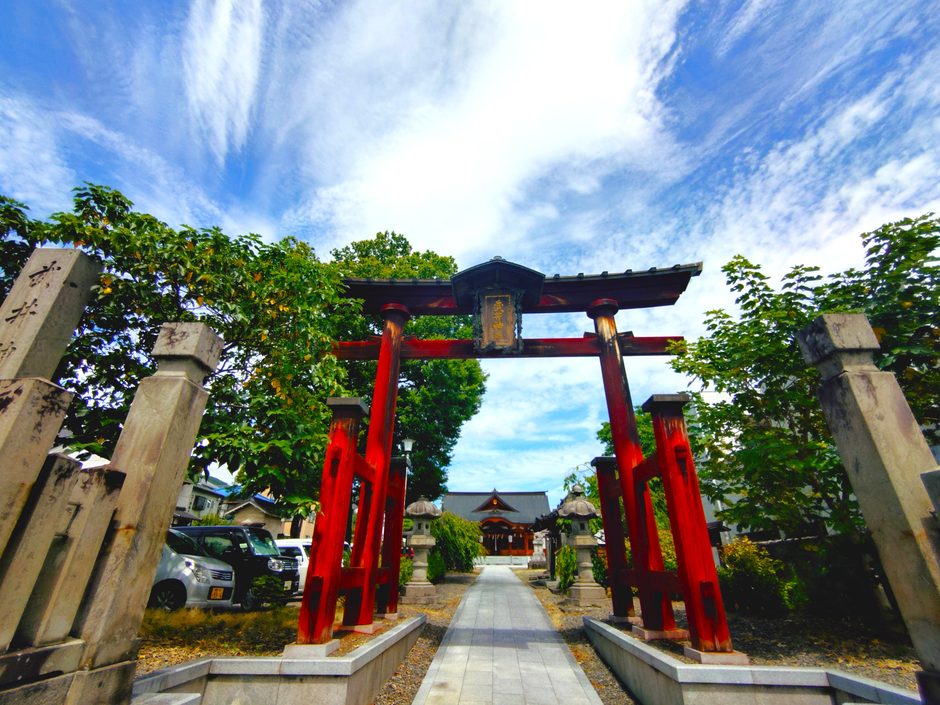

【Overview and History of Takei Shrine】
Takei Shrine (Takei-jinja) is a historic shrine located adjacent to Omotesando (Higashi-machi) leading to Zenkoji Temple. Counted as one of the “Three Guardians of Zenkoji (Zenkoji Sansha)” alongside Tsumashina Shrine and Yufuku Shrine, it has been deeply revered since ancient times as the tutelary shrine (ujigami) protecting the eastern side of the temple town (19 districts including Higashi-machi).
【History and Origins】
While the exact origin remains “unknown” due to the lack of surviving ancient documents, a local oral tradition passed down since the Asuka period claims it was founded around 692 AD (the 5th year of Empress Jito’s reign).
In the Nihon Shoki (Chronicles of Japan), a famous historical record from the 5th year of Empress Jito states: “The Imperial Court dispatched envoys to Shinano Province to worship Shinano Suwa (Suwa Taisha) and Minochi-no-Kami (Minochi Taisha on Mount Joyama).” The “692 AD theory” continues to be told today based on the belief that Takei Shrine was either established alongside these shrines or held an integral relationship with Minochi Taisha during this period.
The “Takei clan” served for generations as the highest Shinto priests (Ohohafuri) of the Lower Shrine of Suwa Taisha. After the main family line collapsed, members of the Takei clan relocated to this area and enshrined their hometown deity of Suwa (Takeminakata-no-Mikoto) at this location, which is believed to be how the shrine got its name.
【Enshrined Deities and Blessings】
The primary enshrined deities are Takeminakata-no-Mikoto, Yasakatome-no-Mikoto, and Hikokamiwake-no-Kami.
In addition to blessings such as abundant harvests, family safety, and continued luck in war, the shrine is widely known for prayers regarding a child’s first shrine visit (Hatsumomiya), safe childbirth, warding off evil (yakuyoke), and protection against bad directions (hoi-yoke).
【Highlights of Takei Shrine】
【Ryobu Torii Bearing Remnants of Shinbutsu-Shugo】
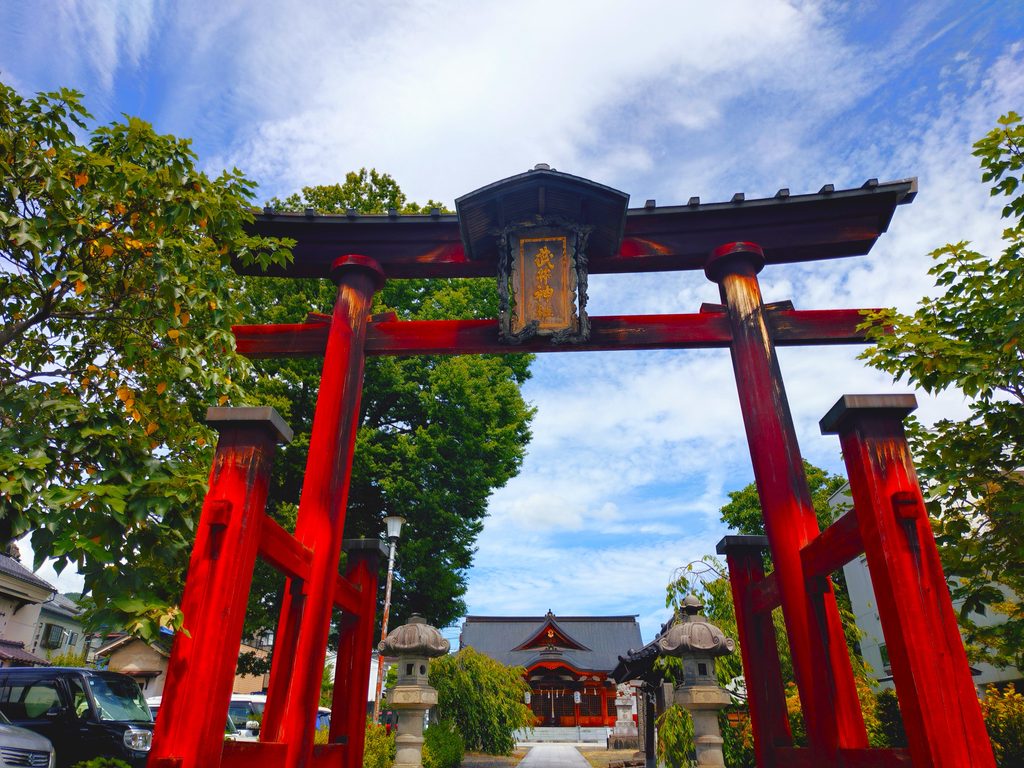
The torii gate of Takei Shrine takes the prestigious form of a “Ryobu Torii,” where four lower secondary pillars (chigo-bashira) support the two main pillars from the front and back. The term “Ryobu” originates from the Vajradhatu (Diamond Realm) and Garbhadhatu (Womb Realm)—known as the Two Realms (Ryobu Mandala)—in Buddhism. It is an architectural design that conveys the historical era when the shrine was deeply intertwined and unified with Zenkoji Temple (Shinbutsu-shugo, the syncretism of Shinto and Buddhism).
【100-Meter Approach】
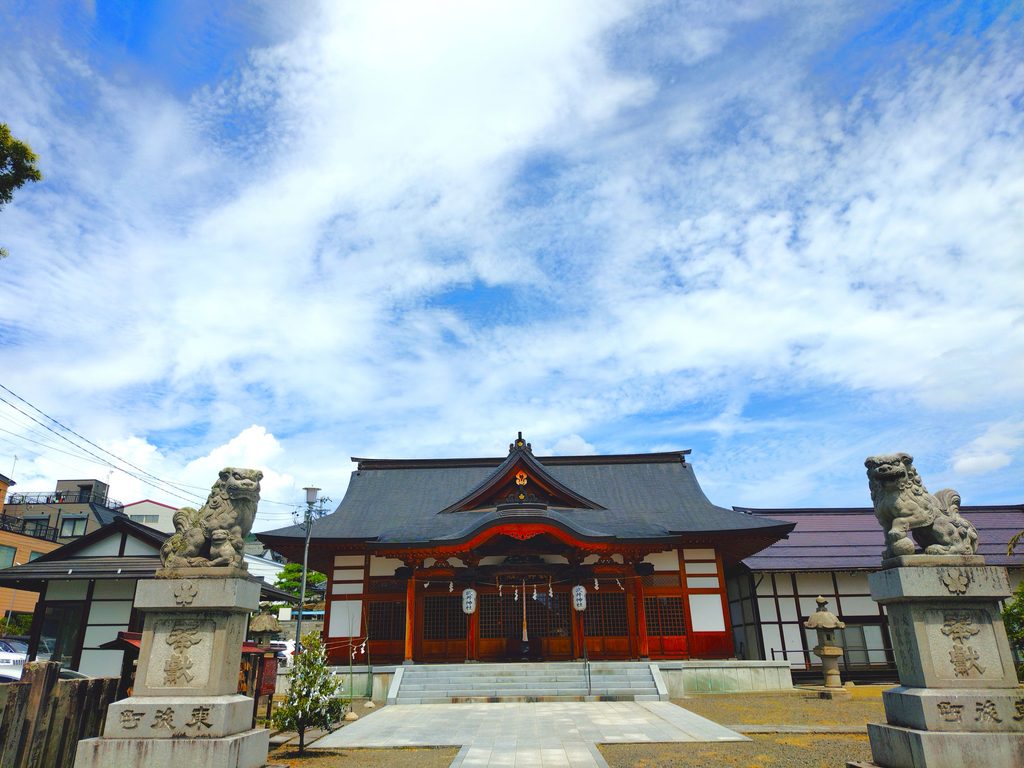
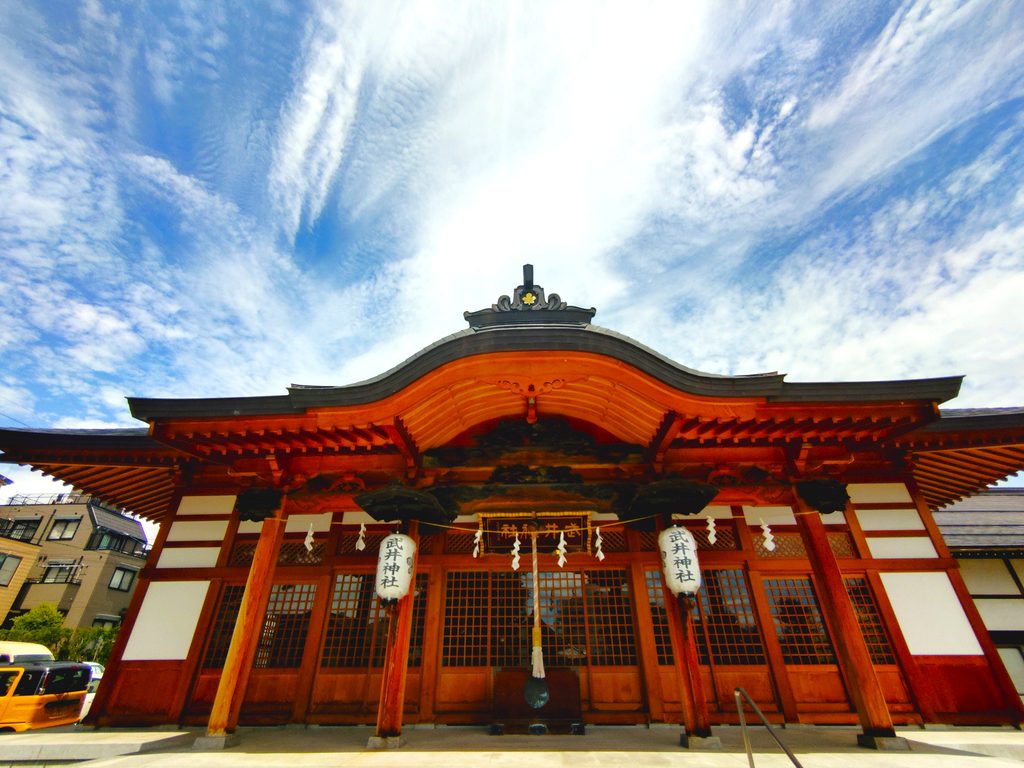
Upon passing through this torii gate, a straight, linear approach (sando) extending roughly 100 meters leads directly toward the grand, newly built shrine hall.
【Shrine Building Engraved with the Mulberry Leaf Crest】
During the major natural disaster known as the “Great Zenkoji Earthquake” of 1847 (Koka 4), the former shrine building was completely destroyed by fire and subsequently rebuilt during the Edo period. The current hall was reconstructed in 2009 (Heisei 21) due to aging.
Looking closely at the offertory box (saisen-bako) placed in front of the shrine hall, you will notice the “Mulberry Leaf (Kaji-no-ha)” crest engraved upon it. This is the divine symbol of the primary deity, Takeminakata-no-Mikoto (the deity of Suwa), and is identical to the crest (shinmon) of Suwa Taisha, the head shrine.
【Auxiliary Shrine: Yajima Inari Shrine】
Yajima Inari Shrine is the most famous auxiliary shrine (sessha/massha) at Takei Shrine, associated with a famous folktale regarding “The Kindness of a Fox.”
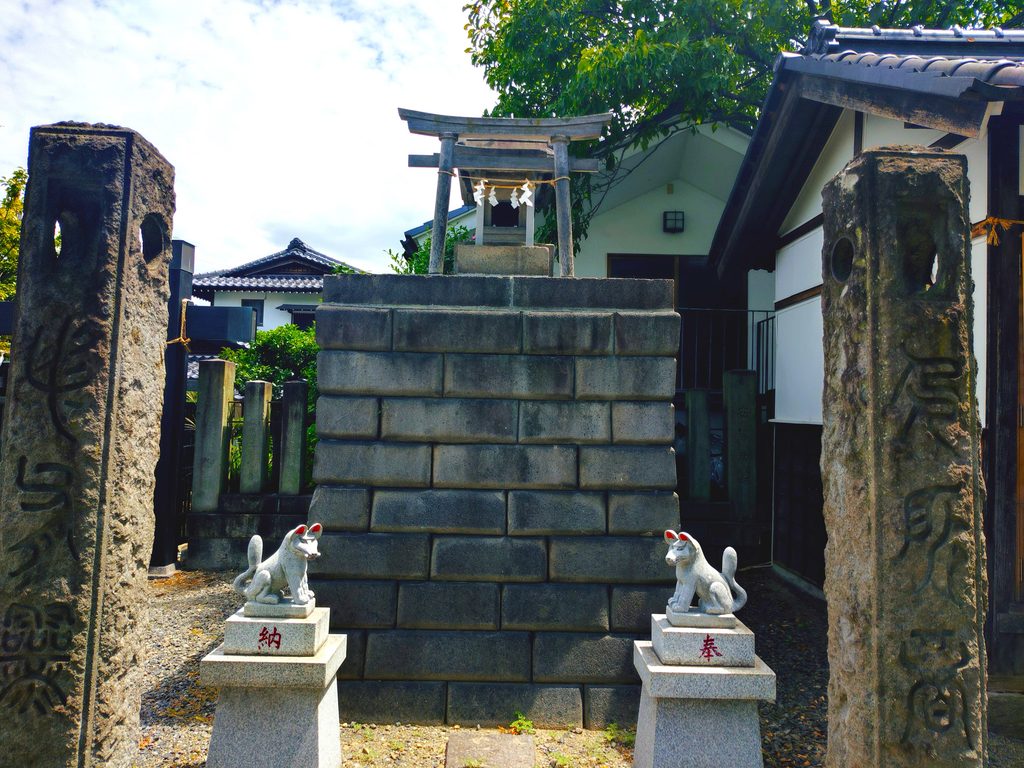
【Auxiliary Shrines: Tenmangu and Kotohira Shrine】
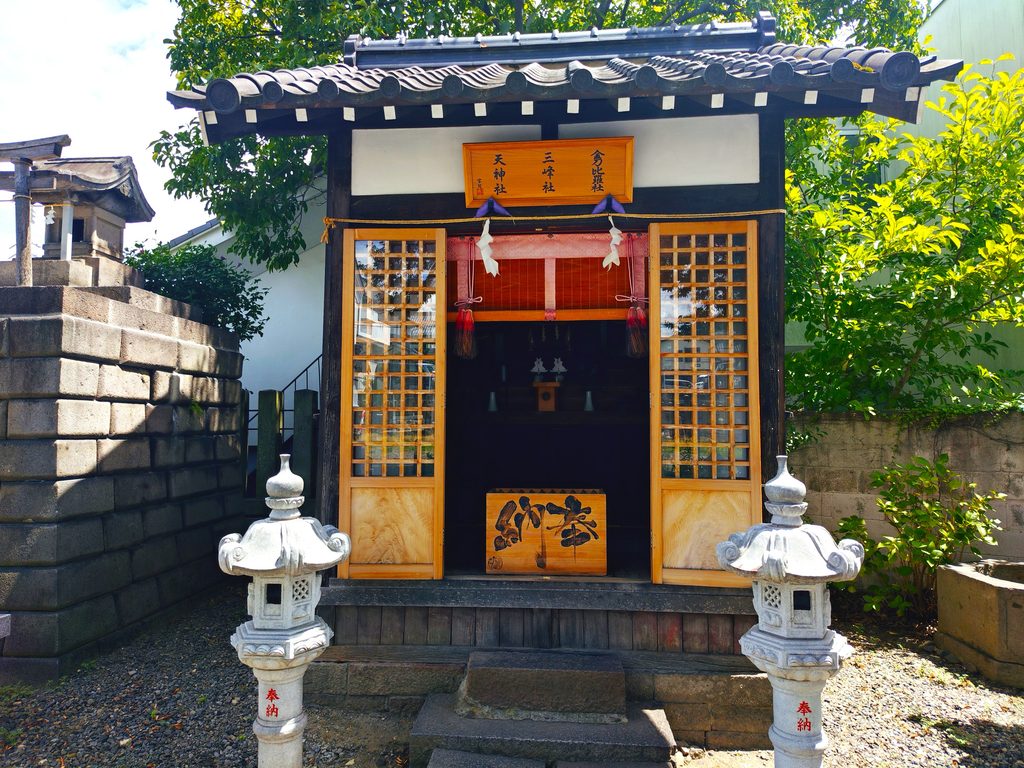
The auxiliary shrines include Tenmangu, enshrining Sugawara no Michizane (renowned as the deity of learning), and Kotohira Shrine, branch-enshrined from Konpira-san (Kotohira-gu) in Shikoku.
【Takemizuwake Shrine On-Site Visit Report & Original Evaluation】
Takei Shrine On-Site Visit Review & Evaluation Score
| Evaluation Category | Score | Key Features / Highlights |
|---|---|---|
| Tranquility | (5.0) | Solemn and serene atmosphere despite its central urban location |
| Accessibility | (4.5) | Prime location, easily accessible alongside the Zenkoji Temple area |
| History & Heritage | (4.0) | One of the Seven Shrines of Zenkoji, carrying Onbashira Festival traditions |
| Grounds Scale | (2.5) | Compact grounds ideal for a quick visit while exploring the area |
| Nature & Scenery | (2.5) | A calm presence that blends naturally into the townscape |
| Goshuin Variety | (1.0) | Simple basic lineup (please check availability prior to your visit) |
*Offers exceptional accessibility and a peaceful atmosphere. A convenient shrine to visit alongside historical sightseeing around Zenkoji Temple.
On-site Report | Personal Impressions
After visiting Zenkoji Temple, I extended my trip to “Takei Shrine” located on Higashi-machi along the Omotesando. Stepping just a short distance away from the bustling Nakamise Street instantly wraps you in the sacred, quiet atmosphere of a lush shrine grove. As one of the “Zenkoji Sansha” protecting the temple town of Zenkoji, I was only able to visit this one shrine due to time constraints, but I had a thoroughly fulfilling time. Next time, I definitely want to complete the three-shrine pilgrimage with my family to connect with all the divine bonds, including Yufuku Shrine and Tsumashina Shrine on the west side.
【Nearby Tourist Spots to Visit Together】
Zenkoji Temple, Tsumashina Shrine, Yufuku Shrine, Takemizuwake Shrine, Ikushima Ashishima Shrine, Tokkosan Zensanji Temple
![20260816 121543137 2 520x300 - Takei Shrine [Nagano]](https://japan-shrine.info/wp-content/uploads/20260816_121543137-2-520x300.jpg "Takei Shrine [Nagano]")
![20260816 1535042052 520x300 - Takei Shrine [Nagano]](https://japan-shrine.info/wp-content/uploads/20260816_1535042052-520x300.jpg "Takei Shrine [Nagano]")
![20260817 133355127 520x300 - Takei Shrine [Nagano]](https://japan-shrine.info/wp-content/uploads/20260817_133355127-520x300.jpg "Takei Shrine [Nagano]")
![20260817 1417366502 520x300 - Takei Shrine [Nagano]](https://japan-shrine.info/wp-content/uploads/20260817_1417366502-520x300.jpg "Takei Shrine [Nagano]")
【Basic Information & Access】
【Access by Train / Car and Parking】
*Free parking available.
191 Nagano Higashi-machi, Nagano City, Nagano Prefecture 380-0831
![fa745aebeeb34bee7a3984d515ab18d4 - Takei Shrine [Nagano]](https://japan-shrine.info/wp-content/uploads/sng/fa745aebeeb34bee7a3984d515ab18d4.jpg "Takei Shrine [Nagano]")