 Kanata's Japan Shrine Guide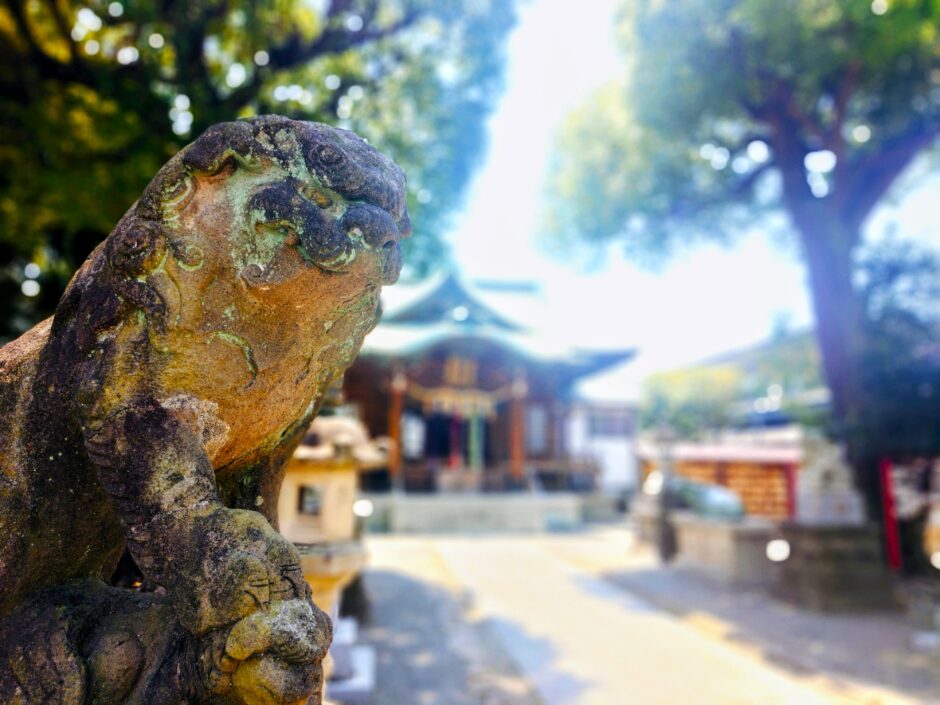

目次
- 【Overview of Machida Tenmangu Shrine】
- 【Reason for the Founding of Machida Tenmangu Shrine】
- 【Machida Tenmangu Shrine Approach】
- 【Machida Tenmangu Shrine Two Stroking Oxen (Nade-Ushi)】
- 【Machida Tenmangu Shrine Buildings】
- 【Machida Tenmangu Shrine Former Main Sanctuary】
- 【Machida Tenmangu Shrine Sub-Shrine: Shusse Inari Shrine】
- 【Machida Tenmangu Shrine Sub-Shrine: Inari Shrine】
- 【Nearby Tourist Spots】
- 【Machida Tenmangu Shrine Access】
- Admin’s Impressions
- Machida Tenmangu Shrine Address
- Machida Tenmangu Shrine Official Website
【Overview of Machida Tenmangu Shrine】
Machida Tenmangu Shrine was founded around 1582 (Tensho 10) during the Azuchi-Momoyama period.
Located in Hara-Machida, Machida City, Tokyo, Machida Tenmangu Shrine enshrines Sugawara no Michizane-ko—the deity of learning—as its primary enshrined deity and is recognized as one of the “Three Tenjin Shrines of Machida.” Serving as the protective guardian deity for the central urban area of “Hara-Machida,” it is deeply cherished by local residents and students preparing for exams alike.
![20260720 1109277602 520x300 - Machida Tenmangu Shrine [Tokyo]](https://japan-shrine.info/wp-content/uploads/20260720_1109277602-520x300.jpg "Machida Tenmangu Shrine [Tokyo]")
![20260720 1018410002 520x300 - Machida Tenmangu Shrine [Tokyo]](https://japan-shrine.info/wp-content/uploads/20260720_1018410002-520x300.jpg "Machida Tenmangu Shrine [Tokyo]")
![20260720 1018410002 1 - Machida Tenmangu Shrine [Tokyo]](https://japan-shrine.info/wp-content/uploads/20260720_1018410002-1.jpg "Machida Tenmangu Shrine [Tokyo]")
The Three Tenjin Shrines of Machida consist of Sugawara Shrine, Machida Tenmangu Shrine, and Minami-Oya Tenjinsha Shrine.
【Reason for the Founding of Machida Tenmangu Shrine】
From the Muromachi period through the Sengoku period, the present-day Hon-Machida and Hara-Machida areas were part of a single, large entity known as “Machida Village,” whose overall guardian deity (Chinju) was present-day “Hon-Machida Sugawara Shrine.” During the Tensho era (1580s) near the end of the Sengoku period, land reclamation and development progressed across “Ainohara,” a vast wilderness spreading across the southern side of Machida Village, leading many farmers to move in and settle. In 1582 (Tensho 10), this newly developed land officially split and achieved independence as “Hara-Machida Village.” For the residents at the time, living without a local guardian deity was a source of great anxiety. Therefore, to pray for the peace and prosperity of the new village and to provide a spiritual anchor for the farmers, they formally divided and transferred the divine spirit of Sugawara no Michizane-ko—who had been deeply revered in the original Machida Village—to found a new shrine. This is the direct reason for its creation.
【Machida Tenmangu Shrine Approach】
Proceeding along the JR Yokohama Line tracks toward the terminal ticket gate side, the entrance to the approach path comes into view immediately on your right. Standing at the entrance is a large shrine marker stone engraved with “Machida Tenmangu.” Towering over the entry path is the Ichi-no-Torii (First Torii Gate), a truly grand stone torii gate.
![20260720 110826113 1024x768 - Machida Tenmangu Shrine [Tokyo]](https://japan-shrine.info/wp-content/uploads/20260720_110826113-1024x768.jpg "Machida Tenmangu Shrine [Tokyo]")
【Machida Tenmangu Shrine Two Stroking Oxen (Nade-Ushi)】
Proceeding along the approach, two “Nade-Ushi” (stroking oxen / stone statues of sacred oxen)—the classic symbol of Tenjin-sama—sit resting just before the worship hall (near the temizuya purification pavilion). These two stroking oxen represent a “parent and child” or a “male and female (husband and wife)” pairing, believed to carry prayers not only for academic success, but also for family safety and generational prosperity (Ikanai-anzen and Shison-hanei) so that “the whole family stays healthy” and “the household flourishes for generations.”
![20260720 110616753 1024x768 - Machida Tenmangu Shrine [Tokyo]](https://japan-shrine.info/wp-content/uploads/20260720_110616753-1024x768.jpg "Machida Tenmangu Shrine [Tokyo]")
In fact, famous sites like Tokyo’s Yushima Tenjin (Yushima Tenmangu) also enshrine two statues (a parent and child ox), making the arrangement of two oxen side-by-side one of the ancient, traditional formats in Tenjin worship.
![20260720 1103598782 1024x768 - Machida Tenmangu Shrine [Tokyo]](https://japan-shrine.info/wp-content/uploads/20260720_1103598782-1024x768.jpg "Machida Tenmangu Shrine [Tokyo]")
It is said that stroking the exact same spot on the ox’s body as the part of your own body causing you ailment will cure your illness. Furthermore, it is believed that stroking the ox’s head makes you smarter (bringing academic success). Because so many worshippers stroke them, the oxen’s heads and bodies always shine with a glossy, jet-black luster.
【Machida Tenmangu Shrine Buildings】
![20260720 110513966 1024x768 - Machida Tenmangu Shrine [Tokyo]](https://japan-shrine.info/wp-content/uploads/20260720_110513966-1024x768.jpg "Machida Tenmangu Shrine [Tokyo]")
The previous shrine structure was built in 1893 (Meiji 26), but due to progressive aging, it was rebuilt in 1968 (Showa 43) into the current shrine complex. The architectural layout adopts the Gongen-zukuri style (wooden construction with copper-plated roofing), which connects the front worship hall (Haiden) and the inner main sanctuary (Honden) via an intermediate hall called the Heiden.
【Machida Tenmangu Shrine Former Main Sanctuary】
Located in the far back-left area behind the worship hall stands an exceptionally dignified and impressive wooden shrine structure. Rebuilt in 1894 (Meiji 27), this building served as the active former main sanctuary until the current new shrine complex was completed. Its major highlight is the magnificent, highly skilled wood carving craftsmanship applied in thorough detail throughout the structure.
![20260720 110426521 1024x768 - Machida Tenmangu Shrine [Tokyo]](https://japan-shrine.info/wp-content/uploads/20260720_110426521-1024x768.jpg "Machida Tenmangu Shrine [Tokyo]")
Housed together inside this single structure are Kotohira-gu, Yakumo-sha, Nishinomiya-sha, and Prince Shotoku.
【Machida Tenmangu Shrine Sub-Shrine: Shusse Inari Shrine】
![20260720 110628407 1024x768 - Machida Tenmangu Shrine [Tokyo]](https://japan-shrine.info/wp-content/uploads/20260720_110628407-1024x768.jpg "Machida Tenmangu Shrine [Tokyo]")
Located on the right side of the approach (closer to the parking lot and railway tracks) is Shusse Inari Shrine (“Success/Advancement Inari Shrine”). As Hara-Machida developed significantly into a bustling commercial town, the deity was solemnly invited and transferred (kanjo) here from Fushimi Inari Taisha in Kyoto. A succession of vibrant vermilion torii gates lines its approach path, and lifelike fox statues—servants of the deity—stand just before them.
【Machida Tenmangu Shrine Sub-Shrine: Inari Shrine】
Located on the left side of the main approach, directly behind the temizuya purification pavilion, sits another Inari shrine.
![20260720 110726062 1024x768 - Machida Tenmangu Shrine [Tokyo]](https://japan-shrine.info/wp-content/uploads/20260720_110726062-1024x768.jpg "Machida Tenmangu Shrine [Tokyo]")
Since the old days when Machida was still a quiet farming village, local people have quietly and carefully preserved this shrine to pray for “bountiful harvests (agricultural success) and the stability of local life.” It is presumed to have been a Jinushigami (indigenous land deity) that predated Machida Tenmangu Shrine itself.
Both Inari shrines enshrine Ukanomitama no Kami.
【Nearby Tourist Spots】
Sugawara Shrine, Minami-Oya Tenjinsha Shrine, Buaiso
![20260720 1209563822 520x300 - Machida Tenmangu Shrine [Tokyo]](https://japan-shrine.info/wp-content/uploads/20260720_1209563822-520x300.jpg "Machida Tenmangu Shrine [Tokyo]")
【Machida Tenmangu Shrine Access】
Admin’s Impressions
What I found particularly fascinating was the presence of two separate “Inari Shrines” within the grounds. The small Inari shrine on the left side of the approach, behind the temizuya, is an ancient shrine where locals have prayed for bountiful harvests ever since Machida was still a peaceful, rural farming village. On the other hand, the “Shusse Inari Shrine” on the right side of the approach was newly welcomed from Fushimi Inari Taisha in Kyoto as Machida transformed into a commercial city. Seeing both the “Deity of Agriculture” and the “Deity of Business” being carefully enshrined in accordance with changing times really made me feel the deep history through which Hara-Machida has walked. The “Former Main Sanctuary structure,” which preserves beautiful craftsmanship from the Meiji period, is also lovingly preserved as a sub-shrine, making this a deeply rewarding pilgrimage that allows you to feel the baton of history being passed down to the present day.