 Kanata's Japan Shrine Guide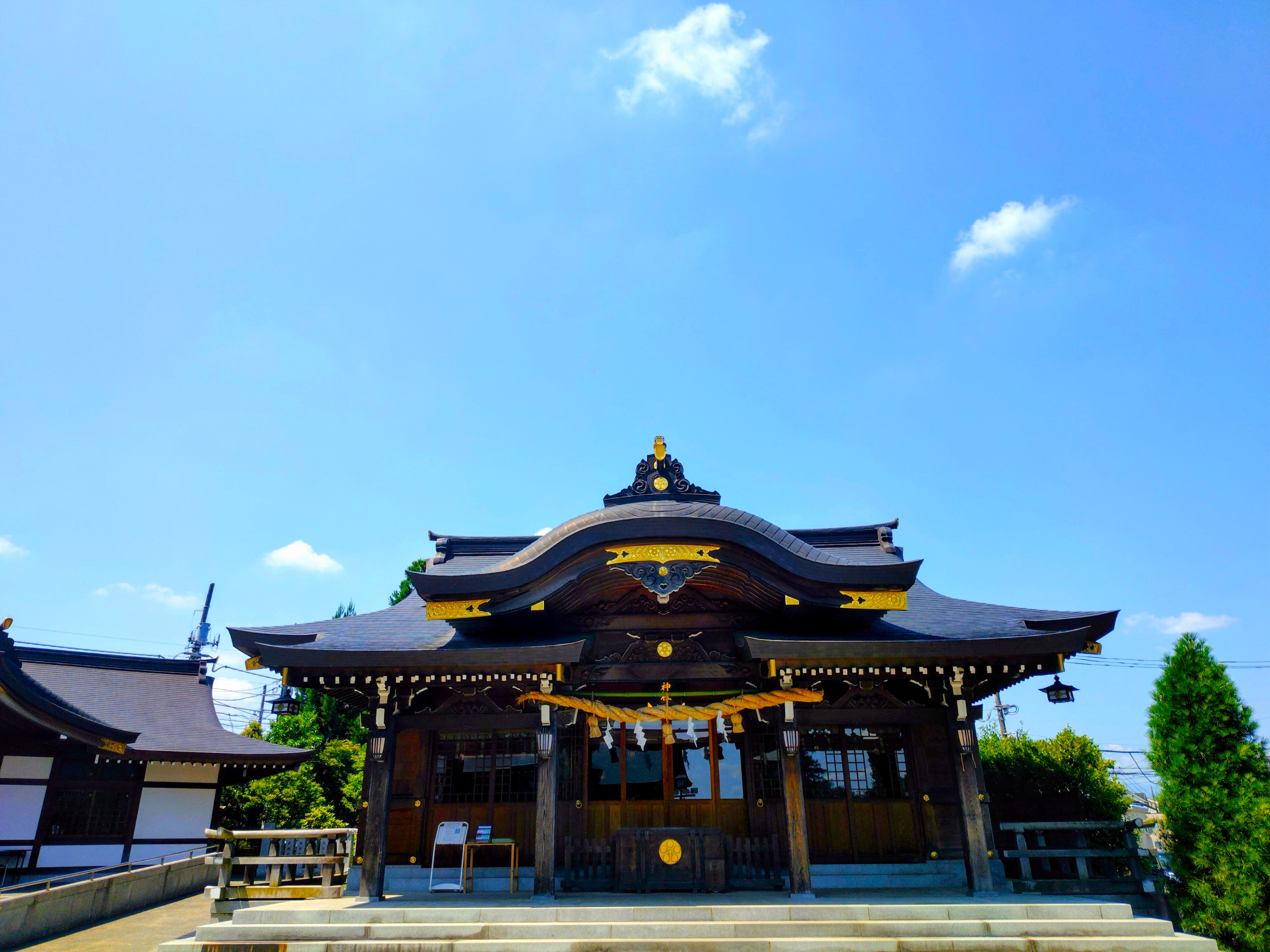

目次
- 【Overview of Minami-Oya Tenjinsha Shrine】
- 【Reason for the Founding of Minami-Oya Tenjinsha Shrine】
- 【Minami-Oya Tenjinsha Shrine Approach】
- 【Minami-Oya Tenjinsha Shrine Hall】
- 【Minami-Oya Tenjinsha Shrine Sub-Shrine: Inari Shrine】
- 【Nanshoji Kannon-do Hall Within the Minami-Oya Tenjinsha Shrine Grounds】
- 【Nearby Tourist Spots】
- 【Minami-Oya Tenjinsha Shrine Access】
- Admin’s Impressions
- Minami-Oya Tenjinsha Shrine Address
- Minami-Oya Tenjinsha Shrine Feature Page
【Overview of Minami-Oya Tenjinsha Shrine】
Minami-Oya Tenjinsha Shrine was founded in 1645 (Shoho 2).
Located in Minami-Oya, Machida City, Tokyo, Minami-Oya Tenjinsha Shrine enshrines Sugawara no Michizane-ko—the deity of learning—as its primary enshrined deity, and is recognized as one of the “Three Tenjin Shrines of Machida.” Since the Edo period, it has been cherished and carefully preserved by local residents as the protective guardian deity of the Oya district.
![20260720 1109277602 520x300 - Minami-Oya Tenjinsha Shrine [Tokyo]](https://japan-shrine.info/wp-content/uploads/20260720_1109277602-520x300.jpg "Minami-Oya Tenjinsha Shrine [Tokyo]")
![20260720 1018410002 520x300 - Minami-Oya Tenjinsha Shrine [Tokyo]](https://japan-shrine.info/wp-content/uploads/20260720_1018410002-520x300.jpg "Minami-Oya Tenjinsha Shrine [Tokyo]")
The Three Tenjin Shrines of Machida consist of Sugawara Shrine, Machida Tenmangu Shrine, and Minami-Oya Tenjinsha Shrine.
【Reason for the Founding of Minami-Oya Tenjinsha Shrine】
Originally, the present-day Minami-Oya area was part of a larger entity known as “Machida Village.” However, as the Edo period began and land development in this region progressed rapidly, it officially split and became an independent entity as “Oya Village” in 1645 (Shoho 2). When Oya Village achieved independence, Jirozaemon Igarashi was appointed as the first village headman (Nanushi). To commemorate the birth of the new village and establish an absolute guardian deity for its people, he commissioned an artisan named Hoshun Shimayamaya to custom-craft an original “Tenjin Statue” (a likeness of Sugawara no Michizane-ko). Responding to Jirozaemon’s call, a local villager named Izaemon donated the land upon which to build the shrine. The entire village then cooperated to construct the shrine hall and house the custom-ordered Tenjin statue, giving birth to Minami-Oya Tenjinsha Shrine.
【Minami-Oya Tenjinsha Shrine Approach】
![20260720 1134117722 1024x768 - Minami-Oya Tenjinsha Shrine [Tokyo]](https://japan-shrine.info/wp-content/uploads/20260720_1134117722-1024x768.jpg "Minami-Oya Tenjinsha Shrine [Tokyo]")
Blending seamlessly into the surrounding residential neighborhood stand a grand white torii gate (Ichi-no-Torii) and a shrine marker stone engraved with “Tenjinsha Shrine.”
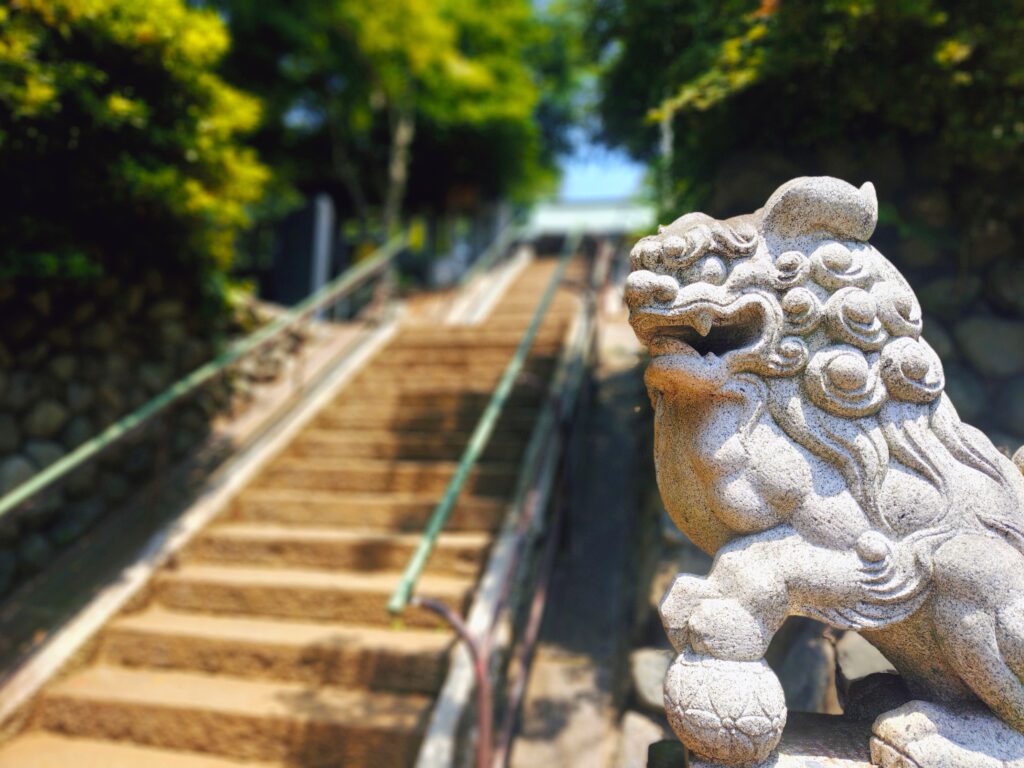
Immediately after passing through the torii gate, a steep and lengthy set of stone steps towers before you.
【Minami-Oya Tenjinsha Shrine Hall】
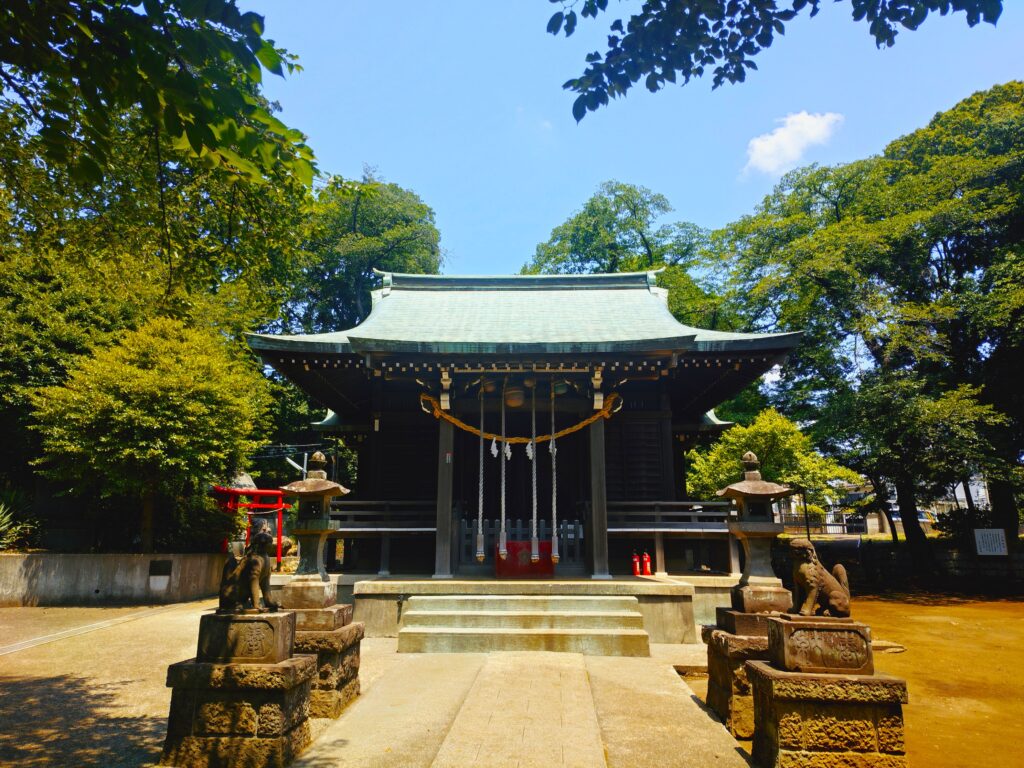
The current main sanctuary (Honden) is estimated to have been built in the mid-18th century (around the Horei and Meiwa eras of the Edo period, specifically the 1750s to 1770s). Having escaped numerous disasters, it stands as a valuable historical structure that preserves its original appearance from that era.
![20260720 112931579 1024x768 - Minami-Oya Tenjinsha Shrine [Tokyo]](https://japan-shrine.info/wp-content/uploads/20260720_112931579-1024x768.jpg "Minami-Oya Tenjinsha Shrine [Tokyo]")
The architectural style adopts a prestigious shrine layout known as “Ikken-sha Nagare-zukuri,” which features two front pillars (a single bay entrance) and a roof that gracefully curves and extends forward in a gentle slope. The pillars, walls, and eaves of the main sanctuary are densely decorated with intricate, powerful wood carvings crafted by master artisans of the time.
【Minami-Oya Tenjinsha Shrine Sub-Shrine: Inari Shrine】
When the village headman Jirozaemon Igarashi built “Tenjin-sama” as a symbol of the village, he simultaneously established an “O-Inari-sama”—a deity specializing in protecting daily food and agriculture—as a nearby sub-shrine during the same period to answer the earnest prayers of the local farmers.
![20260720 113030763 1024x768 - Minami-Oya Tenjinsha Shrine [Tokyo]](https://japan-shrine.info/wp-content/uploads/20260720_113030763-1024x768.jpg "Minami-Oya Tenjinsha Shrine [Tokyo]")
The enshrined deity is Ukanomitama no Mikoto.
【Nanshoji Kannon-do Hall Within the Minami-Oya Tenjinsha Shrine Grounds】
The Nanshoji Kannon-do Hall is an exceptionally valuable historical remnant that carries the legacy of Shinbutsu-shugo (the syncretism of Buddhism and Shinto) from the Edo period into the present day.
![20260720 112840380 1024x768 - Minami-Oya Tenjinsha Shrine [Tokyo]](https://japan-shrine.info/wp-content/uploads/20260720_112840380-1024x768.jpg "Minami-Oya Tenjinsha Shrine [Tokyo]")
At that time, the temple responsible for the actual management of Minami-Oya Tenjinsha Shrine was “Nanshoji Temple,” belonging to the Fuke sect of Zen Buddhism. Entering the Meiji period, government policies (the Separation of Shinto and Buddhism orders) led to the temple’s abandonment, and many of its buildings were demolished. Among them, the only structure left standing within the grounds without being destroyed is this “Kannon-do Hall.”
【Nearby Tourist Spots】
Sugawara Shrine, Machida Tenmangu Shrine, Buaiso
![20260720 1209563822 520x300 - Minami-Oya Tenjinsha Shrine [Tokyo]](https://japan-shrine.info/wp-content/uploads/20260720_1209563822-520x300.jpg "Minami-Oya Tenjinsha Shrine [Tokyo]")
【Minami-Oya Tenjinsha Shrine Access】
Admin’s Impressions
As you walk through the residential neighborhood, a grand white torii gate suddenly appears before your eyes. Looking up from there, a steep and long set of stone steps with nearly 100 stairs towers right in front of you. Within the grounds, the main sanctuary of Tenjinsha Shrine—which has quietly watched over the lives of the Oya district for many long years—and the small sub-shrine of “Inari Shrine,” guarded by adorable little fox statues, rest in peaceful silence. The shrine is reportedly unattended on ordinary days, and goshuin seals or paper talismans (ofuda) are granted at “Hon-Machida Sugawara Shrine.”