 Kanata's Japan Shrine Guide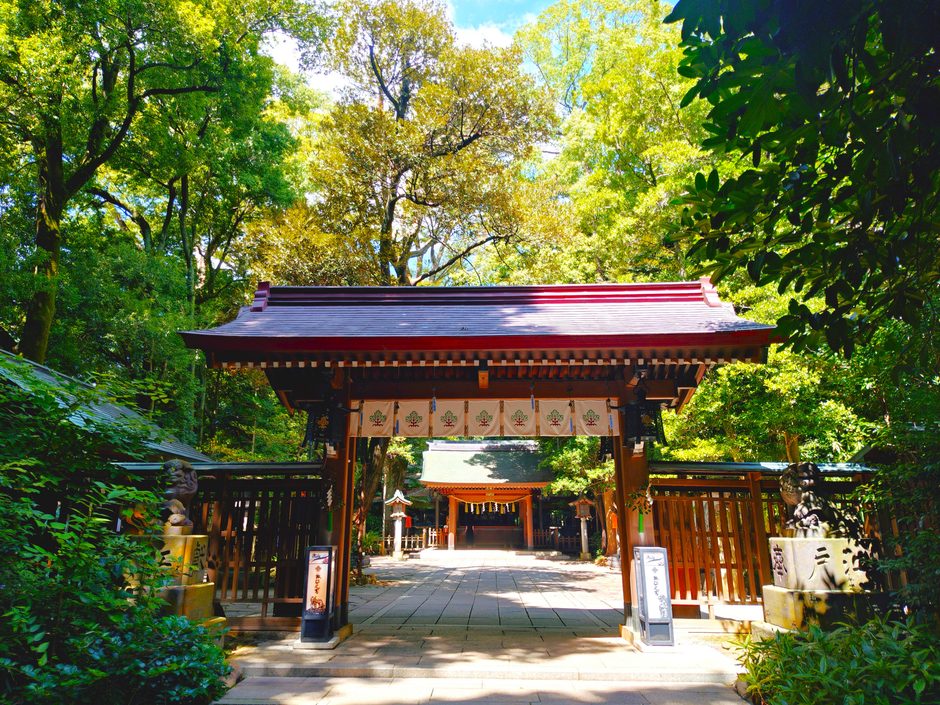

【Komaki Suwa Shrine: Overview & History】
Nestled in Komaki, Nagareyama City, Chiba Prefecture, “Komaki Suwa Shrine” (Komaki Suwa Jinja)—affectionately known as “O-Suwa-sama of Komaki”—serves as the grand tutelary shrine guarding the entire Shimosa region. It is embraced by a vast, virgin forest domain spanning approximately 10,000 tsubo (around 33,000 square meters).
History & Origins: Minamoto no Yoshiie (Hachimantaro)’s Prayer Legend and the Guardian of Nagareyama
It is said that in Daido 2 (807 AD), during the early Heian period, descendants of Prince Takechi (a son of Emperor Tenmu) migrated to this area and established the shrine after receiving a sacred plaque from Suwa Grand Shrine (Suwa Taisha) in Shinano Province. Deeply revered as a shrine for martial arts, a legend remains from the late Heian period stating that the famous warrior Minamoto no Yoshiie visited to pray for victory during the Gosannen War, dedicating horses and armor (commemorated in Nagareyama’s folklore, “The Pine of the Hanging Saddle”). During the Edo period, the shrine bustled with countless worshipers, including Tokugawa Mitsukuni, the lord of the Mito Domain, and many Edo citizens.
【Deities & Divine Blessings】Divine Virtues of the Great Suwa Deities Bringing Valor, Good Fortune, and Longevity
The shrine enshrines Takeminakatatomi no Mikoto and Yasakatome no Mikoto.
Good Health & Everyday Protection: The main deity, Takeminakata no Mikoto, is believed to grant blessings for protection against illness, good health, and preparedness for water and daily living needs.
Prayers for Victory & Competitions: With traditions of Minamoto no Yoshiie praying for victory before his expedition to the Oshu region, the shrine is widely revered as a deity for competitive success, symbolized by sacred horse statues and victory amulets (katsumori).
Safe Childbirth & Healthy Growth of Children: Based on devotion to the deity of the auxiliary Himemiya Shrine (Yasakatome no Mikoto and others) within the grounds, it is renowned as a guardian deity for children, attracting prayers for safe childbirth, Hatsumiyamairi (baby’s first shrine visit), and Shichi-Go-San (children’s milestone celebration).
Business Prosperity & Industrial Development: Prayers for thriving business, bountiful harvests, and industrial advancement are also widely conducted here.
【Highlights & Key Spots of Komaki Suwa Shrine】
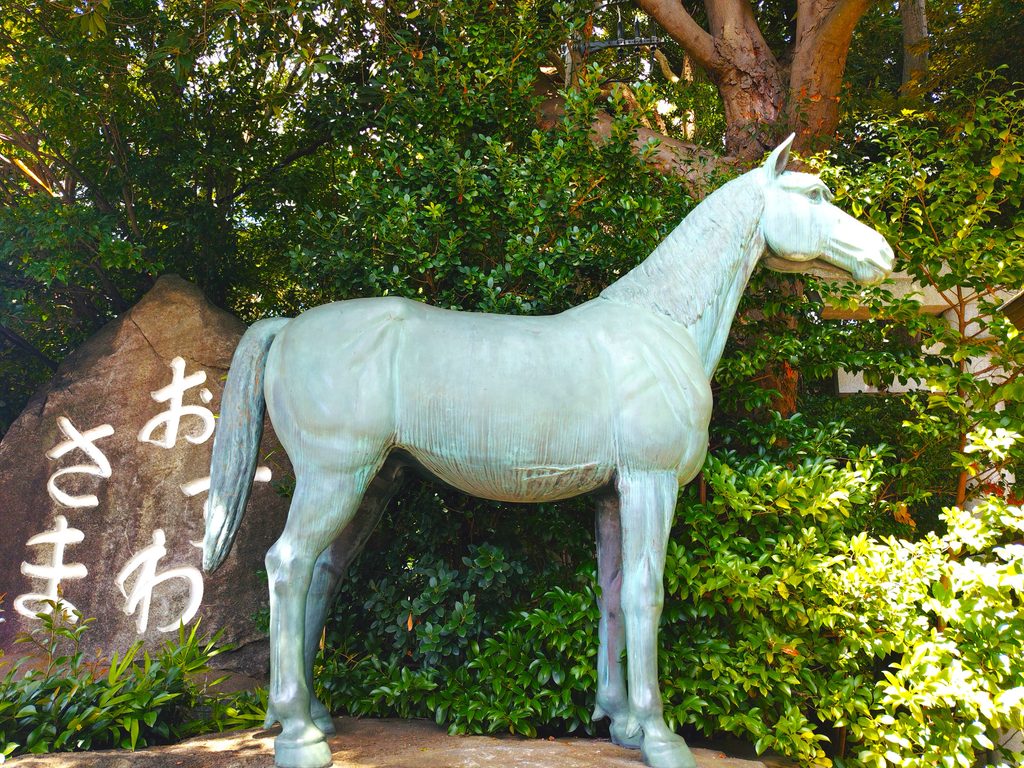
【Sacred White Horse Statue】The White Horse Statue Welcoming Visitors
Located on the left side just before the First Torii Gate at the start of the long approach, this white horse statue is the first to greet visitors. It portrays the historical beginning when Minamoto no Yoshiie procured warhorses here over 900 years ago and stopped by Suwa Shrine to pray for victory, capturing the resolute moment of setting out for battle (shutsujin) as he prepared to head toward the battlefield of Oshu.
【Lush Green Approach】A Refreshing Sanctuary Pathway Enveloped in Forest
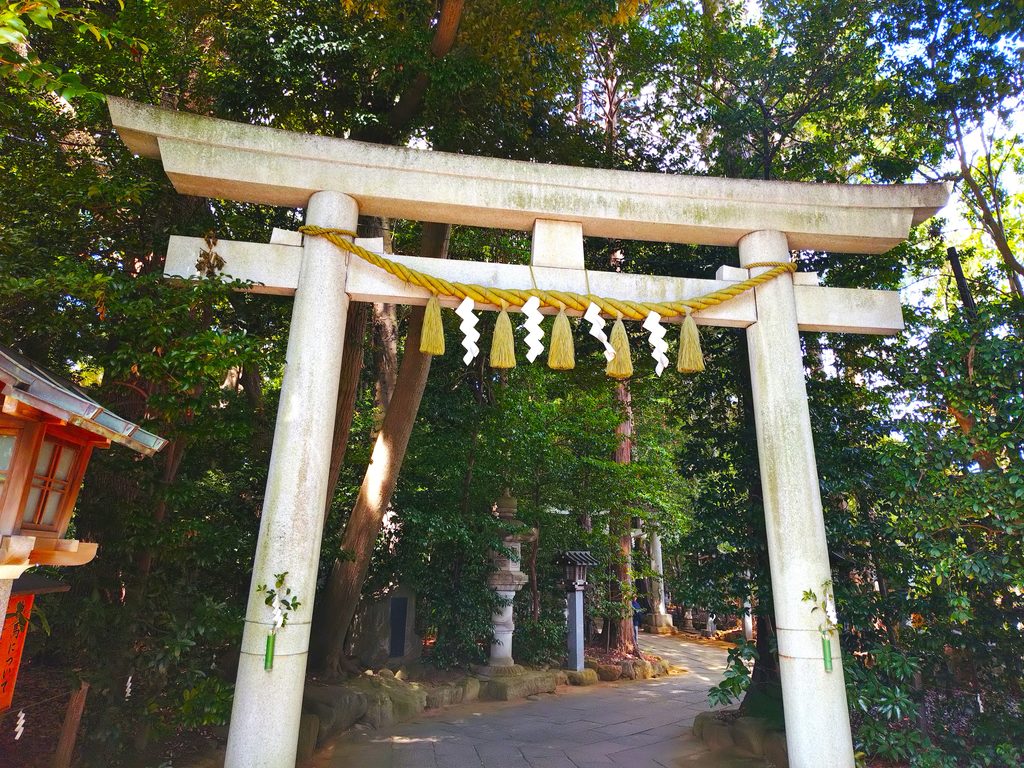
Stretching over 200 meters from the First Torii Gate to the main hall, the approach is flanked by magnificent, centuries-old cedar and Japanese zelkova (keyaki) trees.
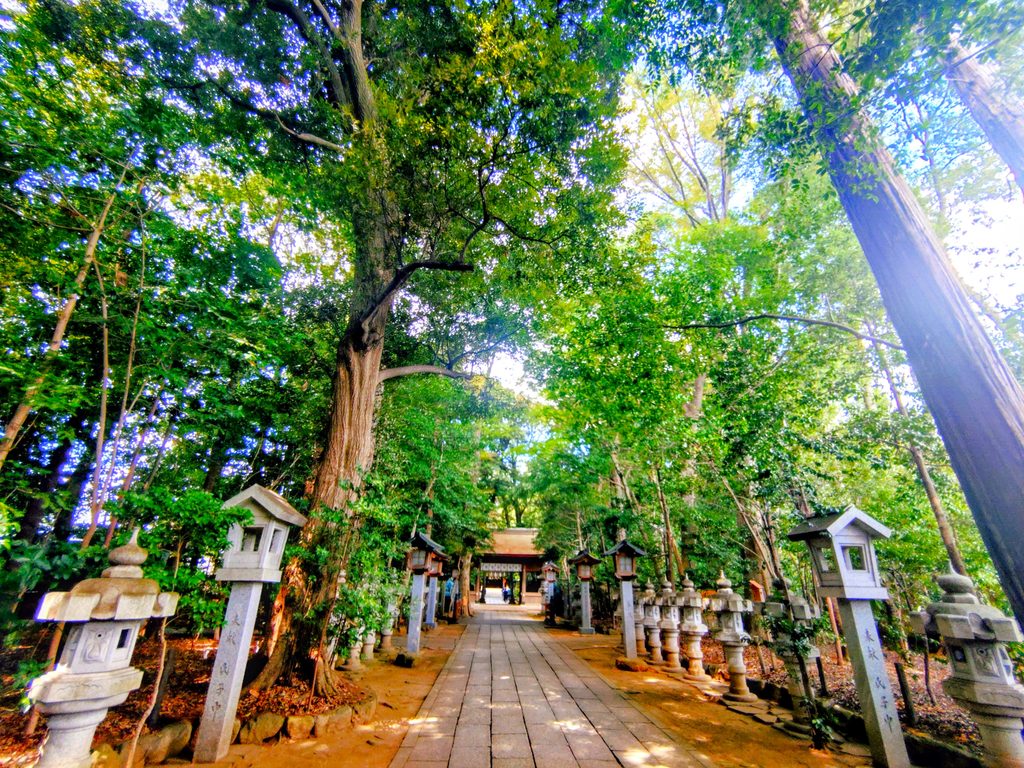
The sacred grove (Chinju no Mori) enveloping the shrine spans approximately 10,000 tsubo (nearly equivalent to the size of Tokyo Dome). The moment you step inside, the urban bustle fades away, replaced by deep tranquility that makes the walk feel like venturing into a profound, primeval forest far beyond its physical distance.
【Zuishinmon Gate】A Stately Gate Standing at the Sanctuary Entrance
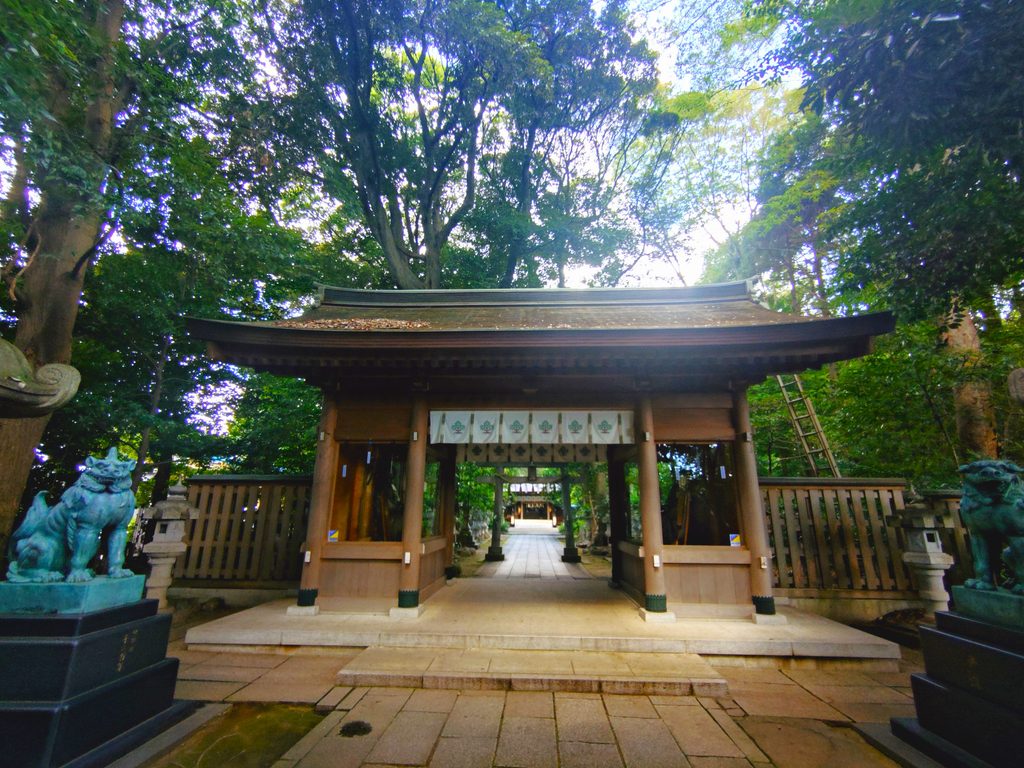
Advancing down the approach, you will encounter the Zuishinmon Gate, a remarkably grand structure erected in 2005 (Heian Year 17) to commemorate the 1,200th anniversary of the shrine’s founding.
At most traditional shrines, the two guardian deities (Zuishin—the Minister of the Left and Minister of the Right) enshrined inside the gate face outward toward the front of the approach to glare down evil spirits. However, at Komaki Suwa Shrine, the guardian statues are positioned facing each other across the pathway. Rather than watching over visitors with scrutiny, this arrangement creates a welcoming atmosphere, gently greeting travelers as they enter and bid them farewell as they leave.
![20260808 094059957 2 1024x768 - Komaki Suwa Shrine [Chiba]](https://japan-shrine.info/wp-content/uploads/20260808_094059957-2-1024x768.jpg "Komaki Suwa Shrine [Chiba]")
The pair of Zuishin statues inside were crafted by Keiko Amemiya—a representative Japanese female sculptor and daughter of the master artist Seibo Kitamura, as detailed below.
【Main Shrine Buildings】Atmospheric Wooden Architecture Enveloped in Serenity
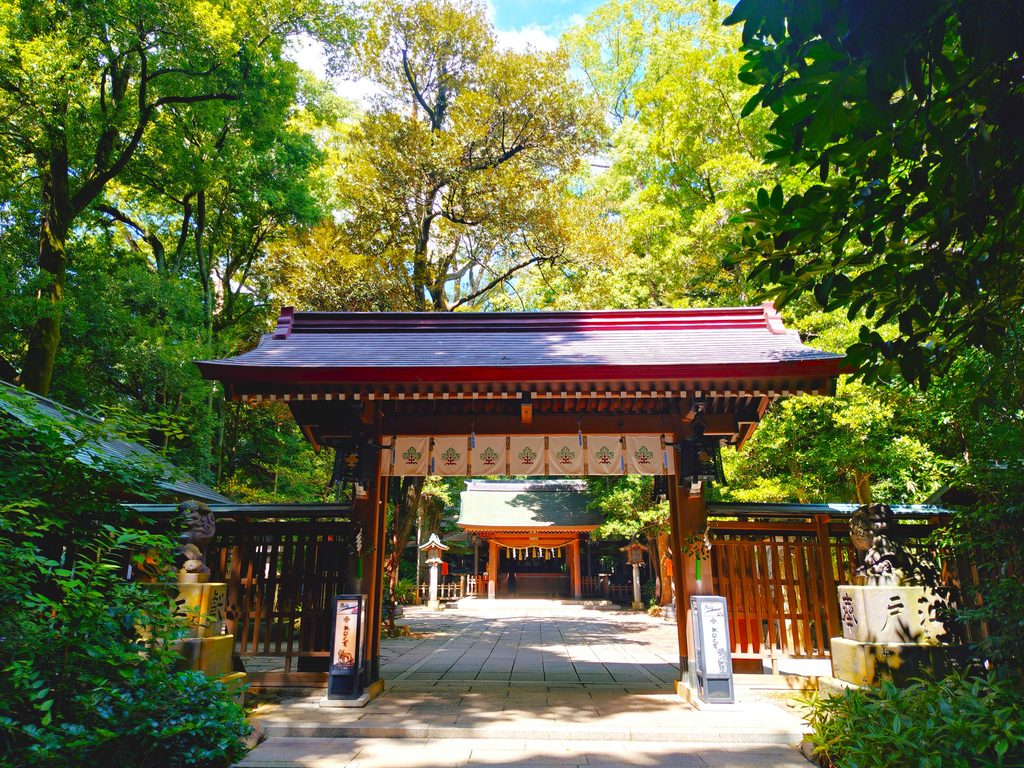
Passing through the Zuishinmon Gate brings the main shrine complex into view directly ahead.
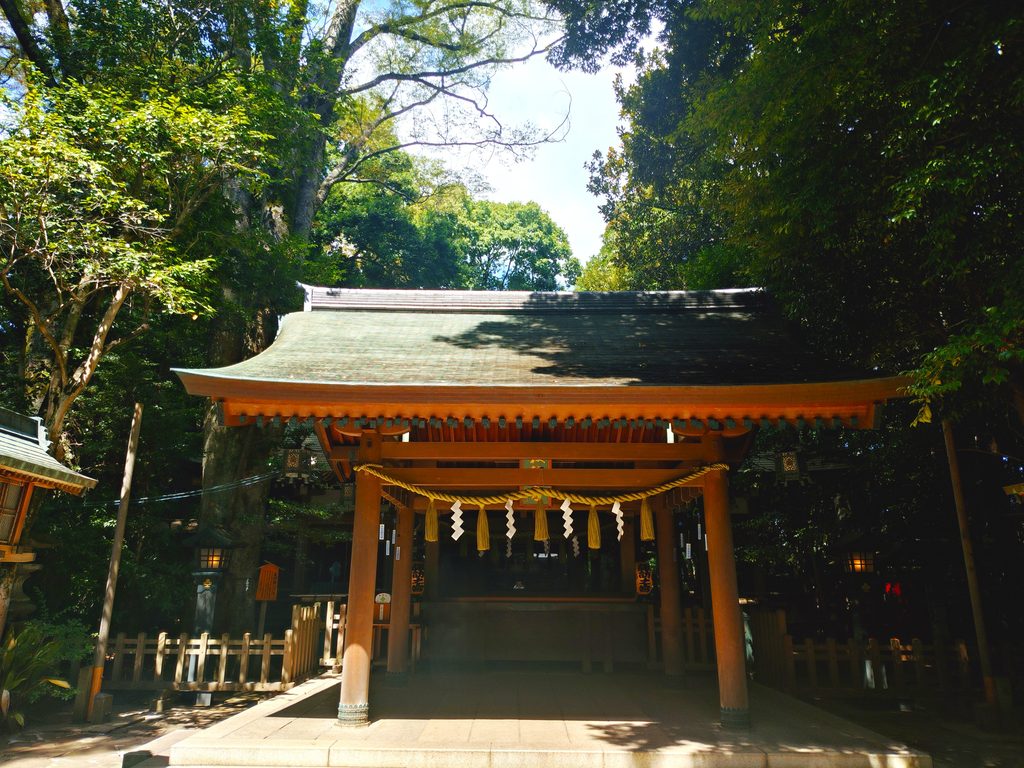
The current complex (comprising the Main Sanctuary/Honden, Offertory Hall/Heiden, and Worship Hall/Haiden) was rebuilt in the late Edo period, beautifully preserving the aesthetics of historical Edo architecture. In 1980 (Showa 55), it was designated as Nagareyama City’s Tangible Cultural Property No. 1. Although the original structures were destroyed by fire in 1749 (Kan’en 2), they were faithfully rebuilt through donations from many devoted worshipers.
【Sacred Water (Spiritual Water)】Blessings of Spring Water Welling Up Within the Grounds
Tucked quietly beside the Main Sanctuary, the “Sacred Water (Goshinshui) Distribution Place” was the focal point of the fervent “O-Suwa Pilgrimage” popular since the Edo period. Pure groundwater, nurtured over centuries by the vast 10,000-tsubo forest (O-Suwa no Mori), continues to gush forth endlessly today.
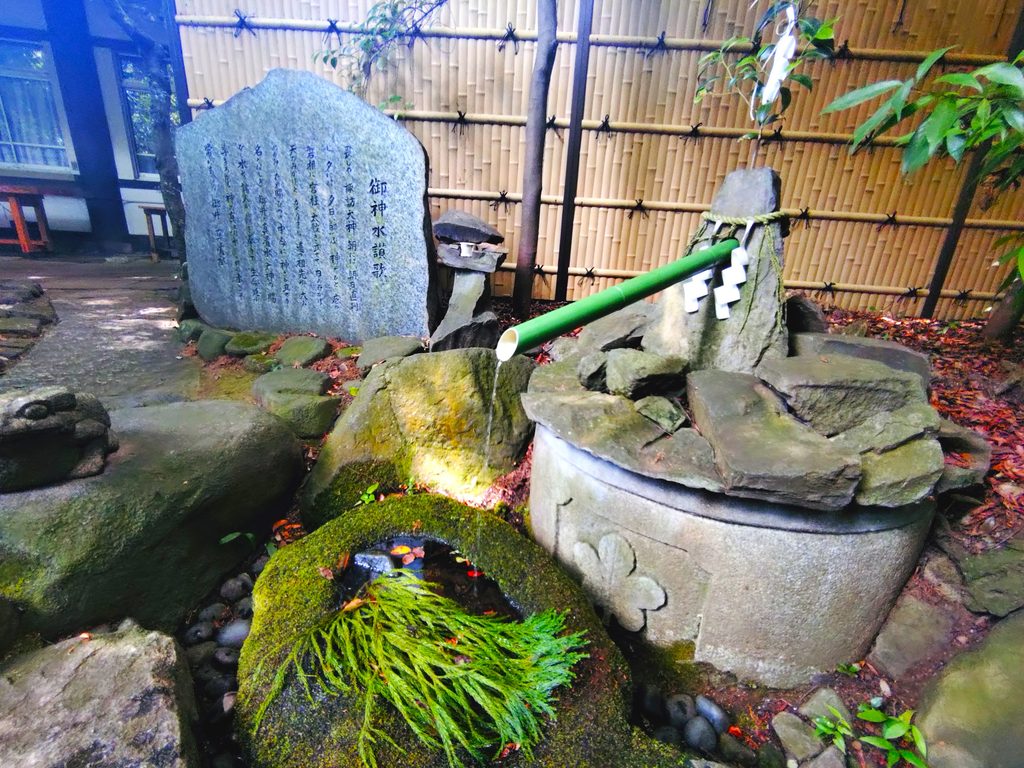
During the peak of the “O-Suwa Pilgrimage” craze among Edo citizens, receiving this sacred water was said to be the primary purpose of visiting the shrine.
*Note: As this is unsterilized natural spring water pumped from deep underground, it is strongly recommended to boil it thoroughly before drinking.
【Statue of Yoshiie and Horse】Conveying the Tradition of Minamoto no Yoshiie’s Prayer for Victory
Standing near the shrine building, this dynamic bronze statue depicts the warrior Minamoto no Yoshiie leading a horse by its reins to dedicate it to the shrine. It was erected to commemorate the 60th anniversary of Emperor Showa’s reign and the 1,180th anniversary of Suwa Shrine’s founding.
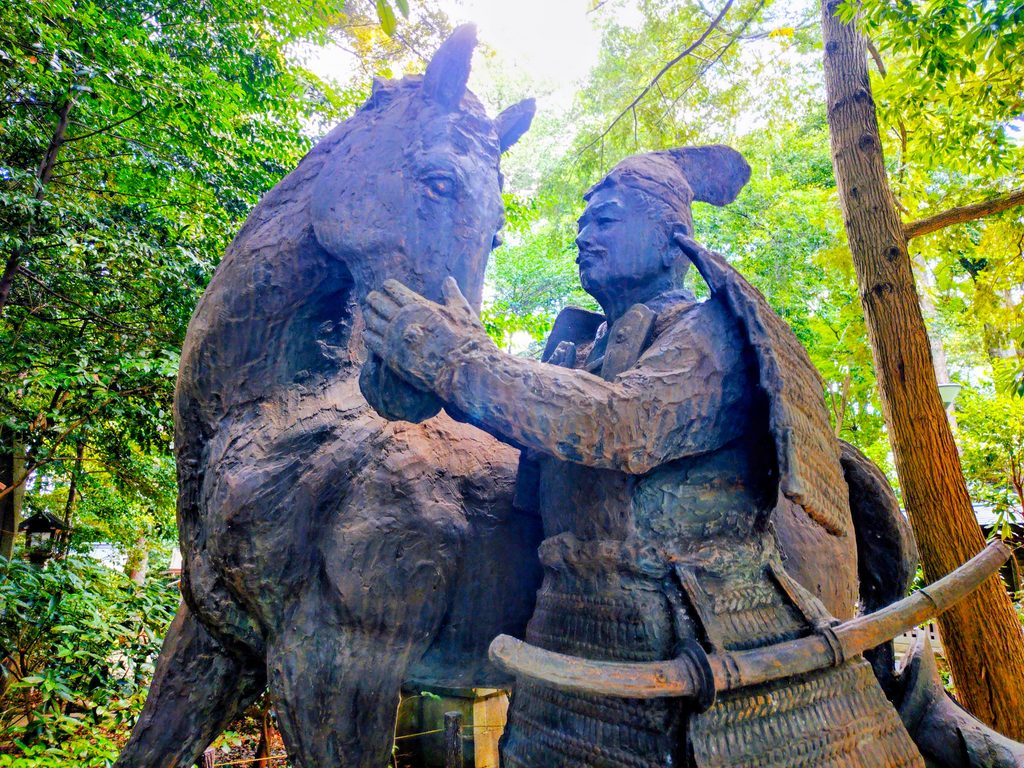
During the late Heian period’s Gosannen War (1083–1087), Yoshiie revisited this shrine on his return journey after suppressing the rebellion in Oshu. The powerful brushwork and sculpting of Seibo Kitamura capture this historic moment of offering his riding horse and armor in gratitude to the deity. This masterpiece was created by Master Seibo Kitamura, world-renowned for sculpting the Peace Statue in Nagasaki City.
【Auxiliary & Subordinate Shrines (Himemiya, Ikazuchi, and Tenjin Shrines)】Shrines Enshrined Within the Grounds
Himemiya Shrine (Himemiya Jinja) was originally enshrined independently to the east (in an area called “Aza Himemiya” along the road toward Toyoshiki Station). During the mid-Meiji period, it was relocated (senza) into the sacred grounds of O-Suwa’s forest.
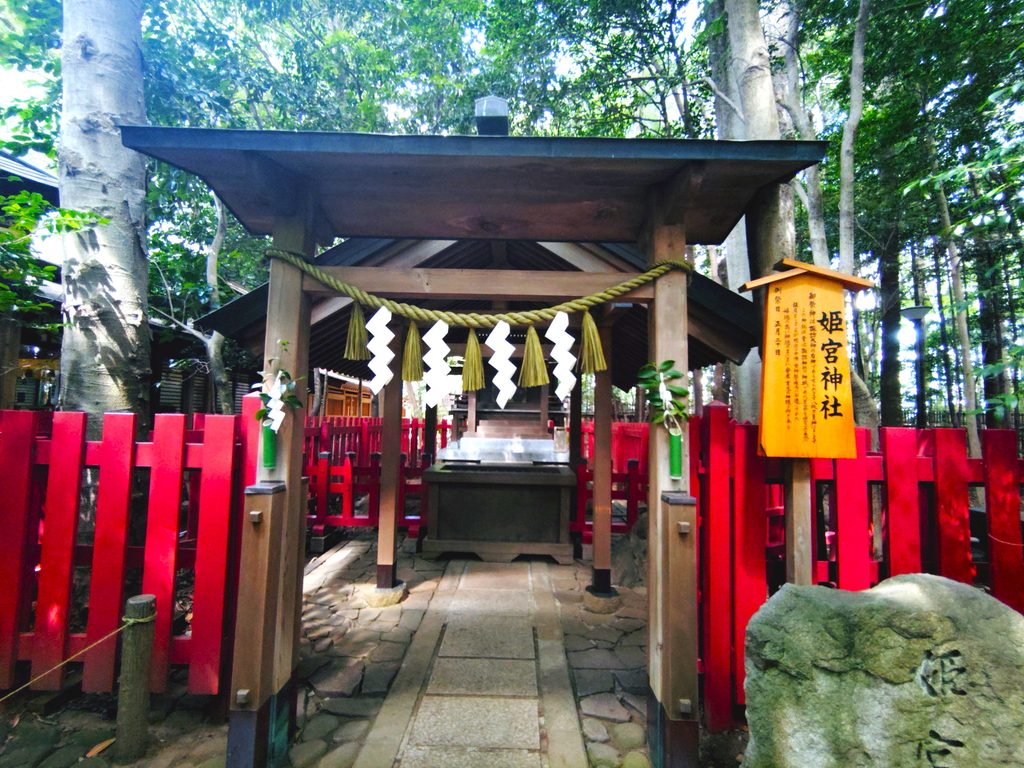
Enshrined Deity: Yasakatome no Kami.
Significance: Because the male deity (Takeminakata) of the main shrine and the female deity (Yasakatome) of Himemiya Shrine are enshrined side by side within the same grounds, it is revered as an exceptionally powerful spot for matchmaking, marital harmony, safe childbirth, and child-rearing.
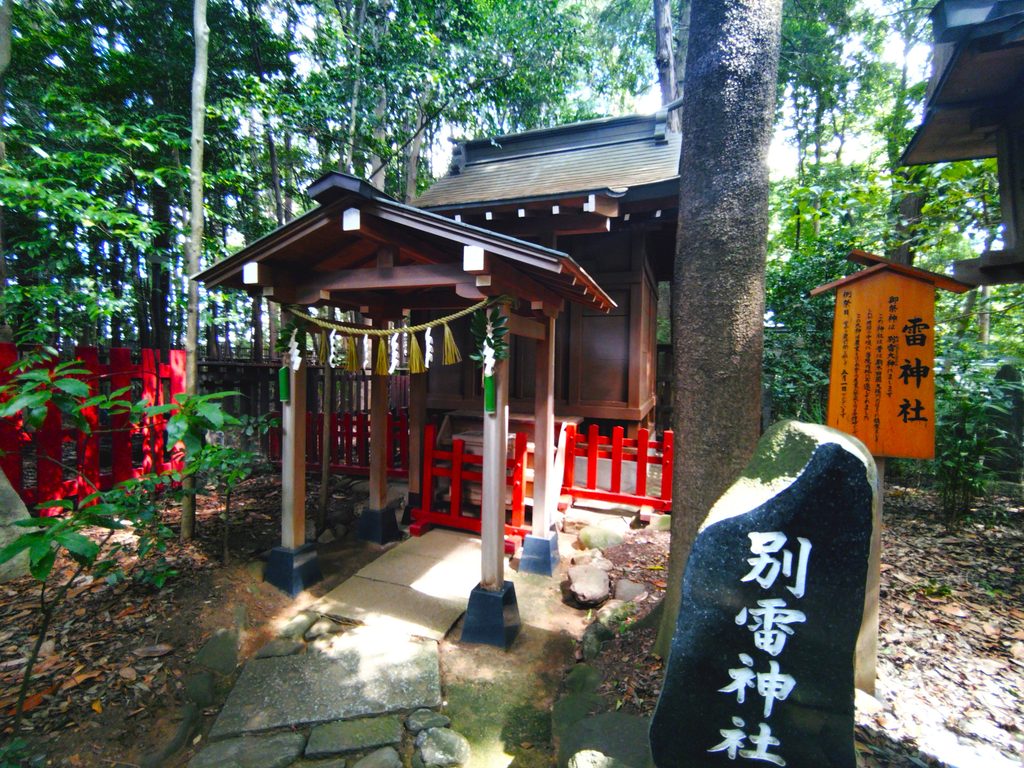
Ikazuchi Shrine (Ikazuchi Jinja) is a historic shrine that has protected local agriculture from natural disasters since ancient times. Originally enshrined to the north (Komaki Aza Dobudai), it was moved into the grounds during the mid-Meiji period, just like Himemiya Shrine.
Enshrined Deity: Wakeikazuchi no Kami.
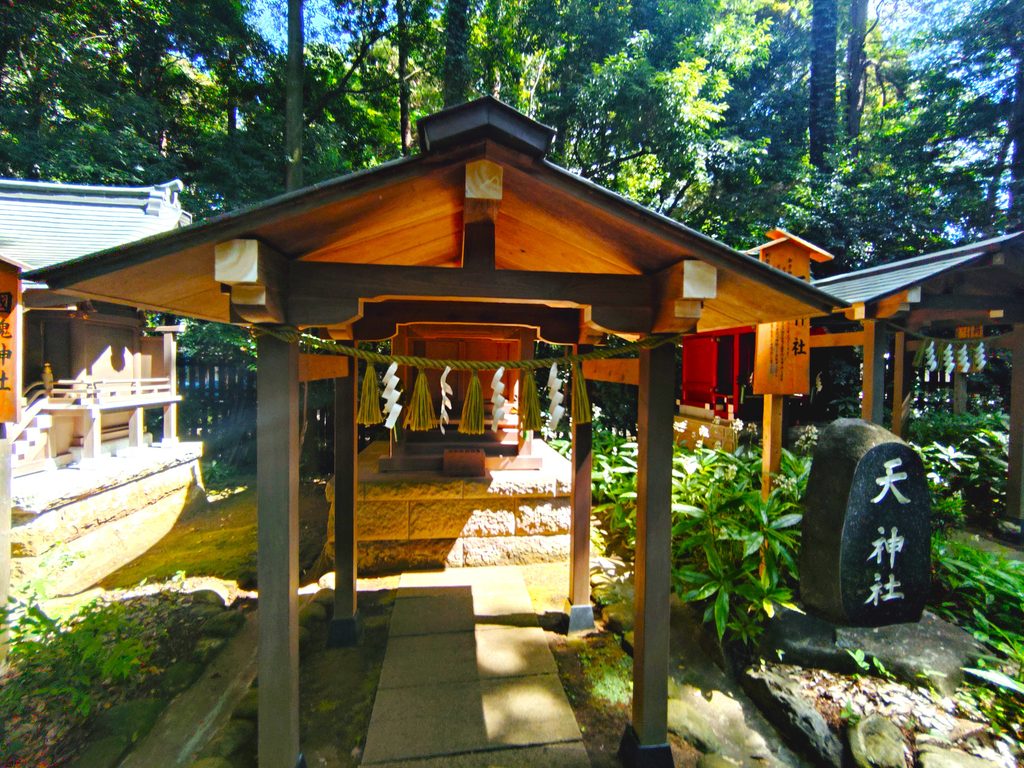
Tenjin Shrine (Tenjinsha) is a popular shrine among students and exam takers, enshrining Sugawara no Michizane, famous as the deity of scholarship. Said to have been founded in 1462 (Kansei 3) during the Muromachi period, it was originally located in nearby “Komaki Aza Nakadai” before being relocated to the grounds of Suwa Shrine in 1985 (Showa 60).
Enshrined Deities: Sugawara no Michizane (Tenjin-sama). Additionally, as subordinate shrines (sessha/massha), there are a Tenmangu Shrine dedicated to Sugawara no Michizane and a Kotohira Shrine consecrated from Konpira-san in Shikoku.
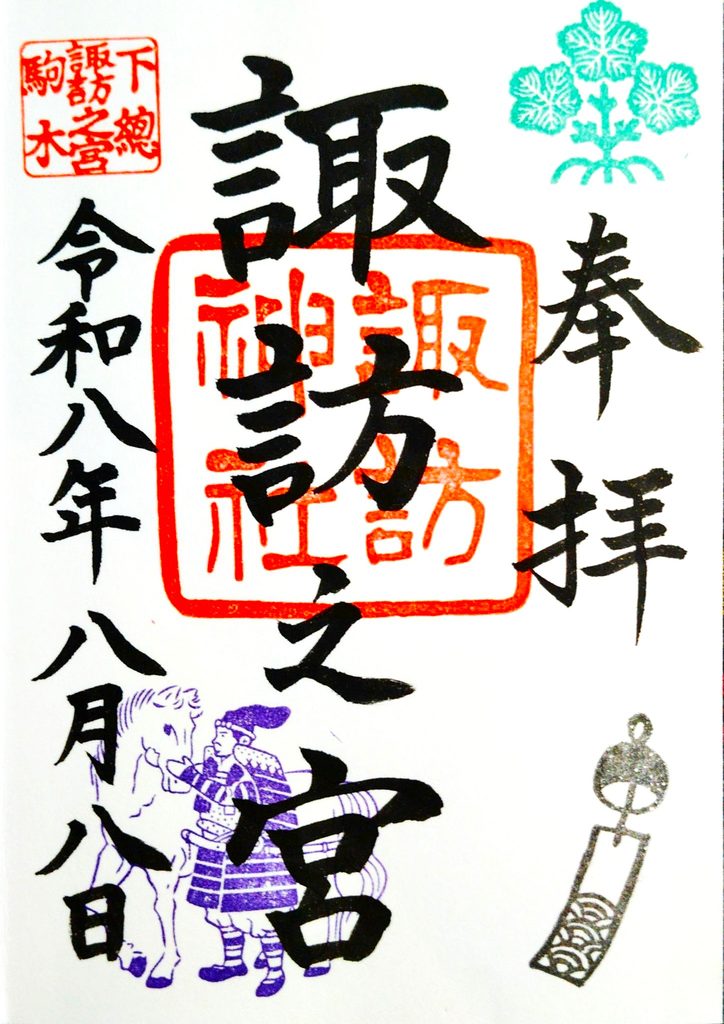
【Komaki Suwa Shrine Goshuin】
【Komaki Suwa Shrine On-Site Visit Report & Evaluation Score】
Komaki Suwa Shrine On-Site Visit Review & Evaluation Score
| Evaluation Category | Score | Key Features / Highlights |
|---|---|---|
| Accessibility | (4.5) | About a 5-minute walk from Toyoshiki Station on the TOBU Urban Park Line. Outstanding accessibility, also close to Kashiwa Station and Nagareyama-otakanomori Station |
| History & Heritage | (4.0) | An ancient shrine founded in Daido 2 (807 AD) that serves as the grand tutelary shrine for the Tokatsu region. Retains the legend behind the place name “Komaki,” associated with Minamoto no Yoshiie (Hachimantaro) |
| Nature & Scenery | (4.0) | Enveloped in a lush sacred grove known as “Suwa Forest,” offering breathtaking scenery during the seasons of fresh green leaves and autumn foliage |
| Tranquility | (3.5) | Despite being conveniently located near the station in an urban area, stepping inside the forest creates a dignified tranquility and a sacred atmosphere |
| Scale & Layout | (3.0) | Consolidates a pleasant approach filtered with sunlight, grand shrine buildings, auxiliary shrines like Himemiya Shrine, and a beautifully maintained shrine office |
| Goshuin Variety | (3.0) | In addition to the standard Komaki Suwa Shrine Goshuin (sacred seal), limited-edition seals tied to seasons and special events are also available |
*Affectionately known as “O-Suwa-sama,” this ancient shrine is revered as the grand guardian deity of the Tokatsu region. Legend has it that the name “Komaki” originated from Minamoto no Yoshiie praying for victory during his expedition to Oshu and dedicating a fine horse here. Today, it bustles with many visitors seeking blessings for warding off evil, matchmaking, baby’s first shrine visit (Hatsumiyamairi), and more.
On-Site Report | Personal Impressions and Atmosphere
Despite being located right near “Nagareyama-otakanomori” Station—an area that has undergone rapid modernization in recent years—stepping through the torii gate immediately opens up into an overwhelming, primeval forest (O-Suwa no Mori) spanning roughly 10,000 tsubo. While it is a deeply historic shrine, bronze statues created by the family of master sculptor Seibo Kitamura and stone lions in unique poses blend seamlessly throughout the sacred grounds. The flow of walking through the shrine is designed in a way that allows visitors to re-experience the historical narrative of Minamoto no Yoshiie from 900 years ago, making it a place where you can not only pray, but truly immerse yourself in the deep history of the land.
【Nearby Sightseeing Spots to Visit Together】
Hondoji Temple, Tozenji Temple, Kashiwa Shrine, Fuse Benten Tokaiji Temple, Sakuragi Shrine
![20260808 1051005753 520x300 - Komaki Suwa Shrine [Chiba]](https://japan-shrine.info/wp-content/uploads/20260808_1051005753-520x300.jpg "Komaki Suwa Shrine [Chiba]")
![20260808 115733876 2 520x300 - Komaki Suwa Shrine [Chiba]](https://japan-shrine.info/wp-content/uploads/20260808_115733876-2-520x300.jpg "Komaki Suwa Shrine [Chiba]")
![20260830 142523498 520x300 - Komaki Suwa Shrine [Chiba]](https://japan-shrine.info/wp-content/uploads/20260830_142523498-520x300.jpg "Komaki Suwa Shrine [Chiba]")
【Basic Information & Access】
【Access by Train / Car and Parking】
*Free parking available
655 Komaki, Nagareyama City, Chiba Prefecture 270-0132 (Suwa Shrine)