 Kanata's Japan Shrine Guide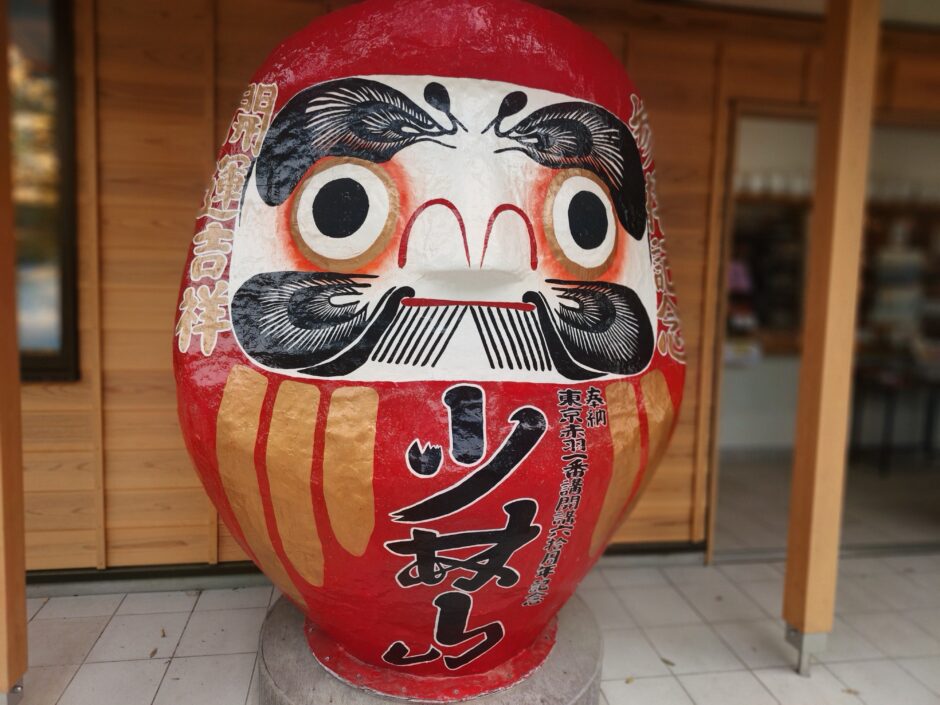

目次
- 【Overview of Shorinzan Daruma-ji】
- 【Shorinzan Daruma-ji Temple Daruma Statue】
- 【Shorinzan Daruma-ji Temple Somon Gate】
- 【Shorinzan Daruma-ji Temple 108 Steps】
- 【Shorinzan Daruma-ji Temple Bell of Good Fortune (Shofuku-no-Kane)】
- 【Shorinzan Daruma-ji Temple Reifu-do Hall (Main Hall)】
- 【Shorinzan Daruma-ji Temple Daruma-do Hall (Temple Office)】
- 【Etiquette for Receiving a Goshuin】
- 【Goshuin】
- 【Shorinzan Daruma-ji Temple Kannon-do Hall】
- 【Senshin-tei Pavilion】
- 【Donations from the Tokyo Akabane Ichiban-Ko Association】
- 【Shorinzan Daruma-ji Temple Nearby Tourist Spots】
- 【Shorinzan Daruma-ji Temple Access】
- Admin’s Impressions
- Address of Shorinzan Daruma-ji Temple
- Official Website of Shorinzan Daruma-ji
【Overview of Shorinzan Daruma-ji】
Shorinzan Daruma-ji is a temple of the Obaku sect of Zen Buddhism. It was founded in 1697 by the Chinese Zen Master Shin’etsu, who had come to Japan at the invitation of Tokugawa Mitsukuni (famously known as Mito Komon) and felt that this particular land was a “sacred realm.” During the Great Tenmei Famine in the 1780s, the head priest at the time sought to relieve the suffering farmers. He had wooden molds carved based on a drawing of Bodhidharma (Daruma) sketched by Master Shin’etsu and encouraged the farmers to produce them as a side income. This is considered the origin of the world-famous “Takasaki Daruma.”
The temple enshrines Hokushin Chintaku Reifuson as its primary deity.
While the name sounds complex, it can be broken down as follows: it is a deity of cosmic power (represented by the North Star, Hokushin) that dispels misfortune within the household (Chintaku) and invites good fortune, serving as the original source of sacred talismans (Reifun).
【Shorinzan Daruma-ji Temple Daruma Statue】
![20260504 1410235712 1024x768 - Shorinzan Daruma-ji Temple [Gunma]](https://japan-shrine.info/wp-content/uploads/20260504_1410235712-1024x768.jpg "Shorinzan Daruma-ji Temple [Gunma]")
The Daruma statue located near the entrance (around the Somon Gate) of Shorinzan Daruma-ji is widely beloved as the “Giant Daruma of the Main Gate,” greeting visitors as they first arrive.
【Shorinzan Daruma-ji Temple Somon Gate】
The Somon Gate was erected in 1997 to commemorate the 300th anniversary of the temple’s founding. It was built in the Chinese-style Pailou (Archway) design, mirroring the main gate of the sect’s head temple, Oobakusan Manpuku-ji in Kyoto.
![20260504 1409589432 1024x768 - Shorinzan Daruma-ji Temple [Gunma]](https://japan-shrine.info/wp-content/uploads/20260504_1409589432-1024x768.jpg "Shorinzan Daruma-ji Temple [Gunma]")
Passing through this gate brings you to the start of the great 108-step stone staircase.
【Shorinzan Daruma-ji Temple 108 Steps】
![20260504 1411510922 1024x768 - Shorinzan Daruma-ji Temple [Gunma]](https://japan-shrine.info/wp-content/uploads/20260504_1411510922-1024x768.jpg "Shorinzan Daruma-ji Temple [Gunma]")
The great stone staircase consists of exactly 108 steps, corresponding to the traditional number of human worldly desires (bonno). The act of climbing incorporates the spiritual meaning of shedding these earthly desires step by step, ensuring that one’s mind and soul are completely purified by the time they reach the main hall.
【Shorinzan Daruma-ji Temple Bell of Good Fortune (Shofuku-no-Kane)】
![20260504 140419766 1024x768 - Shorinzan Daruma-ji Temple [Gunma]](https://japan-shrine.info/wp-content/uploads/20260504_140419766-1024x768.jpg "Shorinzan Daruma-ji Temple [Gunma]")
Located next to the Zuiun-kaku pavilion—where visitors can experience painting their own Daruma dolls—the Bell of Good Fortune is a bell tower that any worshipper is completely free to ring. It is said that you may ring it while infusing it with your personal prayers and wishes.
【Shorinzan Daruma-ji Temple Reifu-do Hall (Main Hall)】
Because the original structure was tragically lost to a fire, the current Reifu-do Hall (Main Hall) was reconstructed in 1911.
![20260504 135338264 1024x768 - Shorinzan Daruma-ji Temple [Gunma]](https://japan-shrine.info/wp-content/uploads/20260504_135338264-1024x768.jpg "Shorinzan Daruma-ji Temple [Gunma]")
A prominent feature in front of the Reifu-do is the large incense burner (koro) bearing the triple-hollyhock crest (Mitsuba-aoi) of the Tokugawa clan. This clearly demonstrates the profoundly deep ties between this temple and the Mito-Tokugawa family (specifically Lord Tokugawa Mitsukuni, Mito Komon).
![20260504 1351462792 1024x768 - Shorinzan Daruma-ji Temple [Gunma]](https://japan-shrine.info/wp-content/uploads/20260504_1351462792-1024x768.jpg "Shorinzan Daruma-ji Temple [Gunma]")
Flanking both sides of the main hall, a staggering mountain of countless Daruma dolls that have fulfilled their duties and been returned by their owners are piled high. First-time visitors are utterly overwhelmed by the raw visual power of this sight.
【Shorinzan Daruma-ji Temple Daruma-do Hall (Temple Office)】
![20260504 141717031 1024x768 - Shorinzan Daruma-ji Temple [Gunma]](https://japan-shrine.info/wp-content/uploads/20260504_141717031-1024x768.jpg "Shorinzan Daruma-ji Temple [Gunma]")
Situated directly adjacent to the main hall, the Daruma-do Hall can truly be described as a “Daruma Museum.” It showcases thousands of rare and unique regional Daruma dolls collected from across the entire nation, spanning from Hokkaido in the north all the way to Okinawa in the south.
You can receive your Goshuin (sacred temple stamp) here at the temple office within Daruma-do.
【Etiquette for Receiving a Goshuin】
Shorinzan Daruma-ji enforces a unique and strict rule: to receive a Goshuin, visitors must perform Nokyo by either transcribing a Buddhist sutra (Shakyo), tracing a Buddhist image (Shabutsun), or chanting a sutra aloud (Dokyo). This is rooted in the historical origin that a Goshuin is fundamentally a “certificate of sutra offering.”
Unlike typical sightseeing temples where you can instantly receive a stamp simply by paying money, it is vital to understand this religious context before requesting your Goshuin.
![20260504 134542489 2 1024x734 - Shorinzan Daruma-ji Temple [Gunma]](https://japan-shrine.info/wp-content/uploads/20260504_134542489-2-1024x734.jpg "Shorinzan Daruma-ji Temple [Gunma]")
【Goshuin】
![daruma 725x1024 - Shorinzan Daruma-ji Temple [Gunma]](https://japan-shrine.info/wp-content/uploads/daruma-725x1024.jpg "Shorinzan Daruma-ji Temple [Gunma]")
【Shorinzan Daruma-ji Temple Kannon-do Hall】
The Kannon-do Hall was built far earlier than the main hall (rebuilt in 1911), making it one of the absolute oldest surviving structures within the precinct. While it once featured a deeply atmospheric thatched roof, it has since been renovated with copper plating to ensure its preservation.
![20260504 135540984 1024x768 - Shorinzan Daruma-ji Temple [Gunma]](https://japan-shrine.info/wp-content/uploads/20260504_135540984-1024x768.jpg "Shorinzan Daruma-ji Temple [Gunma]")
Enshrined Deity: Juichimen Kanzeon Bosatsu (Eleven-Headed Kannon Bodhisattva)
【Senshin-tei Pavilion】
The Senshin-tei is a detached pavilion where the world-renowned modernist architect Bruno Taut lived for approximately two years and three months starting in 1934. While stepping inside the interior is generally restricted, visitors are free to admire its quiet, modest appearance from the outside.
![20260504 142810541 1024x768 - Shorinzan Daruma-ji Temple [Gunma]](https://japan-shrine.info/wp-content/uploads/20260504_142810541-1024x768.jpg "Shorinzan Daruma-ji Temple [Gunma]")
【Donations from the Tokyo Akabane Ichiban-Ko Association】
Near the Daruma-do, you will find numerous stone monuments erected by the “Tokyo Akabane Ichiban-Ko,” an association formed by commercial and industrial merchants from the Akabane area in Tokyo. Historically, groups of merchants from Akabane made regular group pilgrimages all the way to Takasaki in Gunma to pray for business prosperity. The remnants of this tradition are still carefully preserved today in the form of these stone monuments and offered artifacts within the precinct.
![20260504 133917015 1024x768 - Shorinzan Daruma-ji Temple [Gunma]](https://japan-shrine.info/wp-content/uploads/20260504_133917015-1024x768.jpg "Shorinzan Daruma-ji Temple [Gunma]")
【Shorinzan Daruma-ji Temple Nearby Tourist Spots】
Yavata Hachiman-gu Shrine, Daishogokoku-ji Temple, Gunma Prefectural Gokoku Shrine, Kannonyan Jigan-in Temple, Dokutsu Kannon (Cave Kannon).
【Shorinzan Daruma-ji Temple Access】
Admin’s Impressions
Shorinzan Daruma-ji, the birthplace of the auspicious Daruma doll. Climbing to the top of the 108 stone steps reveals an incredible, dense accumulation of deep history. I was particularly moved by the process of receiving the Goshuin. The temple’s dedication to preserving the original roots of the stamp as a “proof of sutra offering,” forcing you to experience hand-copying a sutra, feels like an incredibly rare and precious opportunity in the modern world. Writing each character with meticulous care allowed a profound sensation of being entirely liberated from the noisy bustle of daily life.
As you wander the grounds, it is astonishing to see how a multi-faceted tapestry of human connections (enishi) intertwines here—from the hollyhock crests showcasing the deep bonds with the Tokugawa clan (Mito Mitsukuni) to the modest home of Bruno Taut, who loved this sanctuary after escaping Nazi persecution. The wishes infused into the vibrant red Daruma dolls, and the history of the people who have watched over them—this is a place overflowing with a profound, multi-layered charm that a single visit simply cannot fully capture.
296 Hanadakamachi, Takasaki City, Gunma Prefecture 370-0868
*Free parking available.