 Kanata's Japan Shrine Guide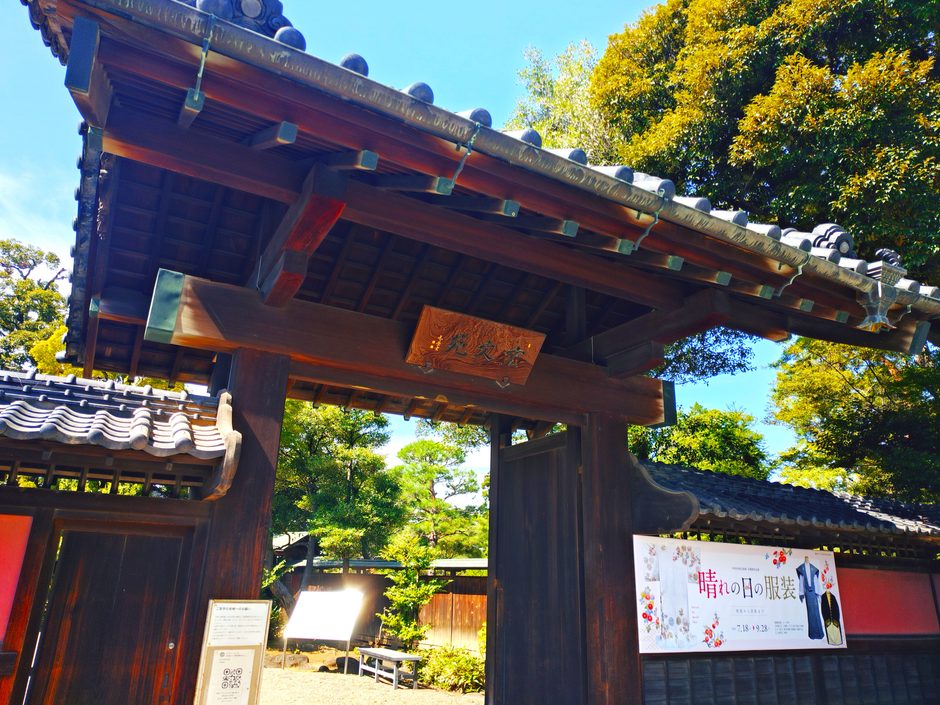

目次
- 【Overview & History of Noda City Museum】
- 【Kinpoden Honsha】A Beautiful Shrine Hall Engraved with Dense Carvings Showcasing Master Craftsmanship
- 【Noda City Museum & Former Saheiji Mogi Residence On-Site Stroll Report & Evaluation】
- 【Nearby Sightseeing Spots to Visit Together】
- 【Basic Information & Access】
【Overview & History of Noda City Museum】
【History & Origins】Origins of the Residence and Museum Conveying Noda’s Soy Sauce Brewing Culture
Noda City Museum opened in 1959 (Showa 34) as the first full-fledged registered museum in Chiba Prefecture. During an era when museums and art galleries were still extremely rare nationwide, it was born out of passionate cultural movements by local citizens and the strong backing of local enterprises (such as Noda Shoyu, present-day Kikkoman).
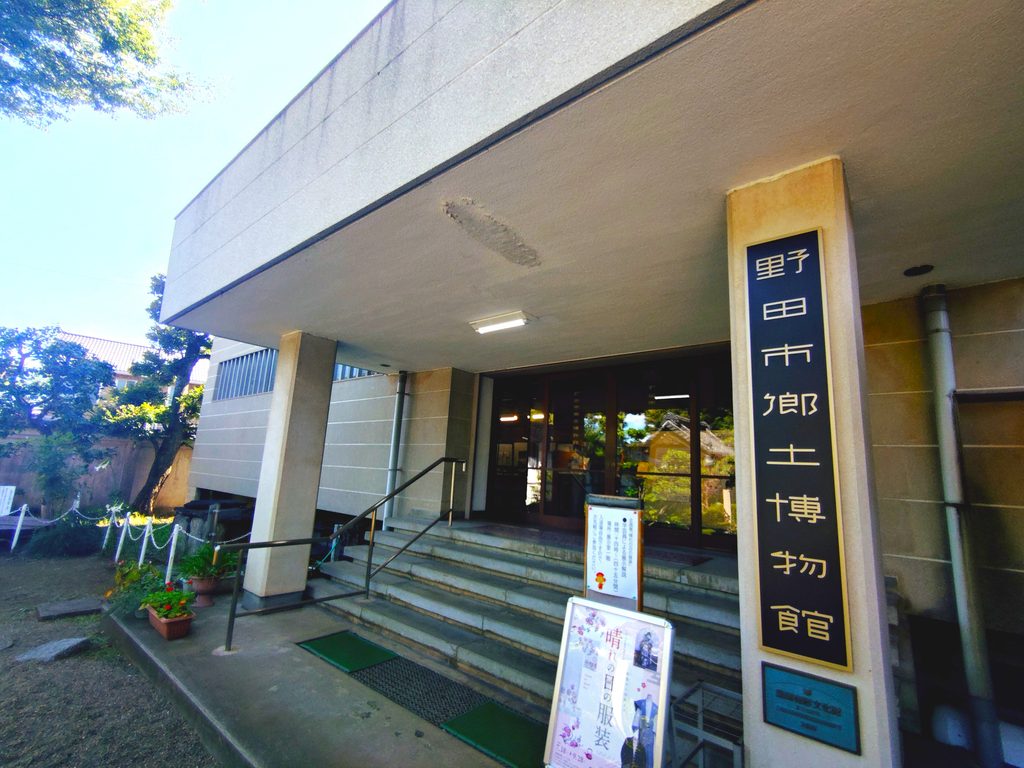
Its greatest feature is its abundance of “soy sauce-related historical materials” conveying the history of Noda, known as one of Japan’s top soy sauce brewing towns, and anyone can drop by easily with free admission.
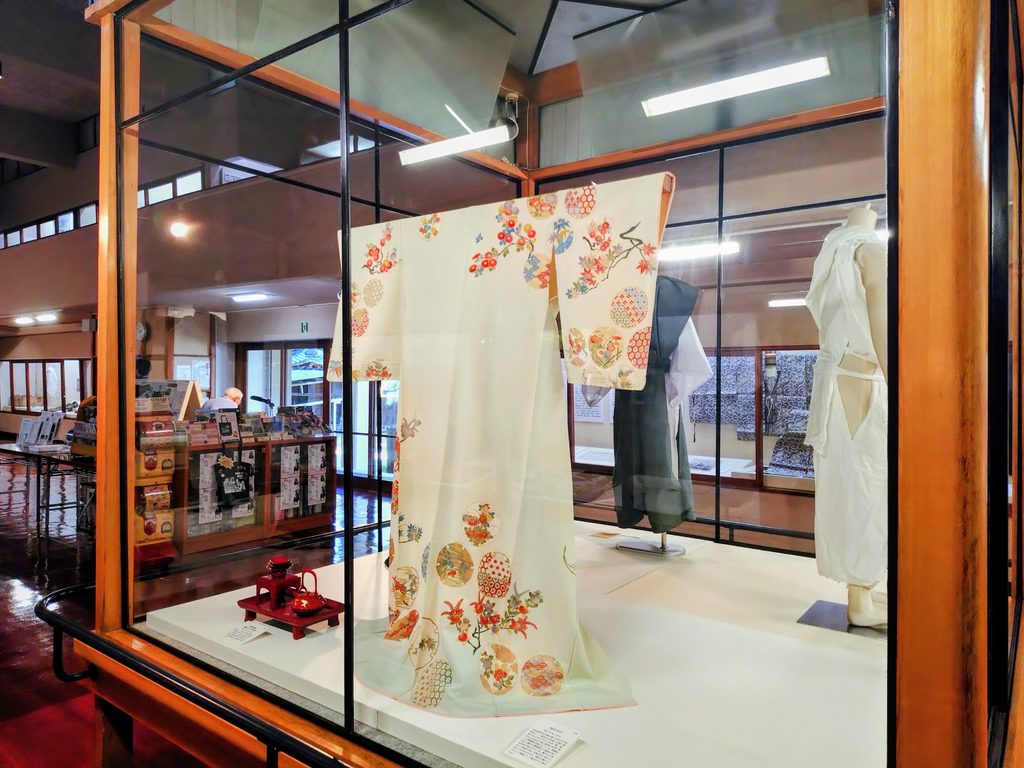
1st Floor: Special Exhibition Room
Exhibitions held here include an annual special exhibition, as well as bi-annual open-call citizen exhibitions and citizen collection exhibitions. It features the latest research findings of curators and diverse thematic exhibitions in which local residents participate.
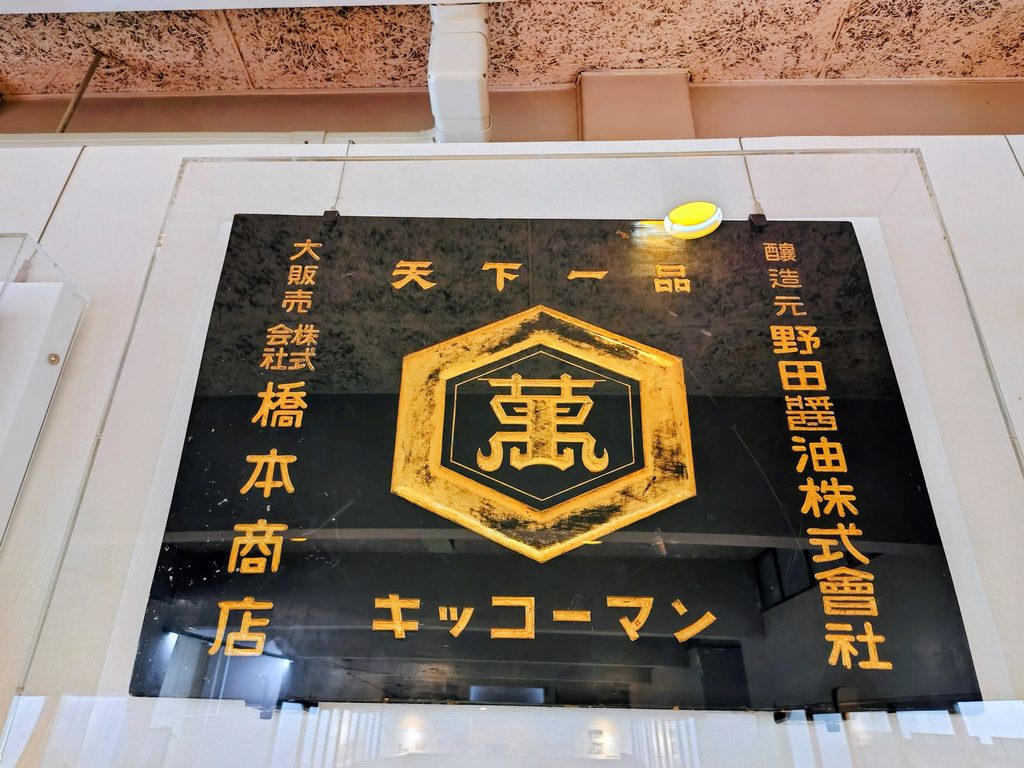
2nd Floor: Permanent Exhibition Room (History of Soy Sauce & Local Historical Materials)
Unique soy sauce-related materials are permanently on display, including the “Soy Sauce Brewing Process Model”—which recreates the soy sauce brewing process passed down from the Edo period—and the gorgeous raised-cloth picture frame (oshie hengaku) “Illustration of Noda Soy Sauce Brewing.”
【Former Saheiji Mogi Residence】Modern Industrial Heritage Retaining Traces of Taisho Romance
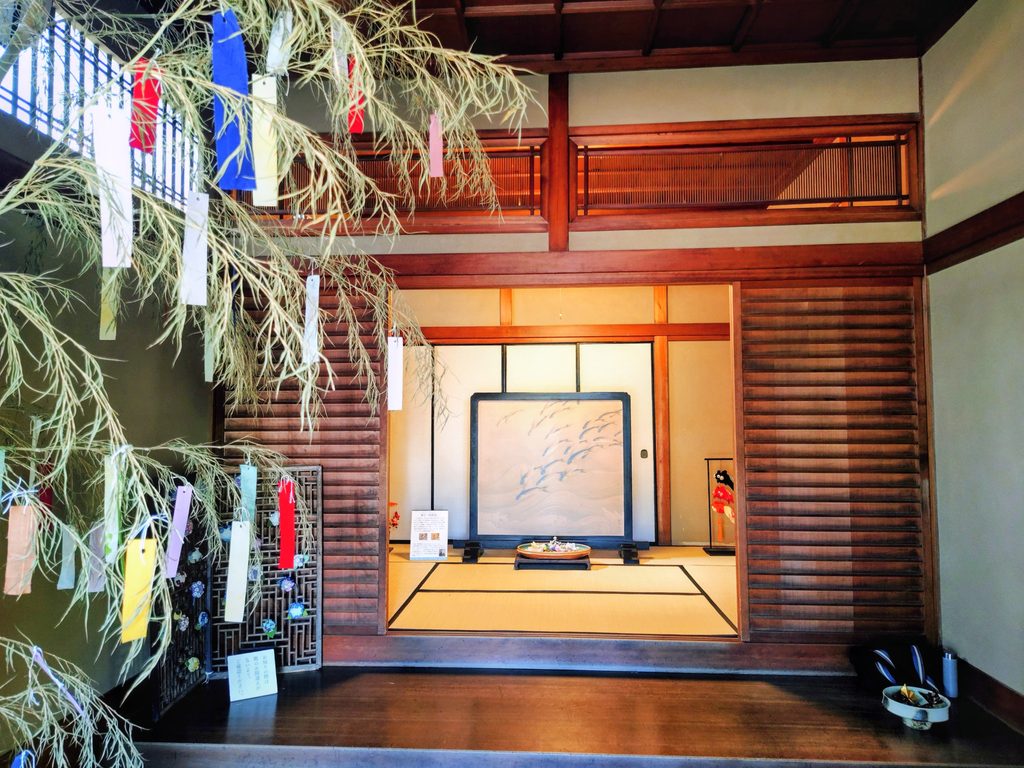
Located on the same grounds as the museum is the residence of the former soy sauce brewer Mr. Saheiji Mogi, built around 1924 (Taisho 13). Currently open to the public free of charge as the “Noda City Civic Hall,” visitors can stroll through the main house and tea house (Registered Tangible Cultural Properties of Japan), as well as the beautiful Japanese garden (Registered Monument of Japan). It is also frequently used as a filming location for movies and TV dramas.
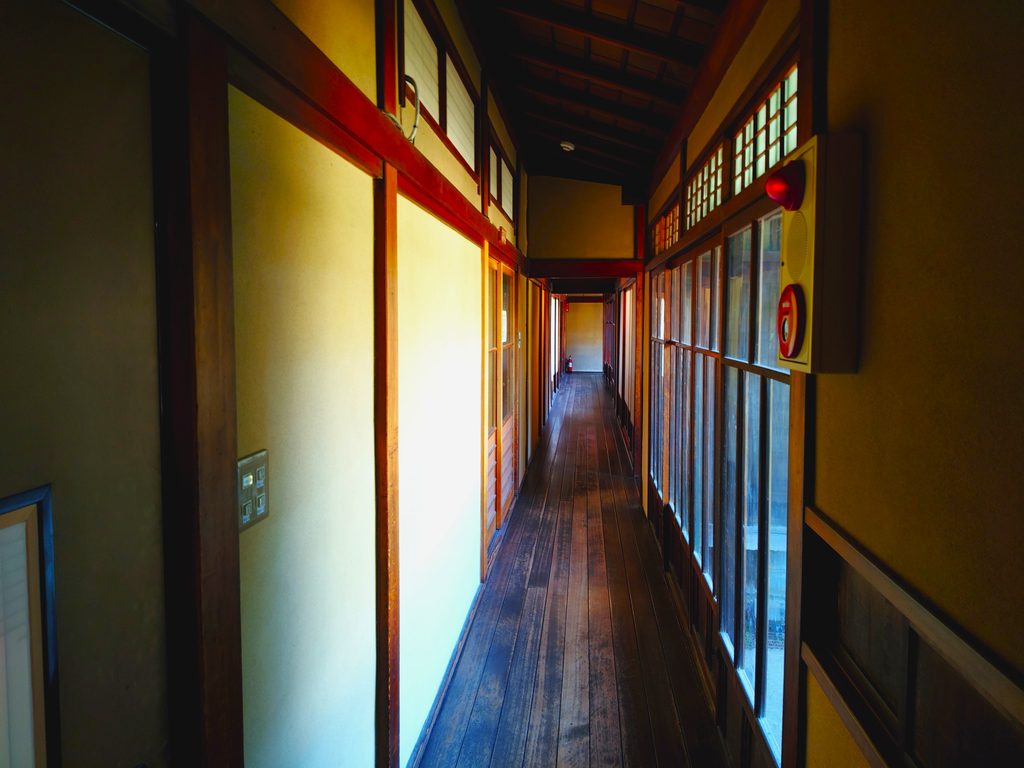
Three Japanese-style rooms named “Yuki-no-ma” (Snow Room), “Tsuki-no-ma” (Moon Room), and “Momo-no-ma” (Peach Room) are arranged in a straight line.
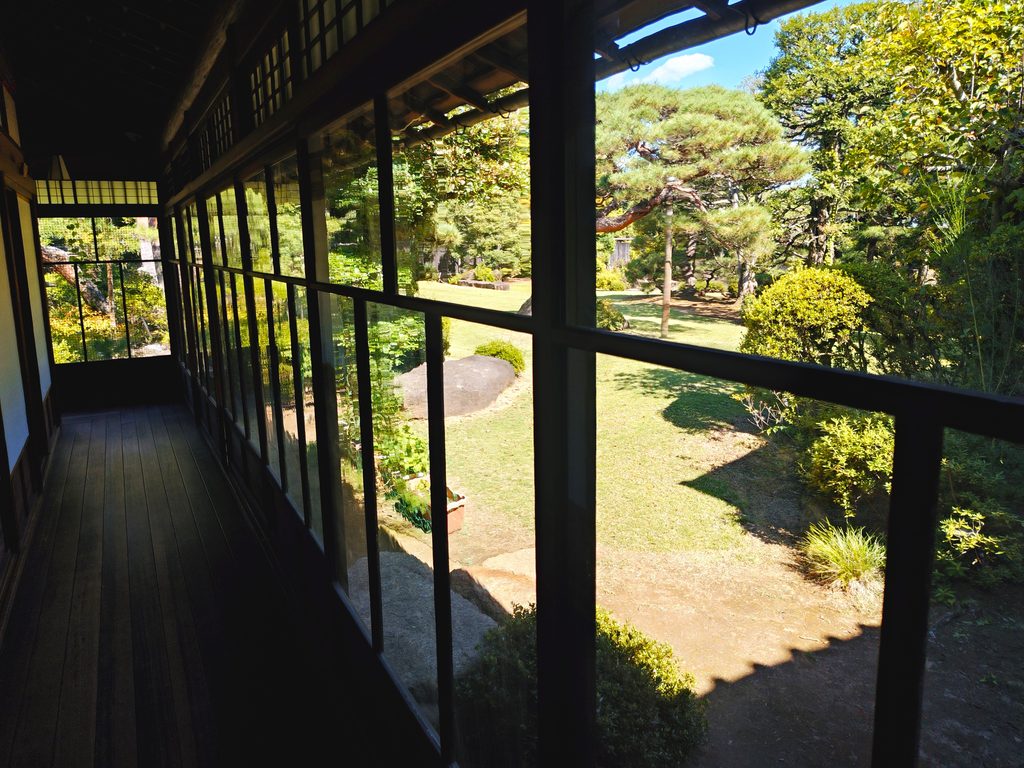
Having once been used as spaces for dining and daily living, the residence offers key highlights such as the ceiling craftsmanship, prestigious paper sliding doors (shoji), and the courtyard viewed from the rooms.
【Kinpoden Honsha】A Beautiful Shrine Hall Engraved with Dense Carvings Showcasing Master Craftsmanship
The Kinpoden Honsha of the Former Saheiji Mogi Residence is enshrined within the grounds of “Mogisa Park (Noda Children’s Playground)” right next to the Noda City Museum and Civic Hall. Like the former Saheiji Mogi Residence (Civic Hall), it is an extremely valuable historical building associated with the Saheiji Mogi family, one of the founding families of Kikkoman.
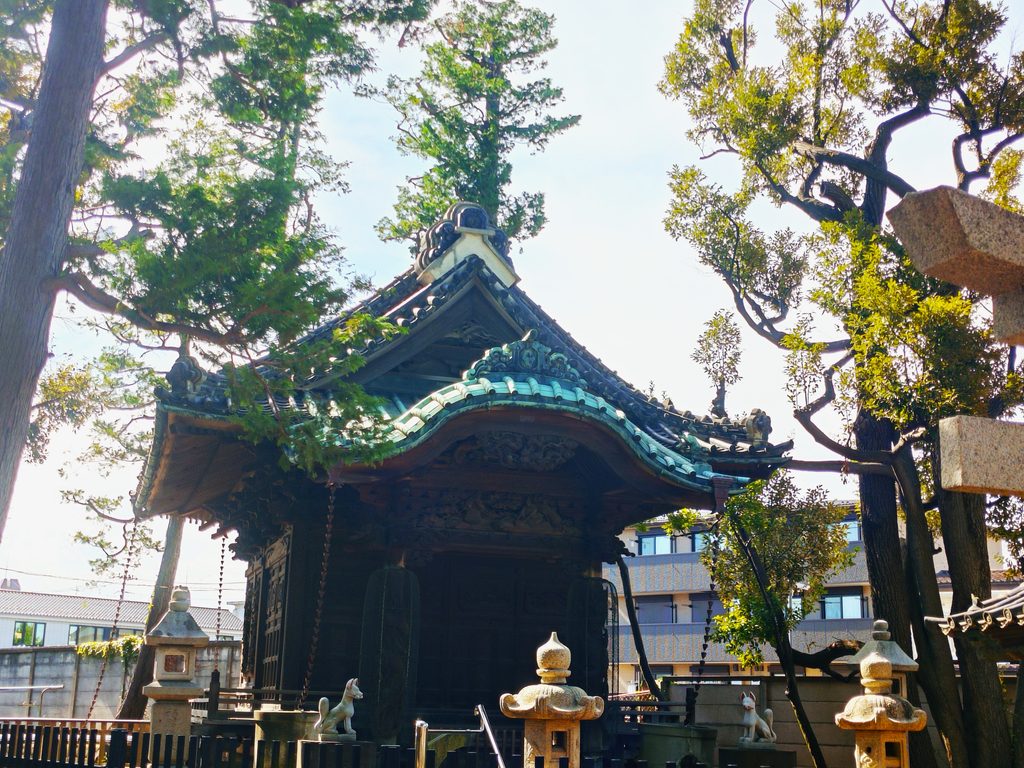
Built in 1914 (Taisho 3) as a private mansion shrine (yashikisha) by the soy sauce-brewing Saheiji Mogi family to enshrine the Inari deity and Dragon God within their residence grounds, a recommendation was submitted in November 2025 to register it—along with related structures such as the water purification pavilion (chozusha)—as a National Registered Tangible Cultural Property (Structures).
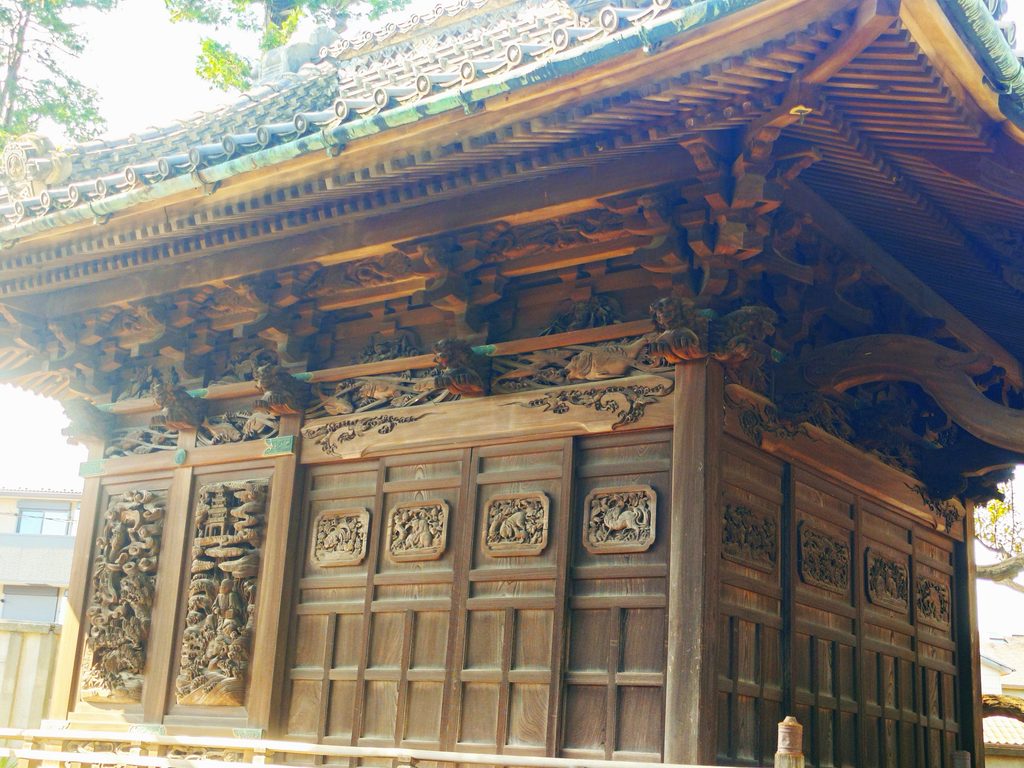
The shrine hall, built entirely of zelkova wood (keyaki), is decorated with approximately 150 magnificent carvings and ornamental metalwork. Inside and outside the building, animal carvings of the Twelve Zodiac Signs, as well as rare fairytale carvings like “Urashima Taro” and “Otohime,” are sculpted in exquisite detail, giving it exceptionally high value as a work of art.
It is currently enclosed by a fence, and entry into the grounds is generally prohibited. Will it be opened to the public once it is officially designated as a Tangible Cultural Property…?
【A Giant Tree Engraved with Memories of the Taisho Era】A Symbol Tree Continuing to Watch Over History on the Grounds
There is a large tree in front of the Kinpoden Honsha. Although its estimated age is unknown, inferring from its historical background and size (trunk circumference approx. 4.85 meters, height approx. 20–30 meters), it is highly likely that it has stood in this location for “at least 100 to 150 years or more,” or perhaps even earlier.
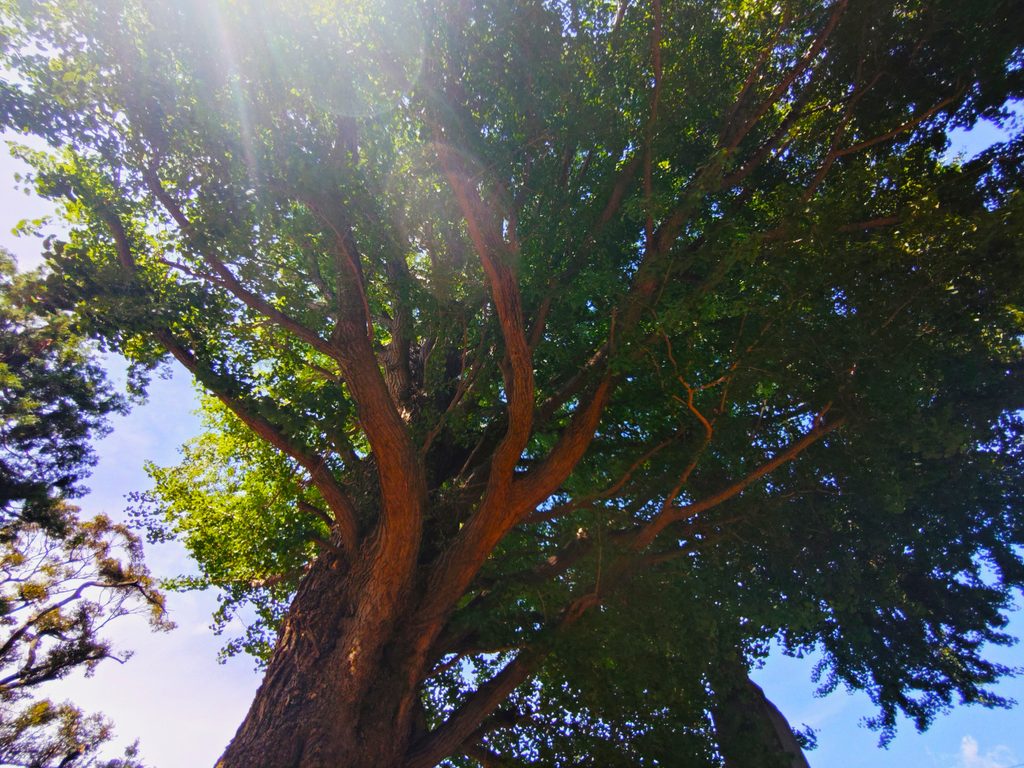
Having witnessed the entire turbulent era during which Noda’s soy sauce brewing reached its peak, this giant tree can truly be called a “living witness of history.”
【Noda City Museum & Former Saheiji Mogi Residence On-Site Stroll Report & Evaluation】
Noda City Museum, Former Saheiji Mogi Residence & Kinpoden Honsha On-Site Review & Evaluation Score
| Evaluation Category | Score | Key Features / Highlights |
|---|---|---|
| Accessibility | (4.5) | About an 8–10 minute walk from “Noda-shi Station” on the Tobu Urban Park Line. Excellent accessibility with free parking available. |
| Highlights & Satisfaction | (3.5) | Conveniently combines a tour of the Taisho-era residence and garden (used as the Civic Hall) with historical displays on soy sauce brewing. |
| Views & Scenery | (3.5) | A scenic spot where you can enjoy the tasteful atmosphere of a tranquil Japanese garden and modern Japanese-style architecture. |
| Ease of Walking & Facilities | (3.5) | Well-maintained as a museum and civic hall, featuring flat, easy-to-walk grounds fully equipped with resting spots. |
| Tranquility & Refreshment | (3.5) | Located in an urban area yet offering a soothing, peaceful space surrounded by wooden architecture and gardens. |
| Openness & Nature | (3.0) | A location where you can enjoy the atmosphere of a well-manicured Japanese garden rather than vast natural scenery. |
*A historical spot integrating the Saheiji Mogi Residence (Civic Hall) and Japanese garden associated with the founding family of Kikkoman, a local museum conveying Noda’s brewing culture, and the Kinpoden Honsha enshrined as a private mansion shrine.
【On-Site Report | Personal Impressions and Atmosphere】
It was a highly satisfying spot tightly packed with Japanese beauty from the Taisho to Showa eras, as well as Noda’s industrial history. Gathering together on the same grounds are the prestigious modern Japanese-style architecture and garden of the Former Saheiji Mogi Residence (a Registered Tangible Cultural Property of Japan), the local museum where you can delve deep into the history of soy sauce brewing, and the mansion shrine Kinpoden Honsha (Kinpo Shrine) associated with Kikkoman. I felt it offers great visual appeal as a cultural asset and holds immense historical value. Combining your visit with Sakuragi Shrine would make for a truly fulfilling trip.
【Nearby Sightseeing Spots to Visit Together】
Sakuragi Shrine, Komaki Suwa Shrine, Chokoku-zan Hondoji Temple, Tozenji Temple, Kashiwa Shrine, Fuse Benten Tokaiji Temple
![20260830 142523498 520x300 - Noda City Museum, Former Saheiji Mogi Residence & Kinpoden Honsha [Chiba]](https://japan-shrine.info/wp-content/uploads/20260830_142523498-520x300.jpg "Noda City Museum, Former Saheiji Mogi Residence & Kinpoden Honsha [Chiba]")
![20260808 094247721 2 520x300 - Noda City Museum, Former Saheiji Mogi Residence & Kinpoden Honsha [Chiba]](https://japan-shrine.info/wp-content/uploads/20260808_094247721-2-520x300.jpg "Noda City Museum, Former Saheiji Mogi Residence & Kinpoden Honsha [Chiba]")
![20260808 115733876 2 520x300 - Noda City Museum, Former Saheiji Mogi Residence & Kinpoden Honsha [Chiba]](https://japan-shrine.info/wp-content/uploads/20260808_115733876-2-520x300.jpg "Noda City Museum, Former Saheiji Mogi Residence & Kinpoden Honsha [Chiba]")
![20260808 1051005753 520x300 - Noda City Museum, Former Saheiji Mogi Residence & Kinpoden Honsha [Chiba]](https://japan-shrine.info/wp-content/uploads/20260808_1051005753-520x300.jpg "Noda City Museum, Former Saheiji Mogi Residence & Kinpoden Honsha [Chiba]")
【Basic Information & Access】
【Access by Train / Car and Parking】
*Free parking available
370-8 Noda, Noda City, Chiba Prefecture 278-0037
![931bf3b67ab88d3131322c038e40bce0 - Noda City Museum, Former Saheiji Mogi Residence & Kinpoden Honsha [Chiba]](https://japan-shrine.info/wp-content/uploads/sng/931bf3b67ab88d3131322c038e40bce0.jpg "Noda City Museum, Former Saheiji Mogi Residence & Kinpoden Honsha [Chiba]")