 Kanata's Japan Shrine Guide

目次
- 【Overview & History of Kiyomizu Kannon-do Temple】
- 【Highlights & Recommended Worship Route of Kiyomizu Kannon-do Temple】
- 【Kiyomizu Kannon-do Temple Goshuin】
- 【Kiyomizu Kannon-do Temple On-Site Visit Report & Original Evaluation】
- 【Nearby Sightseeing Spots to Visit Together】
- 【Basic Information & Access】
【Overview & History of Kiyomizu Kannon-do Temple】
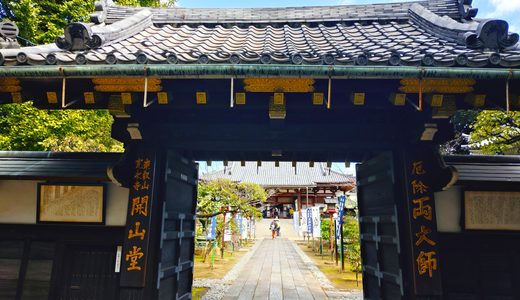
Located inside Ueno Onshi Park in Taito Ward, Tokyo, Kiyomizu Kannon-do Temple (Kiyomizu Kannon-do) is an Important Cultural Property belonging to Kanei-ji Temple. Overlooking Shinobazu Pond from its elevated stage, it is also famous for its reconstructed “Moon Pine” (Tsuki no Matsu)—originally depicted in the famous ukiyo-e print series One Hundred Famous Views of Edo by Edo-period artist Utagawa Hiroshige. It is a highly popular power spot steeped in rich Edo atmosphere.
【History & Origins】An Important Cultural Property Hall Built in the Edo Period to Model Kyoto’s Kiyomizu-dera Temple
Kiyomizu Kannon-do was founded in 1631 (Kanei 8) by Abbot Tenkai (Jigan Daishi), the founder of Kanei-ji Temple. Serving as the chief strategist for the Tokugawa Shogunate at the time, Tenkai was executing a grand urban design scheme (mitate) to “replicate the spiritual power of Kyoto’s prominent temples, shrines, and famous sights entirely within the city of Edo.” After building “Toeizan Kanei-ji Temple” in Ueno to mirror Mount Hiei’s Enryaku-ji Temple and creating Shinobazu Pond to mirror Lake Biwa, Tenkai next sought to recreate the historic Kiyomizu-dera Temple of Kyoto’s Higashiyama district in Edo.
The shrine began when he likened the hillside of Ueno to Kyoto’s Higashiyama, welcomed a transferred replica image (utsushi-honzan) of the Senju Kannon (Thousand-Armed Kannon) from the original Kiyomizu-dera, and constructed a hall featuring a stage-style architecture. When first founded, it stood near the present-day Ueno Daibutsu (near Suribachiyama Burial Mound). However, in 1694 (Genroku 7) under the 5th Shogun Tokugawa Tsunayoshi, a major urban project began to construct Kanei-ji’s main head hall, the “Kompon Chudo.”
 Kanei-ji Temple [Tokyo]
Due to this construction, Kiyomizu Kannon-do was carefully relocated in its original architectural form to its present location (on the cliffside very close to the Statue of Saigo Takamori). The existing building is a precious structure that carries the appearance of this Genroku-era relocation into the present day, designated as a National Important Cultural Property.
【Principal Image & Divine Blessings】Divine Virtues of Conception, Safe Delivery, and Warding Off Evil Granted by Senju Kannon Bosatsu
The principal deity is a secret Buddha (hibutsu), Senju Kannon Bosatsu (Thousand-Armed Kannon), welcomed from Kiyomizu-dera in Kyoto.
- Prayers for Conception & Safe Delivery: Many couples wishing for children and pregnant women praying for a safe delivery visit to worship. During the Edo period, a custom arose of dedicating dolls in gratitude for being blessed with children, which has evolved into today’s “Doll Funeral / Memorial Services” (Ningyo Kuyo).
- Ancestral Prosperity & Children’s Healthy Growth: It bestows blessings for “child-rearing,” praying that newborn children grow up healthy and free from illness.
- Fulfillment of All Wishes (Heart’s Wishes): Because Senju Kannon uses “a thousand hands and a thousand eyes” to find all people’s suffering and grant salvation for any prayer, the deity basically extends a helping hand for all desires (including warding off evil, bringing good fortune, and household safety).
【Highlights & Recommended Worship Route of Kiyomizu Kannon-do Temple】
【Stage (Kake-zukuri)】Edo Craftsmanship Recalling Kyoto’s Kiyomizu-dera and Grounds Overlook
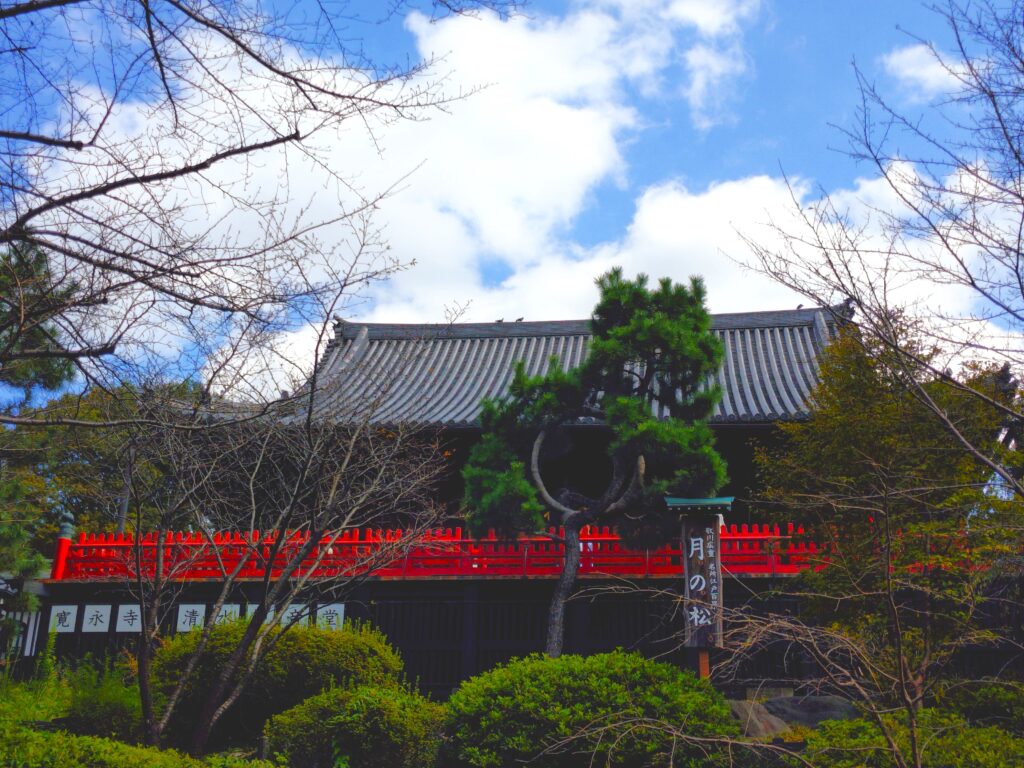
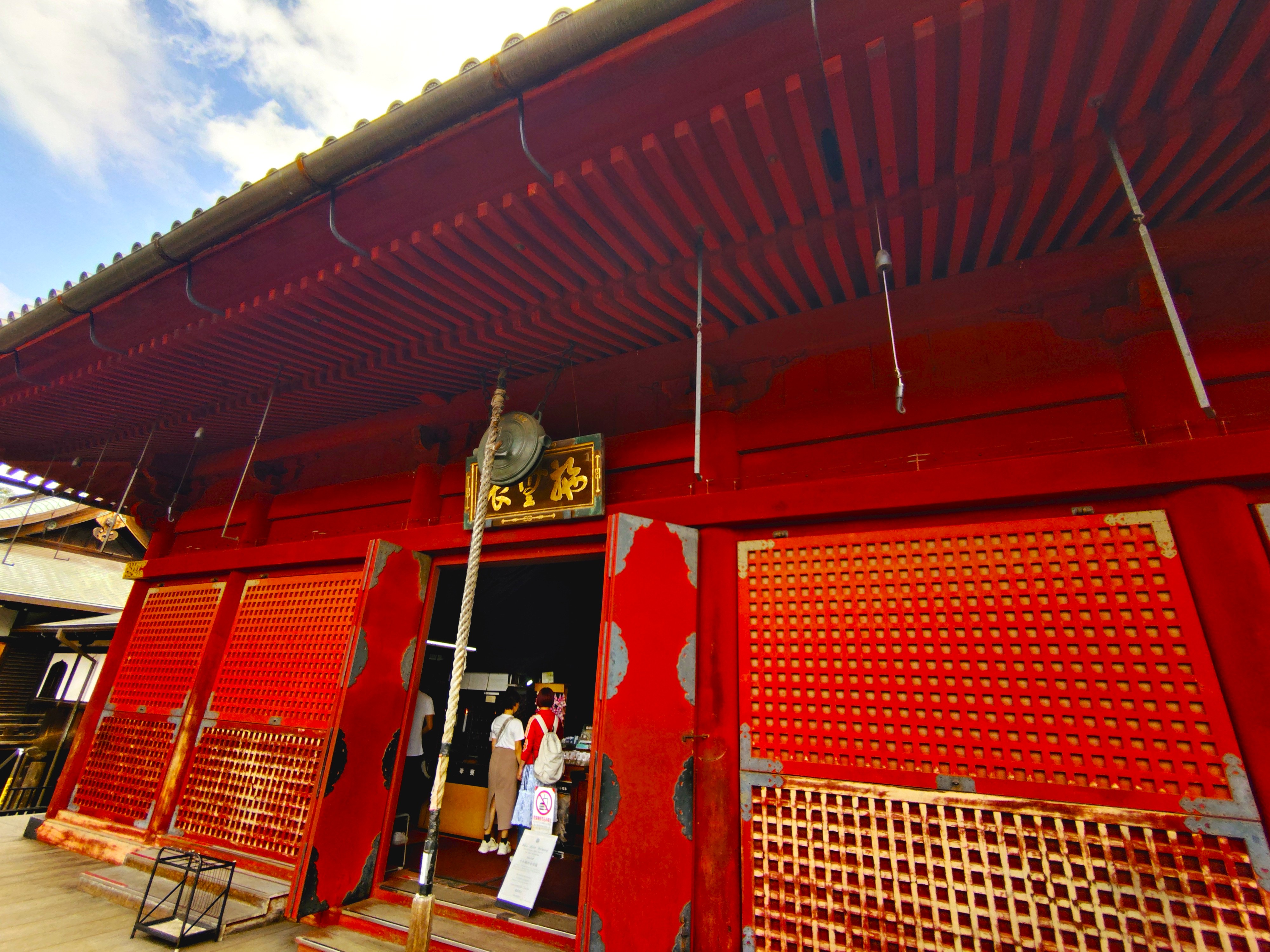
Extending prominently from the front of the hall, the large “Stage” (butai) is built using the same traditional technique as Kyoto’s Kiyomizu-dera: “Kake-zukuri” (overhanging wooden framework), assembling pillars without using a single nail. Standing proudly on the slope, the vibrant vermilion-lacquered hall offers beauty and an open sense of freedom, whether looking up from below or standing on the stage feeling the breeze.
【Moon Pine (Tsuki no Matsu)】Miraculous Sculptural Beauty Depicted in Utagawa Hiroshige’s Ukiyo-e One Hundred Famous Views of Edo
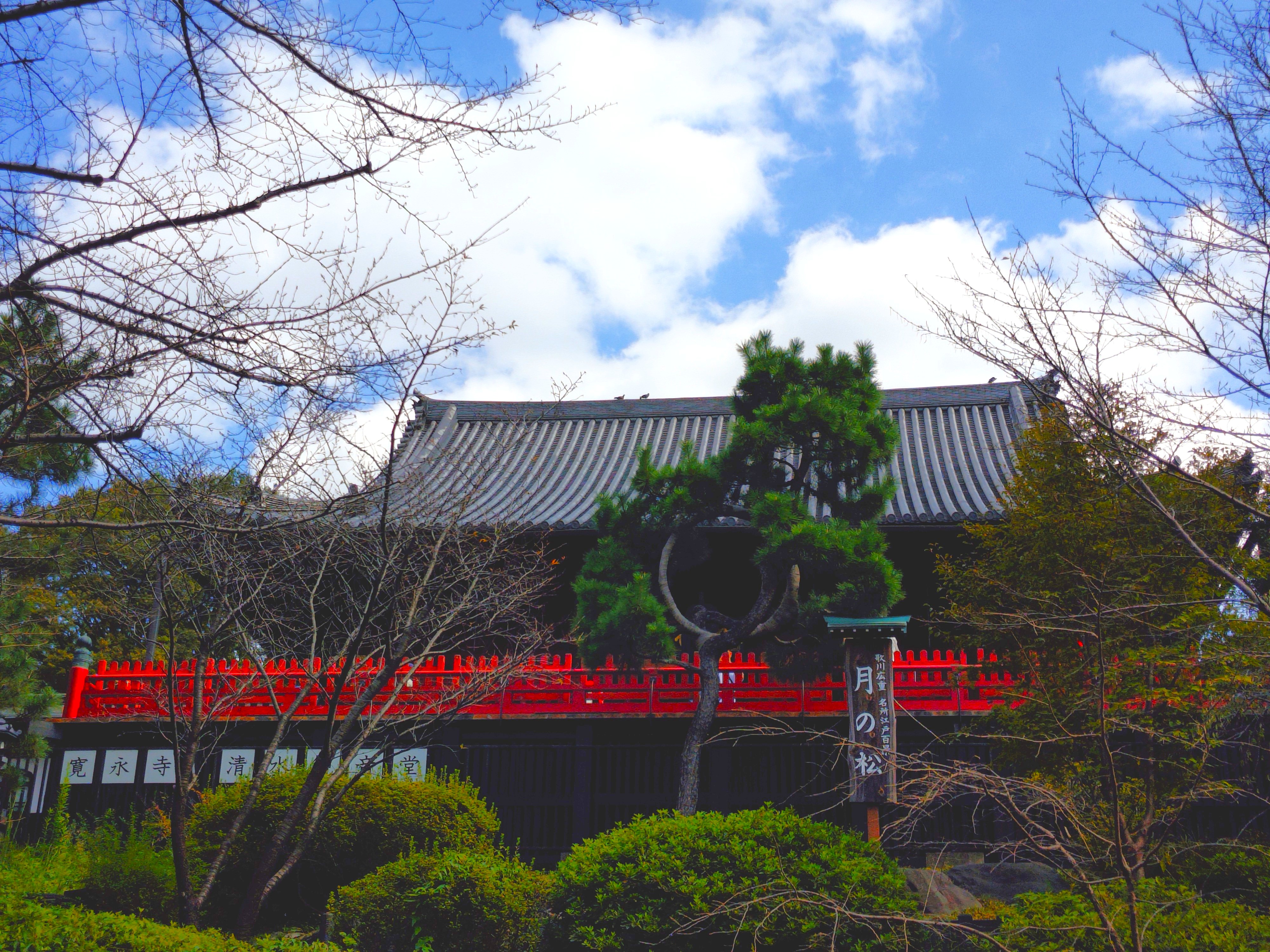
Right in front of the stage stands a peculiar pine tree whose branches have been carefully trained to form a perfectly round circle.
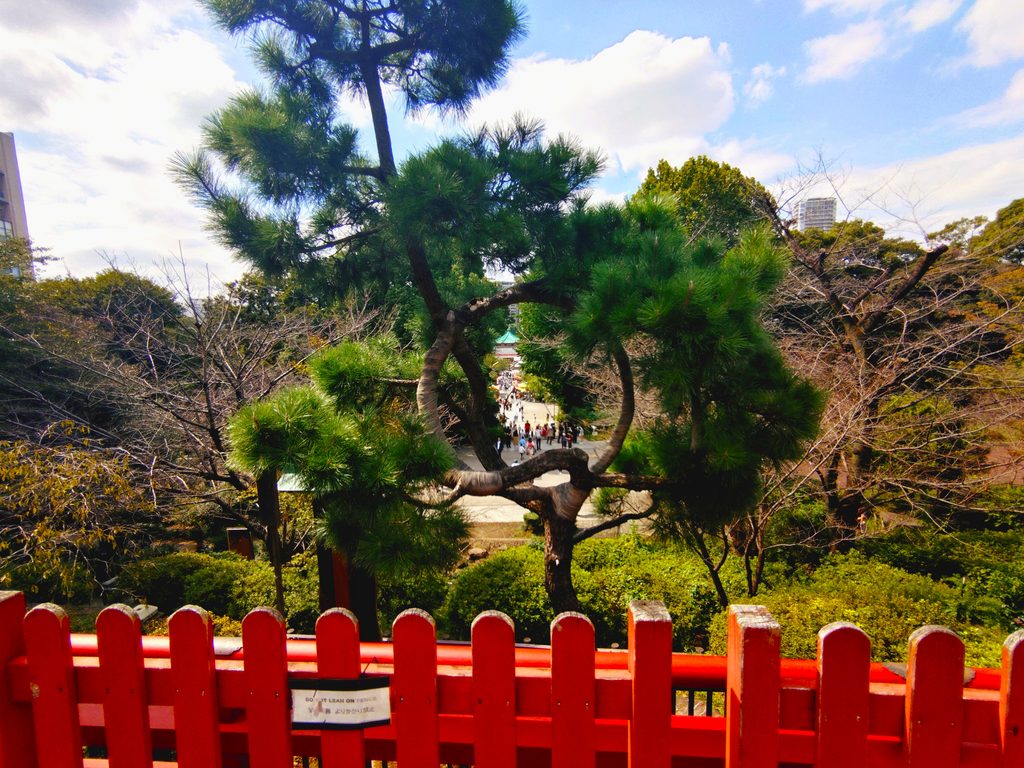
It became an instant Edo celebrity attraction after being drawn by the genius Edo-period ukiyo-e artist Utagawa Hiroshige in his One Hundred Famous Views of Edo. Though lost once to a Meiji-era typhoon, it was brilliantly restored in 2012 after 150 years using modern landscaping technology.
 Shinobaz Pond Benten Temple [Tokyo]
Looking down through this “Moon Ring” (circle) from atop the stage toward the Bentendo Hall in Shinobazu Pond provides the absolute best angle—exactly identical to what Edo commoners once viewed.
【Main Hall】Important Cultural Property Design Carrying Kanei Era Features into the Present
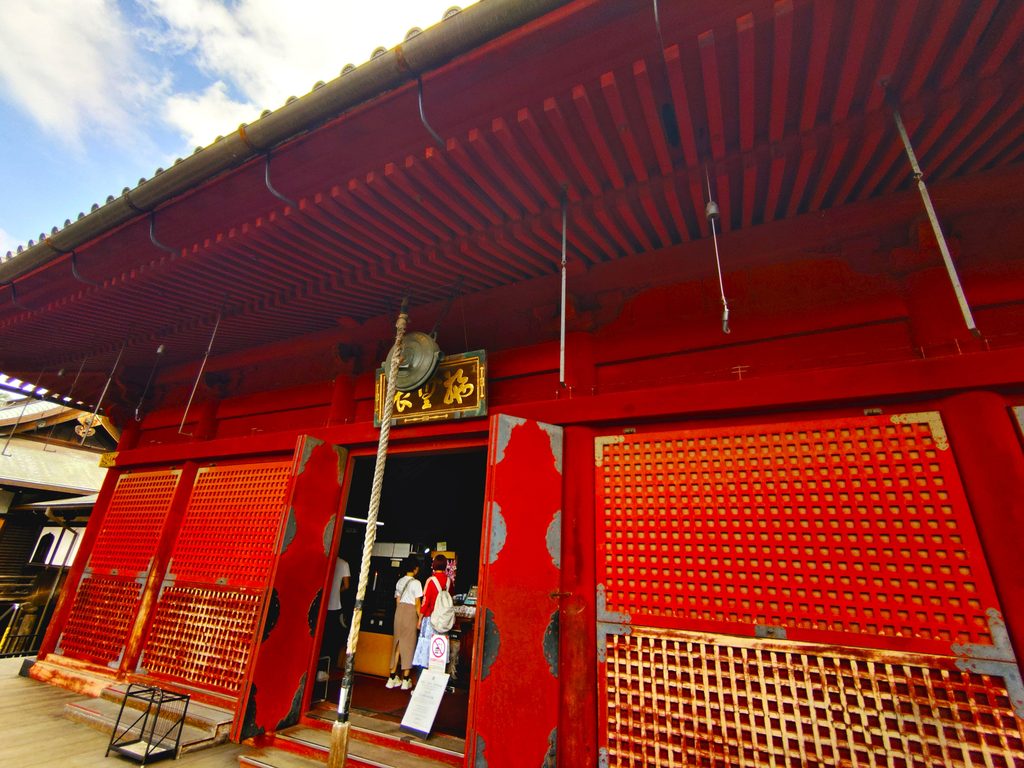
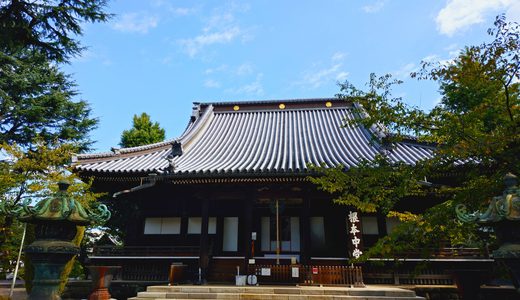
The Main Hall is an architectural masterpiece strongly retaining the traditional “stage style” (kake-zukuri) representative of the early Edo period modeled after Kyoto’s Kiyomizu-dera. Since being relocated to its current site in 1694 (Genroku 7), it has miraculously survived the Battle of Ueno, numerous major fires, and earthquakes, holding immense charm as the oldest surviving structure inside Ueno Park. Today, it is designated as a National Important Cultural Property.
【Kiyomizu Kannon-do Temple Goshuin】
【Kiyomizu Kannon-do Temple On-Site Visit Report & Original Evaluation】
Kiyomizu Kannon-do Temple On-Site Review & Evaluation Score
| Evaluation Category | Score | Key Features / Highlights |
|---|---|---|
| Accessibility | (5.0) | Outstanding location, about a 5-minute walk from the Park Exit or Shinobazu Exit of JR and Tokyo Metro “Ueno Station,” situated right near the Statue of Saigo Takamori. |
| History & Heritage | (4.0) | Founded in 1631 (Kanei 8) by Abbot Tenkai. The stage-style hall modeled after Kyoto’s Kiyomizu-dera is a historic site designated as a National Important Cultural Property. |
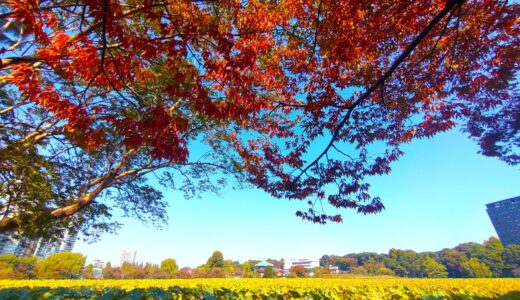
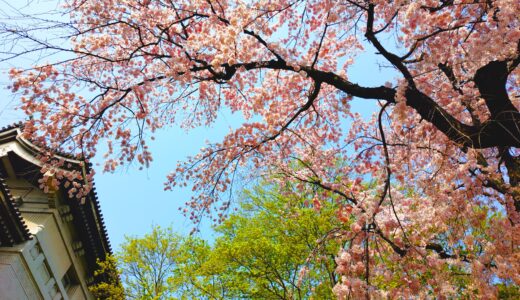
| Nature & Scenery | (3.0) | An atmospheric scenic spot featuring a view looking down on Shinobazu Pond from the stage, the peculiar “Moon Pine” depicted in ukiyo-e prints, and seasonal cherry blossoms and autumn foliage. |
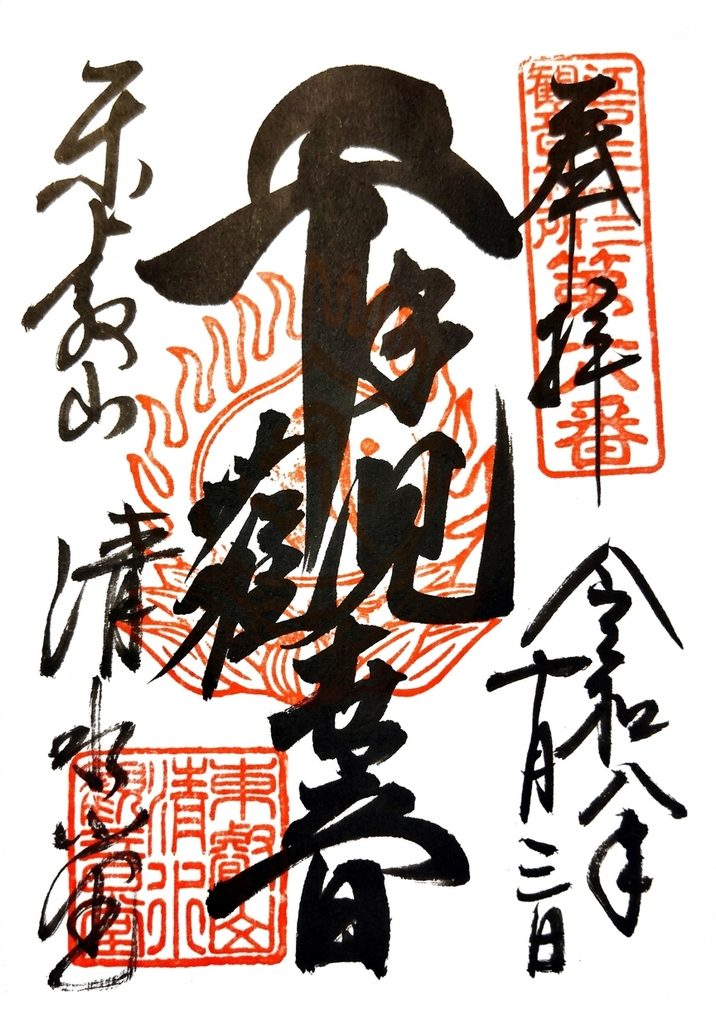
| Goshuin Variety | (2.0) | Goshuin for the principal deity “Senju Kanzeon Bosatsu” and the Edo 33 Kannon Pilgrimage are issued (limited-edition seals available depending on the season). |
| Scale & Grounds | (1.5) | A compact hall-scale site bringing together the stage-style main hall overhanging the slope, the Moon Pine, and the Shuisoku-zakura (autumn-color cherry tree) on the grounds. |
| Tranquility | (1.0) | Located on the main thoroughfare of Ueno Park, it is constantly very lively with domestic and international tourists, worshipers, and park visitors. |
【On-Site Report | Personal Impressions and Atmosphere】
Kiyomizu Kannon-do was a hall where you could do far more than just inspect a historical building; you could experience the ukiyo-e view framed through the “Moon Pine” and touch the continuing gentleness of its doll memorial services. It is a fantastic spot that could be called the “heart” of Ueno’s history—far too precious to simply pass by after viewing Saigo Takamori’s statue. On a clear day, be sure to take in the view from the stage from the exact same perspective as Hiroshige.
【Nearby Sightseeing Spots to Visit Together】
Moto-Mishima Shrine, Ono Terusaki Shrine, Tokyo National Museum, Ueno Toshogu Shrine, Hanazono Inari & Gojo Tenjin Shrine, Shinobazu Pond Bentendo, Toeizan Kanei-ji Temple


【Basic Information & Access】
【Access by Train / Car and Parking】
*No parking available.
1-29 Ueno Park, Taito Ward, Tokyo 110-0007