 Kanata's Japan Shrine Guide

【Overview & History of Ueno Daibutsu】
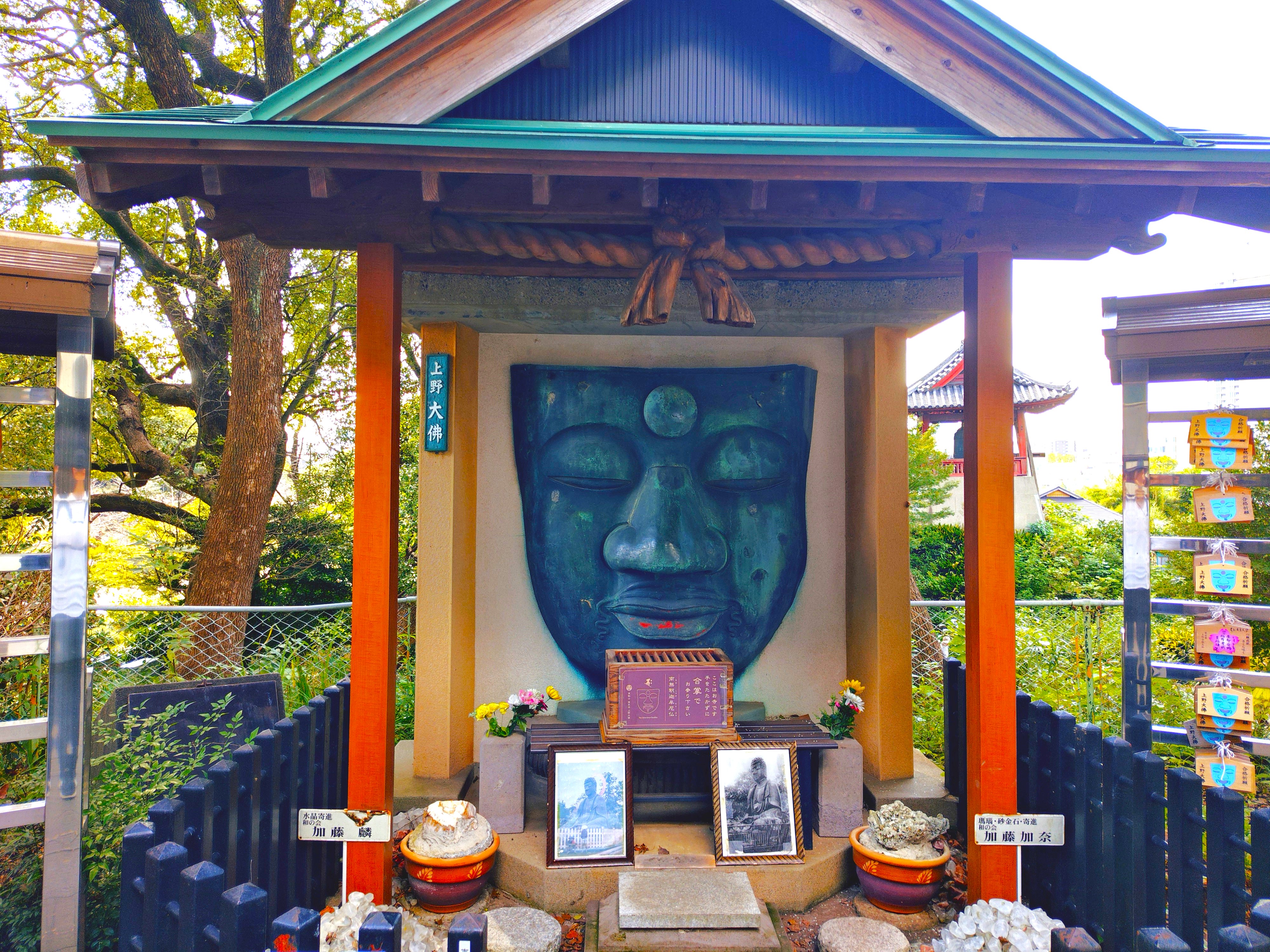
Located atop Daibutsu-yama in Ueno Onshi Park, Taito Ward, Tokyo, the Ueno Daibutsu (Great Buddha of Ueno) is a premier power spot visited by students and worshipers from all over Japan praying for examination success and career achievements. This popularity stems from the historical story of its head dislodging during the Great Kanto Earthquake (1923), giving rise to the uplifting wordplay that “it cannot fall any further.”
【History & Origins】Built in the Edo Period, the “Unfallable Buddha” That Overcame Endless Disasters
The origin of Ueno Daibutsu dates back to 1631 (Kanei 8), when it was first constructed by Naoyori Hori, the lord of the Murakami Domain in Echigo Province. Initially crafted from plaster, it suffered damage and underwent repeated rebuilds due to frequent earthquakes and fires. By the late Edo period, it had become a bronze statue standing approximately 6 meters tall. However, it suffered severe damage during the Great Kanto Earthquake of 1923 (Taisho 12), which caused its head to fall off. Furthermore, during World War II, its body section was requisitioned under the Metal Requisition Order, leaving only the face preserved in its present form.
【Principal Image & Divine Blessings】Divine Virtues of Exam Success and Academic Achievement Granted by Shaka Nyorai
The principal deity enshrined here is Shaka Nyorai (Shakyamuni Buddha).
- Main Divine Blessings: Success in Examinations, Academic Achievement, Career/Employment Success, Promotion & Advancement, Success in Life.
Originally, it was a grand bronze seated statue standing about 6 meters tall. However, through repeated earthquakes and fires in the Edo period, followed by the Great Kanto Earthquake that dislodged its head, and the wartime metal requisition that claimed most of its body, the statue lost almost its entire physical form. - Today, only the remaining face portion is enshrined in a relief format. From this tumultuous history, a positive meaning emerged: “there is no way for it to fall any further (the head can no longer fall).” As a result, it became immensely revered by students preparing for exams and job seekers as a Buddha of “unfallable success” and “invincibility.”
【Highlights & Recommended Worship Route of Ueno Daibutsu】
“Ueno Daibutsu (Daibutsu-yama)” is situated atop a small hill (Daibutsu-yama) in the southern portion of Ueno Onshi Park, just north of Ueno Seiyoken.
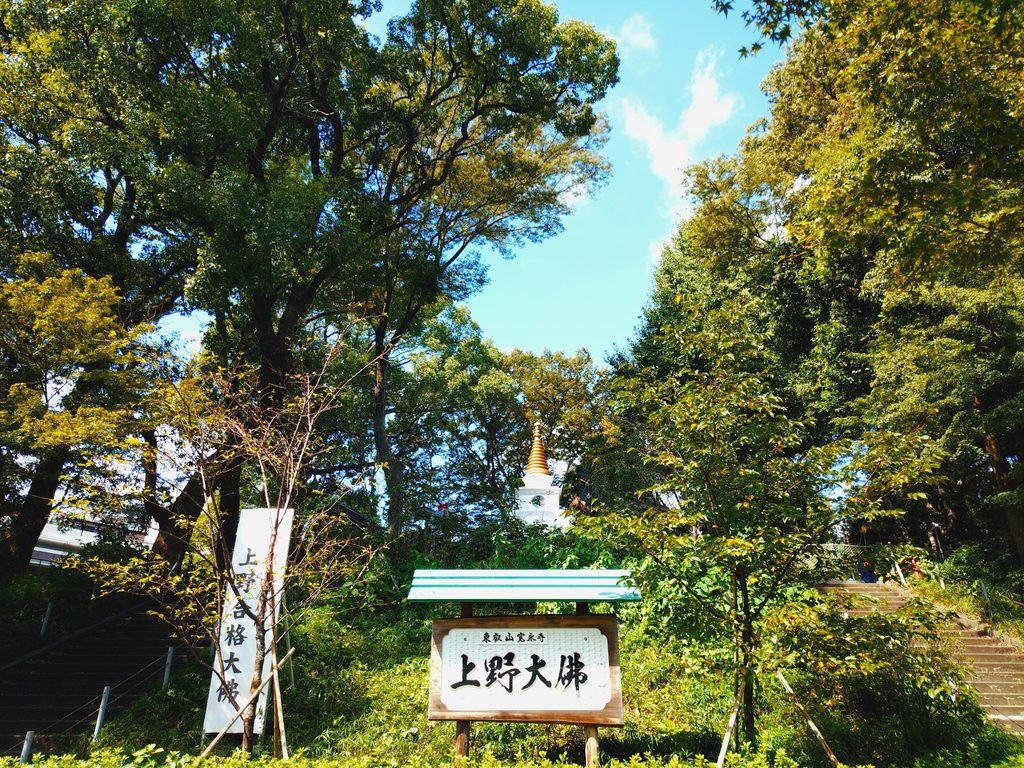
- Exit from the “Park Exit” of JR Ueno Station and walk straight toward the direction of Tokyo Bunka Kaikan and the National Museum of Western Art.
- Turn left (southbound, toward the Statue of Saigo Takamori and Shinobazu Pond) at the end of the path (just before Takenodai Plaza and the Fountain Plaza).
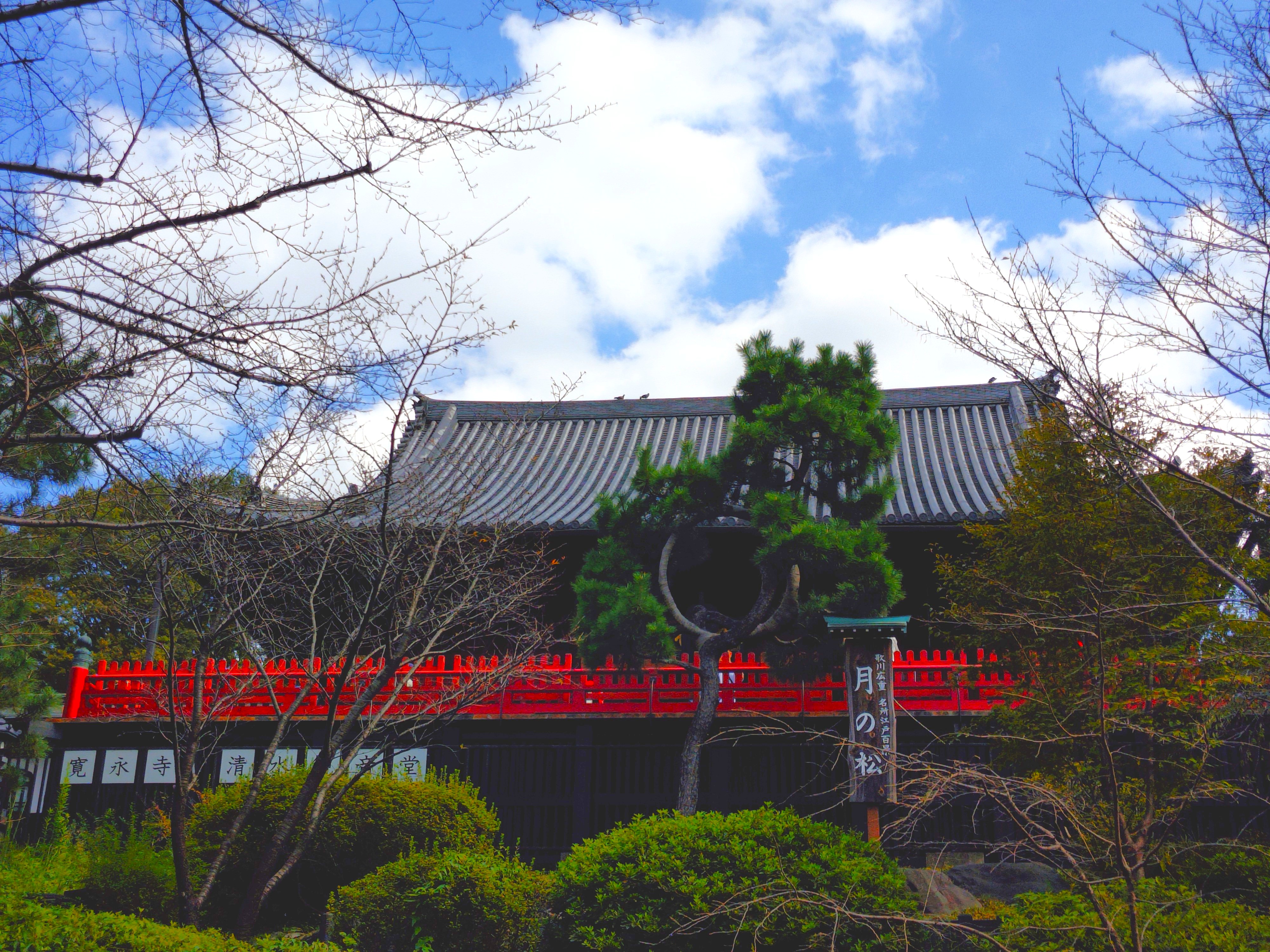
- Proceeding forward, you will see the path leading to “Ueno Seiyoken” on your right and “Kiyomizu Kannon-do” on your left.
- Near the middle point, a flight of stairs appears leading up a small, tree-covered hill (Daibutsu-yama). Climbing these stairs brings you directly to the remaining face of Ueno Daibutsu and the white Pagoda.
【Ueno Daibutsu】The Face of the Great Buddha Cherished for Exam Success as “It Cannot Fall Any Further”
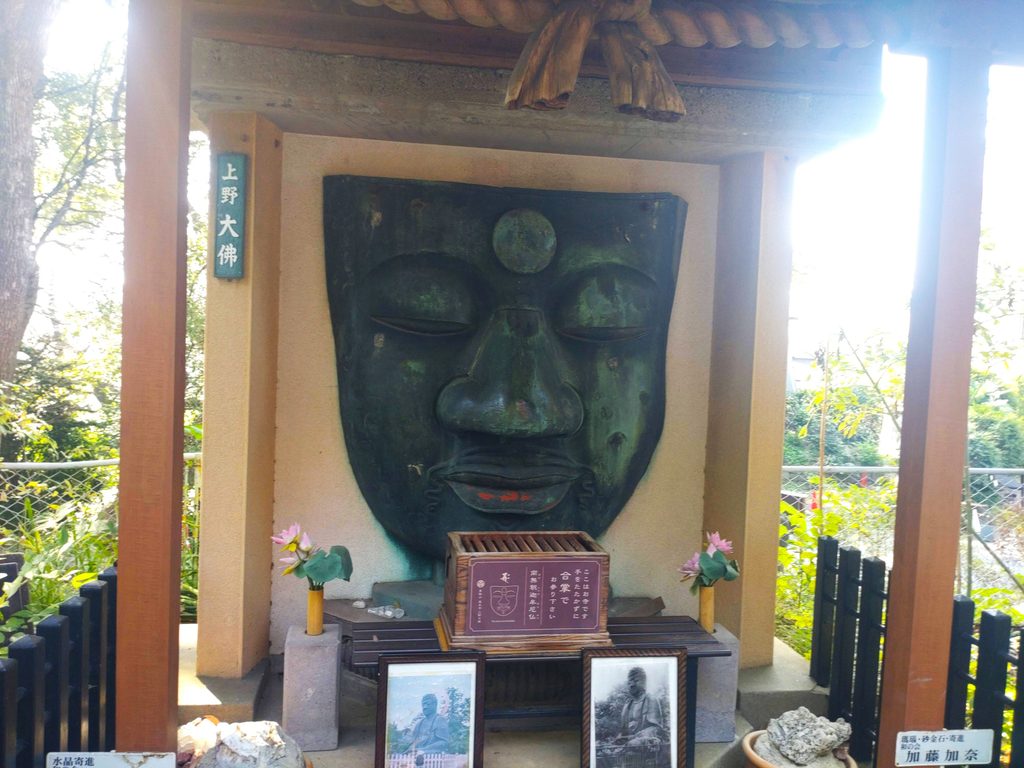
While the dislodged head and the body stored at Kanei-ji Temple were kept as they were for a period, only the “front facial component” escaped wartime metal requisition and remained on hand. As a result, the “actual face of a historically massive Great Buddha” is displayed on the wall today.
【Pagoda (Yakushi-do)】A Buddhist Pagoda Adjacent to the Buddha Enshrining Yakushi Nyorai and Nikko/Gakko Bosatsu
After the war, in 1967 (Showa 42)—coinciding with the 50th memorial year of the Great Kanto Earthquake—the Ueno Tourism Association served as the primary sponsor to erect a Pagoda on the former site of the Ueno Daibutsu (where its body once stood). This Pagoda (Buddhist tower) was built as a symbol of prayer for restoration, expressing the hope that “someday the Great Buddha may be rebuilt.”
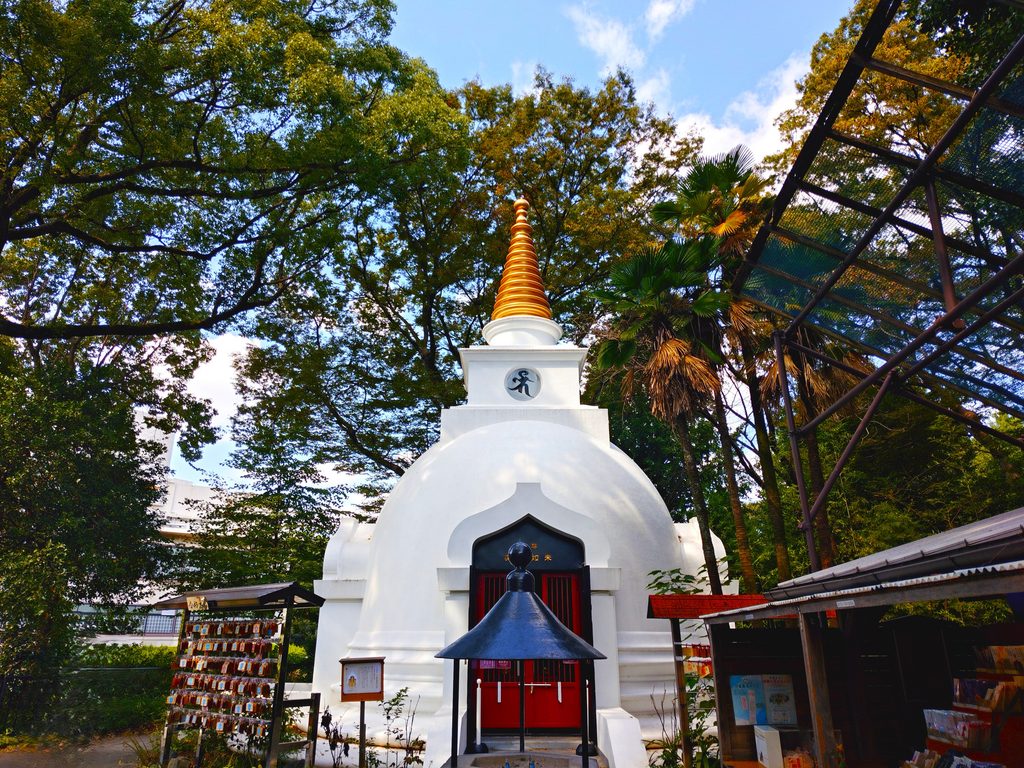
Inside the Pagoda, the Yakushi Triad (Yakushi Sanzon-zo) is enshrined.
 Ueno Toshogu Shrine【Tokyo】
These statues were relocated here from the “Yakushi-do Hall” that originally stood on the grounds of Ueno Toshogu Shrine prior to the Meiji-era separation of Shinto and Buddhism (Shinbutsu-bunri). Note that the original Yakushi-do Hall was destroyed and no longer exists.
【Walk & Preservation of Ueno Daibutsu】History and Future Transmitted to the Present Through Earthquakes and Wartime Requisition
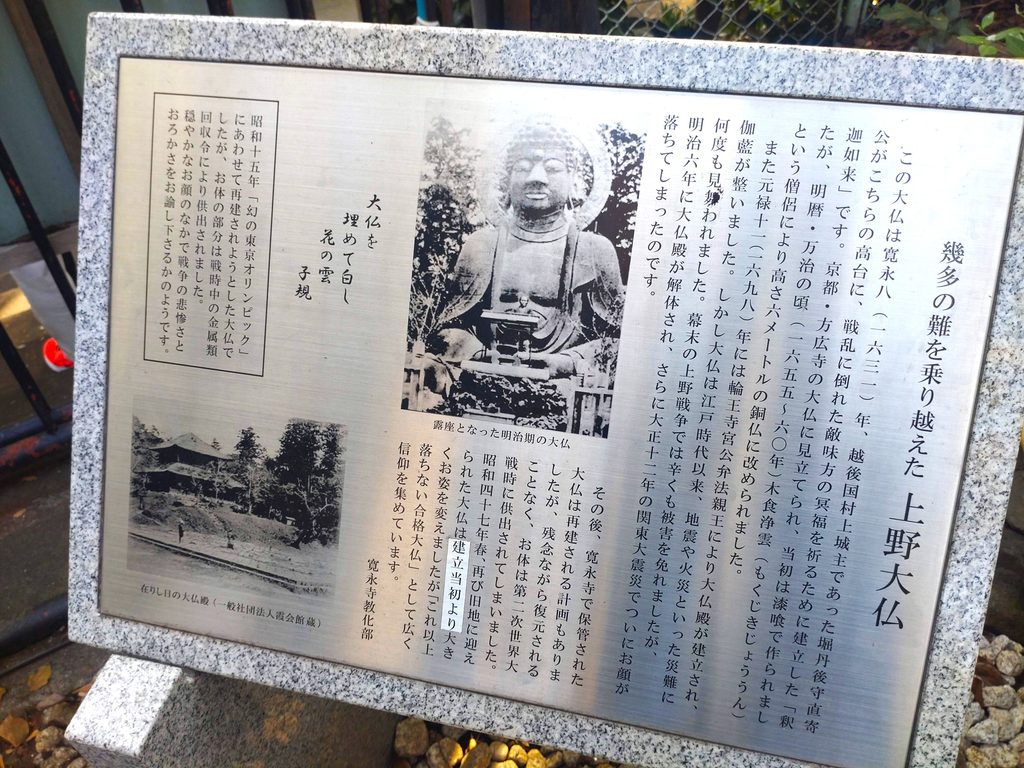
Recasting a new 6-meter Great Buddha from scratch after the war would have required astronomical costs. More importantly, however, since the Heisei era, the compelling story that “even after losing its body, the face miraculously remained, meaning it cannot fall any further” became famous nationwide as a “power spot for exam success (the Exam-Passing Buddha).”
Because of this, the unique form itself—comprising “the facial relief and the Pagoda”—is now a cultural property that tells the history of Ueno and has established itself as an active form of faith saving many students. Consequently, there appears to be little need to restore it to its original complete appearance.
【Ueno Daibutsu On-Site Visit Report & Evaluation】
Ueno Daibutsu On-Site Review & Evaluation Score
| Evaluation Category | Score | Key Features / Highlights |
|---|---|---|
| Accessibility | (5.0) | Outstanding location, about a 5-minute walk from the Park Exit of JR and Tokyo Metro “Ueno Station,” situated on Daibutsu-yama (a small hill) inside Ueno Onshi Park. |
| Tranquility | (3.0) | Though surrounded by the bustle of Ueno Park with a steady stream of exam-takers and tourists, the hilltop grounds are surrounded by trees and relatively calm. |
| History & Heritage | (3.0) | Erected in 1631 (Kanei 8). A famous Edo spot passed down with the legend of “it cannot fall any further,” having survived repeated earthquakes, fires, and wartime metal requisition. |
| Nature & Scenery | (3.0) | Wrapped in the greenery of Daibutsu-yama, it presents a unique and atmospheric historic landscape featuring the Pagoda (Buddhist tower), the face enshrined on the wall, and votive tablet (ema) racks. |
| Goshuin Variety | (2.0) | Goshuin for Ueno Daibutsu (Shaka Nyorai) and the adjacent Pagoda Yakushi-do are issued (receivable at nearby Kiyomizu Kannon-do). |
| Scale & Grounds | (1.0) | A compact shrine ground atop a small hill called Daibutsu-yama. A small-scale historic site with no body section, featuring only the facial relief and small hall. |
【On-Site Report | Personal Impressions and Atmosphere】
The large face of the Great Buddha suddenly appearing on the wall of the Pagoda (Buddhist tower) amid lush greenery makes a powerful visual impact. While its body was lost due to repeated disasters and war, it is now dearly loved as a power spot for passing exams because “it cannot fall any further.” I think this positive transformation of perspective is wonderful. It is a spot everyone should visit to feel the rich history of Ueno and the strength of people’s prayers.
【Nearby Sightseeing Spots to Visit Together】
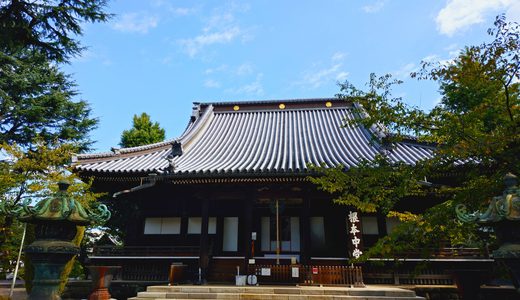
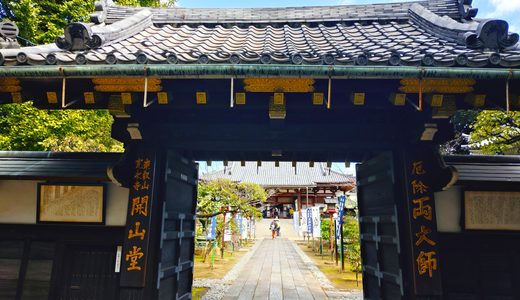
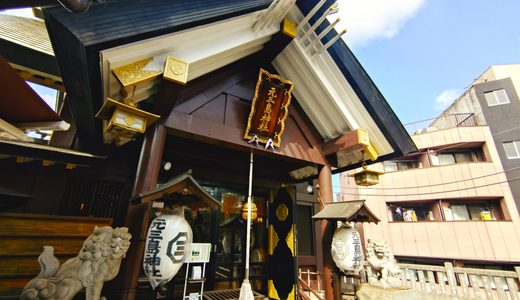
Moto-Mishima Shrine, Kaisan-do Hall, Ono Terusaki Shrine, Tokyo National Museum, Ueno Toshogu Shrine, Hanazono Inari & Gojo Tenjin Shrine, Shinobazu Pond Bentendo, Toeizan Kanei-ji Temple


【Basic Information & Access】
【Access by Train / Car and Parking】
*No parking available.
4-8 Ueno Park, Taito Ward, Tokyo