 Kanata's Japan Shrine Guide

【Overview & History of Ohi Shrine】
Located in Miyamoto, Funabashi City, Chiba Prefecture, Ohi Shrine (Ohi Jinja) is widely and affectionately known by its common name, “Funabashi Daijingu.” It is the oldest and largest prestigious ancient shrine in the Funabashi region.
【History & Origins】An Ancient Shrine in Funabashi Boasting Roughly 1,900 Years of History from the Legend of Yamatotakeru-no-Mikoto’s Eastern Expedition
According to shrine legend, in 110 AD (the 40th year of Emperor Keiko’s reign), Prince Yamatotakeru-no-mikoto visited this region during his campaign to pacify the eastern provinces (Tosei). At that time, the area was suffering from a severe drought; when Yamatotakeru-no-mikoto prayed to Amaterasu Omikami of Ise, rain fell upon the land, and the eastern provinces were successfully pacified. Out of gratitude for this divine blessing, Yamatotakeru-no-mikoto enshrined the sacred mirror he carried with him at this site, marking the beginning of the shrine.
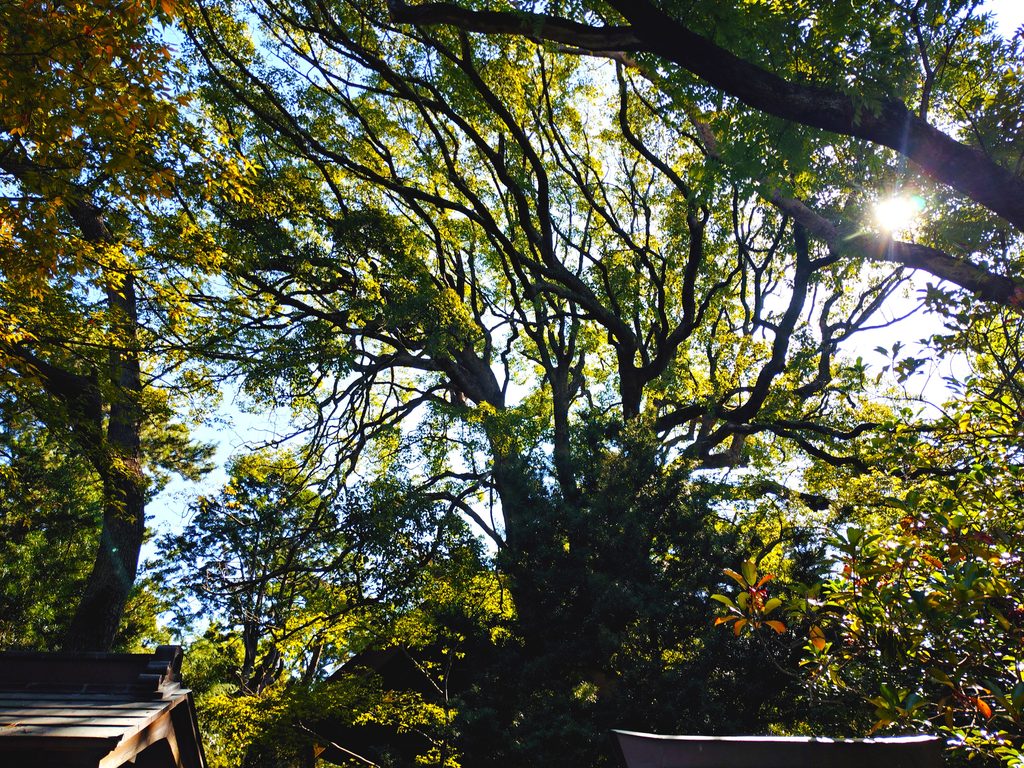
The Heian-period historical chronicle Nihon Sandai Jitsuroku (863 AD / Jogan 5) contains an entry stating that “Ohi-no-kami of Shimousa Province was granted official government shrine status (kansha).” This represents the earliest official appearance of the place name “Funabashi” in historical records, demonstrating that it served as a central hub of the region since ancient times. Listed in the Engishiki Jinmyocho compiled in 927 AD (Encho 5), it became a prestigious shrine officially recognized by the imperial court (Shikinai-sha).
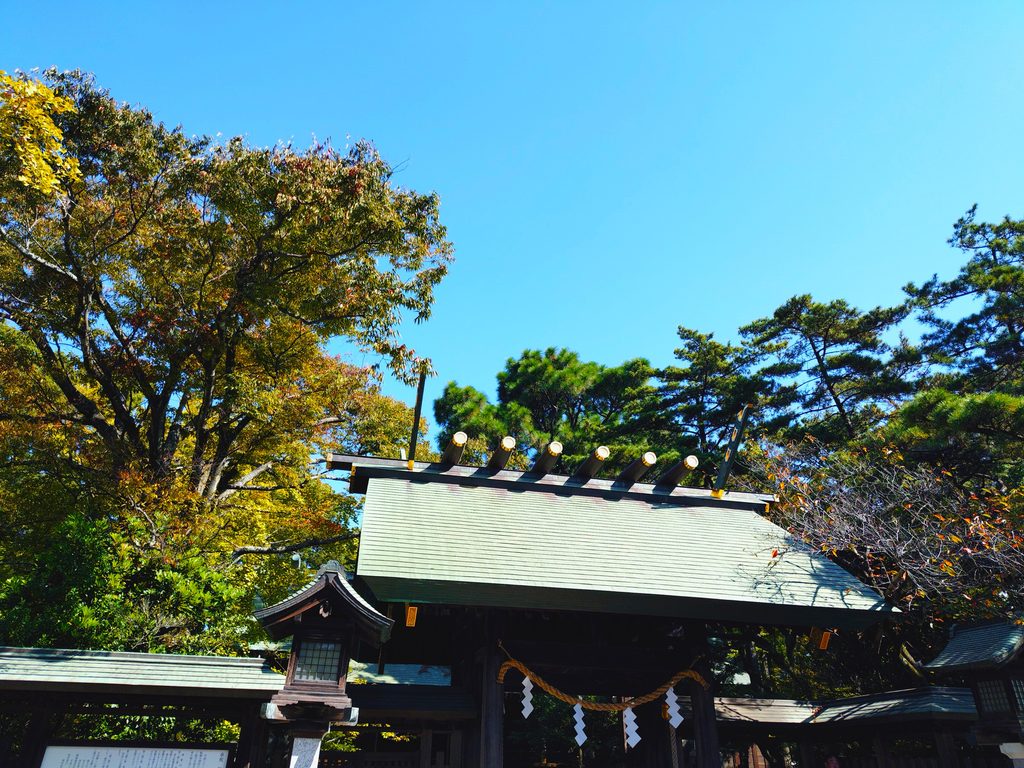
From the late Heian period through the Kamakura and Muromachi periods, the shrine gathered deep devotion from powerful military commanders of eastern Japan. In addition to being revered by Taira no Masakado, Minamoto no Yoritomo is said to have visited the shrine to pray for victory and donated territories when he raised an army to overthrow the Taira clan. From the medieval period onward, the establishment of a Mikuriya (sacred estate serving as an economic base for Ise Jingu) in this area further strengthened its ties with Ise Jingu, turning it into a regional center of faith known as “Funabashi Daijingu” and the “Foremost Spiritual Shrine of Shimousa Province.”
In 1868 (Keio 4), during the Boshin War (Battle of Funabashi) at the end of the Edo period, former Shogunate forces (the Teppei-tai troops) used this shrine as their field headquarters, drawing heavy attacks from the new Meiji government forces. As a result of fierce fighting, almost all of the historic shrine buildings, including the Main Hall, burned down completely, though they were rebuilt in 1875 (Meiji 8) through the passionate dedication of parishioners and local residents.
【Enshrined Deities & Divine Blessings】Virtues of Good Fortune and Business Prosperity Granted by Amaterasu Omikami
The primary enshrined deity is Amaterasu Omikami (Amaterasu Sume-Omikami), accompanied by Yorozuhata-toyoakitsushihime-no-mikoto and Ame-no-tajikarao-no-mikoto as associate deities.
- Good Fortune & Warding Off Evil: The sun deity “Amaterasu Omikami” dispels all calamities and elevates overall luck in life.
- Household Safety: Safeguards families so they can live in good health and peace without illness.
- Business Prosperity & Enterprise Success: Brings enhanced “career luck and advancement luck” blessed by the power of Tokugawa Ieyasu, alongside local commercial prosperity.
- Winning Luck & Victory Prayers: Through the strength of “Ame-no-tajikarao-no-mikoto,” who pried open the Heavenly Rock Cave (Ama-no-Iwato), worshipers gain the power to seize victory in exams, sports, business, and other competitions.
【Highlights & Recommended Worship Route of Ohi Shrine】
【Approach Path】A Solemn Pathway Leading from the Grand Torii to the Stone Steps
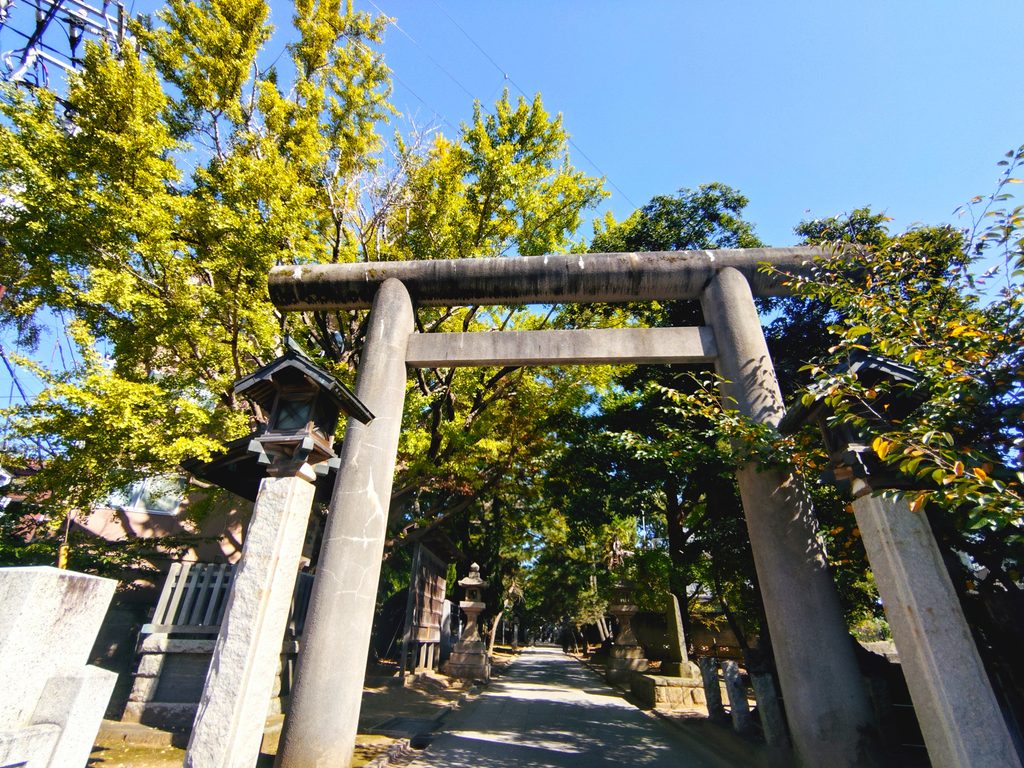
A straight approach path surrounded by lush greenery. Separated from the hustle and bustle of the city, a quiet, refreshing green tunnel leads all the way to the Main Hall.
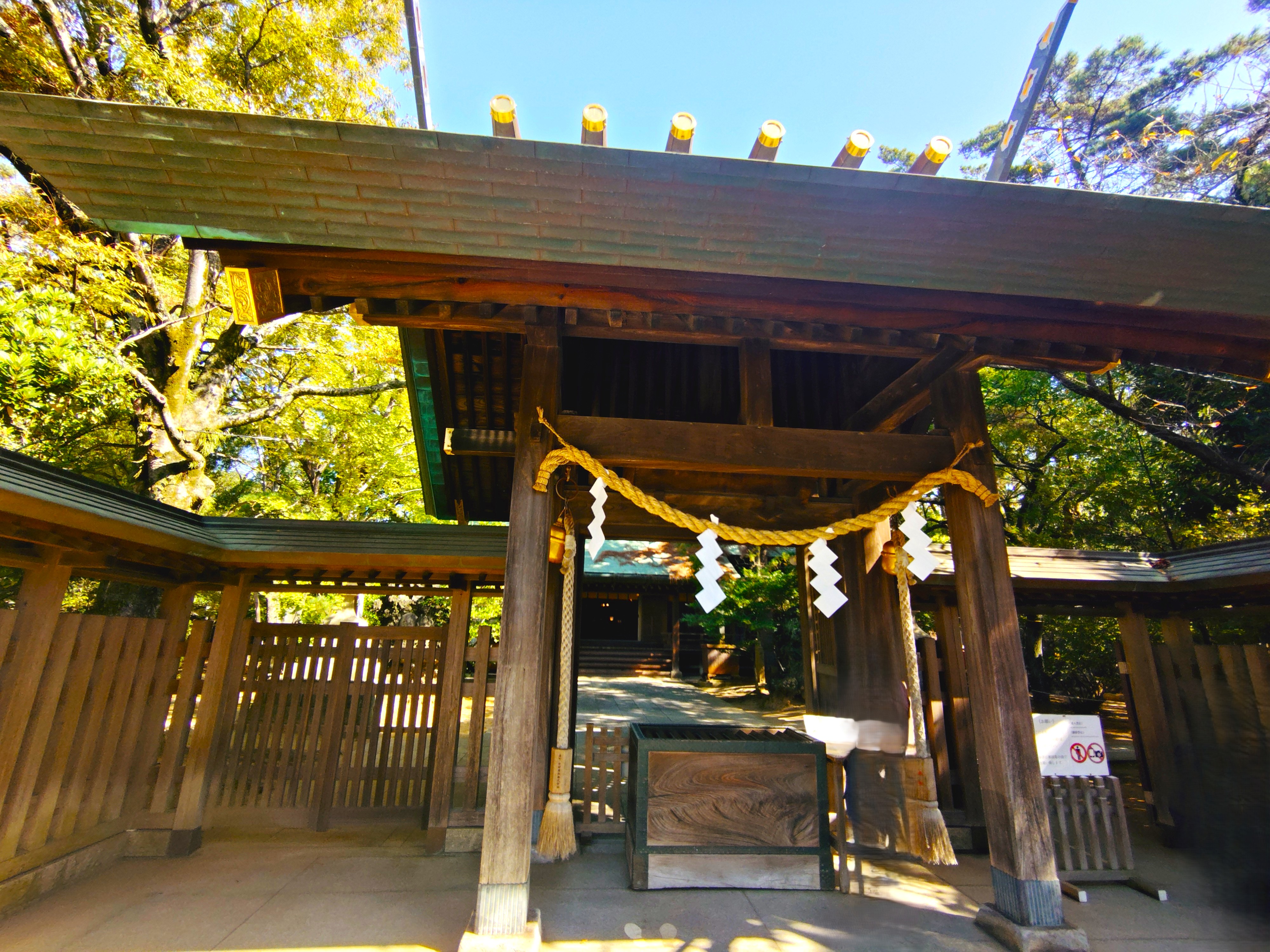
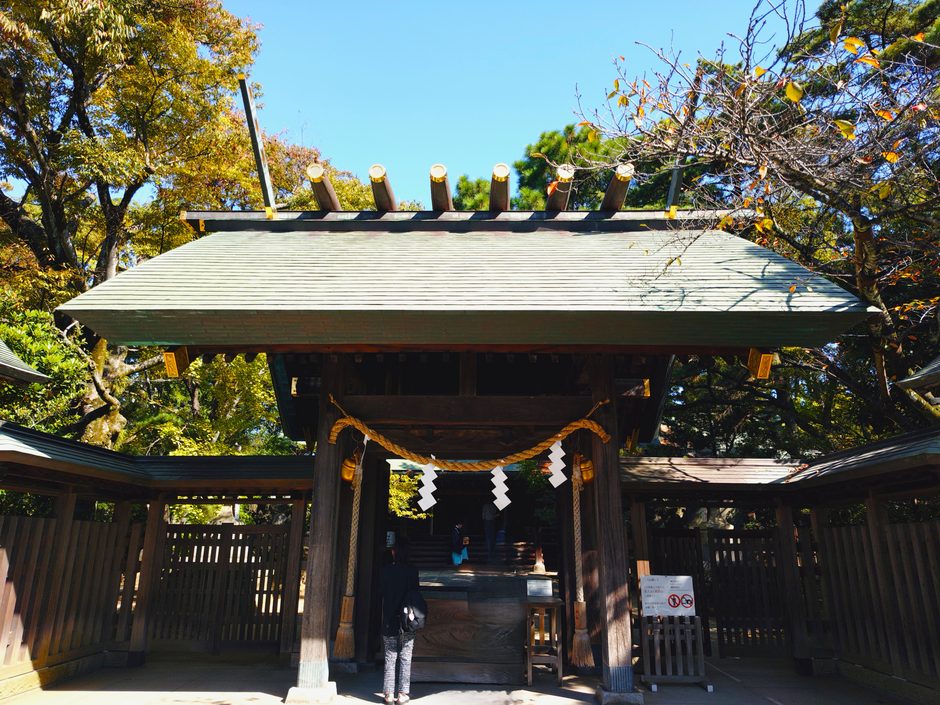
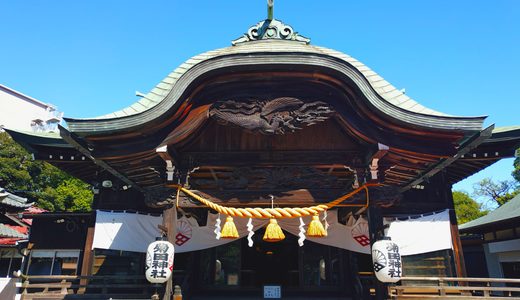
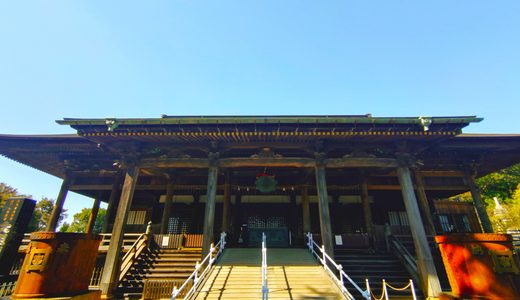
【Shinmon Gate & Shrine Halls】A Majestic Gate and Shinmei-zukuri Worship Hall Enshrining Amaterasu Omikami
The Shinmon Gate (Shinmon) is an important gate positioned directly in front of the sacred fence (mizugaki) surrounding the Worship Hall and Main Hall at the end of the main approach. While visitors normally pray from in front of the Shinmon Gate, worshipers are permitted to enter the inner sacred courtyard (yuniwa) inside the gate during the first three days of New Year (Sanganichi) or for official prayer rituals.
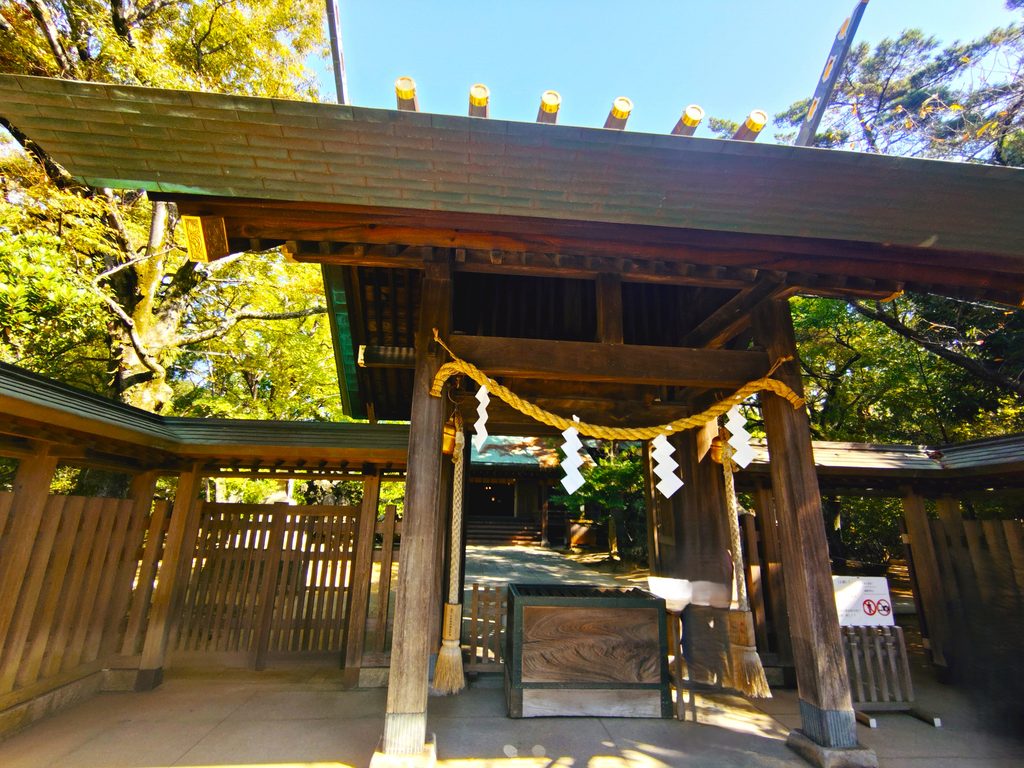
Although the shrine halls burned down once in the fires of the Boshin War during the Meiji era, they were rebuilt in 1875 (Meiji 8) using reclaimed timber from Ise Jingu, preserving all of their original dignity and grandeur.
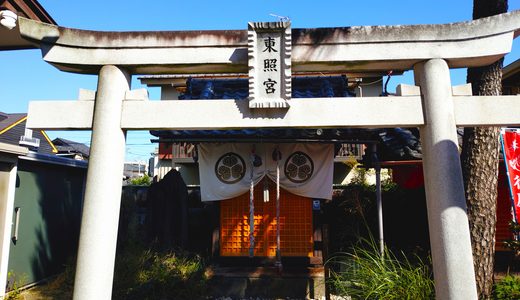
【Tokiwa Shrine】A Prestigious Sub-shrine Enshrining Tokugawa Ieyasu and Hidetada
Enshrined on the eastern side of the grounds, “Tokiwa Shrine” (Tokiwa Jinja) is an exceedingly important sub-shrine (sessha) attesting to the deep ties between Ohi Shrine, the Tokugawa Shogunal family, and historical heroes.
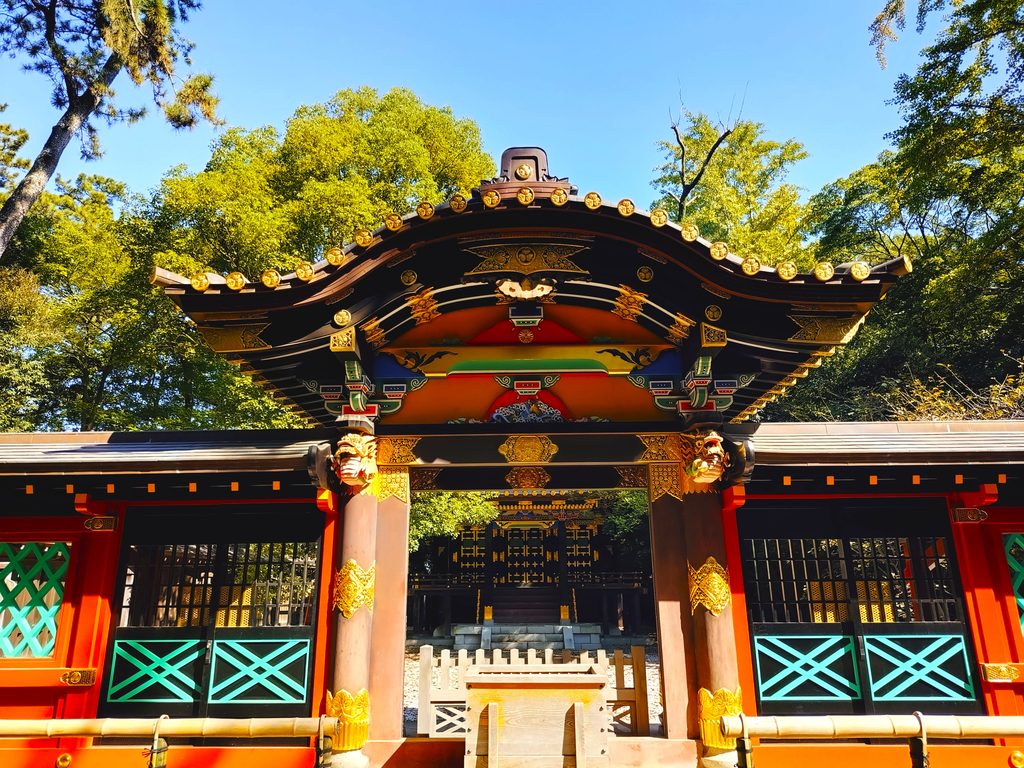
The reason this shrine is named “Tokiwa” (“Everlasting”) is that when Tokugawa Ieyasu visited Funabashi Daijingu in 1591 (Tensho 19), he dedicated his own “Tokiwa Box” (Tokiwa no On-hako) accompanied by a banner of good fortune and a war bow. In 1622 (Genna 8), the 2nd Shogun Hidetada dedicated Ieyasu’s “front tooth” along with wooden statues of the Four Heavenly Kings of the Tokugawa, constructing a new hall to enshrine them—marking the direct origin of Tokiwa Shrine. Later, a wooden statue of Hidetada was also enshrined by the 3rd Shogun Iemitsu.
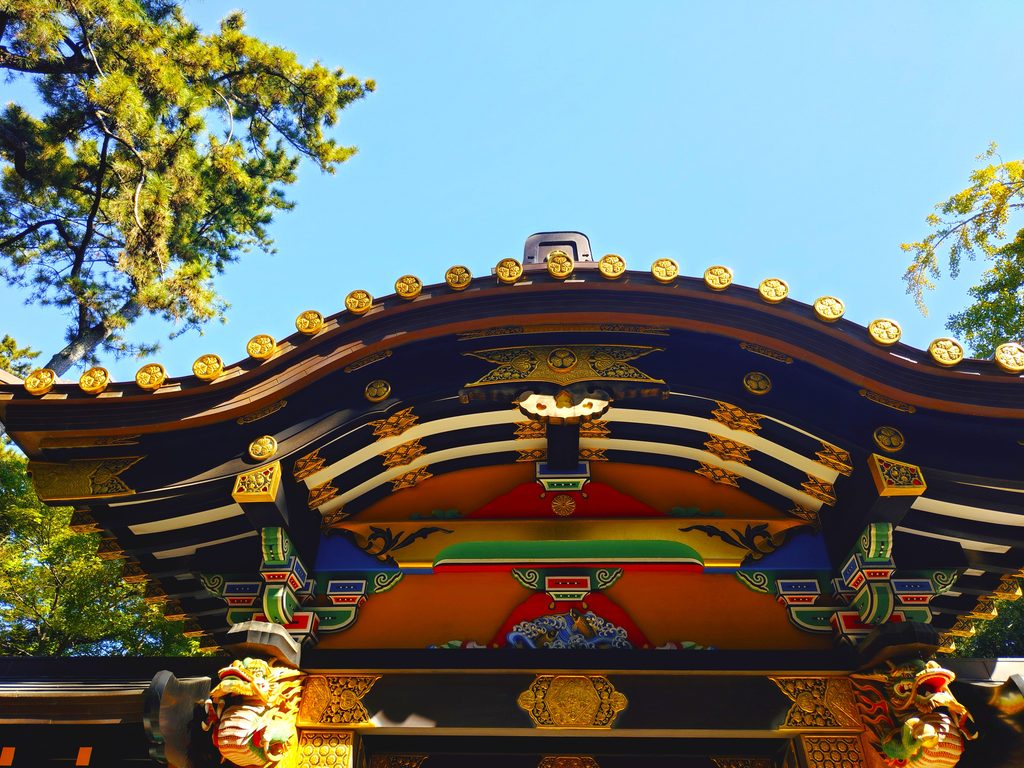
Shrine records state that the 8th Shogun Tokugawa Yoshimune declared: “Those who find it difficult to travel to (distant) Ise Jingu or Nikko Toshogu may visit Funabashi (Daijingu and Tokiwa Shrine) and receive the exact same spiritual merit as visiting both Ise and Nikko.” Because it held immense status during the Edo period, crowds of people flocked here on “Funabashi Pilgrimages,” turning it into a bustling sightseeing destination.
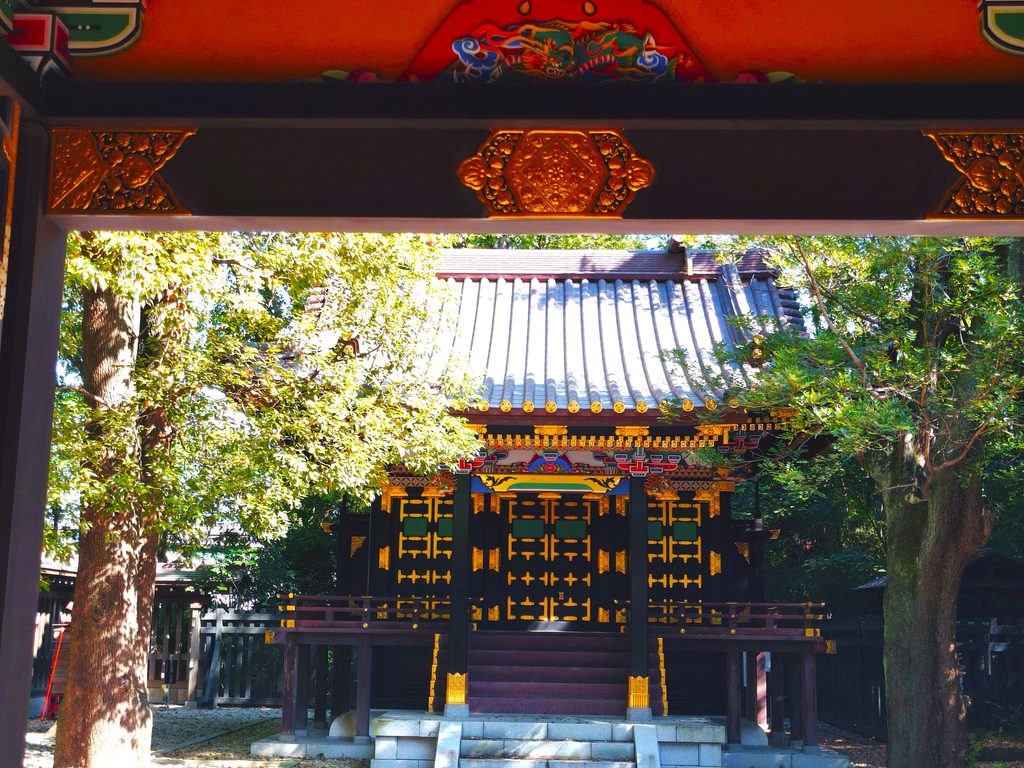
Rebuilt as a project commemorating the 400th anniversary of Tokugawa Ieyasu’s passing, the current new shrine hall was completed in November 2015 (Heisei 27). Adorned with eye-opening vibrant lacquerware (urushi) and traditional rich polychrome painting (gokusaishiki), its architectural beauty earned an Excellence Award at the Chiba Prefectural Architecture Culture Awards.
For subsequent Shoguns (such as Hidetada and Iemitsu), the name “Tokiwa”—directly bestowed by their father or grandfather Ieyasu during his lifetime and housing his personal relics—carried an irreplaceable, supreme status. Rather than changing it to the standard divine title of “Toshogu,” preserving and worshipping under the name “Tokiwa,” which demonstrated a direct personal bond with Ieyasu, held overwhelmingly higher historical prestige for the shrine.
【Otori Shrine & Funadama Shrine】Historic Shrines Enshrining Yamatotakeru-no-Mikoto and Guardian Deities of the Sea
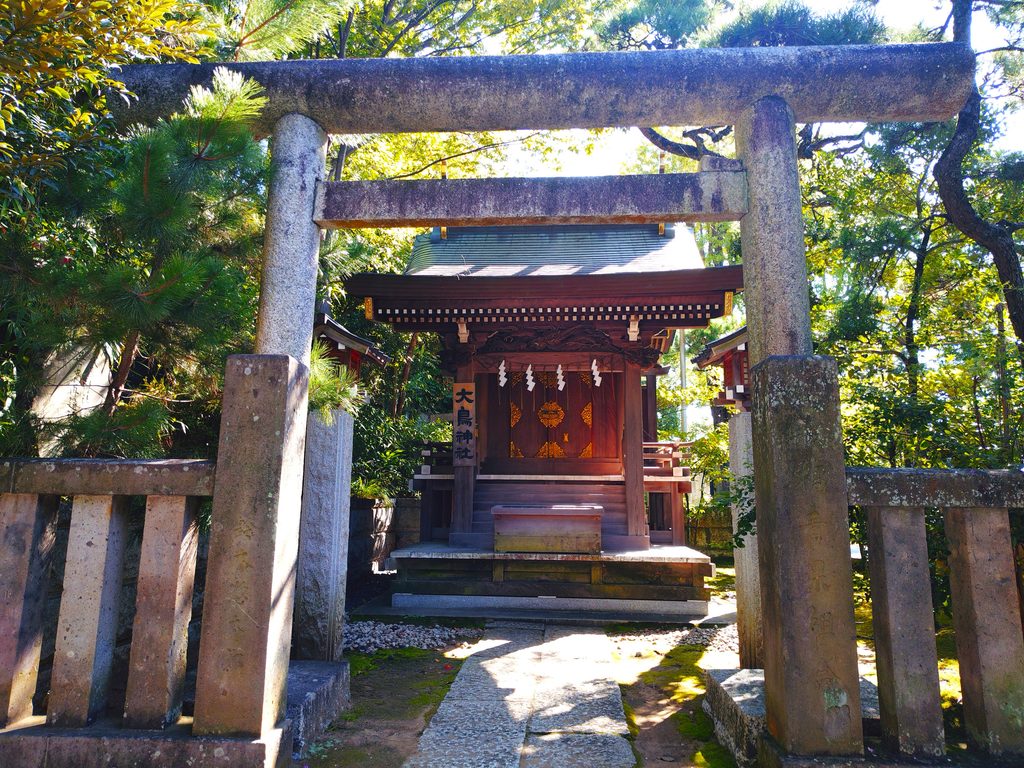
Otori Shrine (Otori Jinja): Its annual festival held every December on the “Day of the Rooster” (Tori-no-Hi) is famous as Tori-no-Ichi (Rooster Fair), an iconic seasonal tradition heralding the arrival of winter in Funabashi. The enshrined deity is Yamatotakeru-no-mikoto.
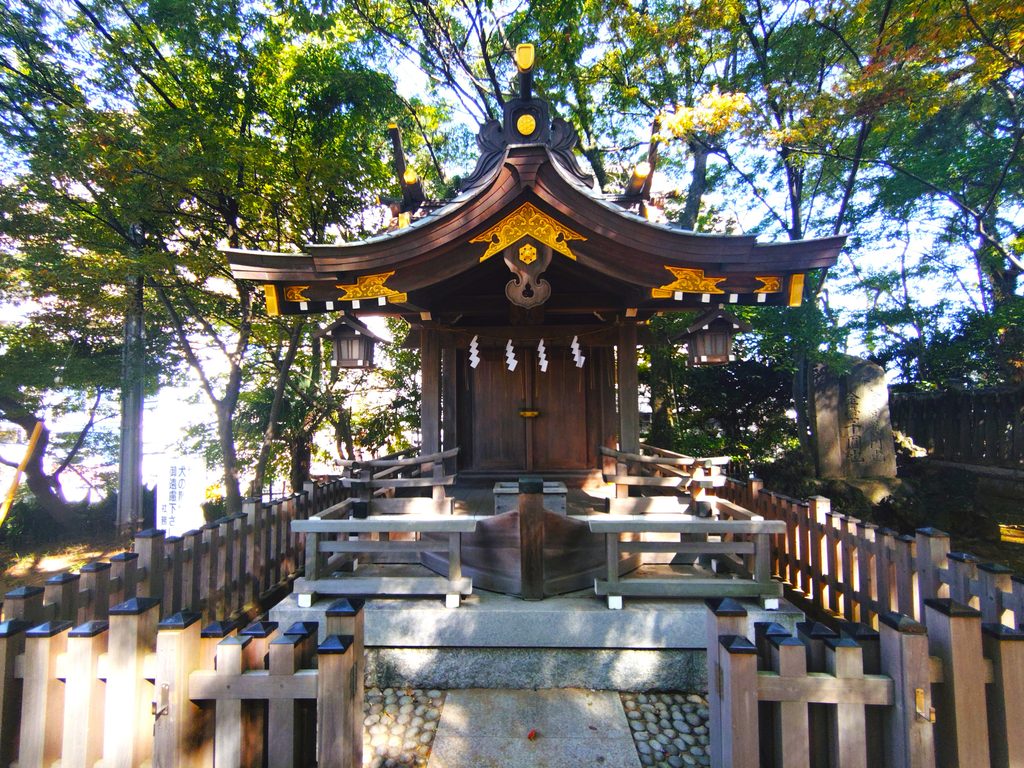
Funadama Shrine (Funadama Jinja): Located along the west approach. Fitting for Funabashi, which prospered as a port town since ancient times, its front facade is uniquely built to resemble the bow of a ship, conveying the deep faith of seafaring people into the present day. The enshrined deities are Ame-no-torifune-no-mikoto and Sumiyoshi-no-mikoto.
【Other Auxiliary Shrines (Sessha & Massha)】Diverse Sub-shrines Enshrining Various Deities Across the Grounds
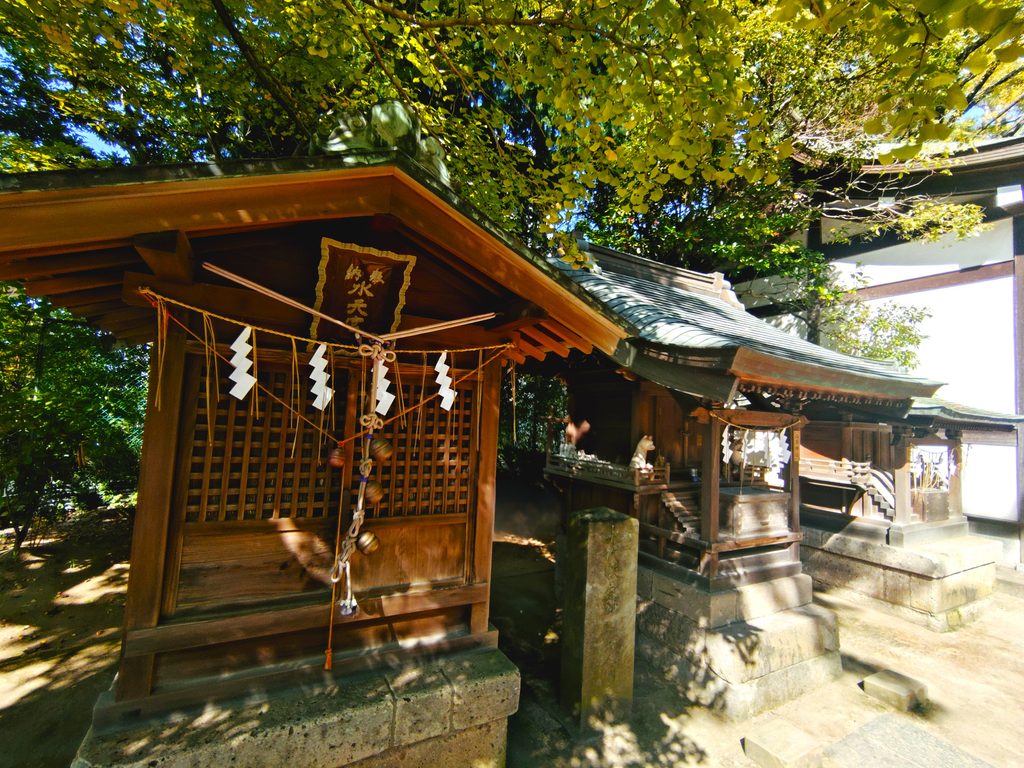
Numerous auxiliary shrines (sessha and massha) line the grounds, totaling more than 20 shrines combined.
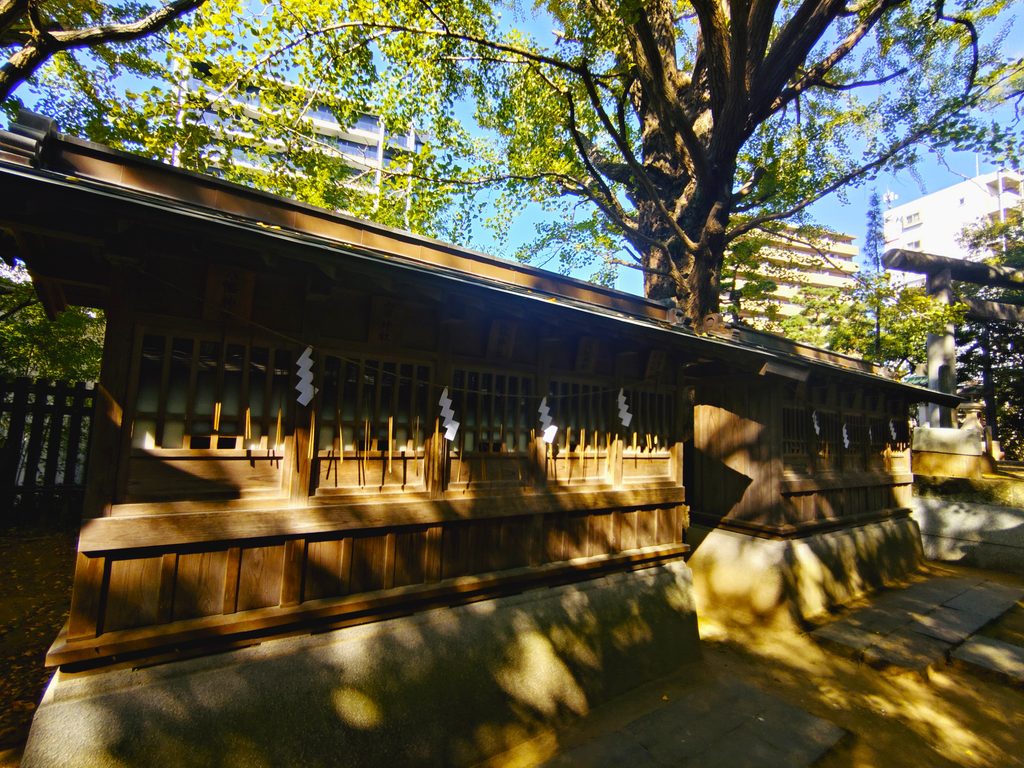
Enshrined together in a single horizontal row as a combined shrine (Yosemiya) are Yakumo Shrine, Yatsurugi Shrine, Yasaka Shrine, Tenmangu, Tenjin-sha, Kotohira-sha, Suijin-sha, and Inari Shrine.
【Tomyo-dai Lighthouse】A Beautiful Wooden Lighthouse Blending Japanese and Western Styles Built in the Meiji Era
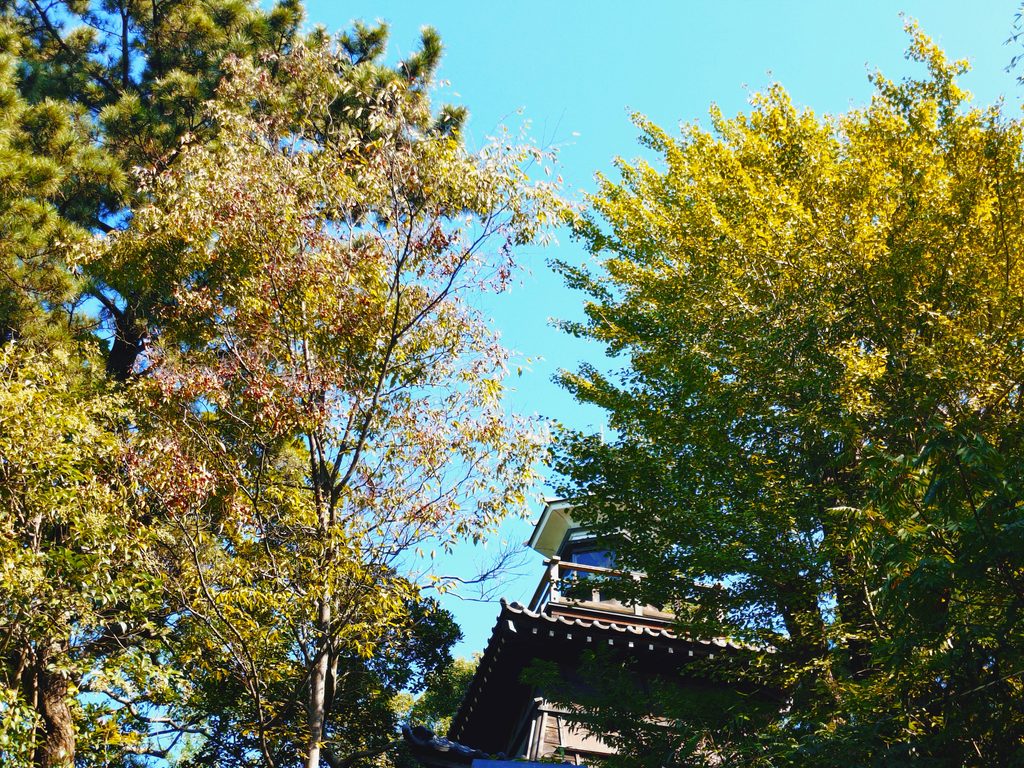
The Tomyo-dai Lighthouse (Tomyo-dai) is a wooden private lighthouse built in 1880 (Meiji 13), standing atop a small hill (Sengenyama) slightly west of the approach path. A rare example of pseudo-Western architecture (Giyofu) featuring a Western-style hexagonal lantern room perched atop traditional Japanese 1st and 2nd floors, it once illuminated Tokyo Bay. It stands as a symbol of Funabashi Daijingu’s history and modernization. Today, visitors appear only able to view it from below.
【Ohi Shrine Goshuin】
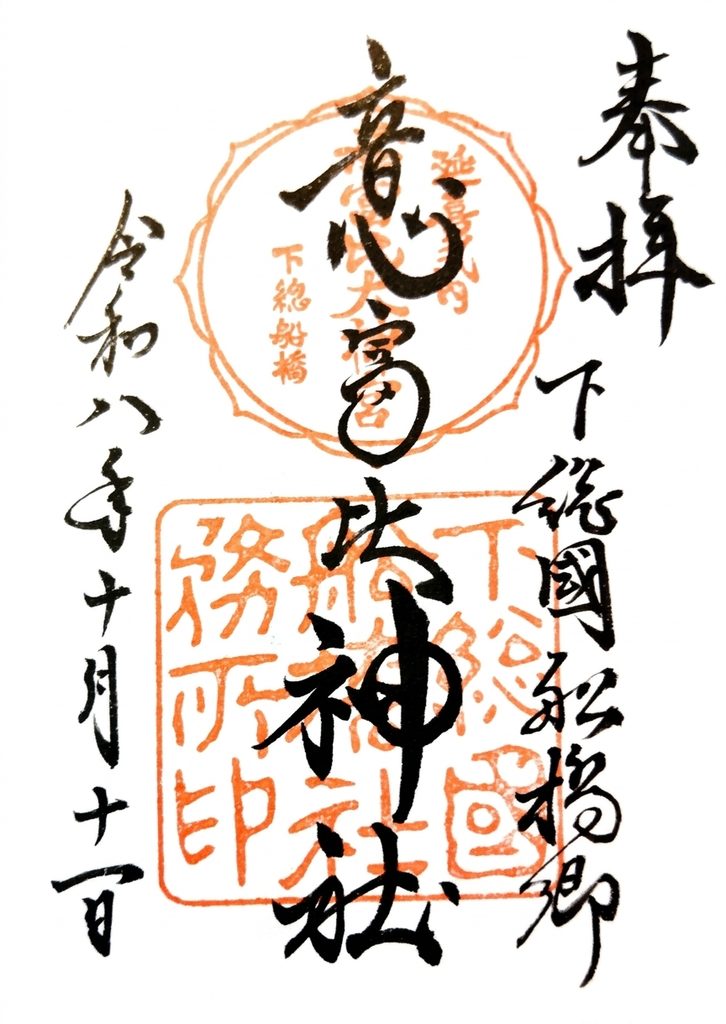
【Ohi Shrine On-Site Visit Report & Original Evaluation】
Ohi Shrine (Funabashi Daijingu) On-Site Review & Evaluation Score
| Evaluation Category | Score | Key Features / Highlights |
|---|---|---|
| History & Heritage | (5.0) | Said to have been founded in the 40th year of Emperor Keiko’s reign during Yamatotakeru-no-mikoto’s eastern expedition, this supreme ancient shrine is a Shikinai-sha listed in the Engishiki Jinmyocho and the overall guardian shrine of Funabashi. |
| Accessibility | (5.0) | Outstanding location, about a 3-minute walk from “Daijingushita Station” on the Keisei Main Line, and within walking distance from JR “Funabashi Station” on the Sobu Line. |
| Nature & Scenery | (3.5) | An atmospheric landscape harmonizing the Prefectural Tangible Cultural Property “Tomyo-dai Lighthouse”—retaining a rare blend of Japanese and Western architectural styles—with the Shinmei-zukuri shrine halls nestled in hillside greenery. |
| Scale & Grounds | (3.5) | An impressive precinct featuring the Shinmei-zukuri Main and Worship Halls, alongside Tokiwa Shrine (enshrining Yamatotakeru-no-mikoto, Tokugawa Ieyasu, and Hidetada), Yakumo Shrine, and the Tomyo-dai Lighthouse. |
| Tranquility | (3.0) | Located near central Funabashi with a steady stream of local worshipers, yet the elevated areas of the grounds (around the Tomyo-dai Lighthouse and auxiliary shrines) maintain a calm serenity. |
| Goshuin Variety | (3.0) | Dignified standard Goshuin for “Ohi Shrine (Funabashi Daijingu)” are offered, along with limited-edition seals issued during key occasions such as New Year’s and the Annual Grand Festival. |
【On-Site Report | Personal Impressions and Atmosphere】
Funabashi Daijingu was a place where not only was the history ancient, but a microcosm of Japanese history—”ancient mythology, Tokugawa splendor, late-Edo war fires, and Meiji modernization”—was tightly condensed within these vast grounds. Directly beside the Main Hall stand distinctive sub-shrines such as the Geku and Funadama Shrine. As if the deities were nestled closely together, a somewhat homey warmth—that of a “local guardian shrine” staying close to the community—was tangibly felt.
【Nearby Sightseeing Spots to Visit Together】
Funabashi Toshogu Shrine, Kikuta Shrine, Nakayama Hokekyo-ji Temple, Ninomiya Shrine, Ohara Shrine
【Basic Information & Access】
【Access by Train / Car and Parking】
*Free parking available.
【Address & Official Website】
5-2-1 Miyamoto, Funabashi City, Chiba Prefecture 273-0003