 Kanata's Japan Shrine Guide
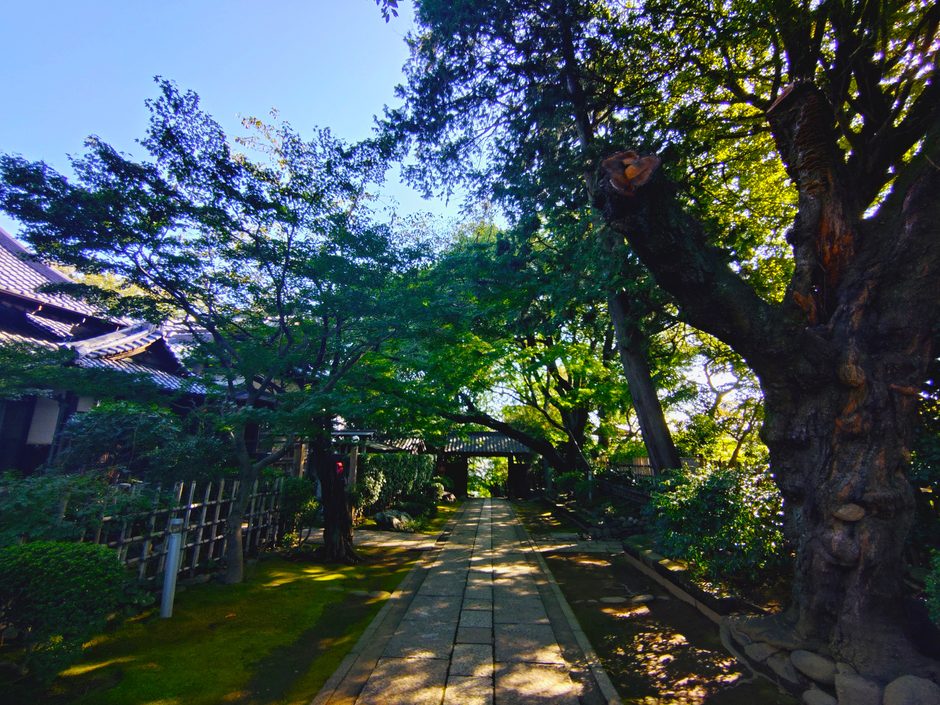

【Overview of Josho-ji Temple】
Located in Akabane-nishi, Kita Ward, Tokyo, Josho-ji Temple (Josho-ji) is a temple of the Soto Zen Sect (officially named Jitokuzan Josho Zenji). It is a site closely associated with Ota Dokan, a famous Muromachi-period samurai commander renowned for constructing Edo Castle. The temple grounds and surrounding area are designated as an Official Historic Site / Historic Trace of Tokyo as the former site of “Inetsuke Castle” (Inetsuke-jo), a mountain fortress once built by Dokan.
【History & Origins as a Fortress: “Inetsuke Castle” (15th Century – 1590)】
The elevated hill, rising about 21 meters above sea level where Josho-ji Temple stands, was originally Inetsuke Castle (Iwabuchi Fort), a medieval fortification. According to one theory, it was built by Ota Dokan as an important relay fort positioned halfway between his primary strongholds: Edo Castle and Iwatsuki Castle (Saitama City, Saitama Prefecture).
 The Imperial Palace (Outer Gardens of the Imperial Palace, Ruins of Edo Castle, East Gardens) [Tokyo]
Overlooking the Arakawa River to the north, this high ground served as a natural fortress to defend against enemies approaching from the north.
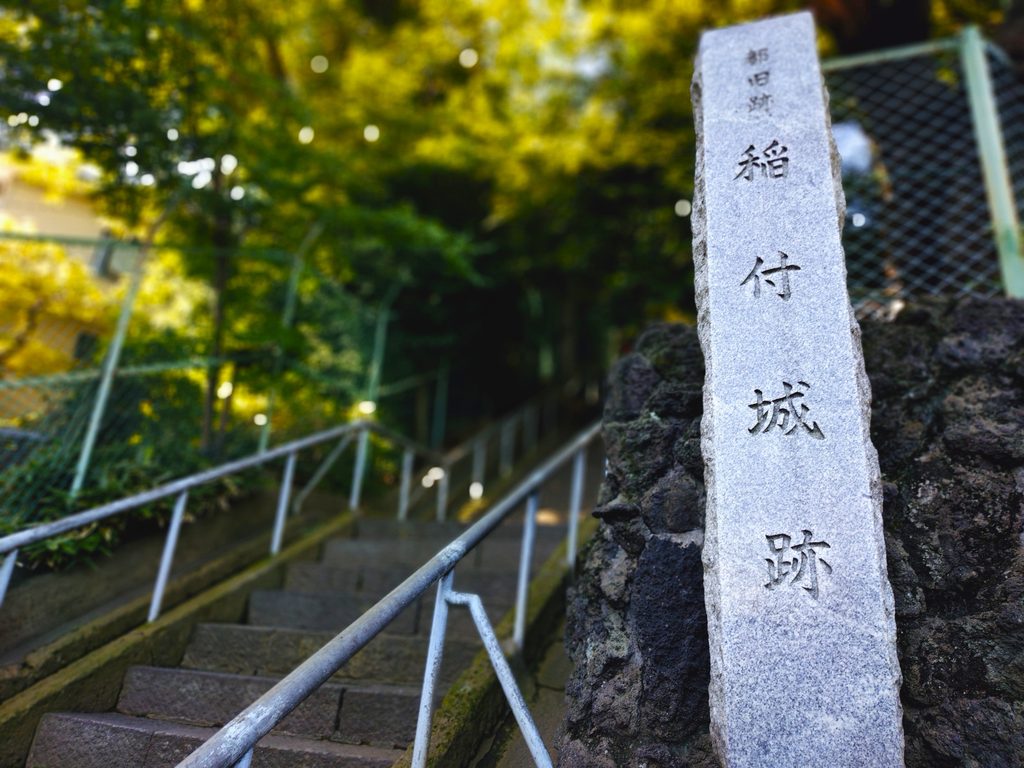
In 1486 (Bunmei 18), Dokan was assassinated by his lord, Uesugi Sadamasa of the Ogigayatsu-Uesugi branch. Later, the castle served as a primary residence for two generations: Suketaka Ota (Dokan’s grandson) and Yasusuke Ota (Dokan’s great-grandson). However, after Yasusuke defected to Uesugi Kenshin’s side and suffered defeat at the Battle of Konodai, Inetsuke Castle came under the rule (as a branch castle) of the Go-Hojo clan of Odawara. In 1590 (Tensho 18), following the fall of the Hojo clan during Toyotomi Hideyoshi’s Siege of Odawara and Tokugawa Ieyasu’s entry into Edo, Inetsuke Castle was decommissioned and abandoned.
【History & Origins as a Temple】
According to temple tradition (denrei), after Dokan was assassinated, his Zen master Unko Oshosama built a small thatched hut in a corner of the castle in 1504 (Eisho 1), naming it “Dokan-ji Temple” to pray for Dokan’s repose in the afterlife.
Sukemune Ota, a 6th-generation descendant of Dokan holding the title of Bitchu-no-kami, deeply cherished this land tied to his ancestors. In 1655 (Meireki 1), he erected magnificent temple halls and undertook a major redevelopment of the grounds. Alongside this renovation, Sukemune officially renamed the mountain prefix (sango) to “Jitokuzan” and the temple name to “Josho-ji.”
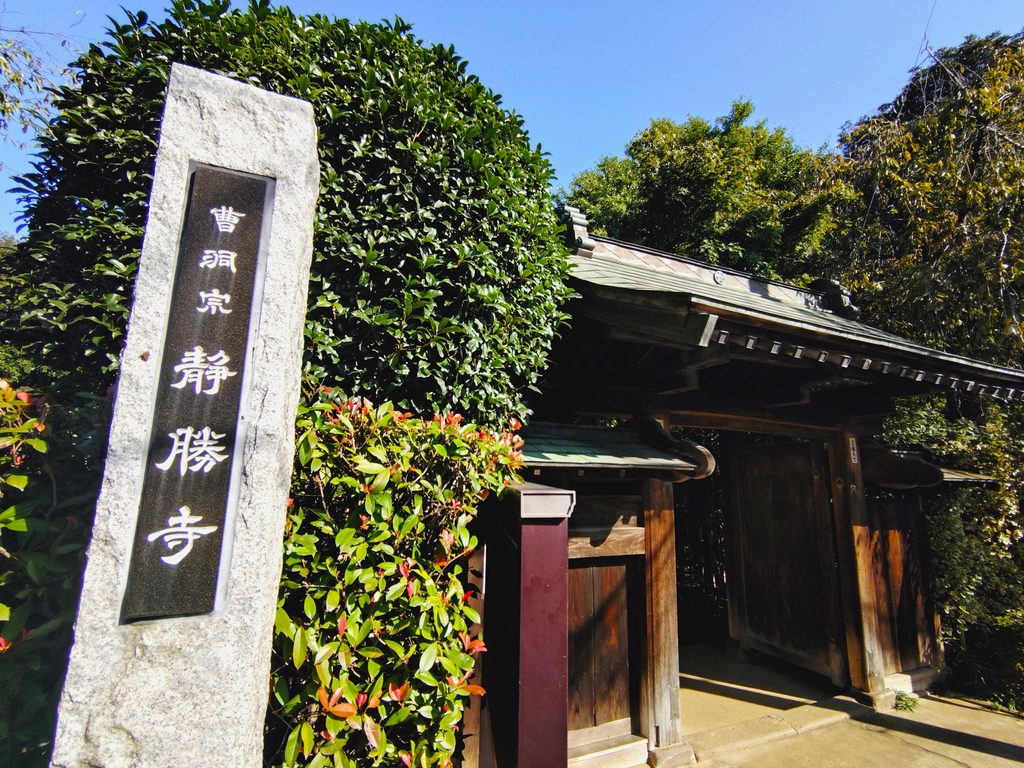
The name was derived by taking characters from the Buddhist posthumous names (homyu) of Ota Dokan (Kagetsuin-dono Shun’en Josho Dokan Daikoji → “Josho”) and his father Ota Sukekiyo / Dokan’s father Doshin (Jitokuken → “Jitoku”). From this period onward throughout the Edo period, Josho-ji Temple was treated as an important family temple (bodaiji) in Edo for the Ota family, who had become prominent daimyo, receiving generous protection and support.
【Principal Image & Divine Blessings】
The principal image enshrined here is Shaka Nyorai (Shakyamuni Buddha), the foundational Buddha of Soto Zen Buddhism. In addition to the principal deity, two other revered statues are enshrined within the grounds: Sho-Kanzeon Bosatsu (Aryavalokitesvara), said to be the guardian Buddha of Ota Dokan, and Benzaiten, which was excavated from Kamega-ike Pond.
The temple imparts teachings and blessings for daily mind-body tranquility, household safety, and inner peace.
【Stone Steps & Sanmon Gate】Steep Stone Steps Retaining Fortress Vestiges and a Scenic Sanmon Gate
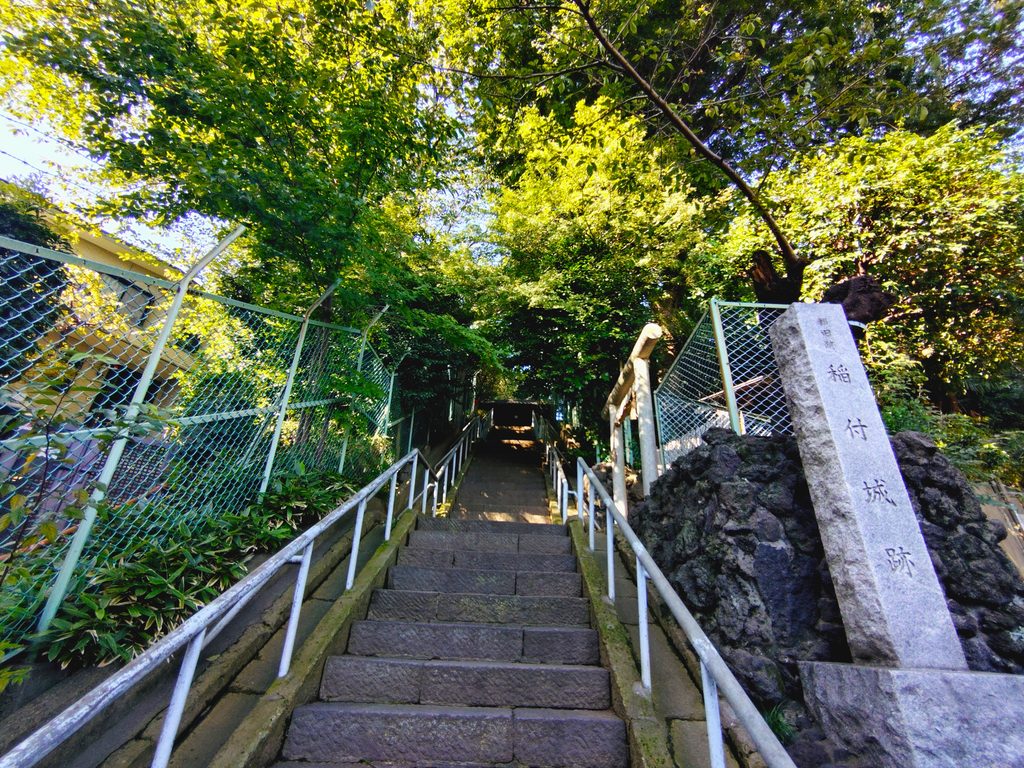
Reaching the top of the slope from the West Exit of Akabane Station, a dizzyingly steep flight of stone steps appears at the entrance of the temple. This dramatic difference in elevation itself embodies the high defensive capability of “Inetsuke Castle,” built by Ota Dokan to ward off northern foes.
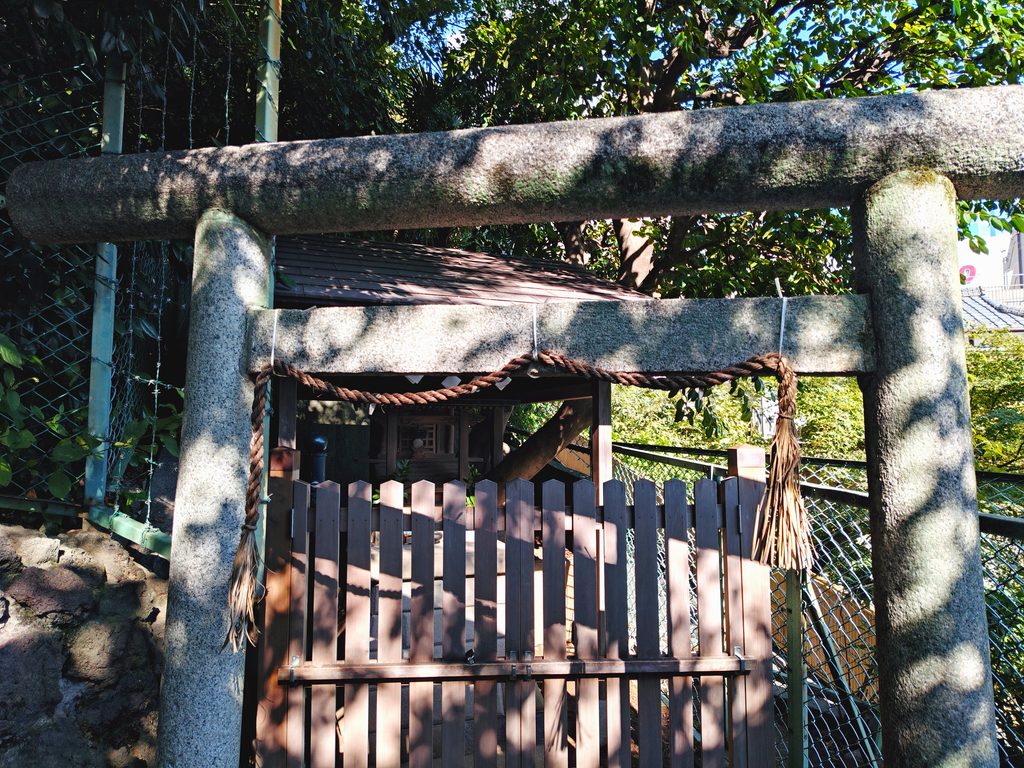
Immediately to the right upon starting up the stone steps, a small Torii gate and shrine stand quietly. While no specific old historical records remain for this Inari Shrine, it has long been said that “Inari deities naturally accompany castle sites, mountains, and elevated hills.” It is believed to be a shrine treasured by castle lords and locals as a guardian deity of the land (jinushigami) protecting this hill ever since Ota Dokan built Inetsuke Castle here, or perhaps even earlier. Before passing through the temple’s Sanmon Gate, offering a brief greeting of “Excuse me for visiting” to the ancient deity of the land makes for a thoughtful approach.
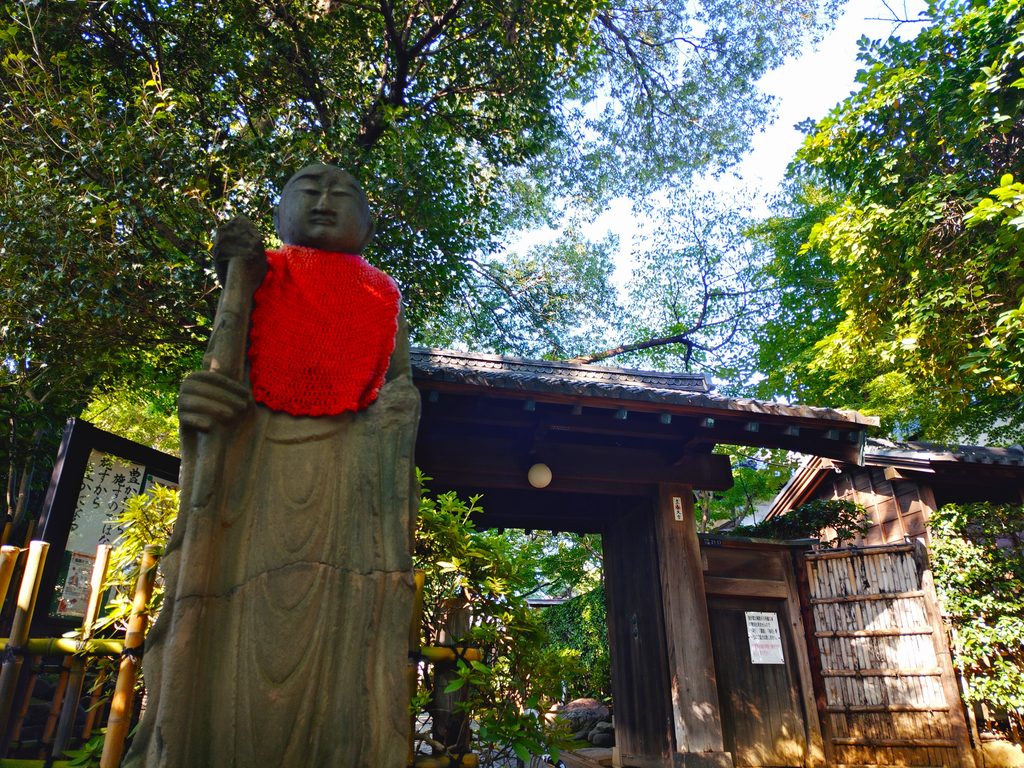
Standing just to the left of the East Sanmon Gate after climbing the steep stone steps is a historic standing Jizo statue (Jizo-son Ryuzo) sculpted in 1794 (Kansei 6). It is said that the villagers living in Inetsuke Village at the time pooled their money to dedicate it, praying for village safety, child-rearing and children’s health, and the safety of travelers.
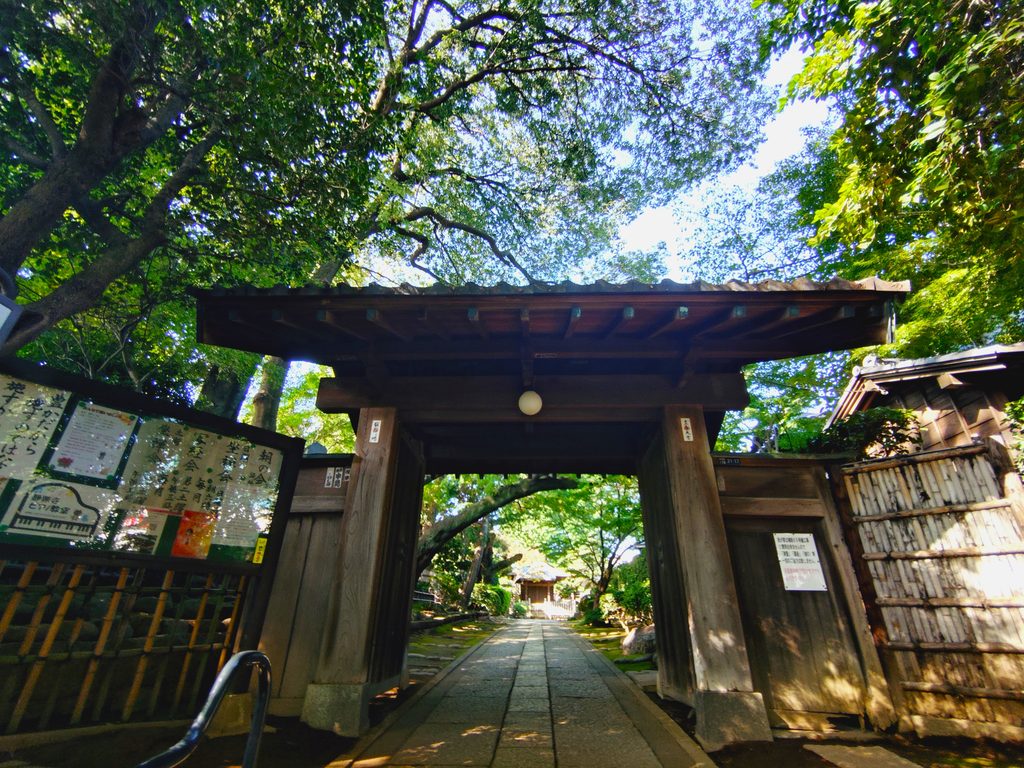
The neat Sanmon Gate standing atop the stone steps was rebuilt during the Taisho period. To the left of the Sanmon Gate passes a cut-through slope road called “Nakasaka.” Experiencing this terrain with its sharp elevation changes allows visitors to feel firsthand how it once functioned as a defensive castle position (dry moats and earthen ramparts). Directly facing the Sanmon Gate, the Dokan-do Hall comes into view.
【Dokan-do Hall】A Historic Hall Enshrining the Seated Statue of Ota Dokan
Dokan-do Hall was erected in 1715 (Shotoku 5) by the Ota clan, descendants of Dokan. The existing hall was rebuilt after the Great Fire of Meireki, presenting a small yet dignified appearance.
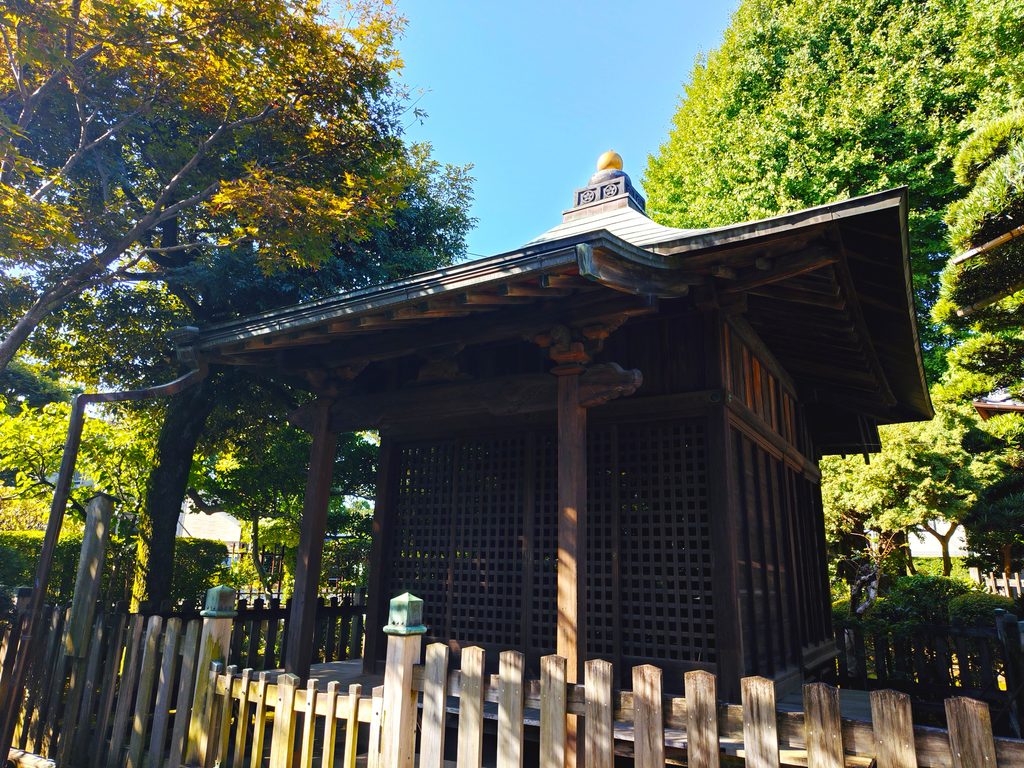
Housed inside the hall is a wooden seated statue of Ota Dokan clad in armor, created in 1735 to commemorate the 150th anniversary of Dokan’s death. While usually closed to the public, it is opened (gokaicho) on the 26th of every month in connection with Dokan’s memorial day, allowing worshipers to pray up close.
【Main Hall】A Solemn Main Hall Quietly Standing on the Former Honmaru Site
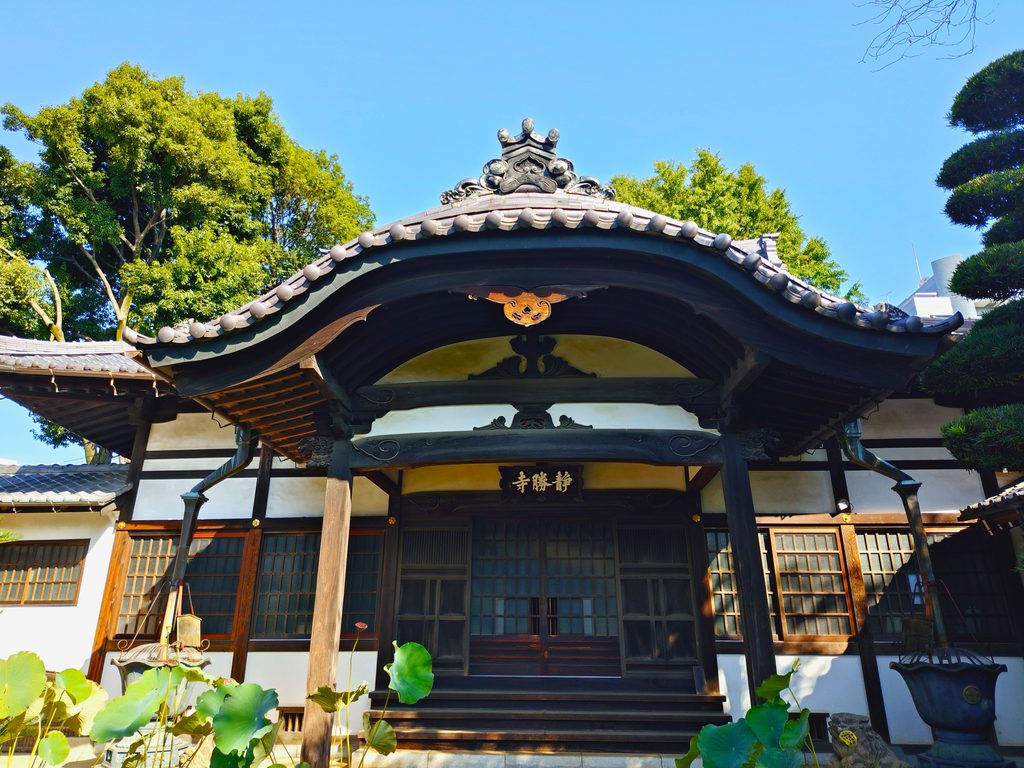
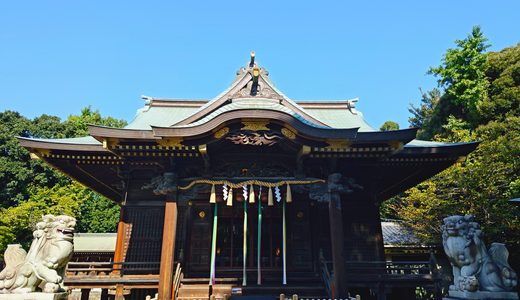
Reconstructed in 1928 (Showa 3), it is a dignified wooden building. Deep behind the left side of the Main Hall near the bushes, traces of earthen ramparts (dorui—mounded earth) from the era of Inetsuke Castle still remain today.
【Benten-do Hall & Benzaiten】Benten-do Hall and Kamega-ike Benzaiten Steeped in Waterside Atmosphere
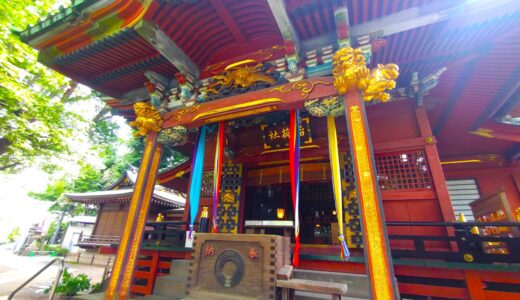
According to old temple records (denrei) and Edo-period gazetteers, a small statue of Benzaiten was once discovered (excavated) from the bottom of Kamega-ike Pond. When the new Main Hall was rebuilt in the early Showa period, the old Edo-period Main Hall was relocated and repurposed into “Benten-do Hall,” becoming a dedicated hall enshrining this Benzaiten excavated from Kamega-ike.
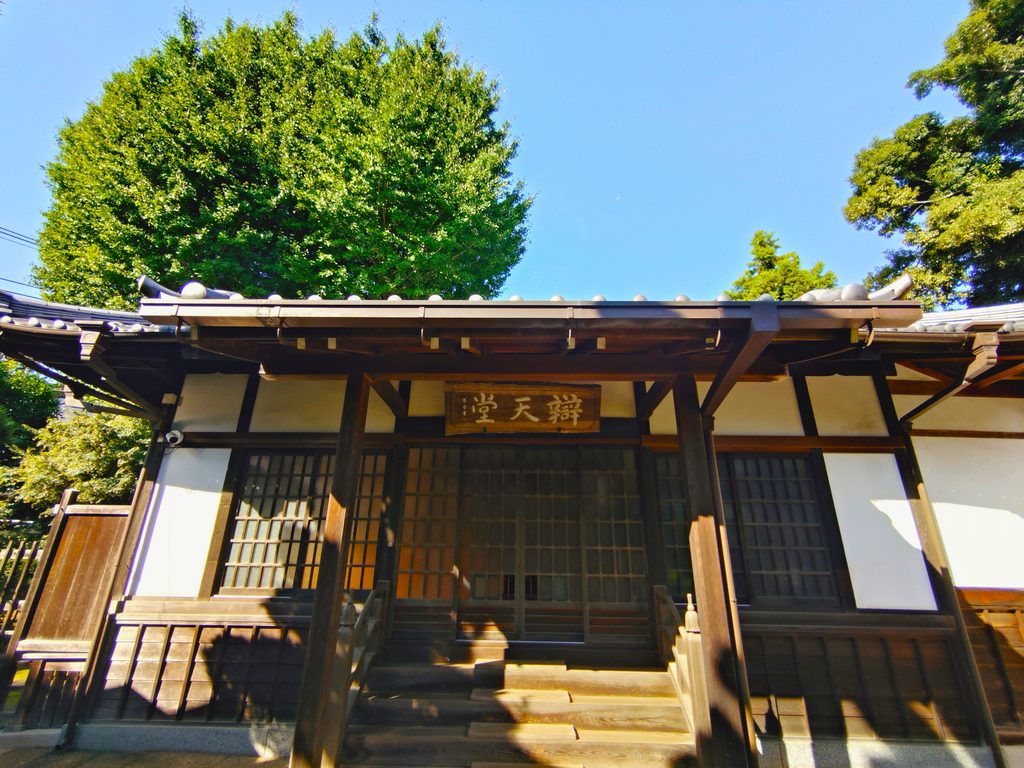
Since then, it has been carefully passed down to the present day as an important tutelary deity (chinju) of Josho-ji Temple. As a result, this hall retains the mid-Edo period architectural style—far older than the current Main Hall—making it an exceptionally valuable historical structure.
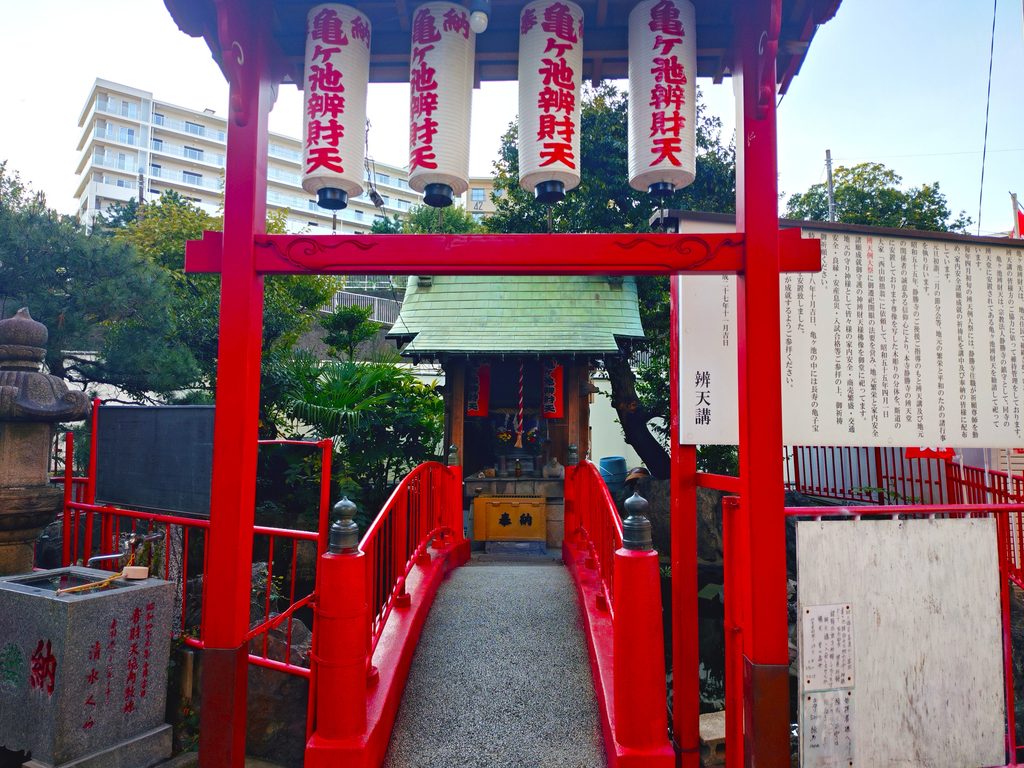
Tucked away in a residential neighborhood down behind Josho-ji Temple (Akabane-nishi 3-chome) stands a tiny Benzaiten shrine. During the Edo period, this was the site of a vast pond called “Kamega-ike.” When Ota Dokan constructed Inetsuke Castle, this pond served historically as a natural outer moat (mizubori) defending the western flank of the fortress. In 1980 (Showa 55), at the request of local residents, a spirit of Benzaiten enshrined in Benten-do Hall was consecrated here as a guardian of the area. Religiously, it functions as an off-site facility (keigai shisetsu) of Josho-ji Temple.
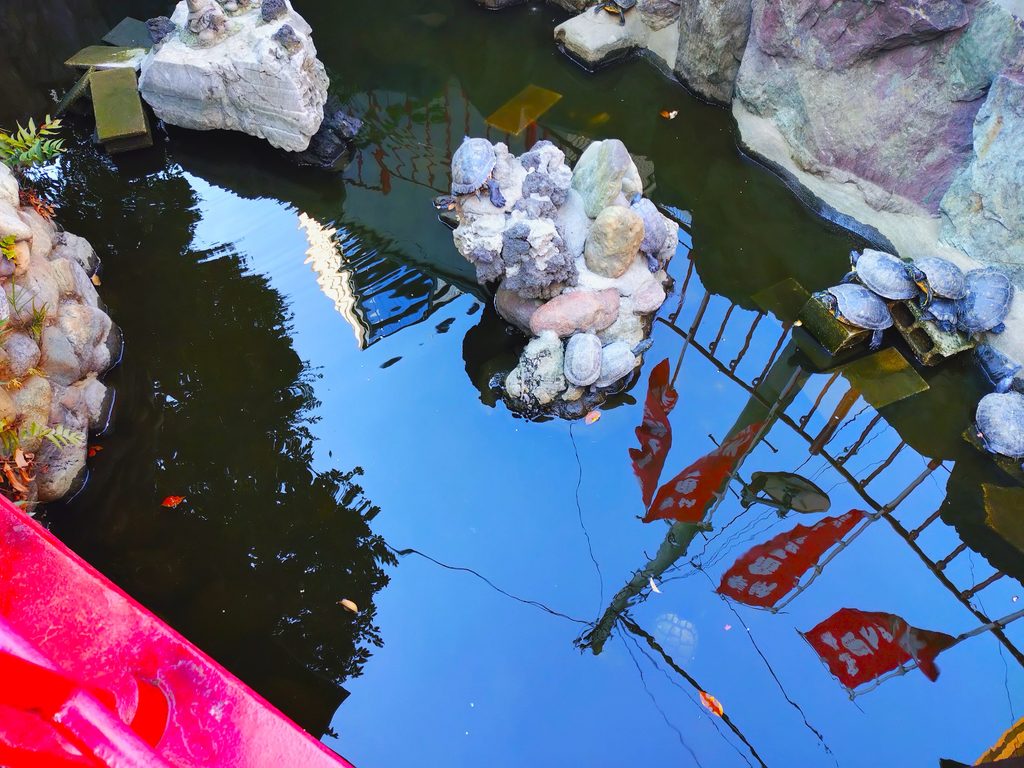
Today, only a small shrine and a water-drawing spot remain, but visiting it together with Josho-ji Temple allows you to feel the full physical scale of the former castle. Fittingly for Kamega-ike (“Turtle Pond”), there was even a turtle there.
【Josho-ji Temple On-Site Visit Report & Original Evaluation】
Josho-ji Temple On-Site Review & Evaluation Score
| Evaluation Category | Score | Key Features / Highlights |
|---|---|---|
| Tranquility | (4.5) | Though within walking distance of Akabane Station, the elevated plateau beyond the long stone steps is astonishingly quiet and mystical. |
| History & Heritage | (4.0) | Built on the former site of “Inetsuke Castle” constructed by Ota Dokan, it is one of Musashi Province’s premier historic temples, enshrining a seated statue of Dokan and Benzaiten. |
| Nature & Scenery | (4.0) | Surrounded by cliff lines and lush trees retaining the vestiges of a fortress, visitors can enjoy deep greenery and elegant charm throughout the four seasons. |
| Accessibility | (4.0) | Conveniently located about a 5-minute walk from the West Exit of JR “Akabane Station” (*Note: The approach involves climbing a long flight of stone steps). |
| Scale & Grounds | (3.0) | A tasteful temple ground where the Sanmon Gate, Main Hall, Dokan-do, and Benten-do are neatly arranged on the former bailey (*kuruwa*) traces of the castle. |
| Goshuin Variety | (1.0) | A tranquil temple primarily centered on quiet worship, where Goshuin distribution and handling are extremely limited. |
【On-Site Report | Personal Impressions and Atmosphere】
If Akabane Hachiman Shrine—where the Shinkansen roars directly beneath your feet—is an “active power spot,” Josho-ji Temple is completely a “quiet power spot.” The turbulent life of master commander Ota Dokan and the memory of the massive pond that vanished in the Taisho era still softly melt into the crisp air atop this high ground.
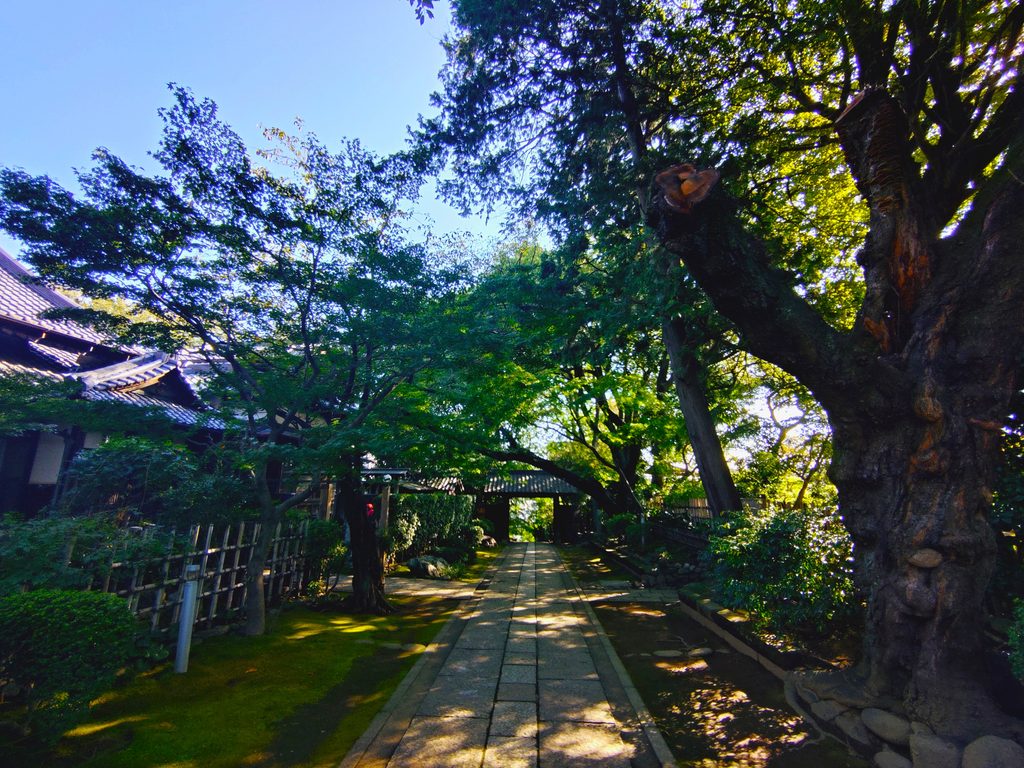
The fact that Zazen meditation sessions and Sutra-copying (Shakyo) workshops are quietly held here on a regular basis during weekends seems to symbolize the “serene resetting power” this temple possesses. It was a wonderful historic temple where you can deeply feel the rich historical depth of Akabane.
【Nearby Sightseeing Spots to Visit Together】
Akabane Hachiman Shrine, Oji Inari Shrine, Oji Shrine

【Basic Information & Access】
【Access by Train / Car and Parking】
*Free parking available.
1-21-17 Akabane-nishi, Kita-ku, Tokyo 115-0055